

The Vanvera: History’s Oddest Solution to an Awkward Problem
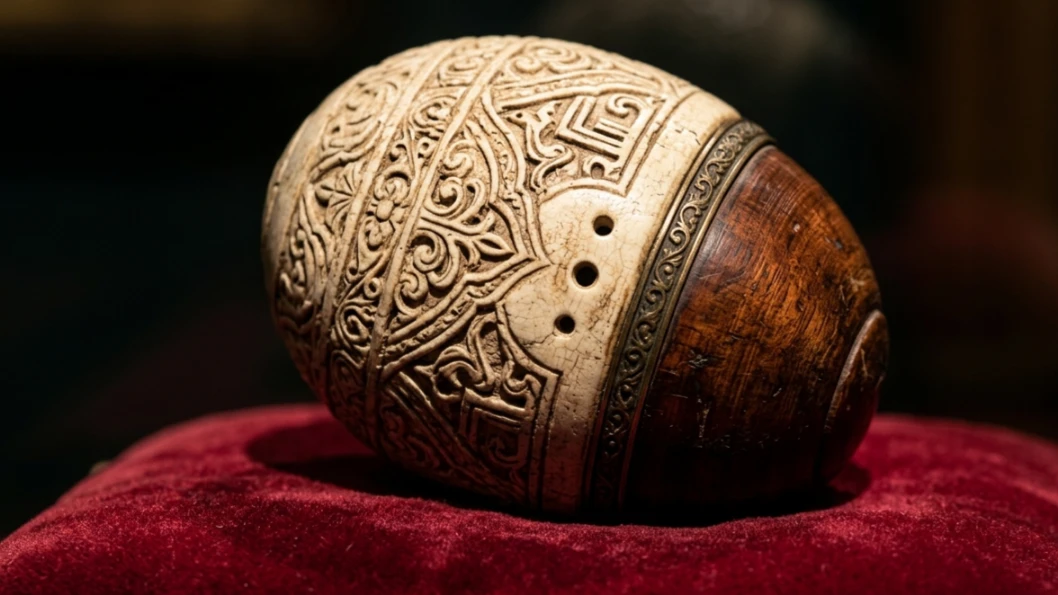
The Vanvera was a legendary device reportedly used by Venetian aristocrats to mask the sound and odor of flatulence. Designed to protect social reputations, these egg-shaped containers were filled with fragrant herbs. Different models allegedly existed for both public gatherings and private settings to maintain high society etiquette.
While popular accounts trace the invention to ancient times, historians find little evidence of its existence before the seventeenth century. Today, the Vanvera is considered more folklore than documented fact. No confirmed original artifacts remain, leaving its history as a blend of social etiquette and persistent urban legend.
In old Venice, reputation was everything. A single embarrassing sound at the wrong dinner party could follow a family for years.
So when the human body refused to cooperate with high society’s rules, Venetian elites didn’t just grin and bear it. They built a machine for it.
It was called the Vanvera — and its story is stranger, and far more elaborate, than you’d expect.
A Bodily Function High Society Refused to Admit
Picture Venice at the height of its elegance. Powdered wigs, silk gowns, and manners so rigid that a raised eyebrow could end a friendship.
In that world, flatulence wasn’t just impolite. It was a genuine social crisis.
Nobles worried about it at banquets. They worried about it at balls. Some, according to popular accounts, even worried about it in the bedroom.

Something had to give. And in true aristocratic fashion, the solution wasn’t restraint — it was engineering.
Meet the Vanvera: An Invention Built on Vanity
The Vanvera was designed to do two things at once: silence the sound of gas and mask its smell before anyone noticed.
Popular retellings describe it as small and egg-shaped, crafted from ceramic or wood, with a pair of connecting holes. Inside sat little compartments packed with aromatic herbs — lavender, rosemary, and other fragrant plants.

The idea was simple. Whatever gas passed through the device would come out quieter, and smelling faintly of a garden rather than a dinner mishap.
Some tellings of the story trace the concept back to ancient Rome and Egypt, where banquet guests supposedly used similar tricks to avoid embarrassment. It’s a charming detail — but it’s worth noting that historians who’ve looked into the Vanvera find no solid evidence connecting it to antiquity. That part of the story appears to be folklore layered onto folklore.
What does seem better supported is that some version of this device circulated among Italy’s upper classes, with different accounts placing it anywhere from the 1600s through the 1800s. The exact century shifts depending on which source you read — a sign of how much of this history was passed down as gossip rather than recorded fact.

Two Versions for Two Very Different Occasions
According to the legend, the Vanvera didn’t come in just one design. There were reportedly two distinct models, each built for a different kind of social danger.
The Vanvera da Passeggio — For Public Life
This was the “everyday” version, meant for gatherings, walks, and long social evenings.
Women supposedly tucked it beneath their skirts, where the era’s heavy layered dresses made concealment easy. A discreet cord, hidden in the folds of fabric, could be pulled to release gas without a sound.

As the story goes, it was especially handy at the era’s marathon aristocratic feasts — the kind with course after course of rich food, where digestive trouble was practically guaranteed.
The Vanvera da Alcova — For Private Moments
The second version was the more elaborate one, built for the bedroom rather than the ballroom.
Instead of a simple release, it reportedly used longer tubes to carry gas — and its smell — well away from the room entirely. Some accounts even claim newlywed grooms used it on their wedding night to avoid embarrassing themselves in front of a new bride.

That detail is a favorite in retellings of the Vanvera story, though it’s the kind of claim that’s impossible to verify centuries later. It survives today more as folklore than as documented fact.
How Far Did the Vanvera Really Spread?
By most accounts, the device didn’t stay confined to Venice. It’s said to have spread across aristocratic circles throughout Italy, treated less like an everyday object and more like a closely guarded secret among the upper classes.

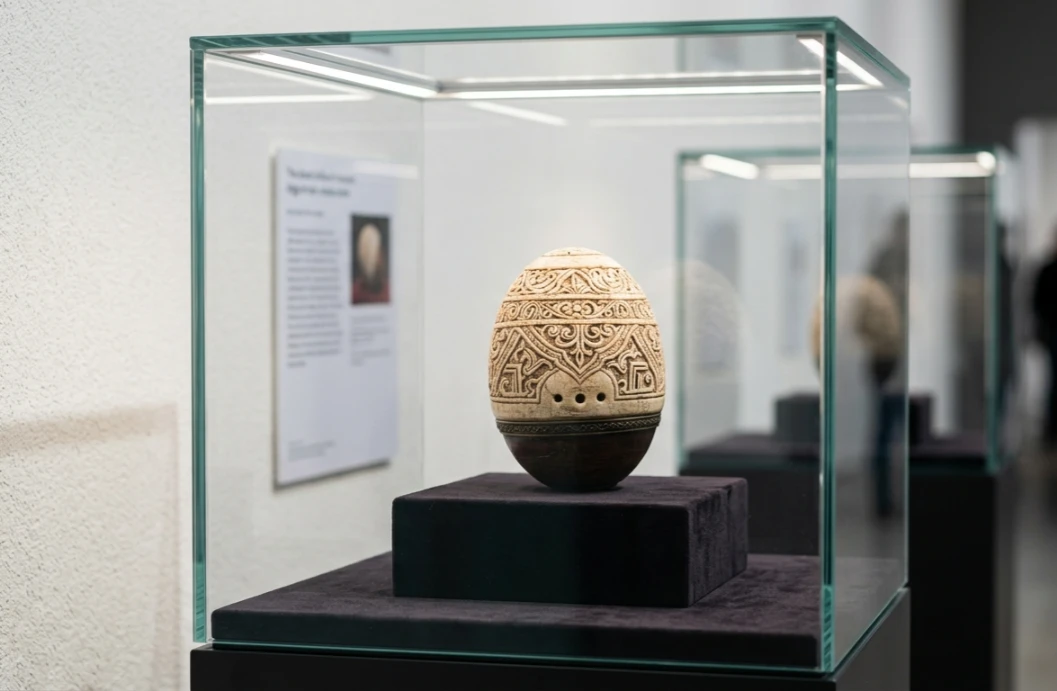
Whether that popularity was ever as widespread as the legend suggests is hard to say. Interestingly, a surviving object labeled a “vanvera” is displayed today at the Sex Machines Museum in Prague — a leather funnel attached to an inflatable bag, said to have been worn under skirts. Even museum curators admit they can’t confirm whether it’s a genuine period artifact or a novelty piece made for laughs.
That uncertainty runs through the entire Vanvera story. It’s the kind of history that survives more through repetition than through solid documentation — which doesn’t make it any less fun to imagine.
How Victorian London’s Poor Paid to Sleep Over a Rope

Whatever Happened to the Vanvera?
Eventually, the Vanvera vanished. As fashion moved away from voluminous skirts and social attitudes toward bodily functions loosened slightly, the need for such an elaborate solution faded with it.
Today, no confirmed original examples exist, and much of what’s written about the Vanvera blends genuine 19th-century etiquette history with internet-era embellishment. What’s left is more legend than artifact — a story that’s been retold, decorated, and passed along until the line between fact and folklore blurred completely.
Still, it’s hard not to smile at the idea. Anyone who’s sat through a crowded, stuffy commute on a bus or train might privately agree that Venice’s high society was onto something — even if their solution was a little over-engineered.
The Vanvera may never have been as common — or as real — as legend claims. But as a snapshot of just how far people will go to protect their dignity, it’s a story worth remembering.