
The Amazon Plane Crash Survival Story That Stunned the World
Four Indigenous children survived for 40 days in the Colombian Amazon after their plane crashed on May 1, 2023. Led by 13-year-old Lesly, the siblings used traditional Huitoto knowledge to find food and build shelters. While the adult passengers perished, the children remained alive until rescuers located them.
Colombia launched Operation Esperanza, a massive search involving military commandos and Indigenous trackers. Rescuers discovered the siblings on June 9, 2023, following a multi-week effort aided by a search dog. The children were hospitalized for malnutrition, eventually transitioning into state care while maintaining their cultural connections.
A single-engine plane vanished from radar over Colombia‘s Amazon rainforest on May 1, 2023. Nobody knew it yet, but that vanishing point would become the starting line for one of the most extraordinary survival stories of the decade.
For 40 days, an entire nation searched a jungle that eats grown men alive. Somewhere in that green maze were four children, the youngest barely a year old.
What happened to them — and how a 13-year-old girl kept her siblings breathing — is the kind of Amazon plane crash survival story that sounds too impossible to be true. But it is true, and it began with a routine flight that never landed.
A Routine Flight That Ended in Silence
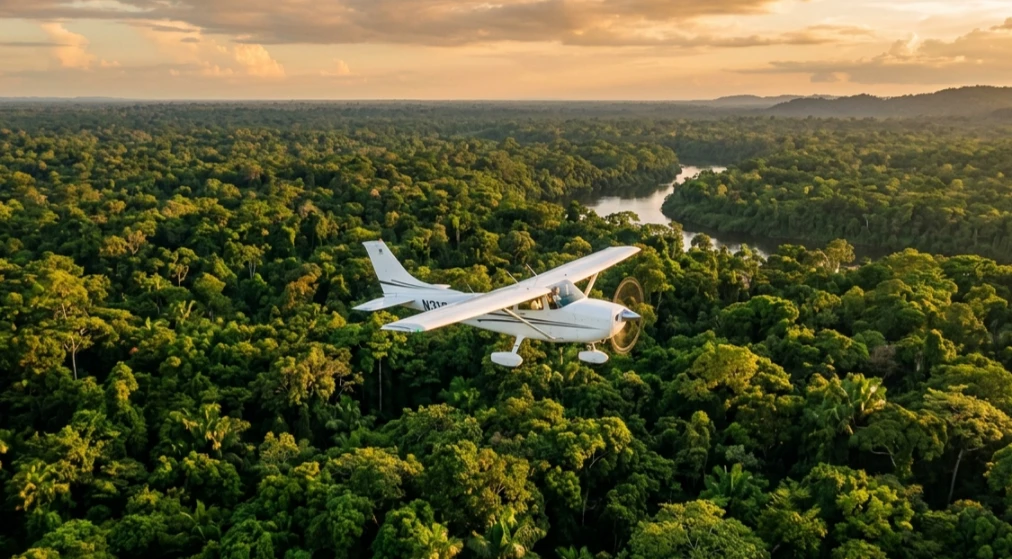
The Cessna 206 took off from Araracuara, bound for San José del Guaviare. Seven people were on board, including a mother and her four children.
Somewhere over the dense canopy, the engine failed. Pilot Hernando Murcia sent out a final mayday call. Then the radio went dead.
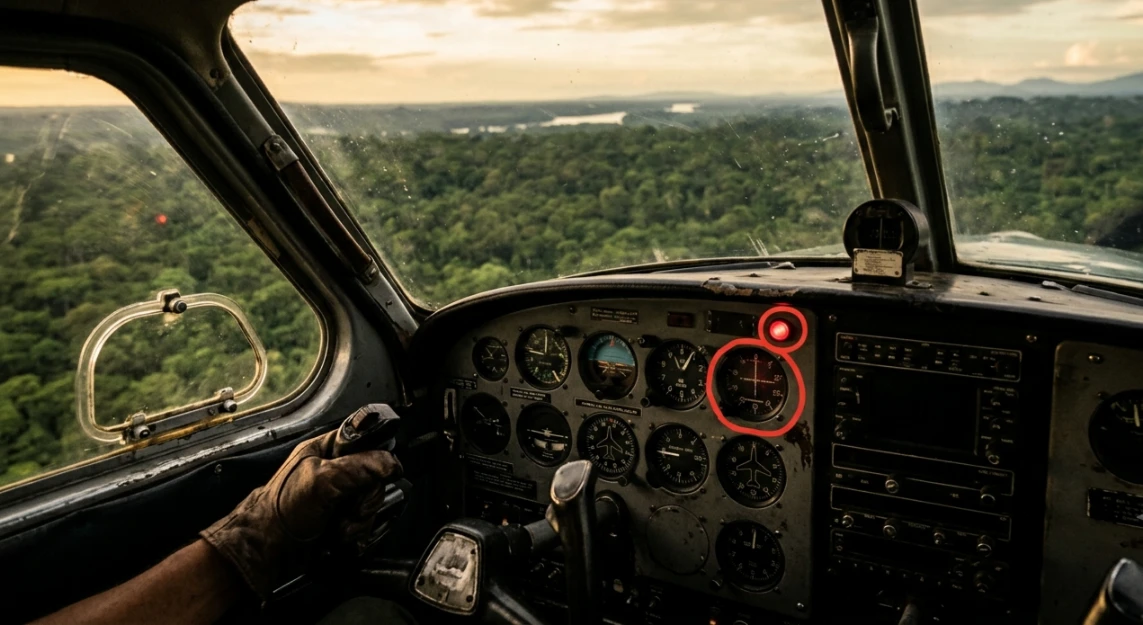
For two weeks, search teams found nothing. Because of the thickness of the jungle canopy, even low-flying aircraft could not spot the wreckage from above.
A Chilling Discovery in the Wreckage
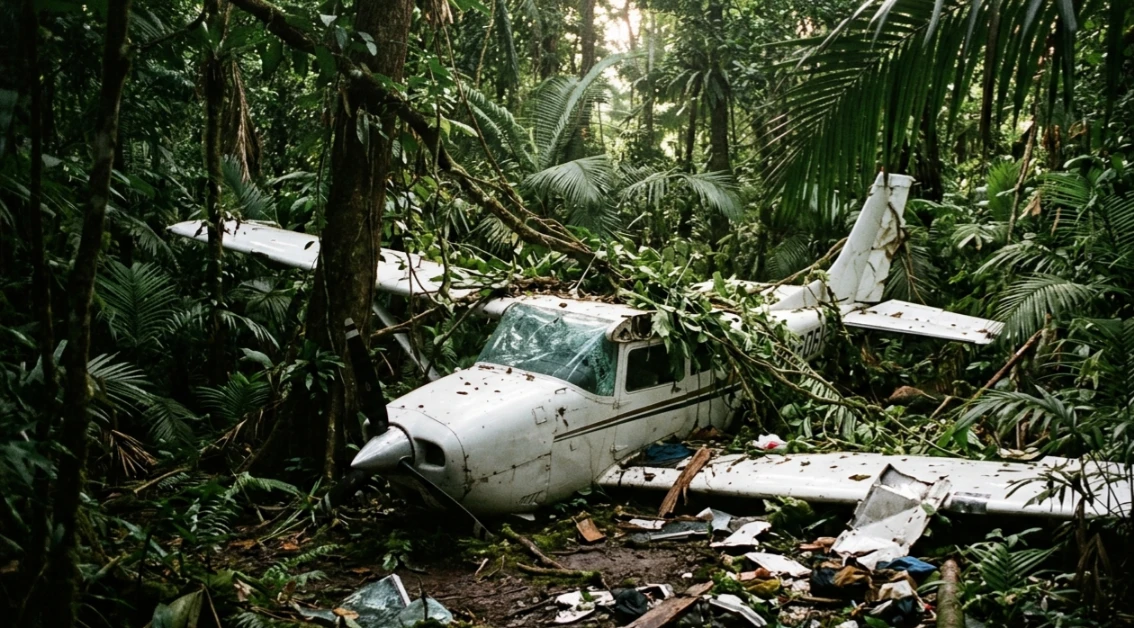
On May 15, rescuers finally located the crash site. The pilot and two other adult passengers, along with the children’s mother, Magdalena Mucutuy, had not survived.
However, the four children were nowhere to be found among the debris. Somehow, they had walked away from the wreckage alive.
Investigators later pieced together a devastating detail. Magdalena had survived the crash with severe injuries and stayed conscious for four days before she died. In that time, she reportedly gave her eldest daughter, Lesly, one final instruction: get out, and protect your brothers and sister.

The Girl Who Carried Her Siblings to Safety
Lesly was 13. Her siblings were Soleiny, 9, Tien Noriel, 4, and baby Cristin, just 11 months old. All four belonged to the Indigenous Huitoto community, and that heritage turned out to matter enormously.
Lesly had grown up listening to her grandmother’s stories about the forest. She knew, in a way most adults never would, which plants meant food and which meant danger.
From the crash site, she gathered farina — a coarse cassava flour the family had been carrying — along with bottled water. Once those ran out, she turned to what the jungle itself offered.
What Kept Them Alive
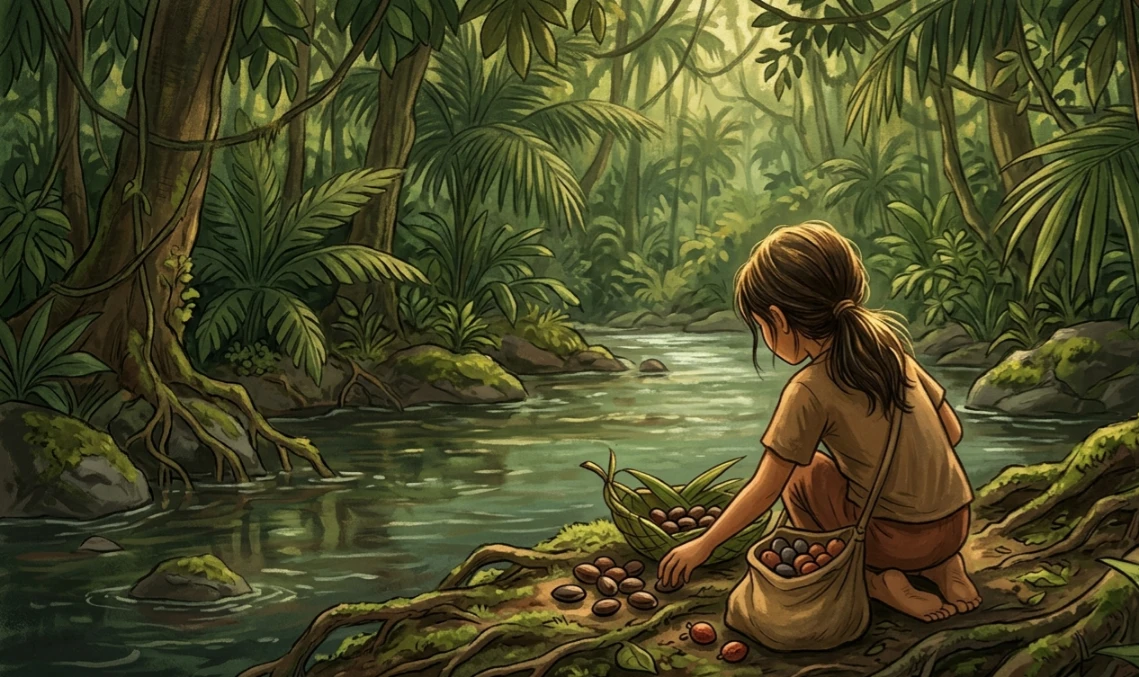
Lesly foraged raw palm seeds and a wild fruit called uvillas (wild grapes native to the region). She knew which leaves collected clean rainwater safe enough to drink.
Because the group faced relentless tropical downpours and pitch-black nights, Lesly built makeshift shelters. She used hair ties, soft tree bark, and broad leaves to rig up cover wherever they stopped.
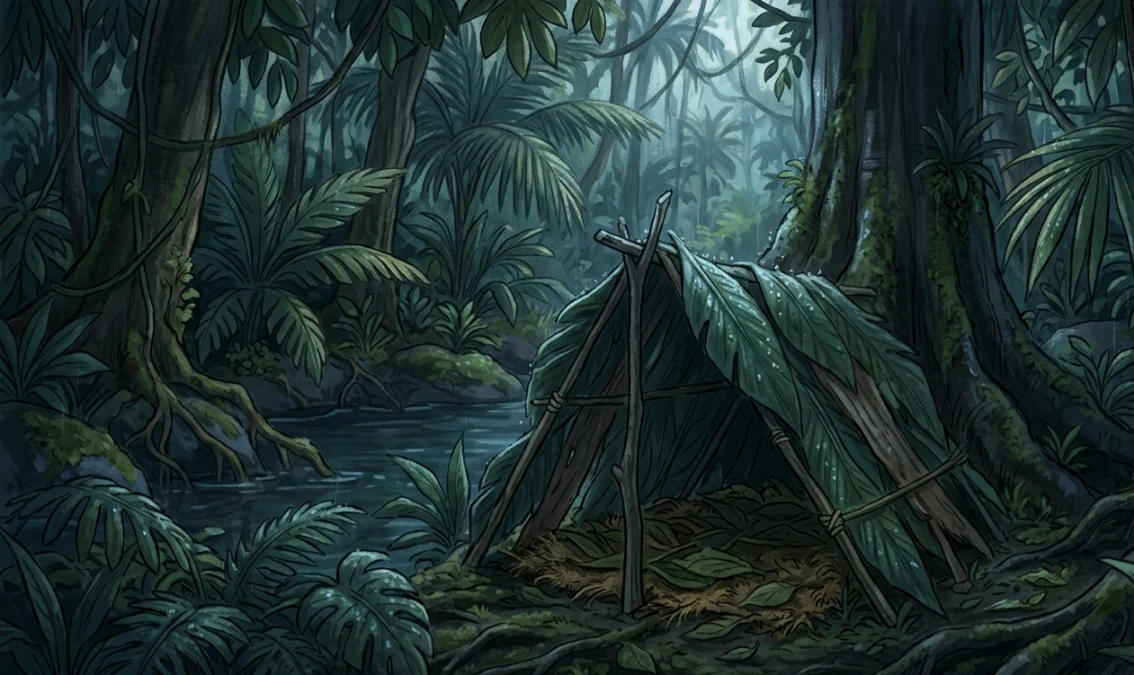
The heaviest burden fell on her shoulders in the most literal sense: caring for Cristin, who turned one year old while still lost in the jungle. Lesly washed the baby’s face with stream water, kept her pressed close to shield her from insect bites, and layered leaves into a makeshift bed to keep her off the damp, dangerous ground.
Operation Esperanza: Colombia’s Massive Search
As word spread that the children might still be alive, Colombia launched Operation Esperanza — Spanish for “Hope.” More than 150 trained commandos and roughly 80 Indigenous trackers moved into the jungle together.
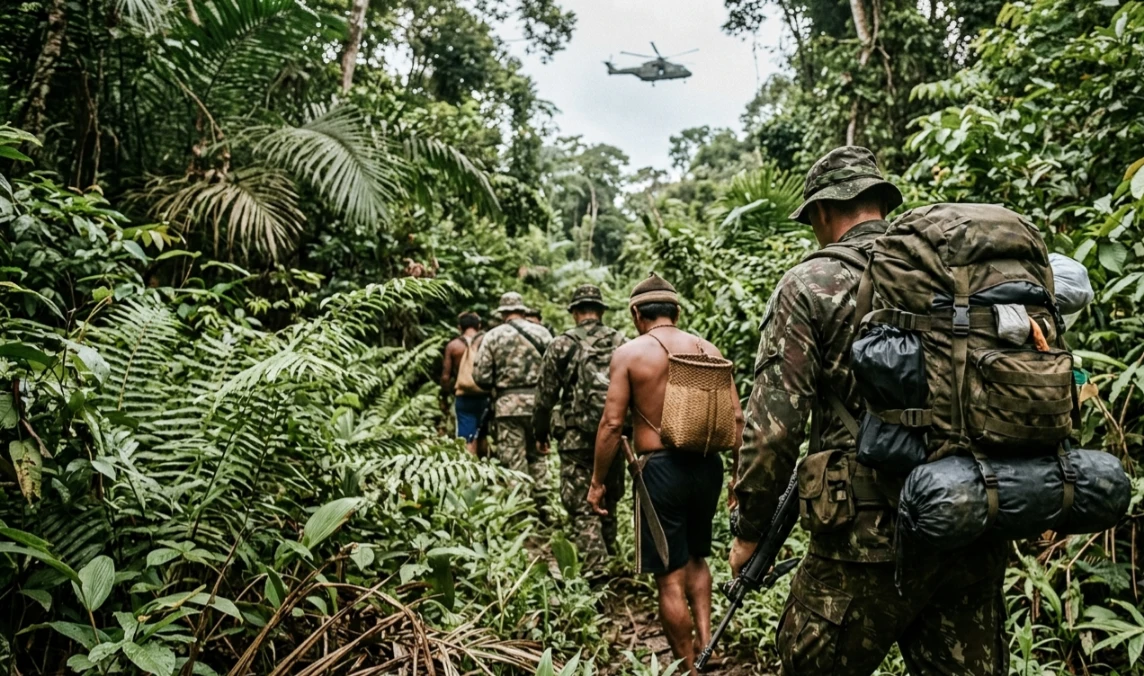
Helicopters dropped thousands of food parcels, whistles, and lamps into the canopy. Loudspeakers broadcast a recorded message from the children’s grandmother, pleading in the Witoto language for them to stay in one place until help arrived.
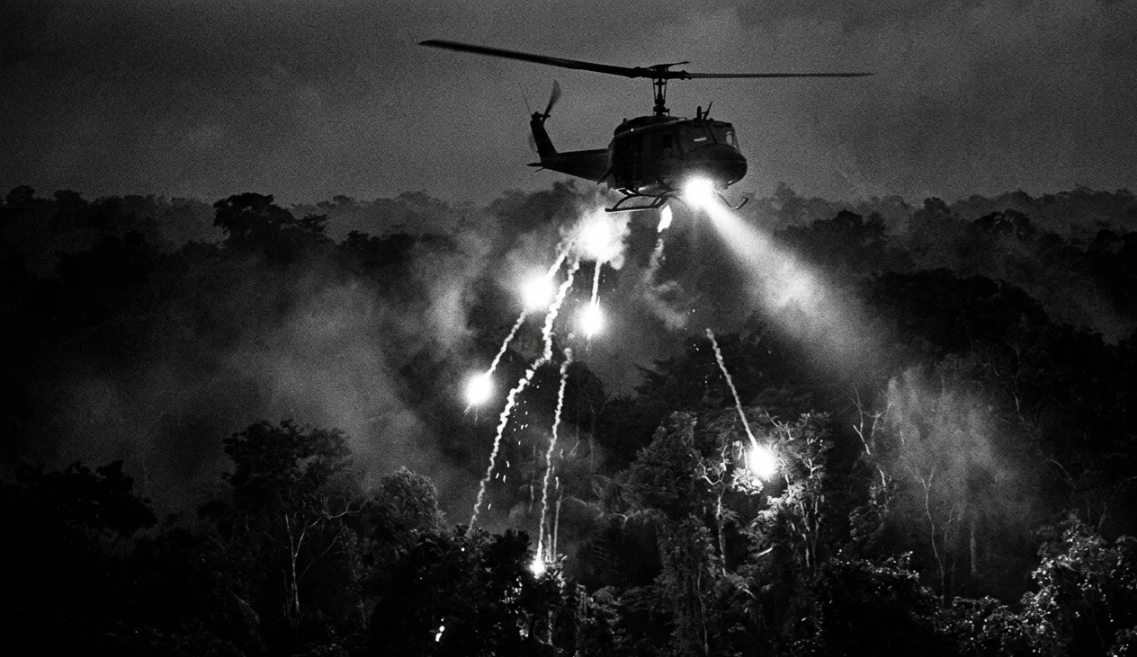
Because the terrain was so unforgiving, the search stretched across hundreds of miles and dragged on for weeks with no confirmed sign of the children — only scattered clues: footprints, a makeshift shelter, a child’s bottle.
Wilson: The Rescue Dog Who Became a National Hero
One of the operation’s most memorable figures wasn’t human at all. Wilson, a Belgian Malinois trained for military search work, picked up the children’s scent and helped guide trackers toward their path.
Wilson reportedly stayed near the children for a stretch of their ordeal, effectively standing guard over them in the wild. Then, on May 18, he raced off after a scent and never returned to his handlers.
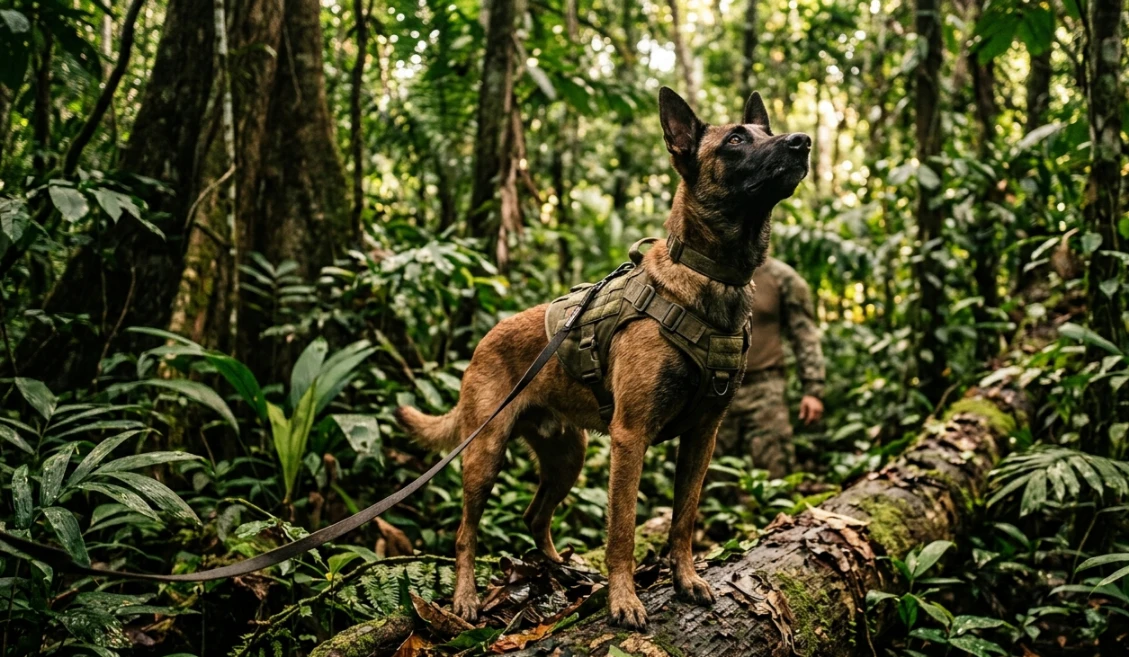
The Colombian army kept dozens of soldiers in the jungle for weeks afterward, searching specifically for Wilson even after the children were found. Despite the extended effort, he was never recovered, and he was later awarded a medal in absentia for his role in the rescue.
Found After 40 Days: The Amazon Plane Crash Survival Story Reaches Its Miracle Ending
On June 9, 2023, Indigenous volunteers found the four children near a small thicket of bushes. Over military radio, the rescue team repeated a single code word four times: “Milagro, milagro, milagro, milagro” — miracle, meaning all four children were alive.
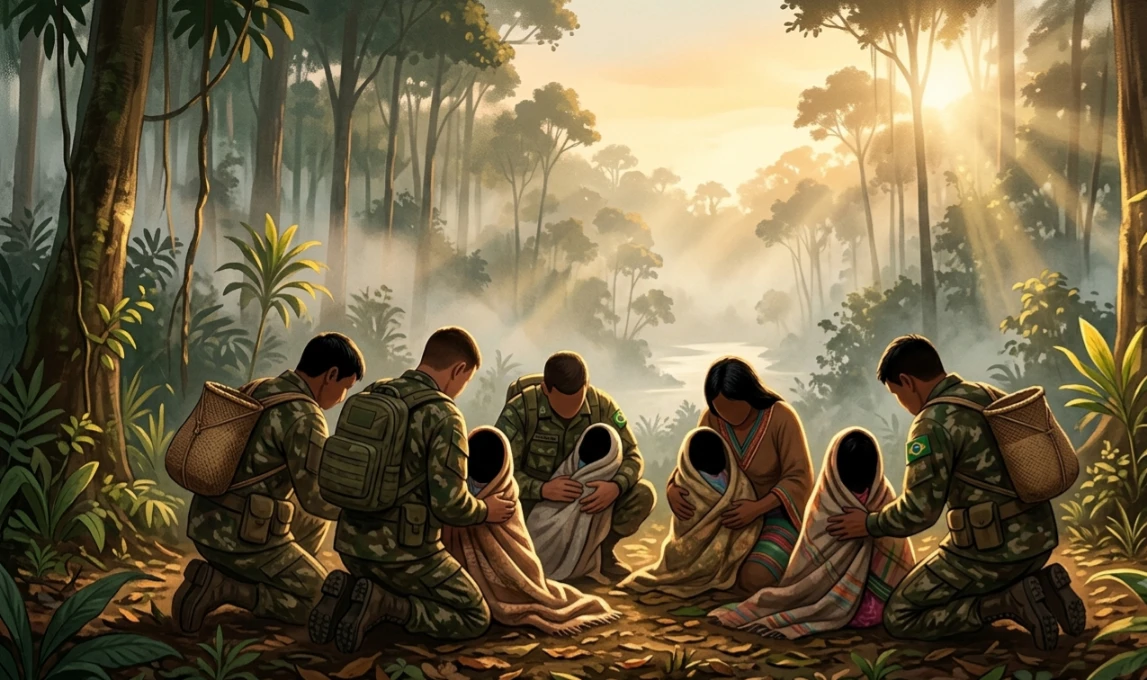
The news broke across Colombia and then the world. As a result, the story that had gripped a nation for 40 days finally had the ending everyone had been praying for.
Four-year-old Tien Noriel, weak from hunger and thirst, spoke first: “My mother is dead.” Lesly, still holding her baby sister close, said only, “We are hungry.”
Inside the Ghotki Train Accident: Heroes Without Uniforms
A Story of Indigenous Wisdom and a Sister’s Sacrifice
This Amazon plane crash survival story is not simply an account of surviving an accident. It is a testament to Indigenous knowledge passed down through generations, to a 13-year-old who became a mother figure overnight, and to a rainforest that, for all its danger, sheltered its own.
The children were flown to Bogotá for treatment, malnourished but without major injuries. In the months that followed, Colombia’s child welfare institute took them into state care, working to keep them connected to their Huitoto heritage while their long-term custody was decided.
What Lesly did in those 40 days will likely be remembered in Colombia for generations: a girl who turned inherited forest knowledge into an unbreakable will to keep her family alive, one leaf-covered night at a time.