
Did Alexander the Great Die Awake and Paralyzed?
Alexander the Great died in Babylon in 323 BC following sudden paralysis and a fever. His body famously showed no signs of decay for six days, leading his followers to believe he was divine. This phenomenon remained a historical mystery for over two thousand years.
Modern medical historians suggest Alexander suffered from Guillain-Barre syndrome, a condition causing total paralysis while maintaining consciousness. This likely resulted in a misdiagnosis of death, known as pseudothanatos. Consequently, the legendary conqueror may have been alive and aware during his own funeral preparations.
Babylon, June 323 BC. A king lies dying in a palace built for gods, not mortals.
Eleven days earlier, he had been drinking wine long into the night. Now he can’t move. He can’t speak. Soon, an empire will watch as the greatest conqueror the ancient world had ever known simply stops.
But here’s the strange part. When Alexander the Great‘s death was finally declared, his body did something that should have been impossible.
It didn’t rot.
Not for six days. Not in the punishing heat of a Mesopotamian summer. His followers took this as final proof: Alexander wasn’t just a king. He was a god.
Modern medicine tells a very different story — one far more disturbing than divinity. This is the Alexander the Great death mystery that historians and doctors are still piecing together, more than two thousand years later.
A Night of Wine Turns Into a Nightmare
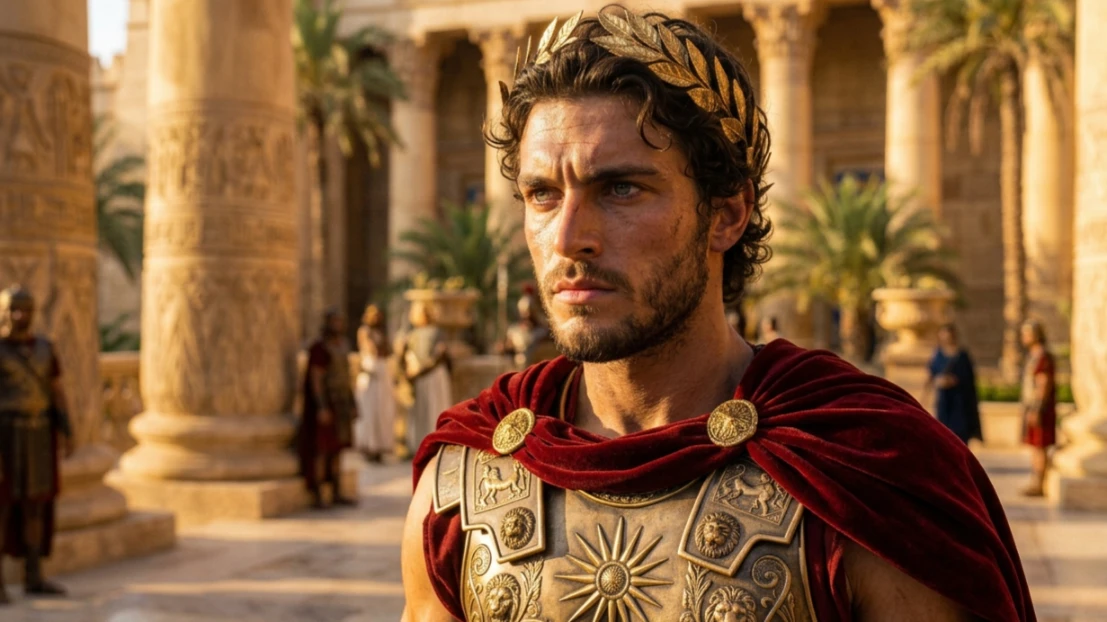
Alexander had just returned to Babylon after years of relentless campaigning. He was 32 years old, ruler of an empire stretching from Greece to India.
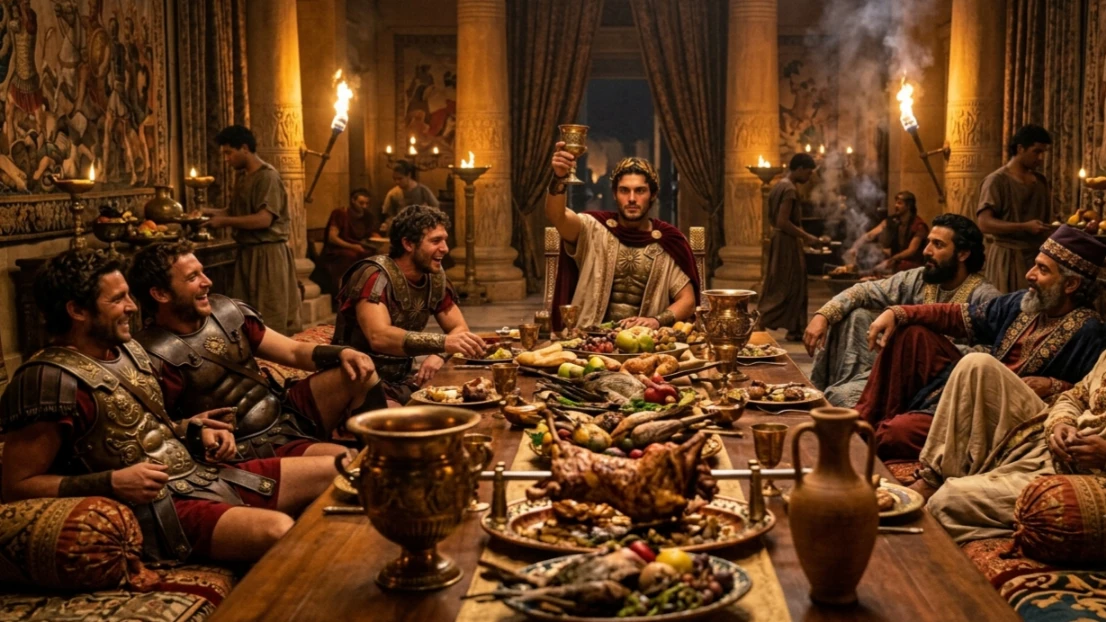
Then came the banquet.
Ancient writers describe a night of heavy drinking in the royal palace. By the next morning, something was badly wrong.
Fever set in first. Joint pain followed, sharp enough that Alexander could barely stand. Within days, a strange paralysis began creeping through his body.
Eleven Days of Growing Horror
What followed was agonizing to watch.
Day by day, Alexander lost more control over his own body. The paralysis spread upward. His strength failed. Eventually, he lost even the ability to speak.
His generals and soldiers filed past his bed, desperate for one final word from the man who had led them across continents. He could no longer give one.
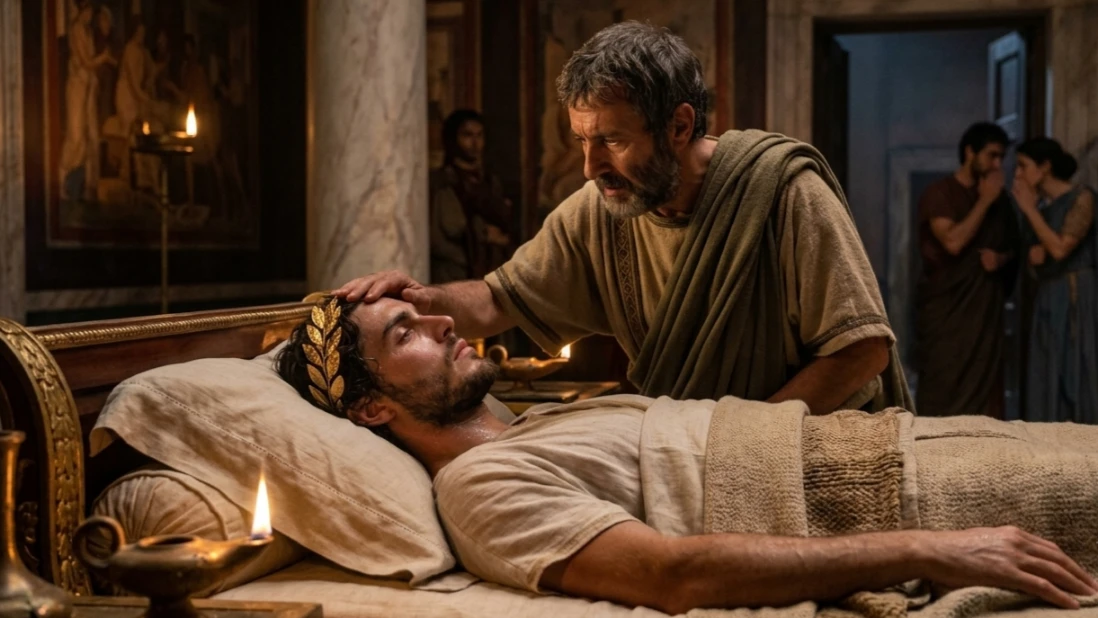
By the eleventh day, physicians pronounced him dead. He was 32 years old.

The Body That Refused to Decay
Here’s where the story takes its strangest turn.
Ancient accounts insist that even six days after Alexander died, his body showed no visible signs of decomposition — despite the brutal summer heat of Babylon.
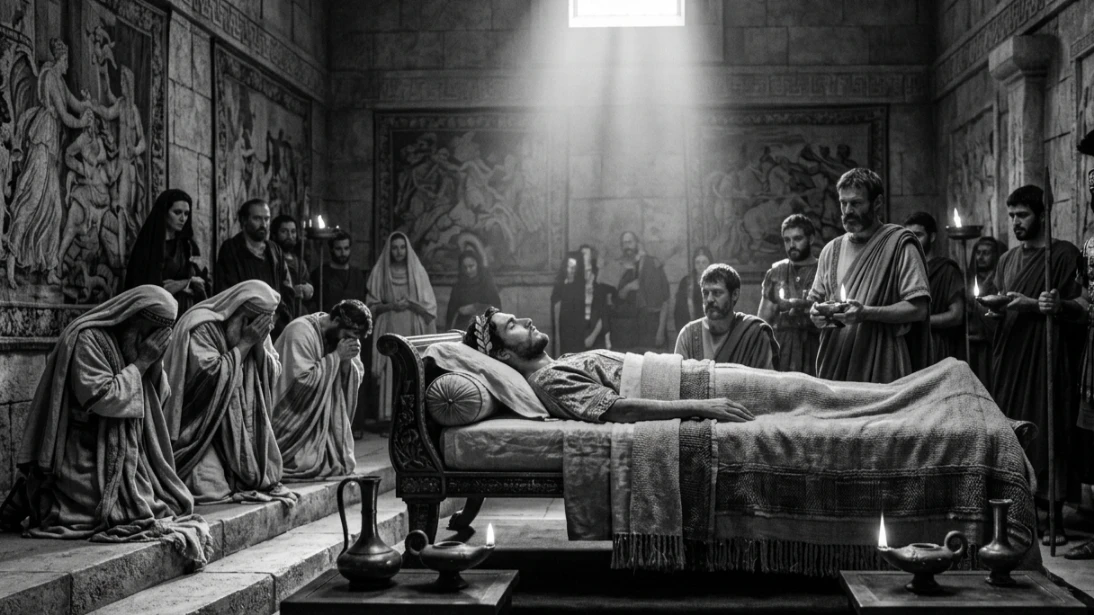
For a world that buried its dead within a day or two precisely because bodies decayed fast, this was extraordinary. To witnesses, it looked supernatural.
The conclusion seemed obvious at the time. A body that didn’t rot couldn’t belong to an ordinary man. Alexander, they decided, must have been divine all along — a living god whose flesh was simply immune to death’s usual rules.
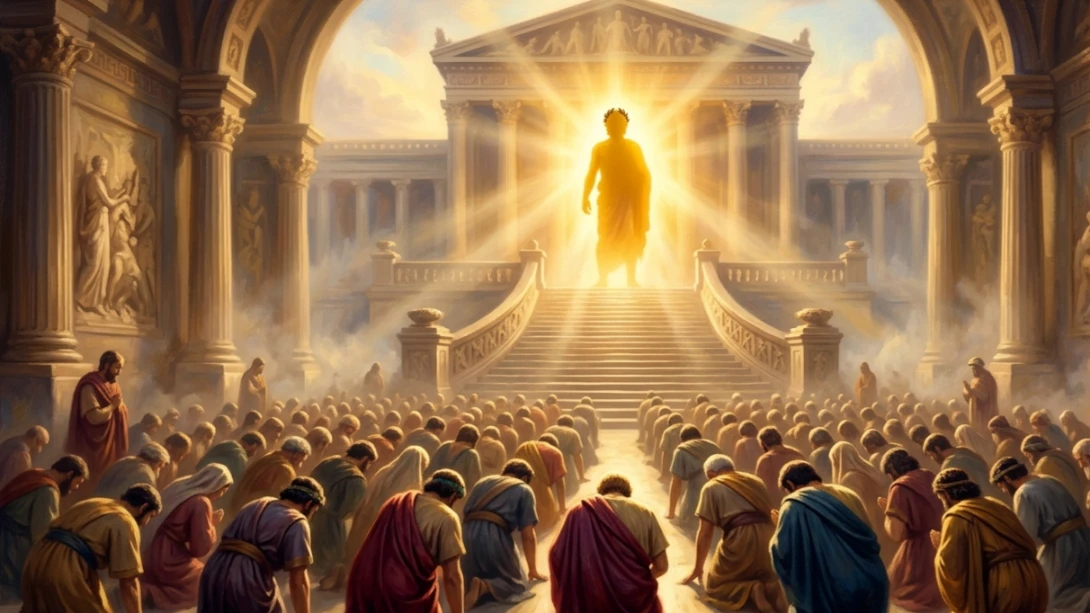
The legend spread. It outlived the empire itself.
Modern Medicine Revisits the Alexander the Great Death Mystery
More than two thousand years later, researchers are still drawn to this case. Their explanation, however, has nothing to do with divinity.
Medical historians, including Dr. Katherine Hall of New Zealand’s University of Otago, have proposed that Alexander suffered from Guillain-Barré syndrome (GBS) — an autoimmune neurological disorder often triggered by a gut infection, commonly Campylobacter jejuni.
It’s a theory that fits the ancient symptoms with unsettling precision.
What Guillain-Barré Syndrome Actually Does
GBS attacks the nervous system. The immune system, confused after fighting off an infection, mistakenly turns on the body’s own nerves.
As a result, paralysis moves upward through the body. It typically starts in the legs and climbs higher, shutting down muscle control section by section.
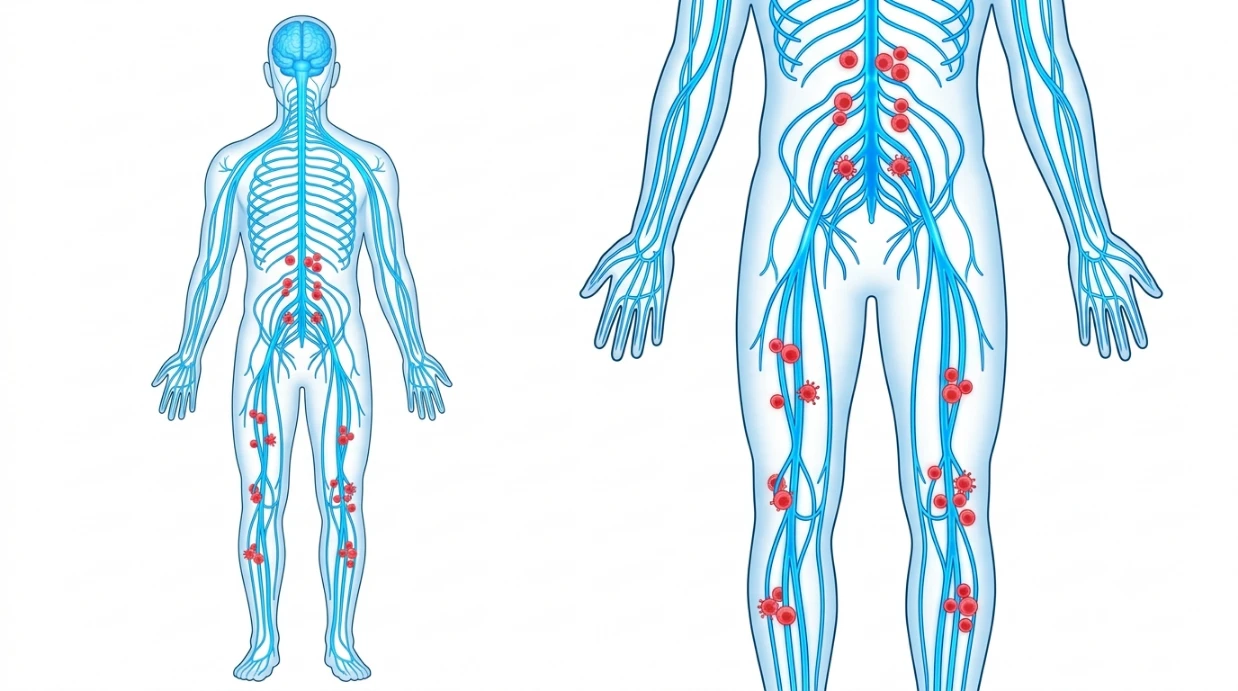
Here’s the critical detail: while the body shuts down, the mind often stays fully alert. In severe cases, cognitive function survives completely intact even as physical control disappears.
In other words, a person with advanced GBS can be entirely aware — and utterly unable to move, speak, or signal for help. Doctors call this rare state pseudothanatos, or false death.

Trapped Inside a Dying Body
This is where Alexander’s story turns genuinely disturbing.
As paralysis climbed higher, it would have eventually reached his diaphragm — the muscle that controls breathing. His breaths would have grown shallow and faint, almost impossible to detect.

Ancient physicians had no instruments capable of measuring a weak pulse or a barely-moving chest. In their world, breath was the main sign of life. If breathing looked absent, death seemed certain.
Because of this, the physicians attending Alexander may have made a fatal misjudgment.
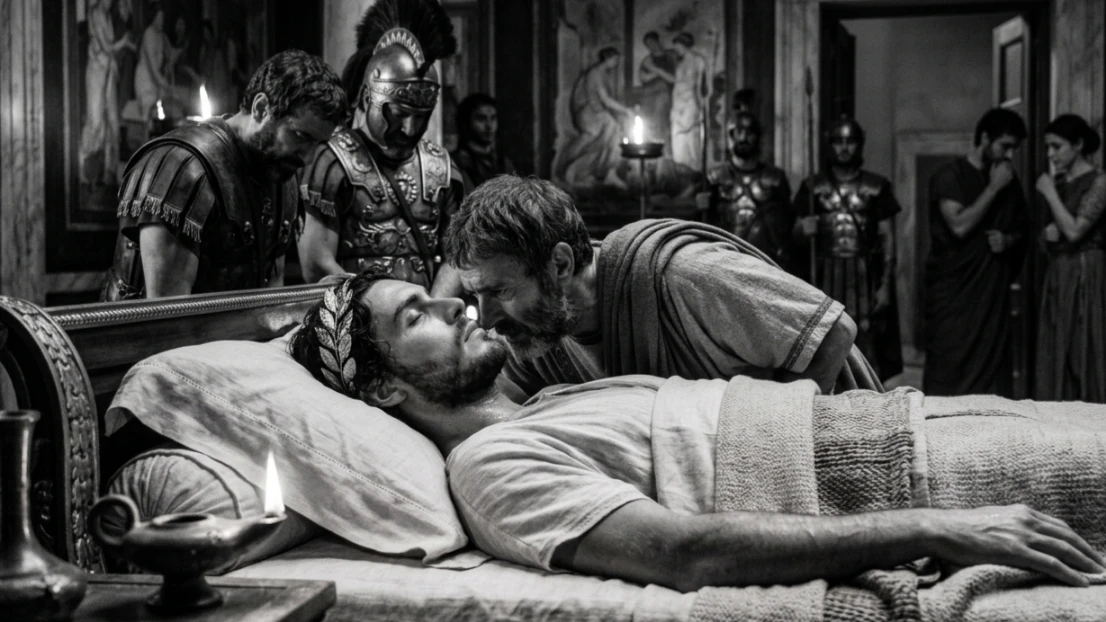
Severe GBS can also disrupt the body’s normal biological rhythms, slowing bodily functions to a near standstill. If Alexander were still technically alive during those six days, his body simply hadn’t begun the process of decomposition yet — because true death hadn’t actually occurred.
What looked like a miracle of preservation may really have been a body clinging to life, mistaken for a corpse.
Was Alexander the Great Buried Alive?
This is the question that still haunts historians today.
If the paralysis theory holds, Alexander may have remained conscious — trapped, aware, and unable to signal anyone — at the exact moment his physicians declared him dead.
From there, two grim possibilities emerge. He may have suffocated once the paralysis fully reached his respiratory muscles. Or, more disturbing still, his body may have been prepared for burial while he was technically still alive.
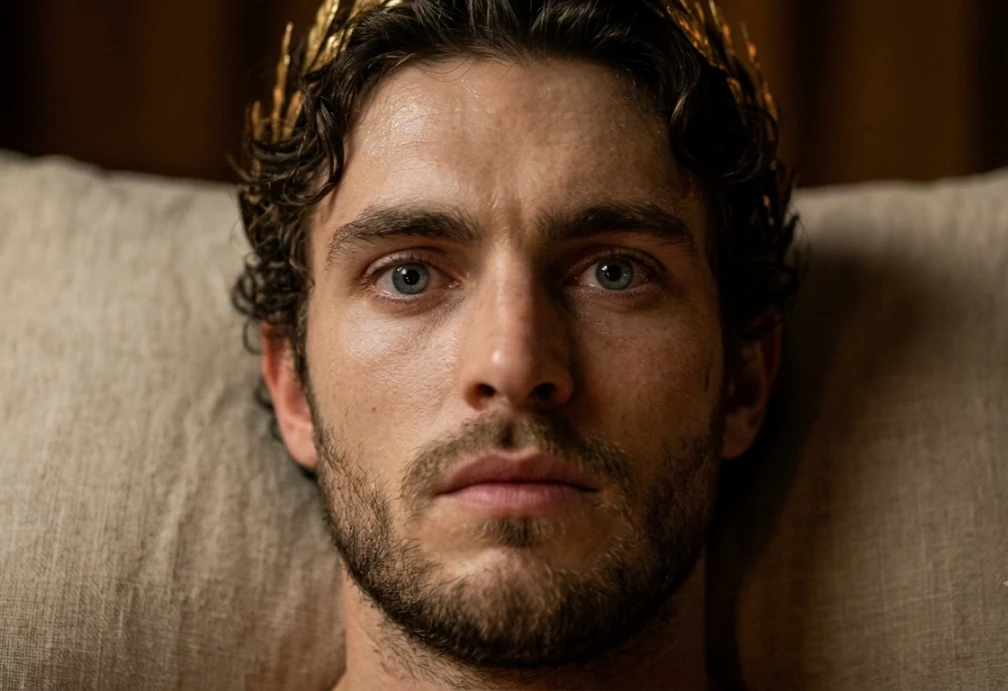
Either way, the “miracle” his followers celebrated may have been a medical tragedy playing out in plain sight, mistaken for the mark of a god.
Conclusion: A Legend Built on a Misunderstanding
The Alexander the Great death mystery reminds us how easily ancient peoples turned unexplained science into myth.
What looked like divine preservation may really have been the quiet, terrifying signature of a nervous system shutting down while the mind stayed switched on.
Alexander conquered most of the known world in his short life. In the end, though, it may not have been a battlefield that defeated him — but a bacterium, a misdiagnosis, and eleven days trapped inside his own failing body.
Sometimes history’s greatest legends hide its most human tragedies.
Xerxes I — The Persian King Misjudged by Hollywood