
The Ganga Hijacking: India’s False Flag That Split Pakistan
The 1971 hijacking of the Indian Airlines aircraft Ganga to Lahore served as a strategic intelligence operation orchestrated by India. Although presented as a Kashmiri resistance act, the incident involved an Indian asset using toy weapons. The event provided India a legal pretext to close its airspace to Pakistani flights.
This closure isolated East Pakistan from West Pakistani military reinforcements during a critical period of internal unrest. The resulting logistical breakdown significantly hindered Pakistan’s defensive capabilities. Ultimately, the maneuver played a decisive role in the separation of East Pakistan and the subsequent establishment of Bangladesh in December 1971.
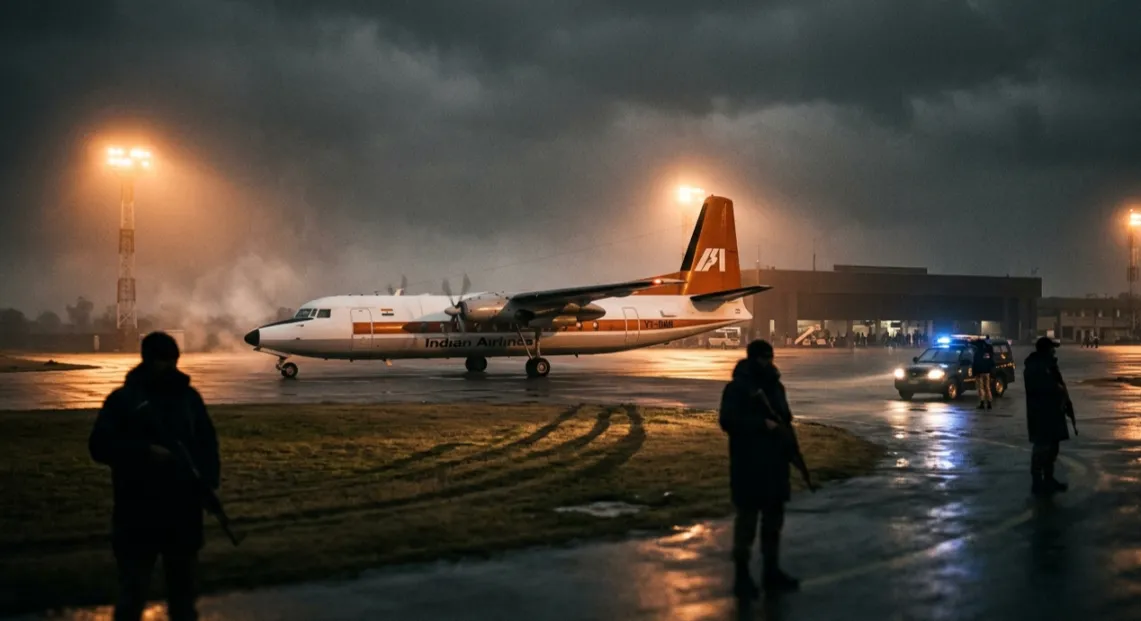
On January 30, 1971, an Indian Airlines aircraft landed on Pakistani soil — and set in motion a chain of events that would help tear a nation in two.
The plane was called Ganga. Its arrival in Lahore was greeted with celebration in the streets. People poured out of their homes, chanting slogans in support of Kashmiri freedom fighters. To ordinary Pakistanis, it felt like a triumph.
It was anything but.
What looked like a bold act of resistance was, in reality, one of the most sophisticated intelligence operations of the Cold War era — a carefully engineered trap, and Pakistan walked straight into it.
The Hijacking That Shook the Subcontinent
The two men who seized control of the Ganga were Hashim Qureshi and Ashraf Qureshi — cousins from Occupied Kashmir who claimed membership in the National Liberation Front. This organization would later become the Jammu and Kashmir Liberation Front (JKLF).
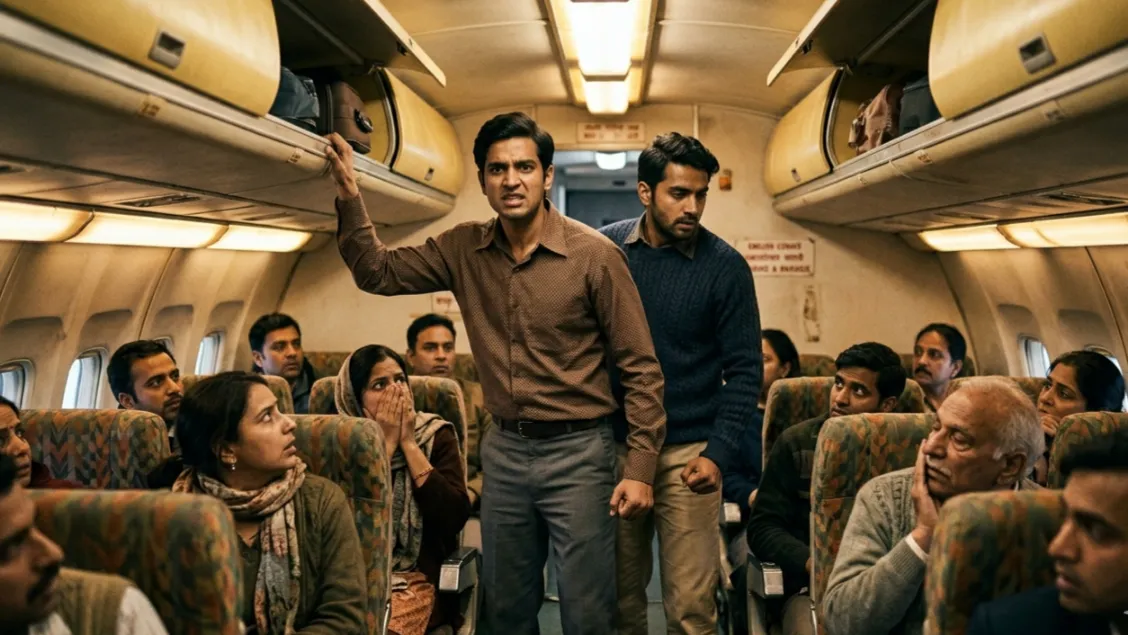
They boarded the Fokker aircraft on a flight originating in Srinagar, brandishing what appeared to be weapons, and demanded that the plane be redirected to Lahore. Pakistani authorities allowed it to land.
For three days, the Ganga sat on the Lahore Airport runway while the world watched.
All passengers and crew were safely evacuated to hotels. They were later escorted to India through the Wagah border crossing without harm. The situation appeared, at least on the surface, to be resolving peacefully.
Then came February 2, 1971.
The Plane Goes Up in Flames
In full view of Pakistani security forces and international cameras, Hashim and Ashraf Qureshi set the aircraft on fire.
The Ganga burned to ash on the runway. Pakistan stood and watched.
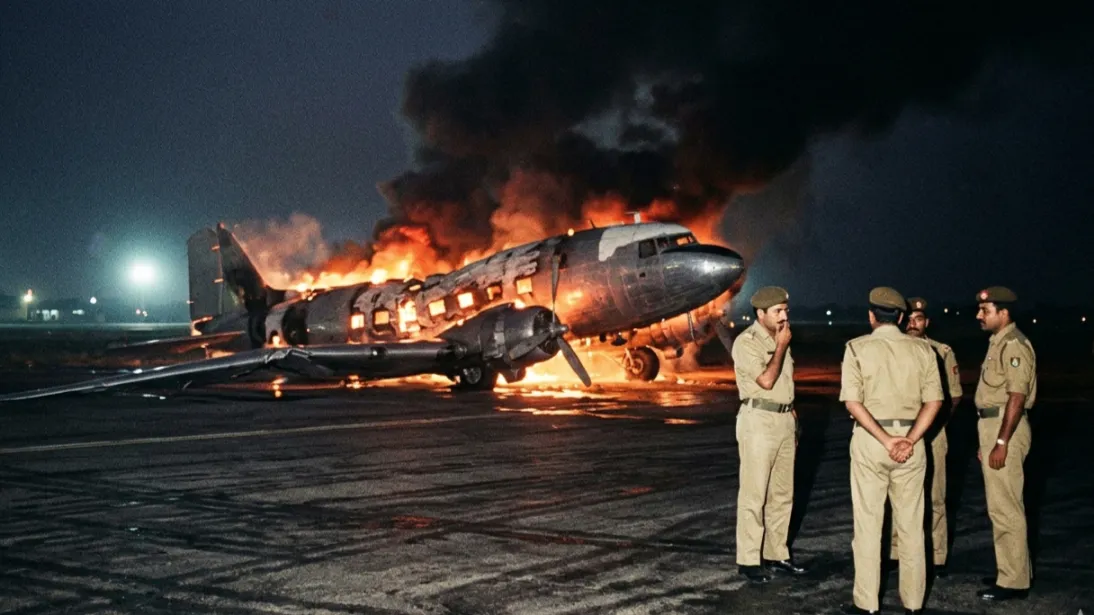
That single image — the flaming wreckage of an Indian passenger aircraft on Pakistani soil — would be weaponized in ways that few could have anticipated at the time.
Meanwhile, a political figure had already made the situation dramatically worse.
Bhutto at the Airport
Zulfikar Ali Bhutto, the most popular political leader in West Pakistan at the time, had just returned to Lahore after failed negotiations with Sheikh Mujibur Rahman in East Pakistan.
When he heard about the hijacking, he went directly to Lahore Airport.
He stepped onto the runway, shook hands with the hijackers, and publicly commended their actions, describing them as a display of Kashmiri courage and the spirit of liberation.
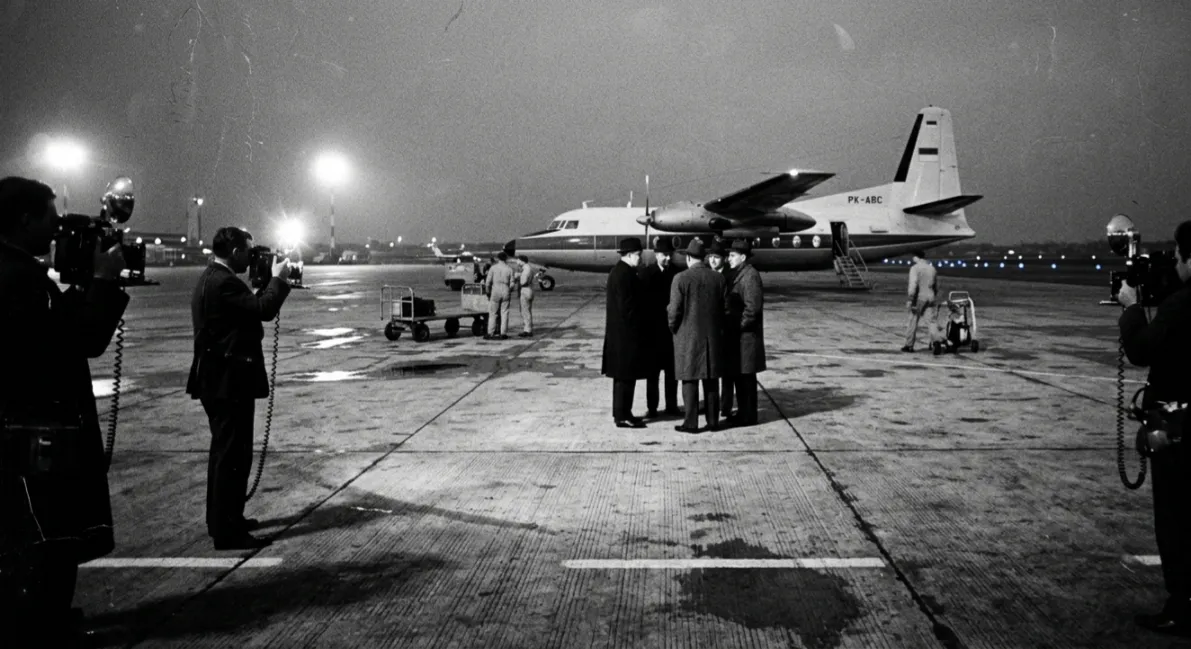
Photographers captured everything.
Those images traveled across international wire services overnight. India had exactly what it needed.
The Layers Begin to Unravel
In the weeks and months that followed, a deeply unsettling truth began to emerge.
The Ganga was not a random aircraft chosen by freedom fighters acting on impulse. It was the oldest, most worn-out plane in the Indian Airlines fleet — grounded for years before the hijacking. Just days before January 30, it was quietly returned to service on the Srinagar route.
That detail alone raised serious questions.
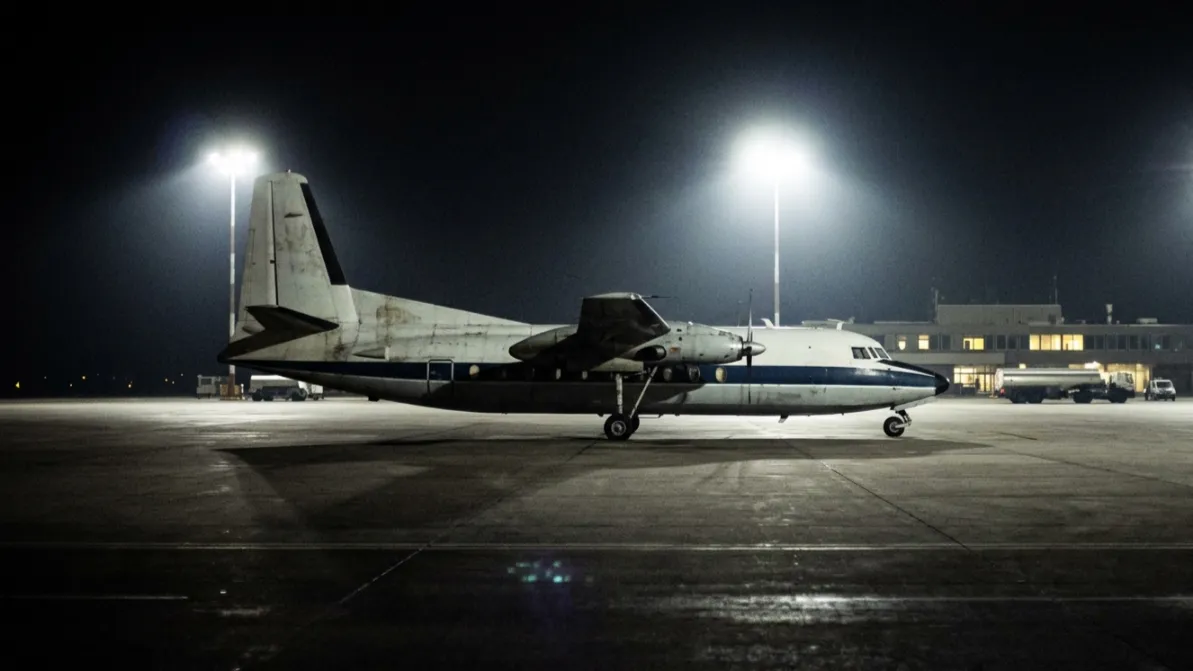
Then came the revelation that stopped investigators cold: the hijackers had boarded the flight carrying no real weapons. Hashim Qureshi had a wooden toy grenade. Ashraf carried a plastic toy pistol. Indian airport security inexplicably waved them through without a proper search.
And then the most explosive disclosure of all: Hashim Qureshi was not a freedom fighter. He was an employee of India’s Border Security Force (BSF) — and had been secretly working as an asset for Indian intelligence.
The entire hijacking had been orchestrated.
RAW’s Masterstroke: The False Flag Operation
The architect behind this operation was Rameshwar Nath Kao, the founding director of India’s foreign intelligence agency, RAW (Research and Analysis Wing).
The goals of the operation were precise and coldly calculated:
- Discredit the Kashmiri liberation movement by associating it with terrorism and aircraft destruction
- Provide India with legal justification to close its airspace to Pakistan
- Isolate East Pakistan from military and logistical support from the West
- Damage Pakistan’s international standing at a moment when East Pakistan was already on the verge of crisis
Every detail had been thought through: the disposable aircraft, the toy weapons ensuring the hijackers couldn’t accidentally harm anyone, Bhutto’s predictable political instincts, and the international cameras already set up on the runway.
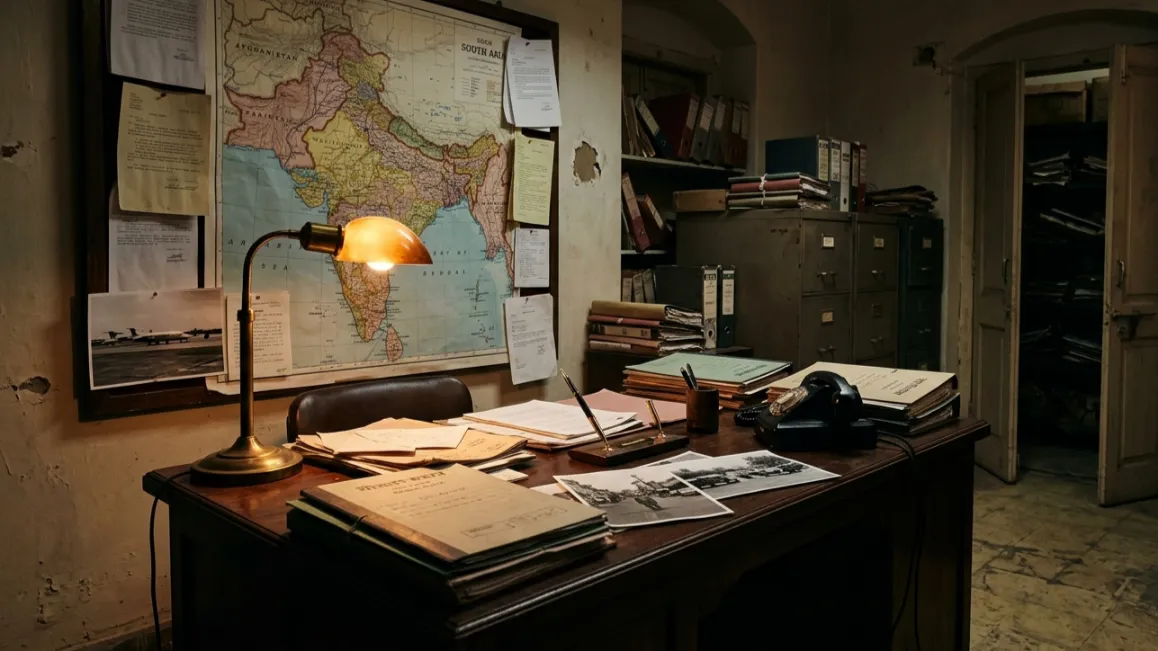
It was not a hijacking. It was a theater with Pakistan as the unwitting lead actor.
Pakistan’s Inquiry Commission Exposes the Truth
By May 1971, the Pakistani government established the Justice Noor ul Arifeen Inquiry Commission to investigate the full circumstances of the Ganga incident.
The commission’s findings were damning.
It officially declared the hijacking to be a deliberate Indian conspiracy, revealing Hashim Qureshi’s links to RAW. It detailed how each stage of the operation had been facilitated by the Indian side, from the security lapse at the airport to the selection of the aircraft.
The commission also delivered a direct rebuke of Bhutto’s conduct — stating plainly that his airport visit and public statements had been severely damaging to Pakistan’s national interest.
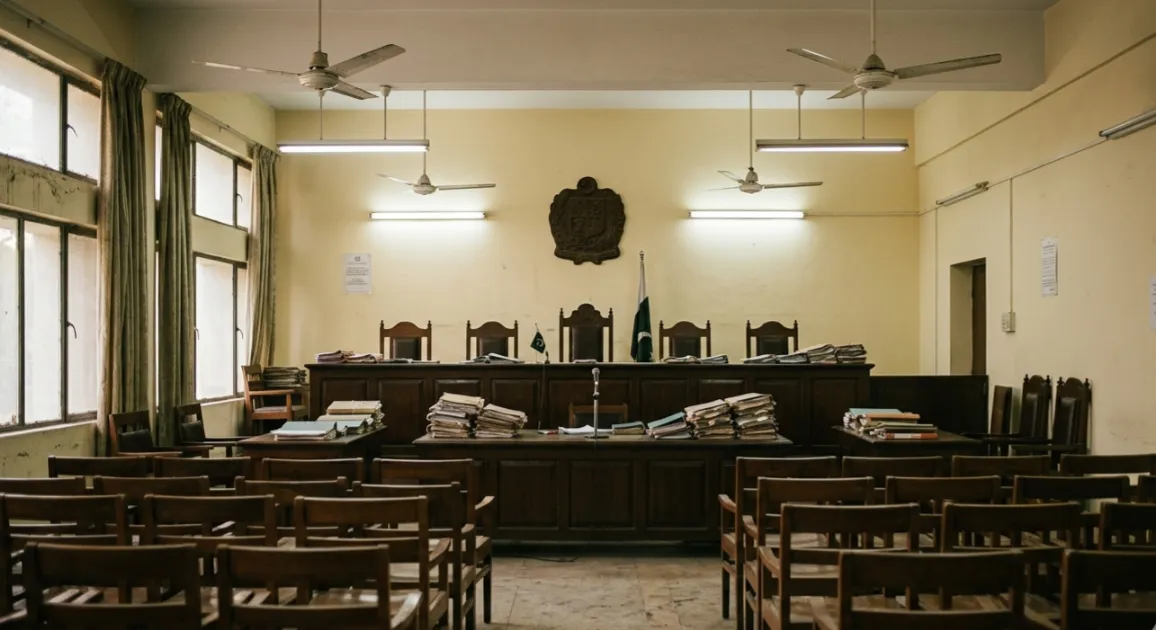
Hashim Qureshi was arrested and sentenced to 19 years in prison by a special court on charges of treason and espionage. He served approximately nine years before his release. He later moved to the Netherlands, and in a twist that added another layer of mystery to this story, he returned to Occupied Kashmir around the year 2000, where he reportedly lives to this day.
Ashraf Qureshi received a lighter sentence and was released earlier.
The Real Cost: A Nation Divided
The destruction of the Ganga handed India precisely the pretext it had engineered.
Within days, India completely closed its airspace to Pakistan International Airlines (PIA) and the Pakistani Air Force.
This was February 1971 — a moment of acute crisis. East Pakistan was already a powder keg. The Pakistani military desperately needed to move troops, weapons, supplies, and reinforcements to Dhaka.
With Indian airspace closed, Pakistani aircraft now had to travel through Sri Lanka, adding thousands of kilometers to every flight. Direct communication between West and East Pakistan was effectively severed.
East Pakistan was left militarily isolated.
As a result, when the situation deteriorated further — and it deteriorated rapidly — Pakistan could not respond in time. The logistical lifeline had been cut. Reinforcements could not arrive. Fresh supplies could not flow.
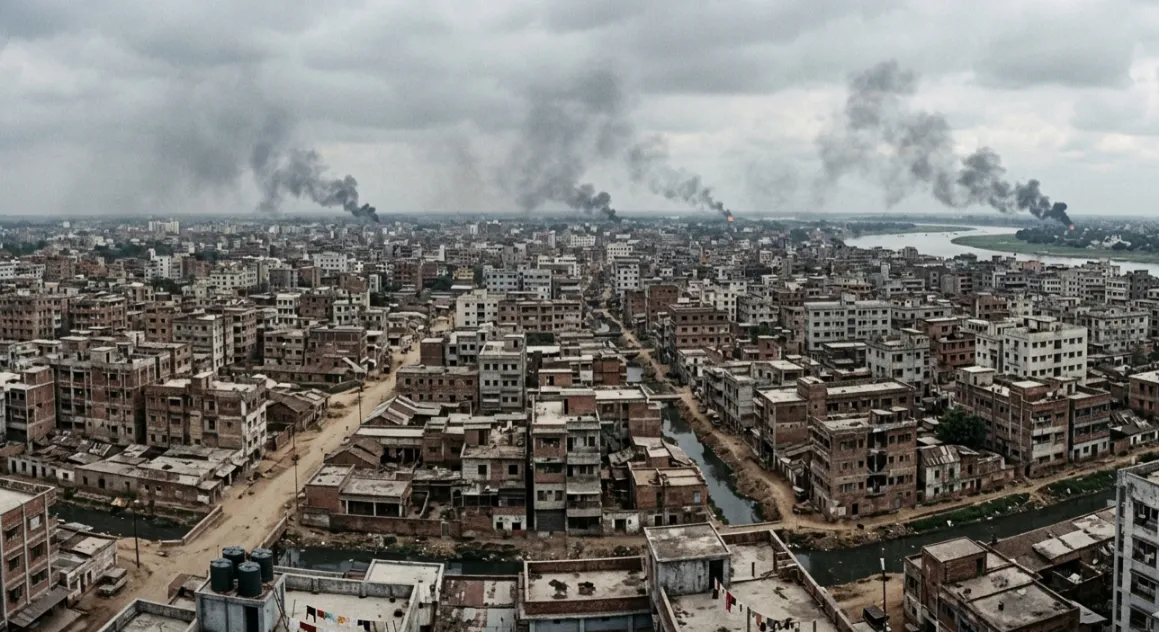
In December 1971, Dhaka fell. Bangladesh was born.
A Hijacking That Changed History
The Ganga hijacking was not an isolated incident. It was the opening move in a strategic campaign that exploited Pakistan’s political volatility, its leaders’ hunger for a public moment, and the deep emotional resonance of the Kashmir cause.
RAW understood that Pakistan would celebrate the hijackers as heroes. It was understood that Bhutto, in particular, could not resist the optics of standing on that runway. It was understood that an old, expendable aircraft burning on Pakistani soil would generate images that could be used for months.
Every piece fell exactly where Kao had placed it.
By the time Pakistan’s inquiry commission confirmed what had actually happened, the damage was irreversible. The airspace had been closed. The isolation of East Pakistan was well underway. The photographs of Bhutto with the hijackers had already circled the globe.
The Ganga hijacking remains one of the most consequential false flag operations in modern South Asian history — a masterclass in intelligence warfare that cost Pakistan half its territory.
Conclusion
The story of the Ganga hijacking is a sobering reminder that in geopolitical conflict, the most devastating blows are sometimes invisible at the moment they land.
What millions of Pakistanis celebrated in January 1971 as a victory was, in fact, the first domino in a carefully arranged sequence. By the time the truth emerged through the Ganga hijacking inquiry, it was too late to undo what had been done.
The airspace closure crippled Pakistan’s military reach. Bhutto’s airport visit handed India a propaganda weapon. The burning aircraft justified the world.
And eleven months later, East Pakistan was gone.
History does not always announce its turning points loudly. Sometimes they arrive wearing the costume of triumph.
The Koh-i-Noor Diamond: From Golconda’s Mines to the British Crown — A Complete History