
How Nationalization Destroyed Pakistan’s Greatest Factory: BECO
Chaudhry Muhammad Latif founded the Batala Engineering Company in pre-partition India before migrating to Pakistan in 1947. Starting from scratch in Lahore, he rebuilt the enterprise into a leading industrial power. By the 1960s, the company manufactured diverse machinery and attracted international interest from China and Japan.
The Pakistani government nationalized the firm in 1972, leading to decades of mismanagement and significant financial losses. Although offered the company back years later, Latif refused on principle. His story highlights the long-term impact of state seizure on private industry and national economic development.
In 1947, a wealthy factory owner walked away from an empire worth crores of rupees. He left behind machines, buildings, and decades of work — all for a country that didn’t exist yet.
That man was C.M. Latif. And what happened to him next is one of the most heartbreaking stories in Pakistan’s industrial history.
Who Was C.M. Latif?
Chaudhry Muhammad Latif wasn’t born into wealth. He built his fortune through sheer grit, starting a small engineering venture in Batala, East Punjab, back in 1932.
That venture became the Batala Engineering Company — BECO for short. Within a decade, it ranked among India’s top machine tool manufacturers.
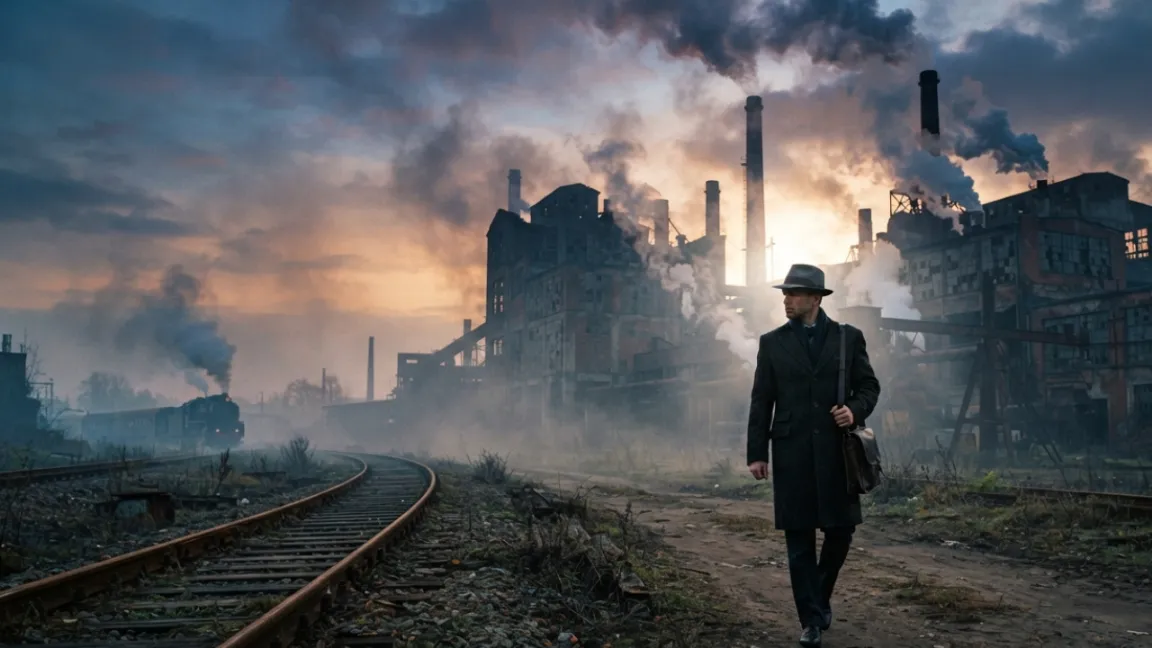
Latif had a gift. He understood markets before they moved. He hired foreign engineers, chased new technology, and reinvested in growth instead of sitting on profits. People who knew him called him a visionary.
Then came 1947.
Leaving Everything Behind for Pakistan
When the subcontinent split, Latif faced a choice millions of others faced too. Stay in India with a thriving business, or migrate to a new country with nothing guaranteed.
He chose Pakistan. Completely.
He left his factory, his machines, and his property in India without looking back. He arrived in Lahore with little more than his experience and his determination.
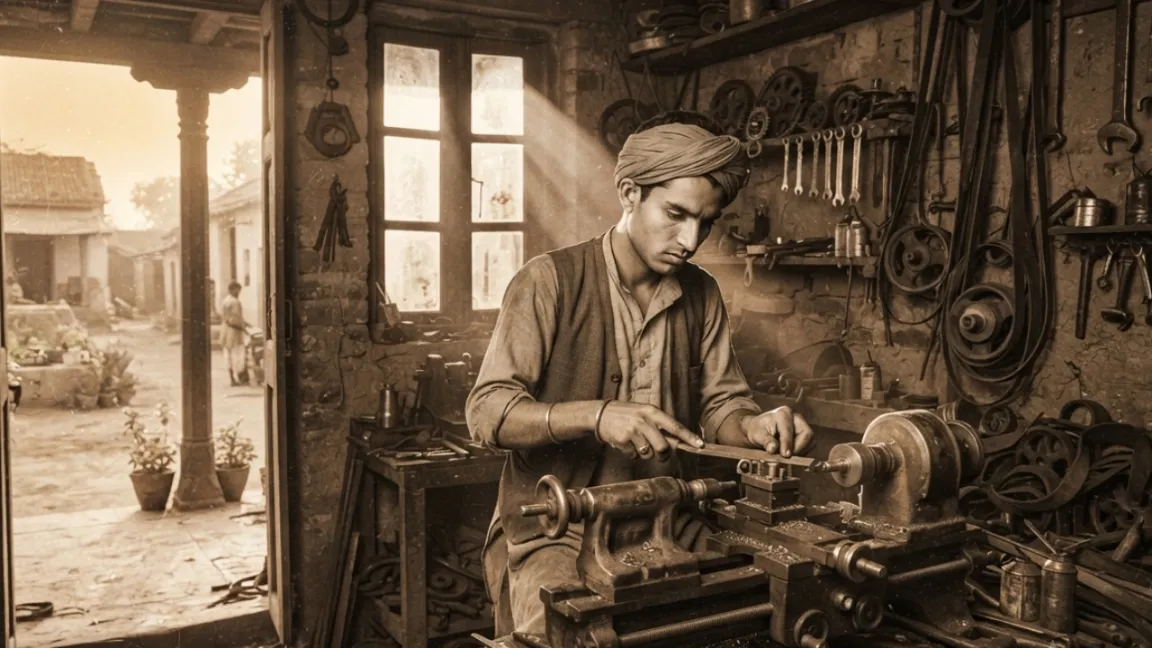
Because of this, he had to start over — literally from two rooms and a shed.

Building BECO From Scratch, Again
Rebuilding wasn’t easy. Lahore had none of the infrastructure Latif once had in Batala. However, he treated the setback as a fresh beginning rather than a defeat.
He worked relentlessly and brought in German engineers. He installed new machinery, expanded his facilities at Badami Bagh and later Kot Lakhpat, and slowly turned BECO into something extraordinary.
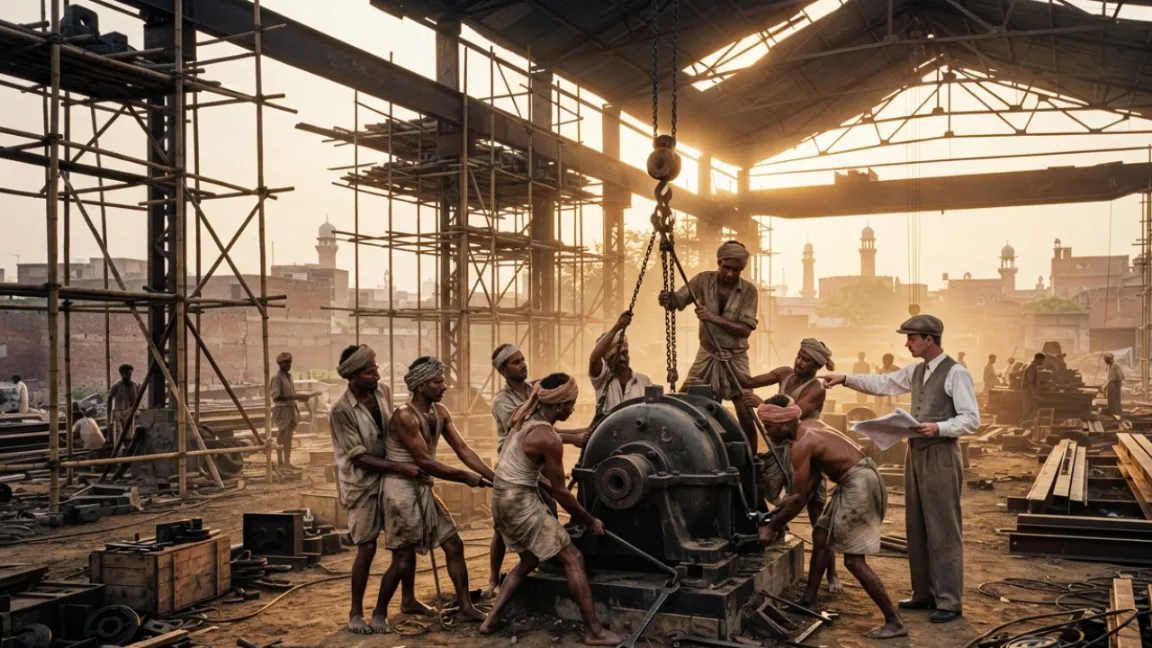
By the 1950s and 60s, BECO wasn’t just surviving — it was thriving. The company manufactured everything from diesel engines and boilers to machine tools and even aircraft parts.
Its reputation reached far beyond Pakistan’s borders. In 1956, China’s Premier Chou-En-Lai personally visited the factory and asked Pakistan to let Chinese engineers train there and study its methods. By the early 1970s, BECO was even in talks with Japan’s Toyota Corporation about a partnership in textile machinery.
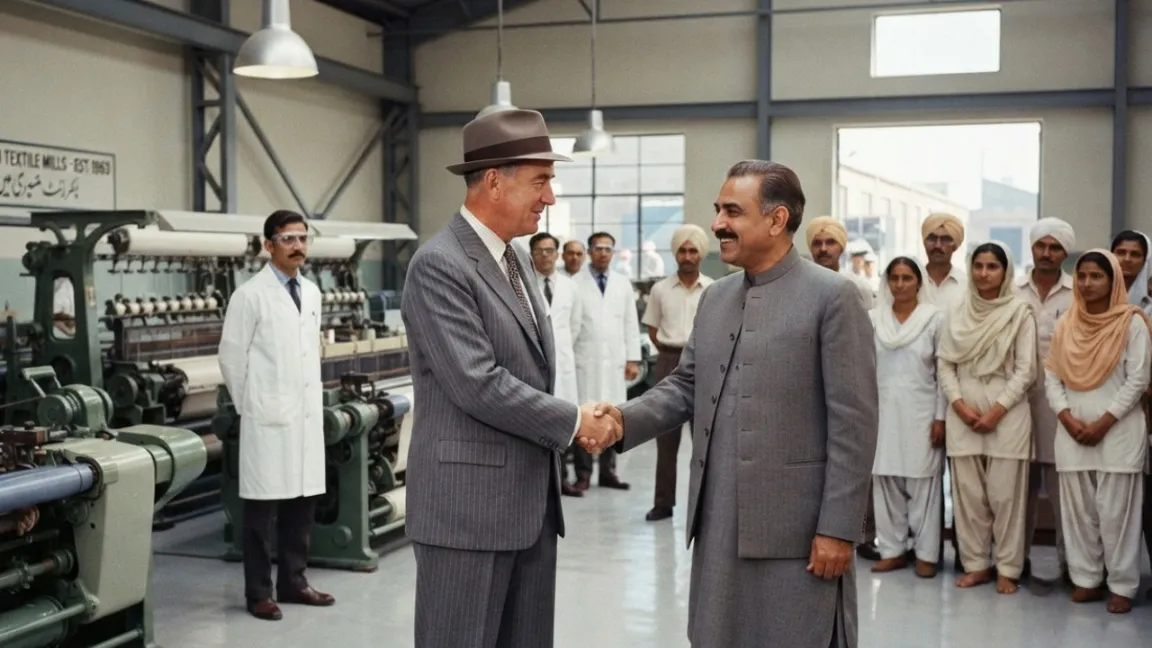
Latif had transformed a wartime migration story into one of the country’s greatest industrial success stories.
The Night Everything Changed
Then, on January 1, 1972, disaster struck — not from a competitor or a market crash, but from Latif’s own government.
Zulfikar Ali Bhutto‘s newly formed government issued the Nationalization and Economic Reforms Order. In one sweeping move, it seized 31 major industrial units across Pakistan, including BECO.
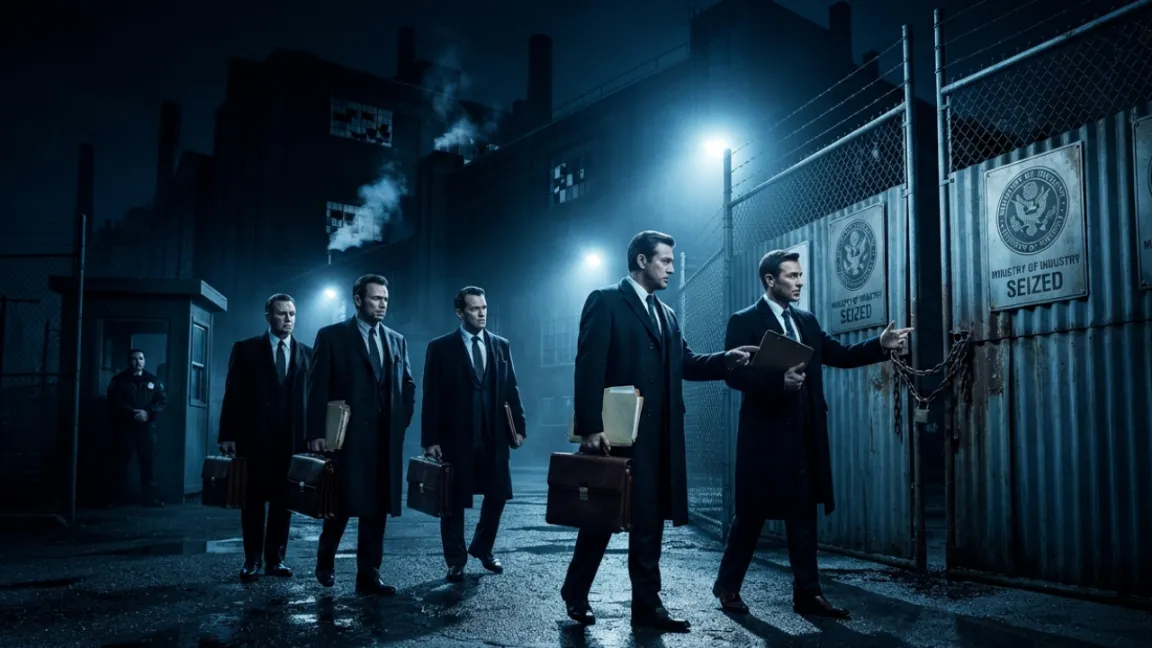
The company Latif had built twice — once in India, once from nothing in Lahore — was taken from him overnight. Officials renamed it Pakistan Engineering Company, or PECO.
Latif had no say in the matter. Decades of labor, sacrifice, and vision vanished under a single government order.

What Happened After the Takeover
Under state control, PECO’s fortunes reversed almost immediately. The efficiency, innovation, and discipline that had defined BECO disappeared along with private ownership.
As a result, the once-celebrated factory slid into chronic mismanagement—equipment aged. Production slowed. Profits turned into staggering losses.
By 1998, PECO had accumulated an acknowledged loss of roughly Rs 761.58 billion — a number almost impossible to reconcile with the thriving enterprise Latif had handed over just decades earlier.
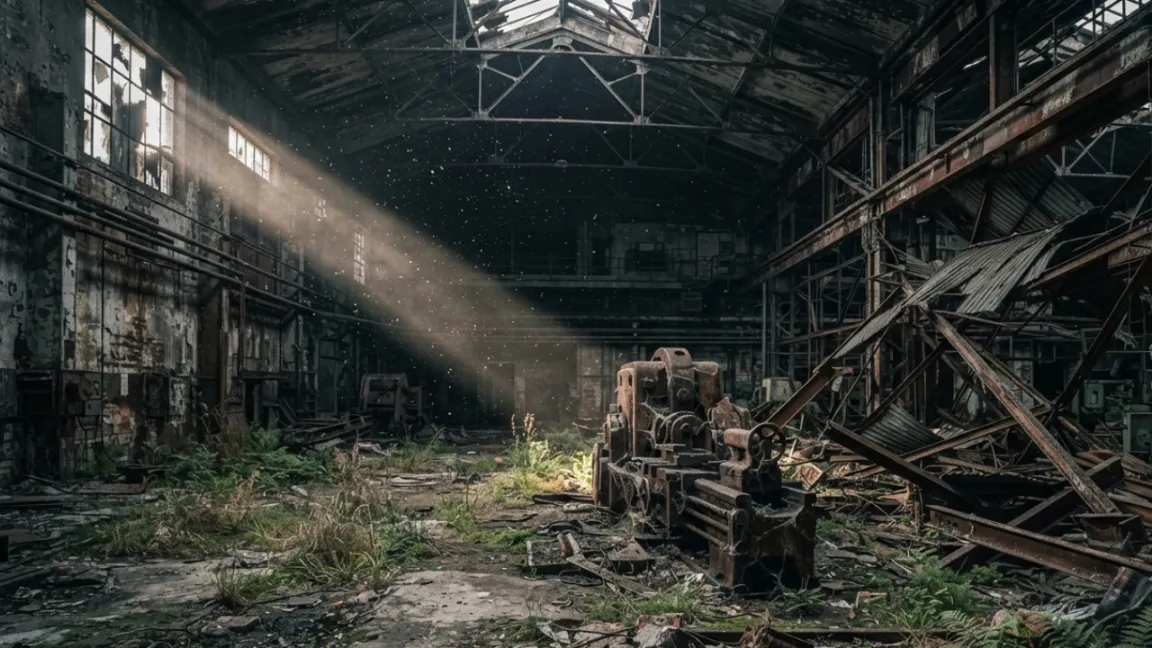
Eventually, entire sheds of the factory were dismantled and their steel sold off, leaving what many described as an industrial graveyard where a national pride once stood.
The Offer Latif Refused
In October 1977, General Zia-ul-Haq‘s government offered to return the company to Latif and his original management team.
It should have been a moment of vindication. Instead, Latif refused.
He wouldn’t accept BECO back unless the same offer was extended to every other family whose industries had been nationalized alongside his. He believed the injustice belonged to all 22 affected families, not just to him.
It was a principled stand — but it also meant he never reclaimed what he had built.
Latif’s Final Years
Heartbroken by what his beloved country had done to his life’s work, Latif eventually left for Germany. He spent his final years far from the factory floors where he had once stood proudly among machinists and engineers.

The country he had sacrificed everything for had ultimately taken more from him than partition itself ever had.
The Ganga Hijacking: India’s False Flag That Split Pakistan
Why C.M. Latif’s Story Still Matters
The story of C.M. Latif and BECO isn’t just about one man or one factory. It’s a window into how Pakistan’s early nationalization policies discouraged private industry and drained decades of hard-won progress.
In addition, it raises a question that still lingers in Pakistan’s economic conversations today: what happens to a nation’s growth when it punishes the very builders who create it?
C.M. Latif gave up a fortune for the idea of Pakistan. He rebuilt an empire from nothing, only to watch it crumble under decisions he never made. His story deserves to be remembered — not as a footnote, but as a warning.