
Kola Superdeep Borehole: The Terrifying Truth Found
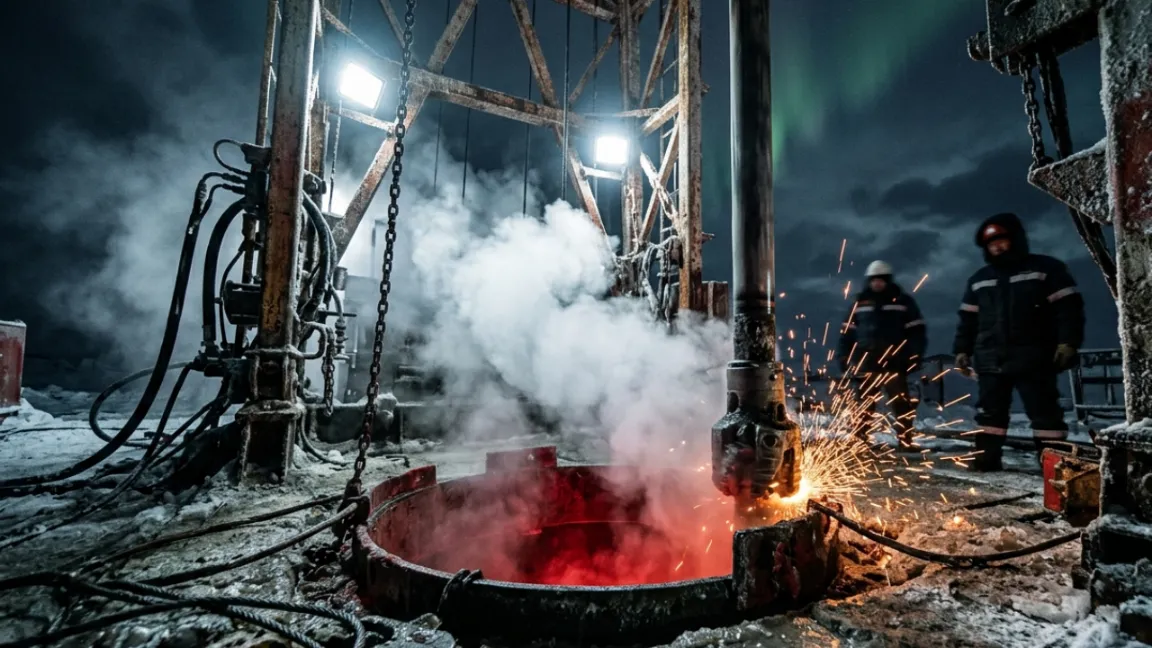
The Kola Superdeep Borehole was a Soviet scientific project launched in 1970 to explore Earth’s crust. Reaching a record depth of 12,262 meters by 1989, it remains the deepest artificial point on the planet. Researchers sought to understand the Earth’s composition and verify geological models through direct physical sampling.
The project revealed unexpected findings, including water trapped in rock crystals and two-billion-year-old microscopic fossils. Drilling eventually stopped due to extreme heat that compromised equipment. These discoveries challenged existing theories about rock formation and the depth of ancient life, highlighting the complexities of the planet’s interior structure.
For thousands of years, people wondered what lay beneath their feet. Some believed in endless underground worlds. Others imagined fire seas or hidden civilizations buried deep below.
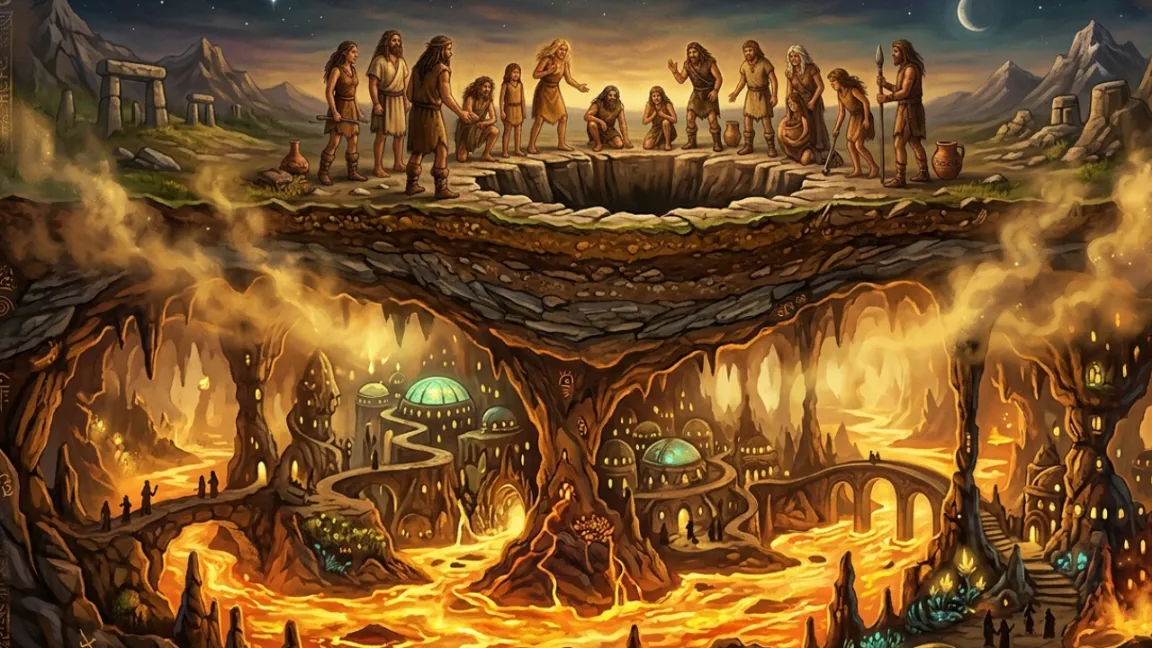
Then, in 1989, Soviet scientists made a discovery so strange that some still call it “the entrance to hell.” They had drilled deeper into the Earth than anyone in history. What they found down there changed science forever.
This is the story of the Kola Superdeep Borehole, and why it still fascinates the world today.
Why Scientists Wanted to Dig Into the Earth
By the 20th century, humans had walked on the Moon. Rockets had reached space. Yet nobody truly knew what existed just a few kilometers beneath their own planet.
Earth has a radius of about 6,371 kilometers. However, no one had ever confirmed what its inner layers actually looked like up close.
In 1970, the Soviet Union decided to change that. Scientists began the world’s most ambitious drilling project on the Kola Peninsula, near Russia’s frigid northern border.
Their goal wasn’t oil, gas, or gold.
They simply wanted an answer to one question: what is really down there?
Building a Machine Built to Break Records
Engineers designed a massive drilling rig unlike anything built before. It needed to survive pressures and temperatures no machine had ever faced.
At first, everything went smoothly. The drill pushed through one kilometer, then two, cutting through ancient, solid rock layers.
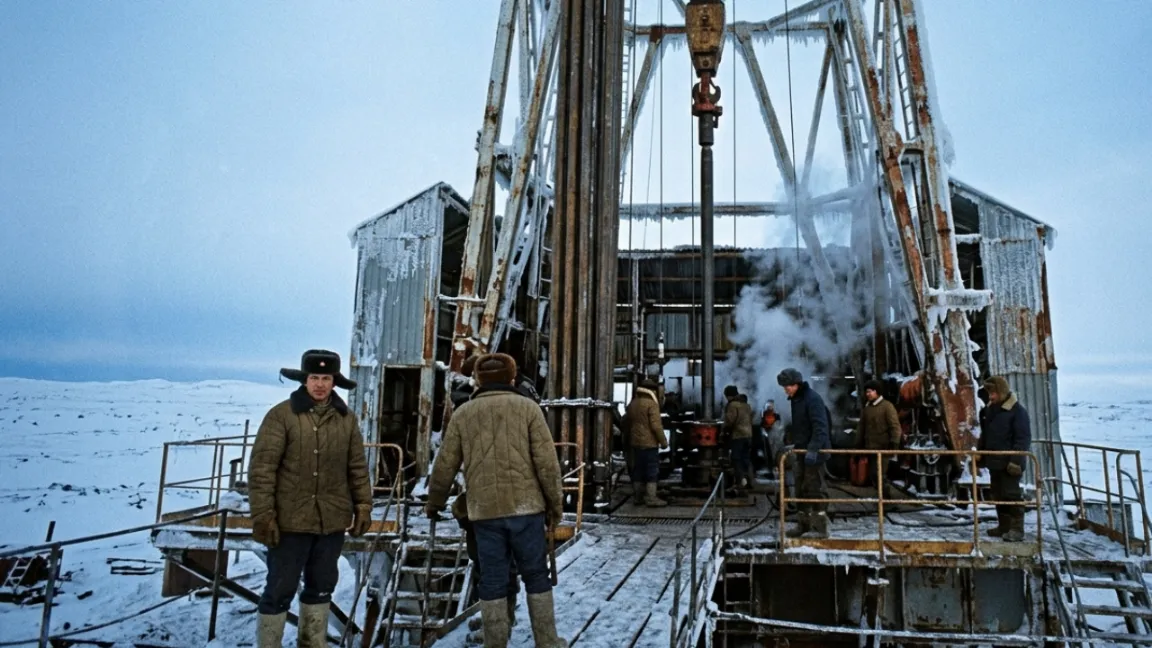
Scientists expected a straightforward journey downward. As a result, confidence was high in the early years of the project.
That confidence wouldn’t last.

When the Earth Started Fighting Back
Between two and four kilometers down, everything changed. The rocks no longer matched what geologists had predicted.
Intense pressure had transformed them into something unfamiliar. It felt as if the Earth was resisting every attempt to reveal its secrets.
The drill kept pushing forward anyway. Four kilometers. Five. Then six.
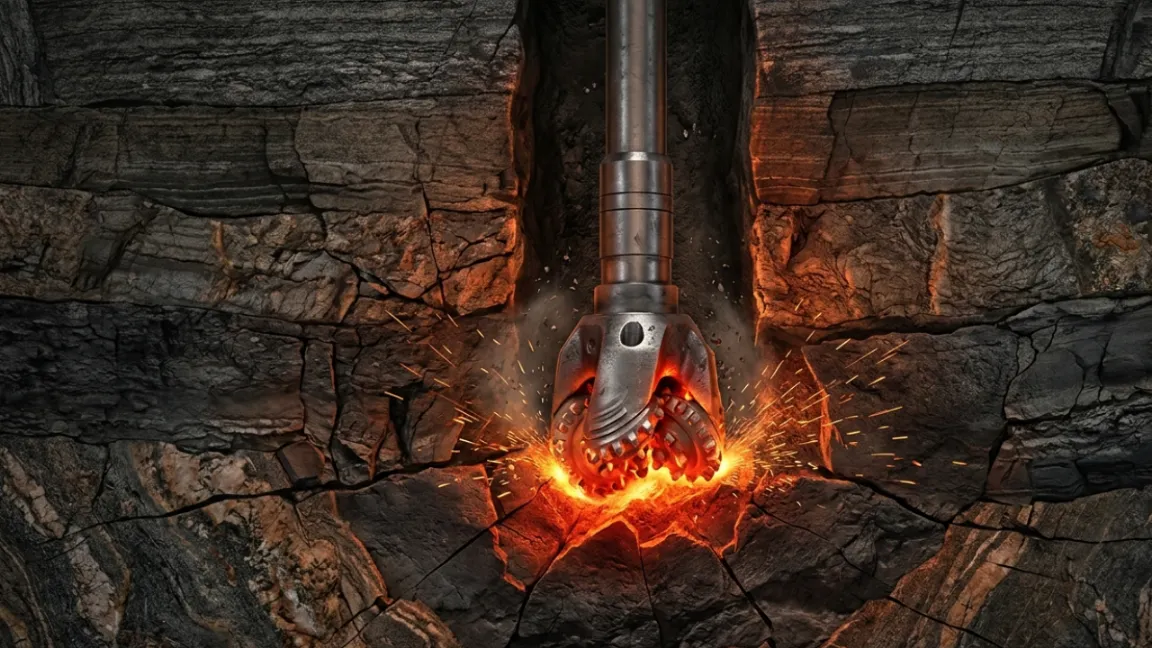
Meanwhile, temperatures began rising fast. Every additional meter brought more heat and more pressure. Scientists found minerals that could only form under extreme, punishing conditions.
Because of this, researchers realized the planet’s interior was far more complex than any textbook had described.
A Shocking Discovery at Seven Kilometers
Nothing prepared the team for what came next. At roughly seven kilometers deep, they found water.
Not an underground river. Not a hidden lake. This water was trapped inside the crystal structure of the rocks themselves, squeezed out under immense pressure.
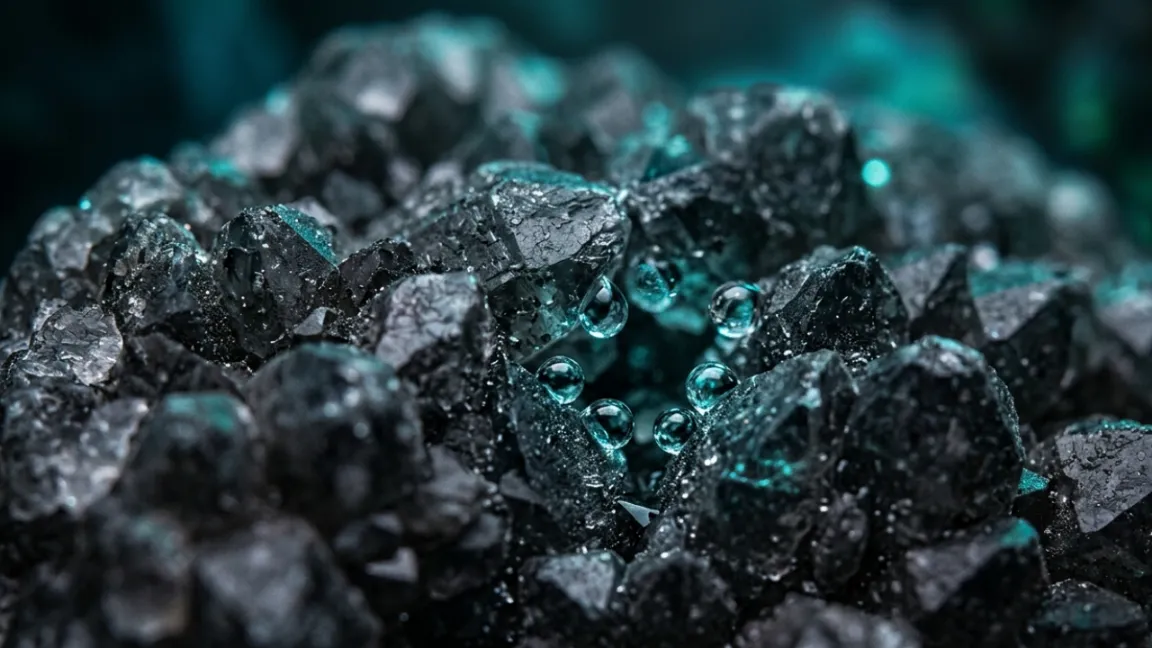
This single discovery challenged long-held scientific theories. It proved that water could exist far deeper inside the Earth than anyone had imagined, locked away in forms nobody expected.
The surprises didn’t stop there.

Fossils Older Than Almost Anything on Earth
At that same depth, scientists uncovered something even stranger: microscopic marine fossils. These tiny organisms were nearly two billion years old.
They were so small that only powerful microscopes could reveal them. Yet somehow, they had survived, perfectly preserved in rock, for billions of years.
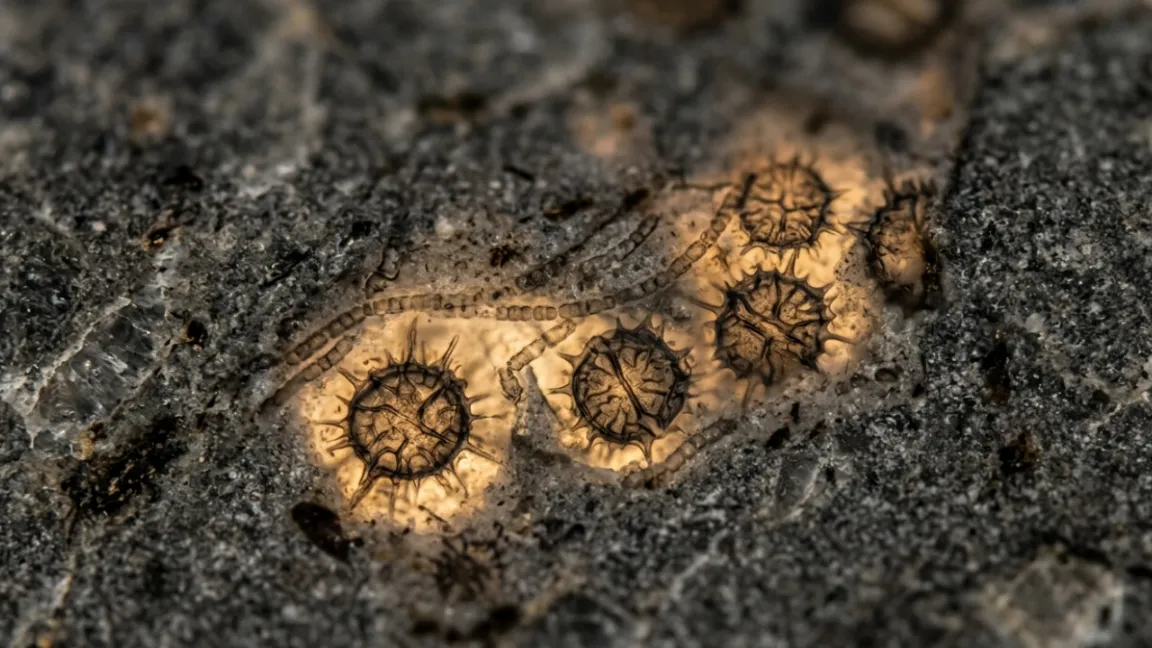
For scientists, this was proof that life’s traces could endure far longer, and far deeper, than anyone had believed possible.
Breaking Every Prediction
The drill continued its descent. Seven kilometers became eight, then nine.
Geologists had expected the granite layer to end, giving way to a new type of rock beneath it. However, that transition never happened.
Reality kept contradicting the textbooks. Every new kilometer became another unanswered question, forcing scientists to rethink what they thought they knew about Earth’s structure.
Reaching the Limit of Human Technology
Eventually, the project hit a milestone: ten kilometers deep. By this point, heat had become the biggest enemy.
Temperatures climbed so high that even the strongest steel drilling components began to fail. Equipment broke down constantly. Drills approached their melting point. Work had to stop again and again.
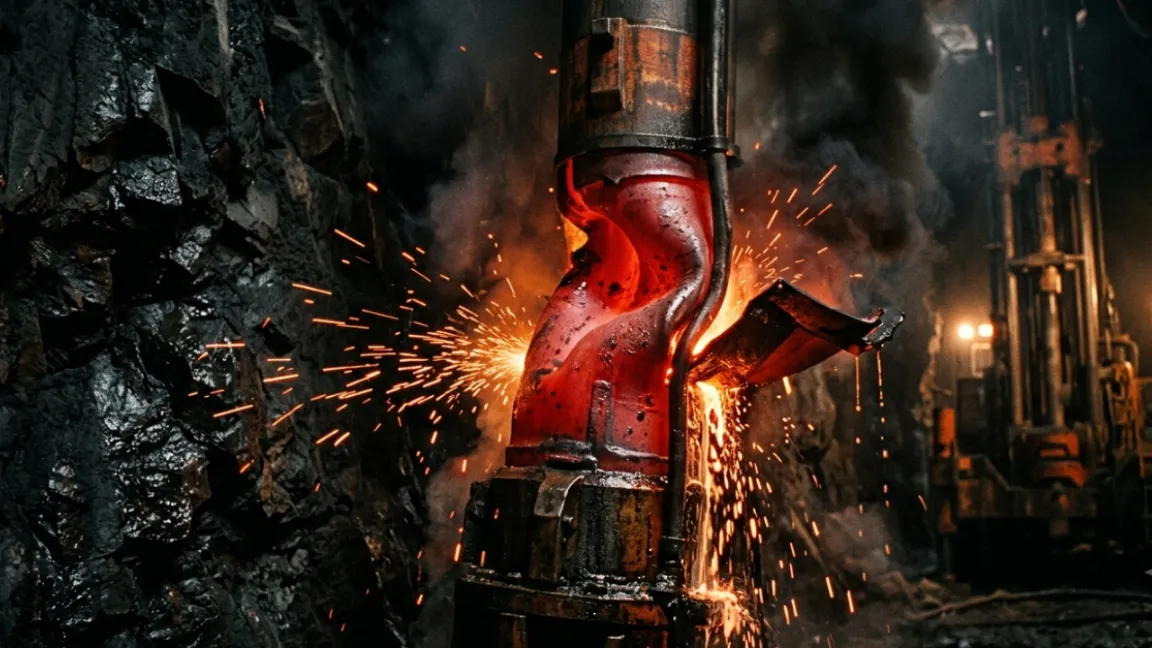
Still, the Soviet team refused to give up. They redesigned their tools, adjusted their techniques, and returned to the borehole time after time.
The Final Depth of the Kola Superdeep Borehole
In 1989, after nearly two decades of effort, the team finally reached 12,262 meters, roughly 12.2 kilometers straight down.
This remains the deepest artificial point ever reached on Earth.
Yet when compared to Earth’s total radius of 6,371 kilometers, that achievement represents just 0.2 percent of the journey to the planet’s core.
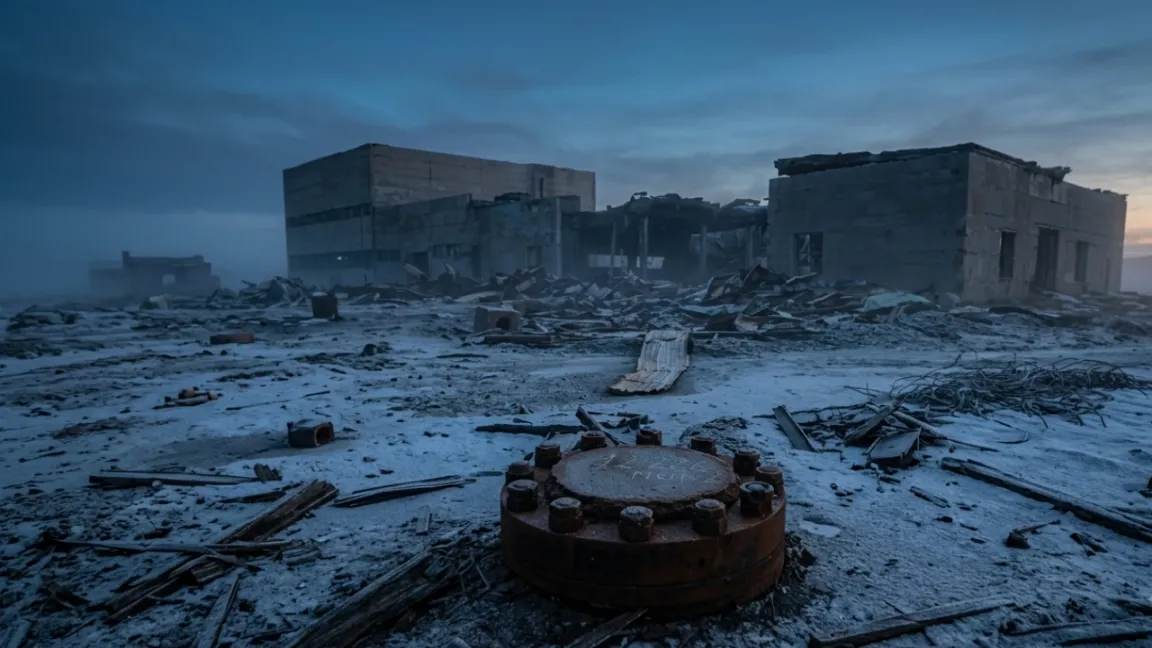
Unbearable heat, crushing pressure, and constantly shifting rock finally stopped the drill for good. The Earth had revealed only a tiny fraction of its secrets, and even that fraction stunned the scientific world.
How One Man Moved 30-Ton Stones Alone: Coral Castle Mystery
Conclusion: The Legacy of the Kola Superdeep Borehole
The Kola Superdeep Borehole remains one of the most remarkable scientific achievements in human history. It didn’t just break a depth record. It rewrote what scientists understood about rock formation, underground water, and ancient life.
Even today, decades later, this Soviet project reminds us how much mystery still lies beneath our feet. Humans have mapped the stars and walked on the Moon, yet the ground beneath us still holds secrets we’ve barely begun to uncover.
Sometimes, the most alien place in the universe isn’t out there in space. It’s right beneath our own boots.