
The Final Decisions of the Titanic’s Wealthiest Passengers
The sinking of the Titanic in 1912 highlighted the moral choices of its wealthiest passengers. Figures like John Jacob Astor IV and Isidor Straus adhered to the code of prioritizing women and children, refusing to use their influence to secure lifeboat seats. Their actions prioritized social principles over personal survival.
These historical examples illustrate how legacy is built through sacrifice rather than financial success. The disaster remains a study in leadership and character, suggesting that the health of a society depends on the willingness of its most privileged members to choose the common good during a crisis.
On the night of April 14, 1912, the North Atlantic was silent and brutal. Somewhere in that darkness, the largest ship ever built was moving toward something it could not survive.
But what happened in the hours that followed wasn’t just a maritime disaster. It was something far more revealing — a test of human character that no one aboard had prepared for.
And some of the wealthiest people on Earth made choices that still echo more than a century later.
A Ship Built for the Powerful
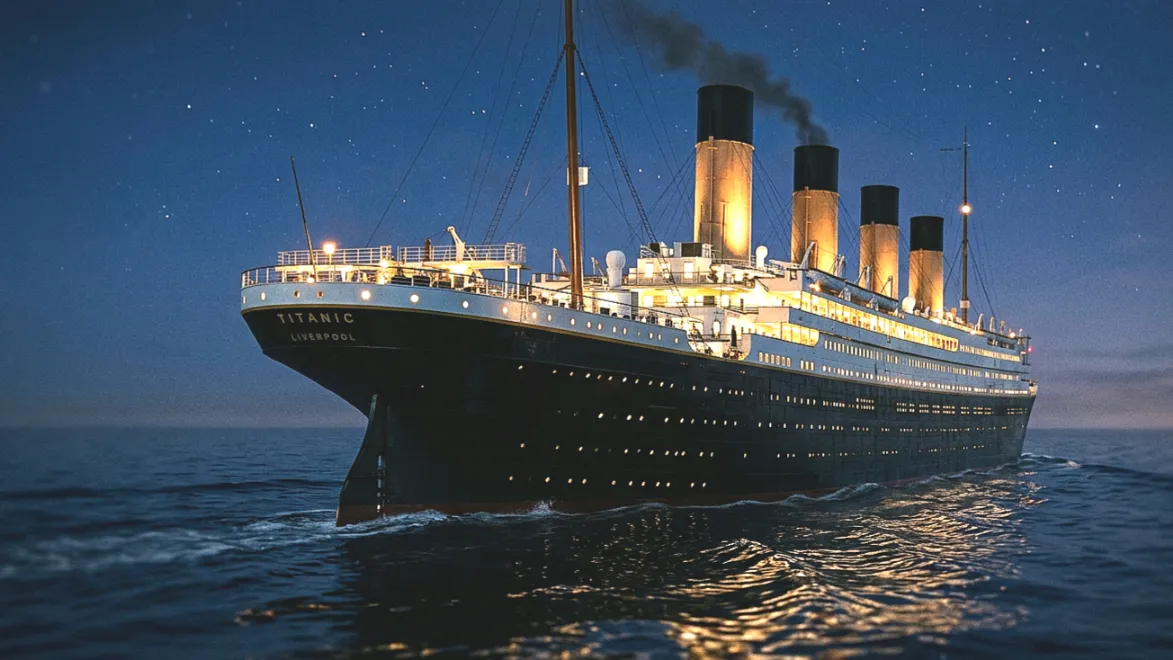
The RMS Titanic was the crown jewel of the White Star Line. It carried some of the wealthiest individuals in the world, people who commanded industries, owned newspapers, and shaped economies.
First class wasn’t just luxury. It was a statement of power.
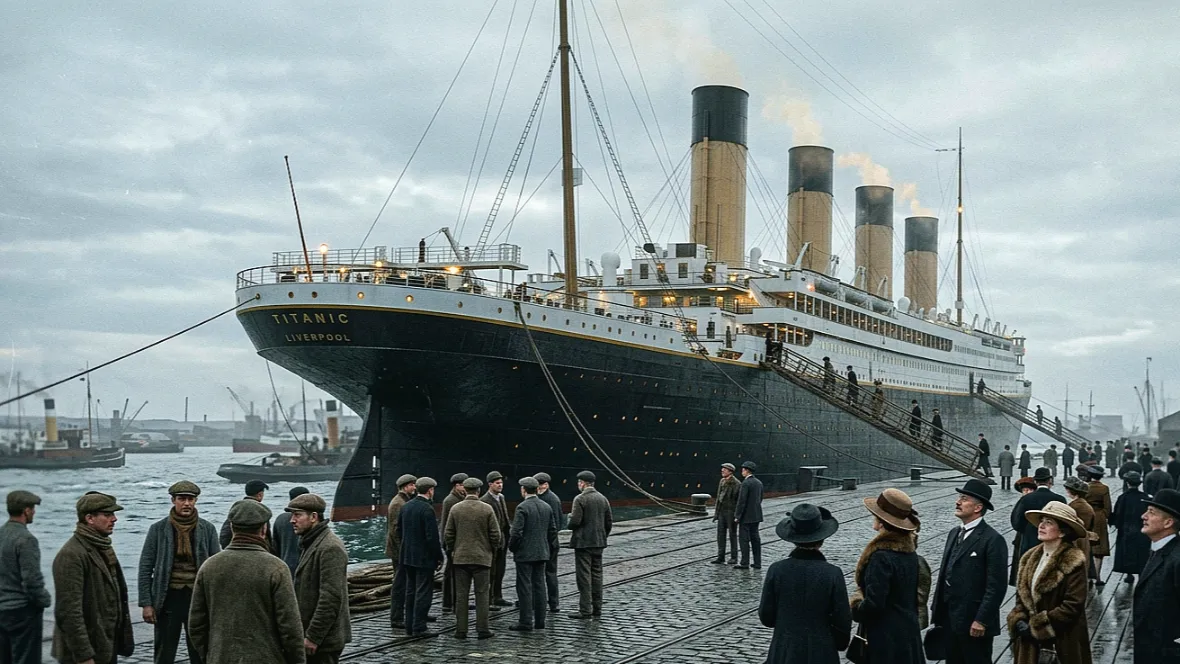
These passengers had never been told no. They had never stood in line. And yet, when the ship began to sink, something unexpected happened.
John Jacob Astor IV: The Wealthiest Man on Board
John Jacob Astor IV was among the richest Americans alive in 1912. His fortune, built on real estate and inheritance, made him a figure of almost mythological wealth.
He was traveling with his young pregnant wife, Madeleine, aboard the grandest ship in the world.
When the Titanic struck the iceberg, and chaos broke out across the decks, Astor calmly guided his wife to a lifeboat. He asked the officer on deck whether he might join her, given her condition.
He was told no. Women and children first.
Astor didn’t argue, pull rank, or use his name, money, or influence to get a seat.
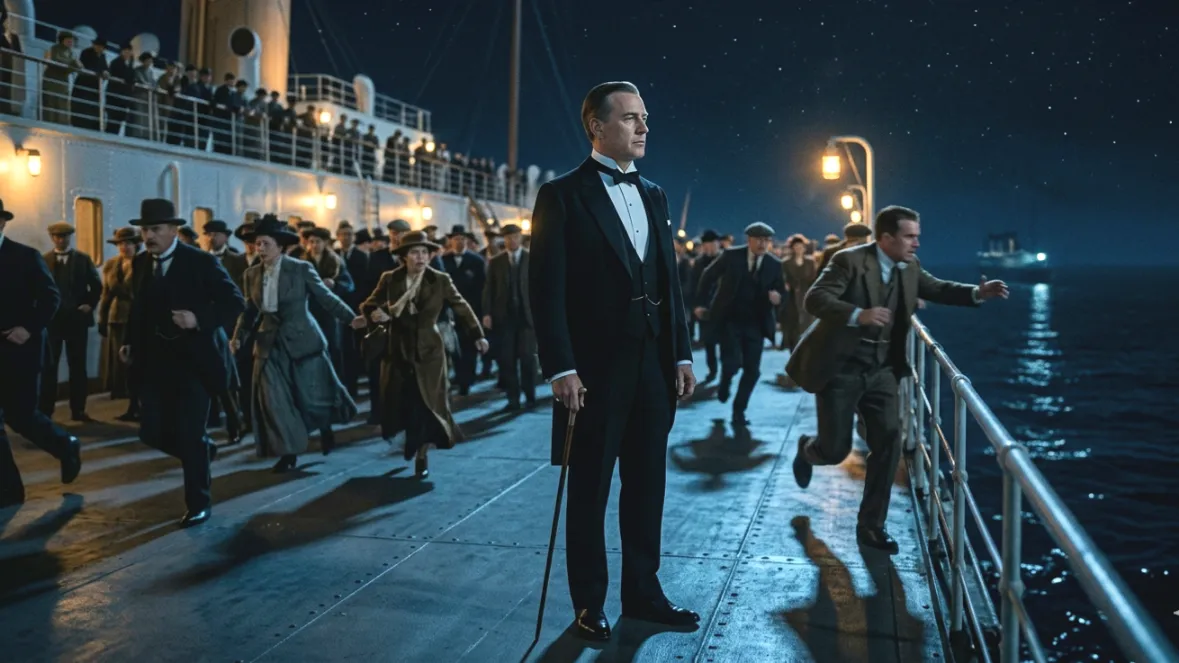
He stepped back.
His body was recovered from the ocean days later. His wife survived.

Isidor and Ida Straus: A Love Story That Refused to End
Isidor Straus was the co-owner of Macy’s department store — one of the most recognizable names in American retail. He and his wife, Ida, had been married for decades.
When a lifeboat seat was offered to Isidor, he refused it.
“I will not go before the other men,” he said.
The crew then turned to Ida, urging her into the boat. She walked toward it, paused — and walked back.
She took her husband’s hand.
“We have lived together so many years,” she said. “Where you go, I go.”
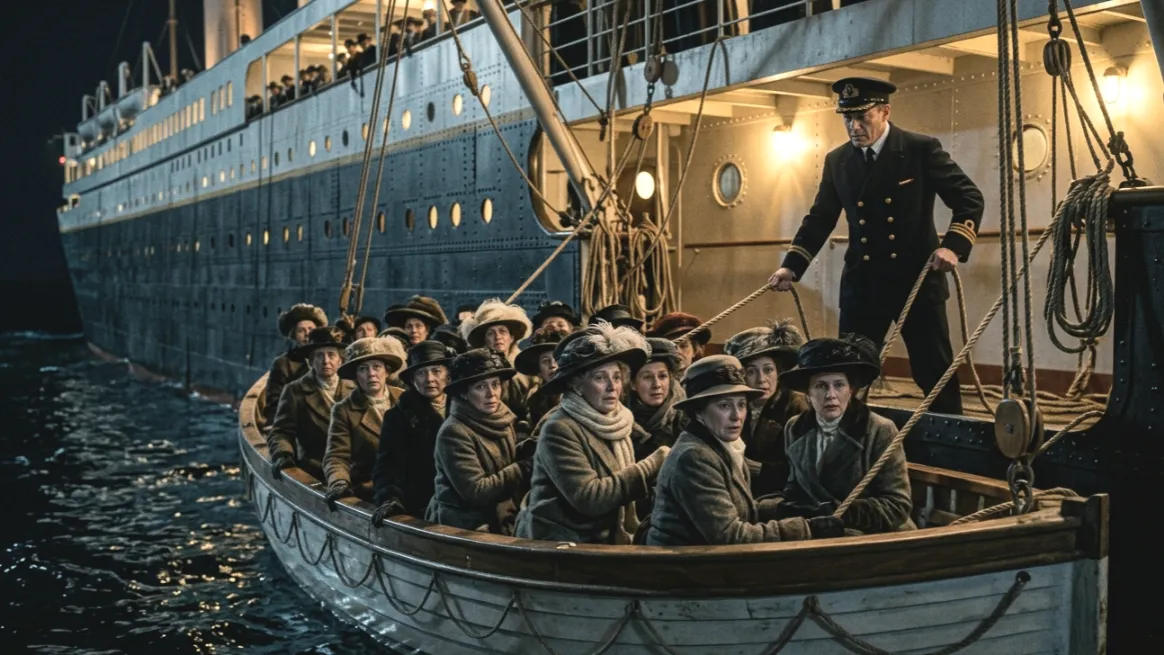
She gave her seat to their maid. Then she and Isidor sat down together on the deck as the ship groaned and tilted around them.
Eyewitnesses later described them sitting side by side, calm and composed, while panicked passengers rushed past.

Neither survived. Their story became one of the most talked-about moments of that night — not because of their wealth, but because of what they chose to do with their final hours.
What Money Could Not Buy
These were not saints. They were not reckless with their lives. They had families, ambitions, and every reason to want to live.
However, they operated by a code of conduct that placed certain principles above self-preservation.
In the 1912 era of “women and children first,” the expectation among gentlemen of social standing was clear. But expectations are easy to hold in comfortable times. What matters is what a person does when holding to them costs everything.
Astor, Straus — these men were tested in the most unambiguous way possible.
And they did not flinch.

The Mirror That Titanic Holds Up to Society
More than a century later, the Titanic remains one of history’s most studied disasters. Historians, filmmakers, and philosophers return to it again and again.
Why?
Because it asks a question that never goes out of date: When a crisis comes, who pays the price?
In the hours the Titanic was sinking, the wealthy gave up their seats. Meanwhile, in many real-world crises today — economic collapse, rising inflation, crushing debt — the burden almost always falls on ordinary people. Workers. Farmers. Salaried families.
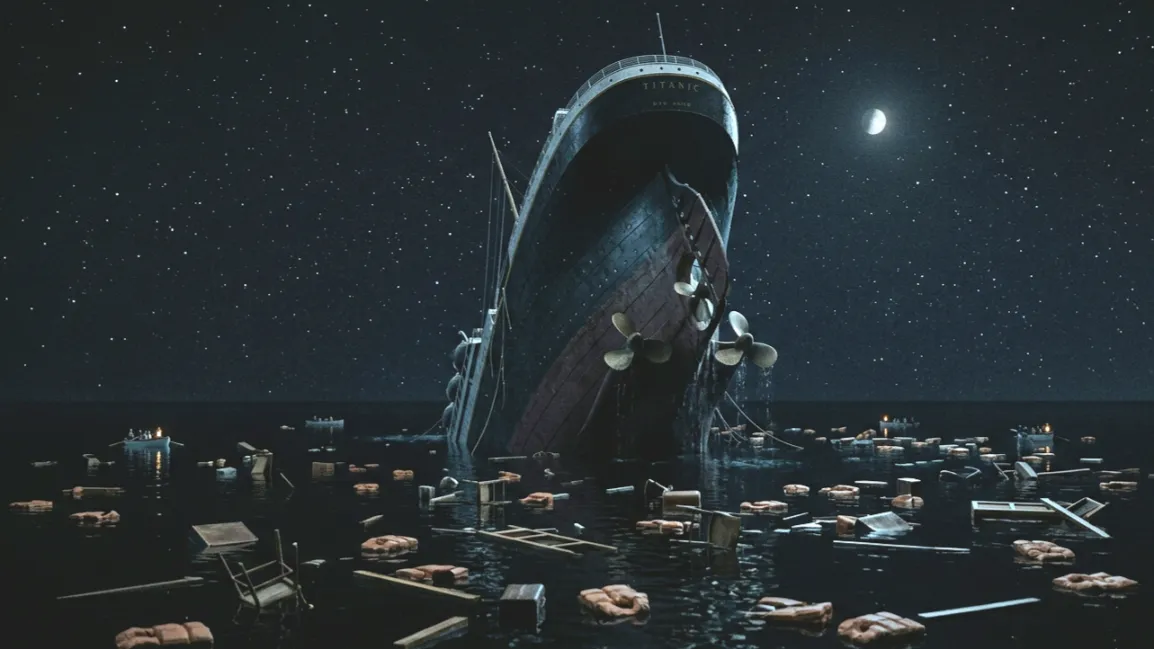
The privileged, in many societies, find ways to protect their privileges.
The contrast is worth sitting with.
What History Actually Remembers
No one today talks about Astor’s real estate portfolio. No one recites the square footage of his New York properties.
They remember that he stepped back from a lifeboat so a stranger could live.
No one remembers how many stores the Straus family owned. They remember two elderly people holding hands on a sinking ship, choosing each other over survival.
Because of this, the Titanic disaster teaches something that economics cannot: legacy is built in the decisive moment, not in the prosperous years.
When One Ship Stopped the World: The Ever Given Suez Canal Crisis
What It Takes for Nations to Rise
The Titanic’s story is often reduced to tragedy and spectacle. But embedded within it is a deeper truth about what holds communities, institutions, and nations together.
Nations do not rise on wealth alone. If they did, the Titanic would never have sunk — it was the most expensive ship ever built.
Nations rise when law applies equally to the powerful and the powerless. They rise when leadership sets an example rather than exploiting its position. They rise when those with privilege choose the common good over personal comfort.
Every era has its test. Every society faces its equivalent of a sinking ship.
The question is always the same: Who steps back?
The Legacy of the Titanic’s Finest Hours
The wreck of the Titanic lies nearly 3,800 meters beneath the surface of the North Atlantic. Thousands of lives went down with it.

But the characters of a few people aboard that ship have never stopped being studied, quoted, and taught.
That is not an accident.
The Titanic’s richest passengers faced the most unequal of moments — an iceberg does not check your bank account — and some of them responded with a grace that has outlasted their fortunes by more than a century.

History does not ask how much you accumulated. It asks what you were willing to give up — and for whom.
That answer, it turns out, is the only one that lasts.