

How Was Israel Created? The Story Most People Don’t Know
The State of Israel was established in 1948 following decades of Zionist organization, land acquisition, and infrastructure development in Palestine. Driven by historical persecution and the Holocaust, the movement gained international legitimacy through the Balfour Declaration. Despite local opposition, the new nation successfully survived an immediate multi-nation Arab invasion.
Israel’s military success relied on long-term preparation, unified command, and global financial support. The resulting war led to significant territorial shifts and the mass displacement of Palestinians, known as the Nakba. These events established the framework for a regional conflict that remains unresolved nearly eighty years later.
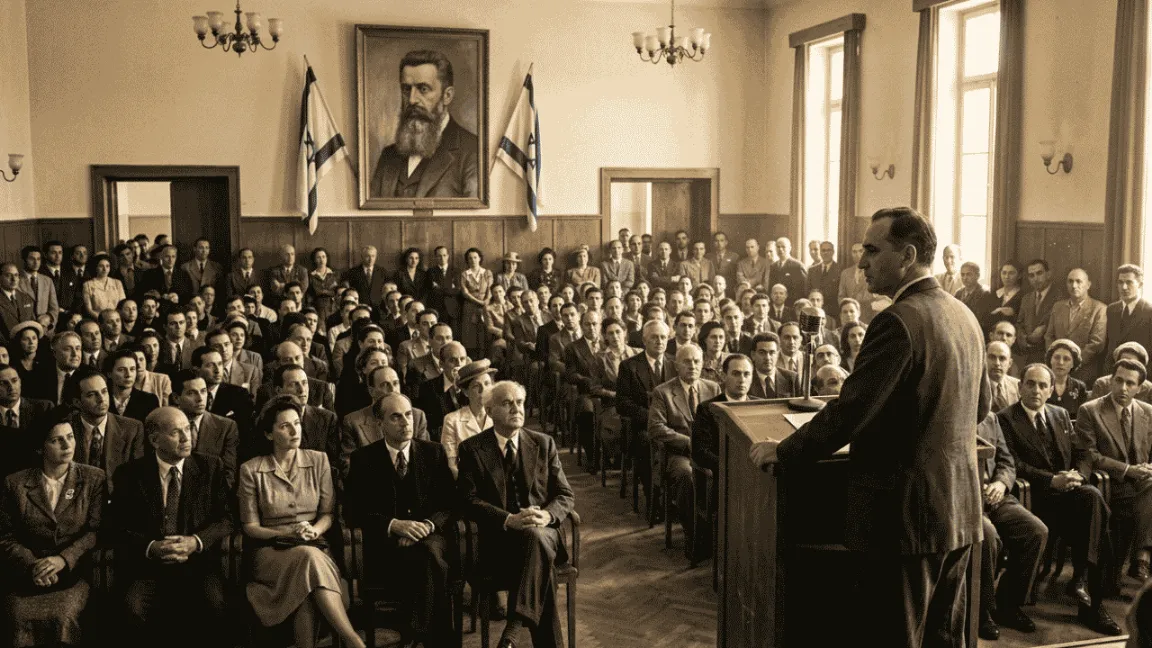
On May 14, 1948, a man stepped up to a microphone in a Tel Aviv hall as the sun was setting over Palestine. Within minutes, he declared the birth of a new nation — Israel.
That single announcement changed the Middle East forever.
But here’s the question most people never fully answer:
How did a brand-new state survive when Arab armies from Egypt, Jordan, Syria, Iraq, and Lebanon attacked the very next day?
And how did Israel even come to exist when Arabs were the majority in Palestine, Arab nations opposed it, and even the UN partition plan had been rejected by the Arab leadership?
To understand that, you need to go back — much further back than 1948.
A People Without a Homeland
Around 3,000 years ago, the ancient Israelites had their own kingdom centered in Jerusalem.
Over centuries, conquering empires swept through the region one after another. Then, in 70 CE, the Roman Empire destroyed the sacred Jewish Temple in Jerusalem. Thousands were killed. Millions are scattered across different lands.
This event became known as the Diaspora — the great scattering of the Jewish people.
For nearly 1,900 years after that, Jewish communities lived across Europe, the Middle East, and beyond. However, through all those centuries, one belief survived in their religious and cultural identity:
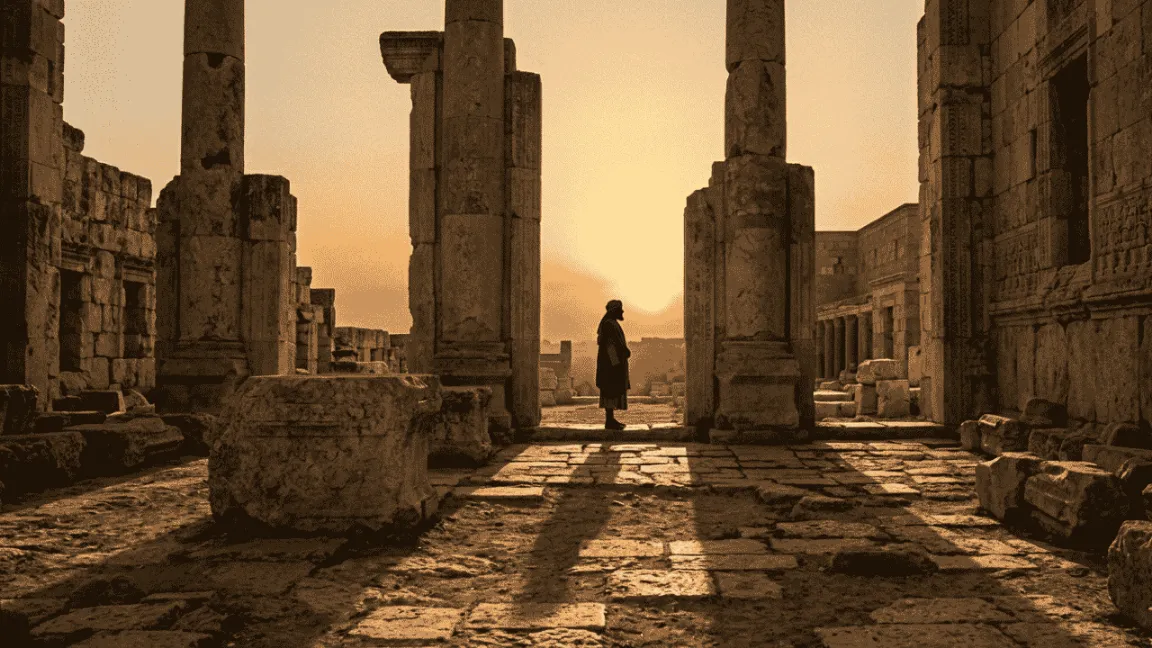
The hope of returning to their ancestral homeland.
Persecution in Europe and the Birth of Zionism
For centuries across Europe, Jewish communities faced discrimination, expulsion, and violence.
In Russia, organized mob attacks — known as pogroms — devastated Jewish neighborhoods. In France, even a modern democratic country, a Jewish army officer named Alfred Dreyfus was falsely accused of treason, exposing deep-rooted antisemitism in Western society.

Meanwhile, an Austrian journalist named Theodor Herzl was watching all of this closely.
He reached a clear conclusion: Jewish people would never be truly safe anywhere in the world until they had a country of their own.
In 1897, Herzl founded the Zionist movement.

Its goal was straightforward — establish a Jewish national homeland in Palestine, the ancient land of their ancestors.

The Quiet Transformation of Palestine
Most people assume Israel appeared out of nowhere in 1948. In reality, the groundwork was laid decades earlier.
From the late 1800s onward, Zionist organizations began purchasing land in Palestine. Jewish immigrants from Europe — a process called Aliyah — arrived in growing waves.
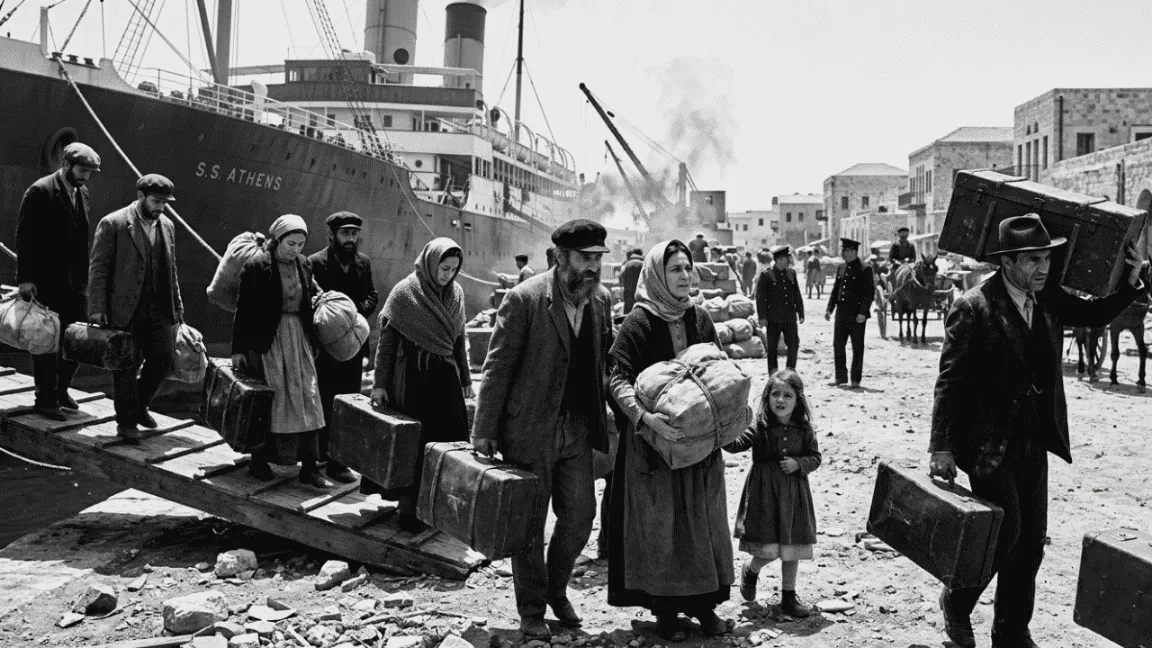
They built villages, set up farms, opened banks, established schools, and created hospitals. They formed political institutions and, most critically, they built a defense force.
That force was called Haganah.
It started as a community defense organization. Eventually, it evolved into a full military structure with trained fighters, organized units, and coordinated leadership.
By the time 1948 arrived, what looked like a “new state” to the outside world already had most of the infrastructure of a functioning nation in place.
The Letter That Changed History
In 1917, during World War I, Britain issued a declaration that shifted the entire trajectory of the conflict.
It was called the Balfour Declaration.
In it, Britain expressed official support for establishing a Jewish national homeland in Palestine.
Just a letter — but its impact was enormous. It gave the Zionist movement international political legitimacy at a time when global powers were redrawing the map of the world.

Arab leaders recognized it as a serious threat. Palestine at that time was overwhelmingly Arab in population, and they had their own aspirations for self-determination after centuries of Ottoman rule.

The British Mandate and Rising Tensions
After World War I, Britain took administrative control of Palestine under a League of Nations mandate.
Jewish immigration continued to accelerate. Then in the 1930s, Hitler’s rise to power in Germany transformed a steady stream into a flood. Hundreds of thousands of Jews desperately sought to leave Europe.
A large number of them arrived in Palestine.
As a result, the Arab population began to see what was happening not simply as immigration, but as the gradual formation of a rival state on their land.
Tensions between Arab and Jewish communities escalated sharply throughout the 1930s and 1940s.
The Holocaust and a World That Changed Its Mind
Then came World War II.
Nazi Germany systematically murdered approximately six million Jewish people — one of the worst atrocities in recorded human history.
After the war ended, the world asked a painful question:
If Jewish people had their own state, could the Holocaust have happened so easily?
That question, more than almost anything else, shifted global opinion in favor of a Jewish homeland. For many world leaders and ordinary citizens alike, supporting a Jewish state was no longer just a political position — it had become a moral one.
The UN Partition Plan and Arab Rejection
In 1947, the United Nations proposed dividing Palestine into two separate states — one Arab, one Jewish.
Jewish leadership accepted the plan.
Arab leadership rejected it.
Their argument was simple: Arabs were the majority population in Palestine, and dividing the land was fundamentally unjust.
However, the rejection of the plan didn’t stop what came next.
Zionist leadership didn’t wait. They already had the administrative framework, the economic system, and the military structure in place. The UN resolution gave them the international green light they needed.
The formal announcement was now just a matter of timing.
May 14, 1948 — The Declaration
On May 14, 1948, David Ben-Gurion stood before a gathering in Tel Aviv and declared the establishment of the State of Israel.
The United States recognized Israel within hours.
The Soviet Union followed shortly after.
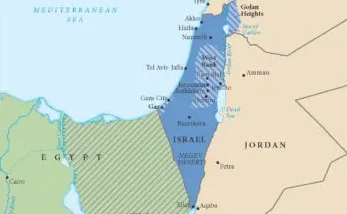
Israel was now a reality on the world map.
The War That Followed — And Why Israel Won
On May 15, 1948 — the very next day — the armies of Egypt, Jordan, Syria, Iraq, and Lebanon invaded.
On paper, the Arab coalition looked stronger. They had established national armies, larger populations, and far more territory.
But wars aren’t won on paper.
Israel Had Been Preparing for Years
For the outside world, Israel was brand new. For its own leadership, it was the result of decades of organized planning.
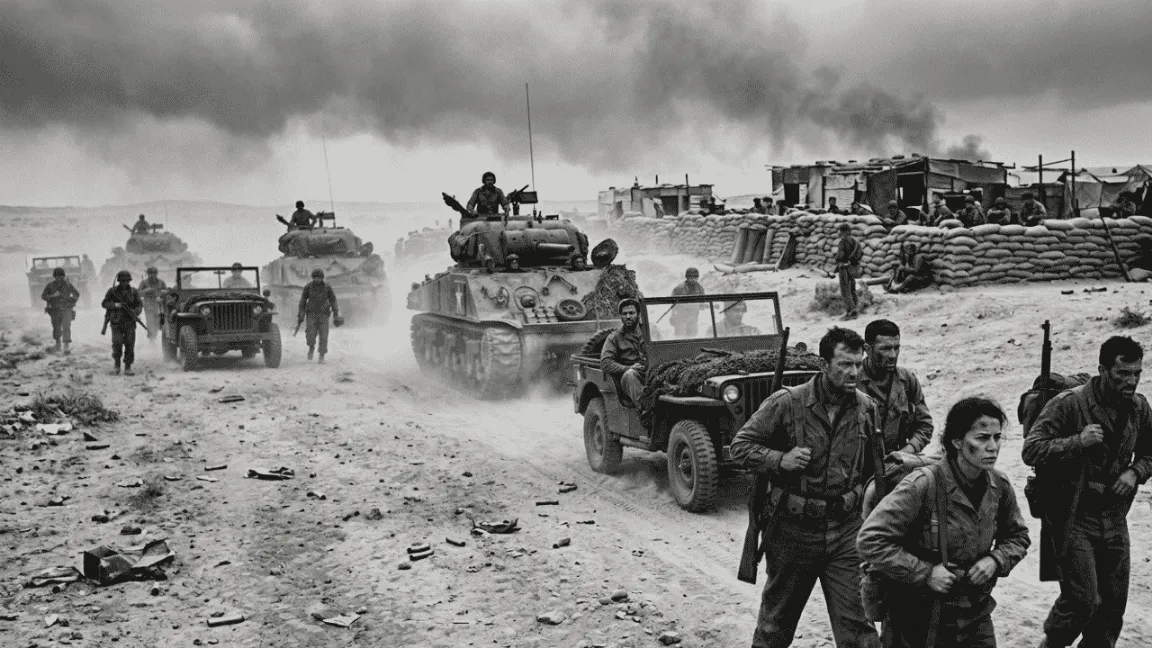
Haganah, Palmach, and other Jewish paramilitary organizations already had thousands of trained fighters. Command structures, supply chains, and tactical plans were already in place.
The Arab Coalition Was Divided
The Arab states shared a common goal — but not a common strategy.
Each country had its own political interests and military priorities. Their joint command structure failed to coordinate effectively, and that disunity cost them dearly on the battlefield.
Veteran Fighters with Modern Experience
Many Jewish fighters had served in World War II alongside Allied forces. They came back with real combat experience, knowledge of modern military tactics, and a level of battlefield readiness that gave Israeli forces a significant edge.
Diaspora Support and Funding
Jewish communities across the United States and Europe raised substantial funds. That money went directly into purchasing weapons, supplies, and military equipment.
In addition, international arms shipments — some from Czechoslovakia — helped Israel sustain its military effort when it needed it most.
The Untold Story of the Ottoman Dynasty’s Expulsion from Turkey
The Aftermath — Victory, Displacement, and an Unresolved Wound
By 1949, Israel had not only survived — it controlled more territory than the original UN partition plan had assigned it.
But the war left a devastating human cost on the other side.
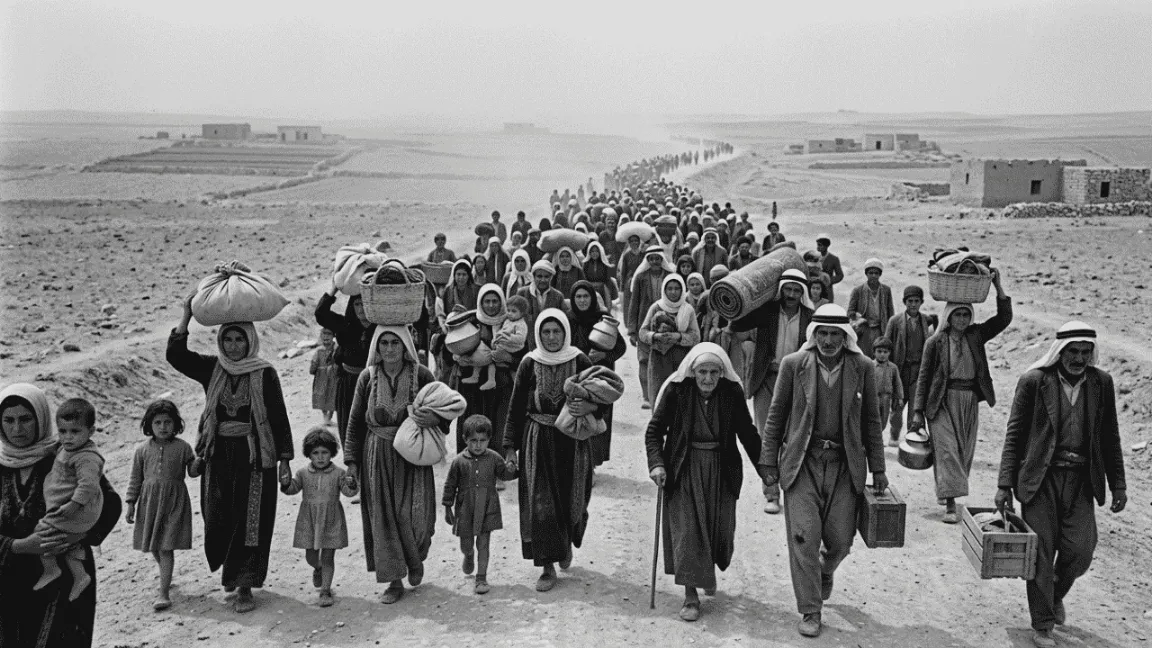
Approximately 700,000 Palestinians were displaced — forced out of their homes or fled during the fighting. Palestinians call this event the Nakba — Arabic for “the catastrophe.”
It is from this point that the Israeli-Palestinian conflict, as the world knows it today, truly begins.
Conclusion — A Nation Decades in the Making
Israel didn’t appear overnight.
Behind its founding stood centuries of Jewish history, relentless persecution in Europe, the organized Zionist movement, British political backing, the trauma of the Holocaust, and decades of quiet on-the-ground preparation.
When David Ben-Gurion declared Israeli independence on May 14, 1948, the world witnessed the birth of a new country.
But at the same moment, a conflict began that nearly eighty years later still has no end in sight.
The story of how Israel was created isn’t just one nation’s history. It’s the story of how an entire region’s fate was rewritten — and why the Middle East has never been the same since.