
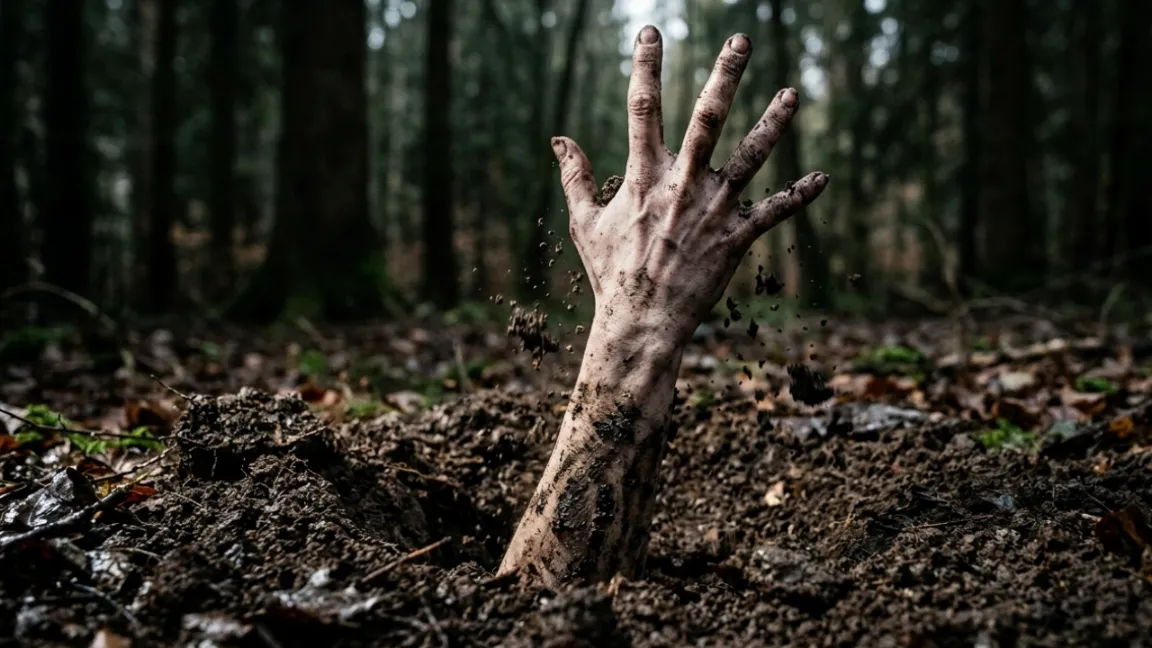
She was kidnapped and Buried Alive for 83 terrifying hours
In December 1968, Barbara Jane Mackle was kidnapped from a Georgia motel and buried alive in a ventilated fiberglass capsule. Perpetrators Gary Steven Krist and Ruth Eisemann-Schier demanded a $500,000 ransom from her family while Mackle remained underground in a remote wooded area for 83 hours.
Following the successful delivery of the ransom, the FBI located and rescued Mackle alive. Both kidnappers were eventually apprehended and convicted. This high-profile case led to significant changes in law enforcement kidnapping protocols and remains a notable example of human resilience and criminal investigation in American history.
December 1968 gave America one of the most horrifying crimes it had ever witnessed. The Barbara Jane Mackle kidnapping didn’t just make headlines — it stopped an entire nation in its tracks. It was the kind of story people couldn’t believe was real, because nothing about it seemed humanly possible.
And yet, every part of it was true.
A Young Woman in the Wrong Place at the Wrong Time
Barbara Jane Mackle was just 20 years old. She came from a wealthy, prominent family — her father was a successful Florida real estate developer — and she was studying at Emory University in Atlanta, Georgia.
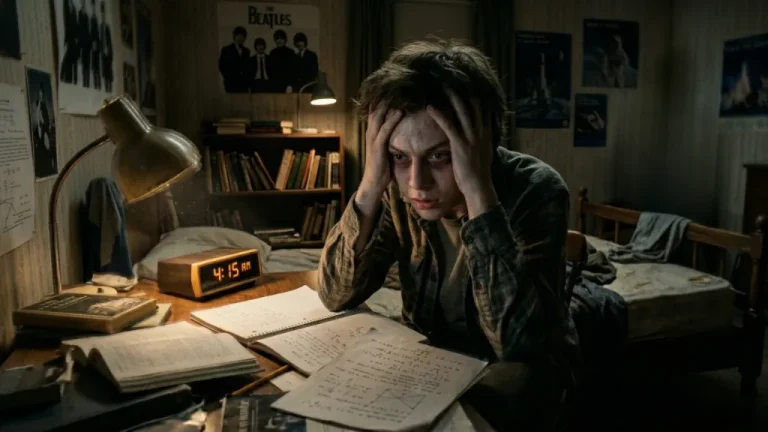
In mid-December, Barbara fell ill with the Hong Kong flu. She checked into a motel near the university with her mother to recover. It seemed like a routine, quiet few days.
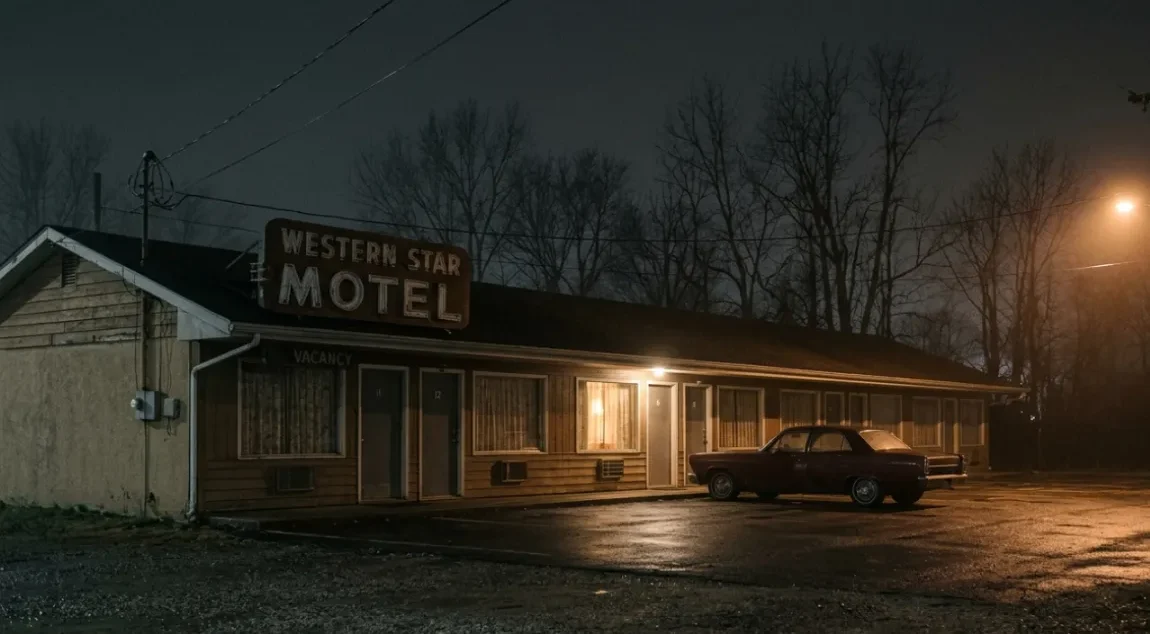
However, two people were already watching.
The Night Everything Changed
On the morning of December 17, 1968, two kidnappers made their move.
Gary Steven Krist — a convicted criminal who had previously escaped from prison — and his accomplice, Ruth Eisemann-Schier, forced their way into Barbara’s motel room before dawn. They overpowered both Barbara and her mother at gunpoint.
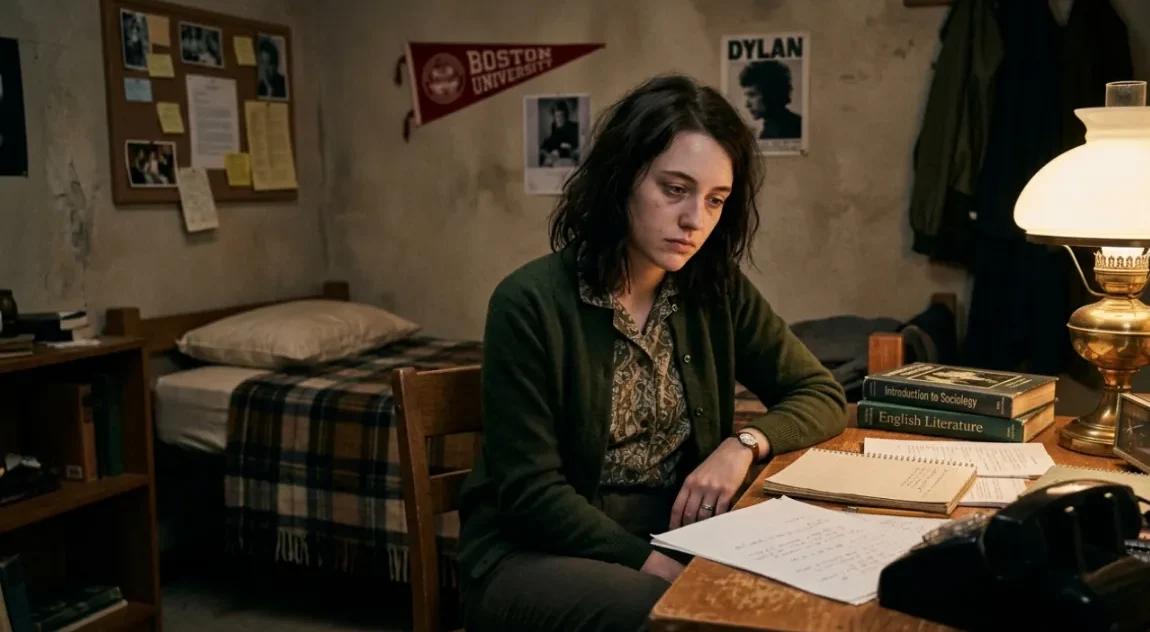
Then they took Barbara and disappeared into the darkness.
Meanwhile, her mother was left behind, shaken and terrified, as the nightmare truly began.
A Plan Months in the Making
What happened next revealed just how calculated and cold-blooded this crime really was.
Krist had spent weeks building an underground prison. He constructed a specially designed fiberglass capsule — essentially a sealed box — and buried it in a remote wooded area north of Atlanta. The capsule was covered with nearly two feet of soil.
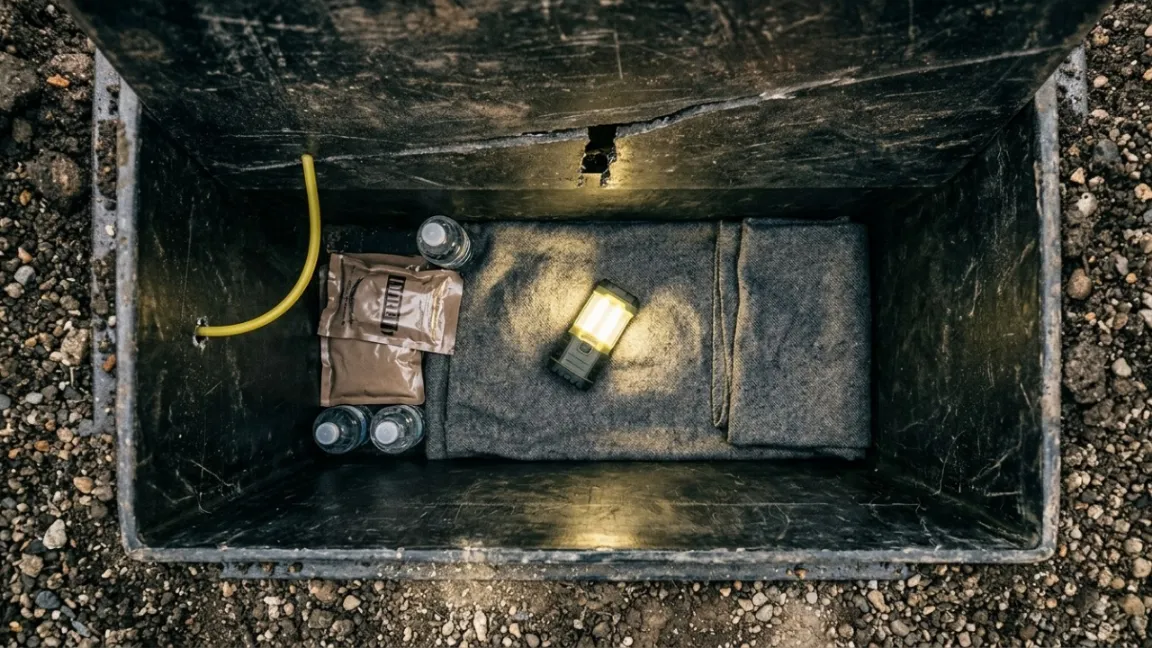
Inside this cramped, pitch-black space, Krist had placed only the bare minimum for survival:
- A small amount of food and water
- Sedative medication
- A battery-powered lamp
- An air pump to push oxygen inside
There was almost no room to move. The box was designed to keep Barbara alive just long enough for the ransom to be paid.
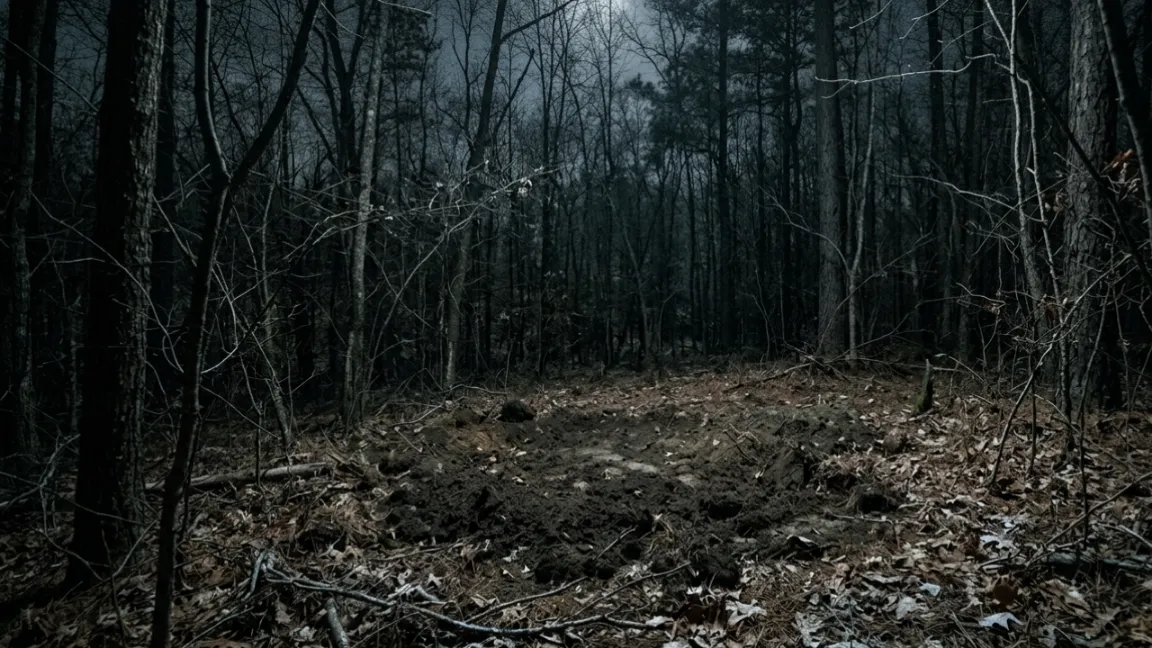
As soon as the kidnappers left, Barbara was left completely isolated—buried deep beneath the earth, with no conceivable avenue for escape.
The Ransom Demand
Krist photographed Barbara inside the capsule to use as proof of life. He then contacted her father, Robert Mackle, and demanded $500,000 in ransom.
For Barbara’s family, those were the most agonizing hours imaginable. FBI agents quickly got involved, working around the clock to coordinate the ransom exchange while trying to locate where Barbara was hidden.
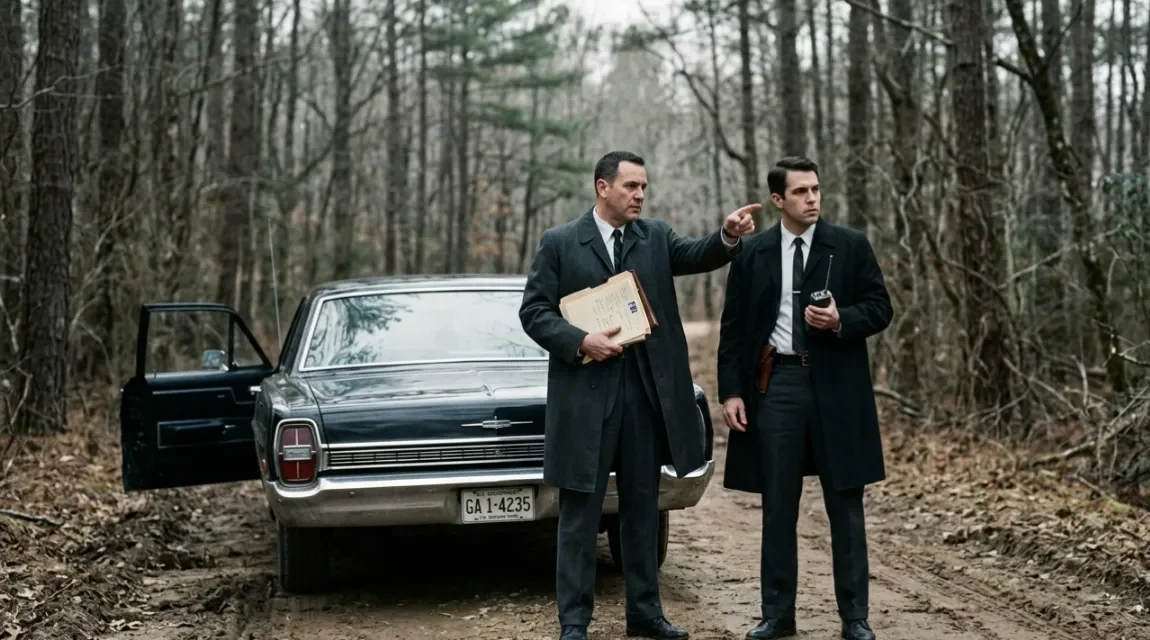
For example, the first ransom drop attempt failed. The exchange didn’t go smoothly, and the money never reached Krist’s hands.
Eventually, on December 19th — two days after the kidnapping — a second attempt succeeded. Krist collected the ransom and fled.
However, he left Barbara still buried underground.
83 Hours Underground
Back in the capsule, Barbara was completely unaware of what was going on above. She didn’t know if the ransom had been paid or if help was on the way. All she could do was wait in the dark.
The air pump kept oxygen moving into the box. The small lamp flickered. The sedatives dulled the worst of the fear. But the psychological toll of being buried alive — not knowing if you’d ever breathe fresh air again — is almost impossible to put into words.
In addition, Barbara was still recovering from the flu. Her body was weakened before any of this had even started.
The Search and the Rescue
The day after collecting the ransom, Krist gave FBI agents vague information about where Barbara was buried. It wasn’t much to go on — but it was enough to start.
Agents and rescue workers descended on the remote Georgia woods and began digging by hand. The terrain was difficult, the area was vast, and every minute counted.
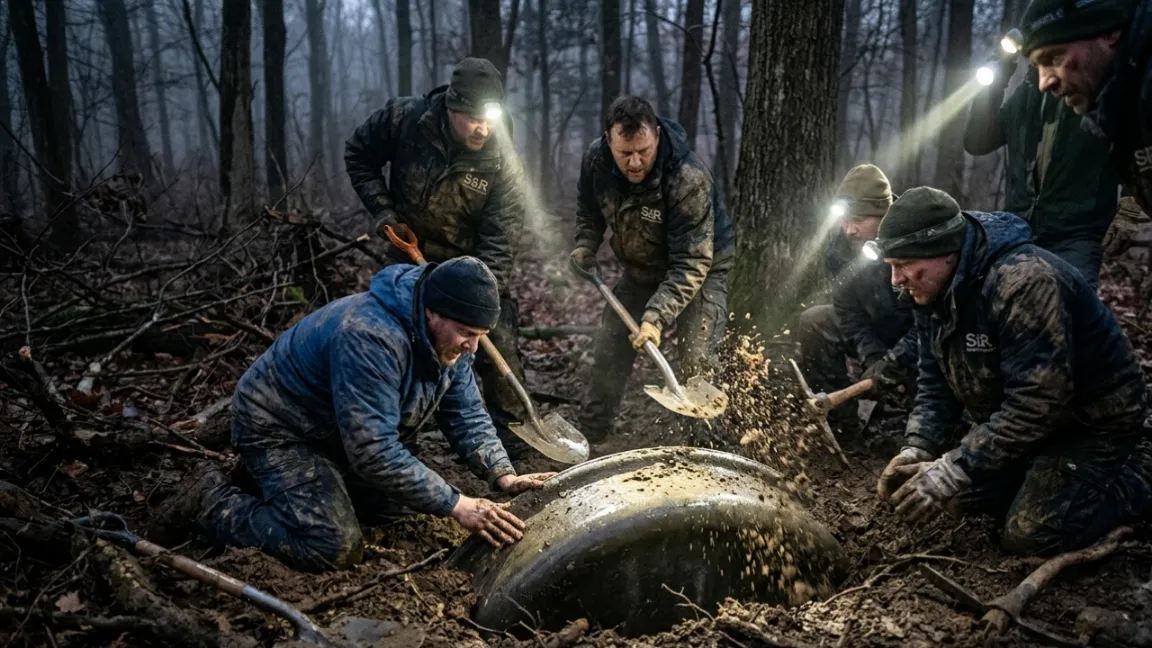
After hours of frantic searching, they found it — the fiberglass capsule buried beneath the Georgia soil.
Workers pried it open.
Barbara Jane Mackle — who had spent 83 hours buried alive underground — was pulled out into the daylight.
She was alive.
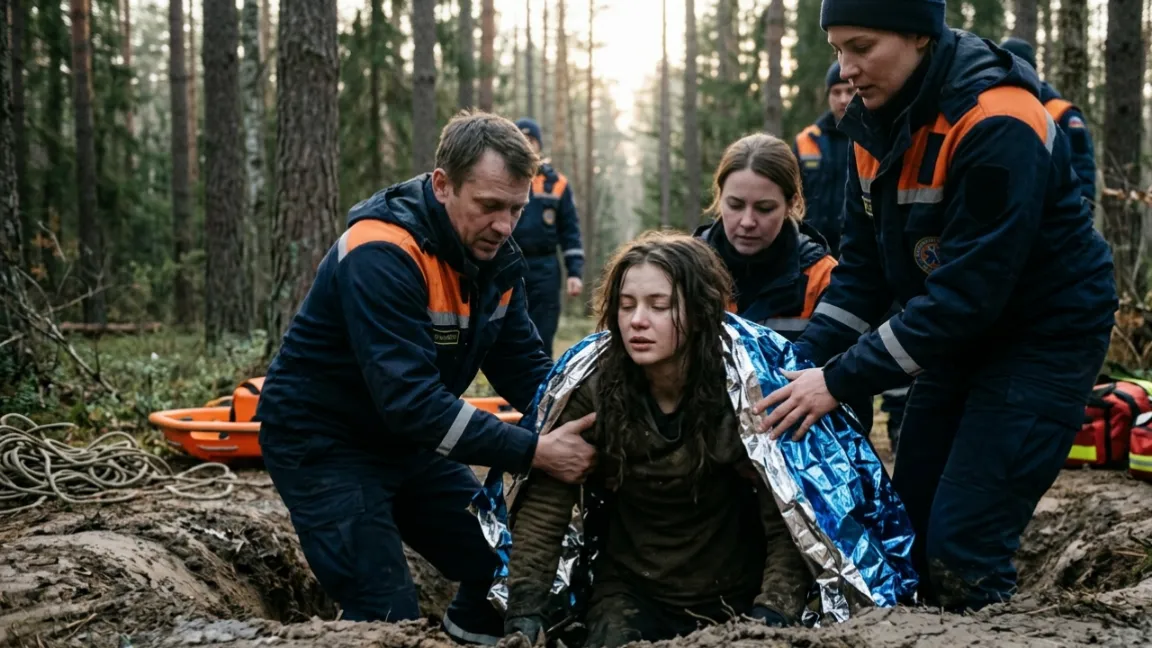
Her first words to the rescuers?
“I’m all right.”
The Aftermath: Justice and Legacy
Gary Steven Krist was captured days later in Florida. He was convicted of kidnapping and sentenced to life in prison, though he was paroled in 1979 — a decision that drew significant public outrage.
Ruth Eisemann-Schier became the first woman ever placed on the FBI’s Ten Most Wanted list. She was captured in 1969 and later deported after serving her sentence.
Barbara Jane Mackle went on to live her life out of the public eye. She later wrote about her experience in a book titled 83 Hours Till Dawn, which she co-authored with journalist Gene Miller.
Because of this case, law enforcement agencies across the country took a closer look at how they handled high-profile kidnappings. The Barbara Jane Mackle case directly influenced FBI protocol and ransom negotiation procedures for years to come.
The Lyon Sisters Vanished in 1975. The Truth Took 42 Years to Surface.
Why This Story Still Matters Decades Later
The Barbara Jane Mackle kidnapping remains one of the most chilling true crime cases in American history — not because of the ransom money, and not even because of the elaborate planning behind it.
It endures because of what Barbara herself endured.
For more than three days, the world kept moving. People went to work, celebrated the holidays, and lived their everyday lives. And underneath the Georgia soil, a 20-year-old woman breathed recycled air, waited in the dark, and refused to give up.
That is what makes this story truly unforgettable.
Survival isn’t always loud or dramatic. Sometimes it looks like lying still in the dark — and choosing to hold on.
Conclusion: The Strength of Barbara Jane Mackle
The Barbara Jane Mackle kidnapping stands as a remarkable chapter in American criminal history. It was a story of meticulous cruelty on one side — and extraordinary human resilience on the other.
Barbara survived 83 hours buried alive, emerged with quiet dignity, and said she was all right. That calm, two-word statement said everything.
Decades later, her story still reminds us that the human spirit — when pushed to its absolute limit — can be far stronger than any box designed to contain it.