
The Pig War: How a Hungry Hog Almost Started a War Between Two Superpowers
The Pig War of 1859 was a diplomatic and military standoff between the United States and Great Britain over San Juan Island. Triggered when an American farmer shot a British-owned pig, the dispute escalated into a significant military buildup that threatened to spark a major international conflict.
Both nations avoided violence through restraint and established a peaceful twelve-year joint occupation of the island. The territorial disagreement was finally resolved via international arbitration in 1872, resulting in the United States gaining control of the territory. The event remains a unique example of successful diplomatic de-escalation.
What if I told you that the United States and Great Britain nearly went to war over a pig eating potatoes?
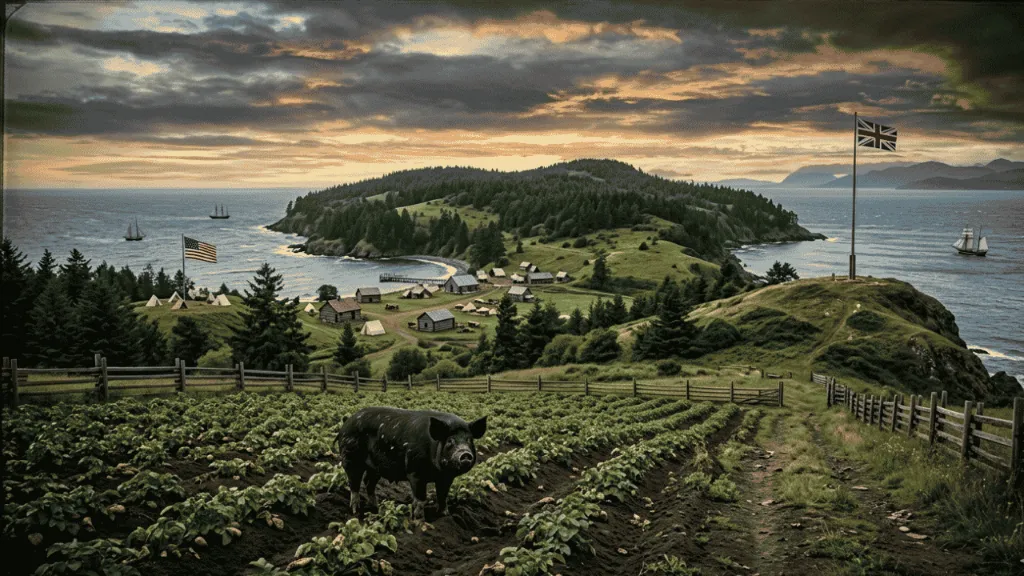
It sounds like a joke. But the Pig War of 1859 was very real — and very nearly catastrophic. Two of the world’s most powerful nations squared off on a tiny Pacific island, armed with cannons, warships, and enough firepower to level a city. All because one fat black hog had a taste for someone else’s garden.
This is one of history’s strangest and most fascinating confrontations — and it deserves to be told properly.
A Border That Nobody Could Agree On
To understand the Pig War, you have to go back to 1846.
That year, the United States and Britain signed the Oregon Treaty, drawing the boundary between their territories at the 49th parallel. Simple enough on paper. However, the treaty left one critical detail dangerously vague — the exact line through the waterways between the mainland and Vancouver Island.
Two shipping channels sat in that zone: the Haro Strait and the Rosario Strait. Each country interpreted the treaty differently. Each country drew the border through the channel that favored them most.
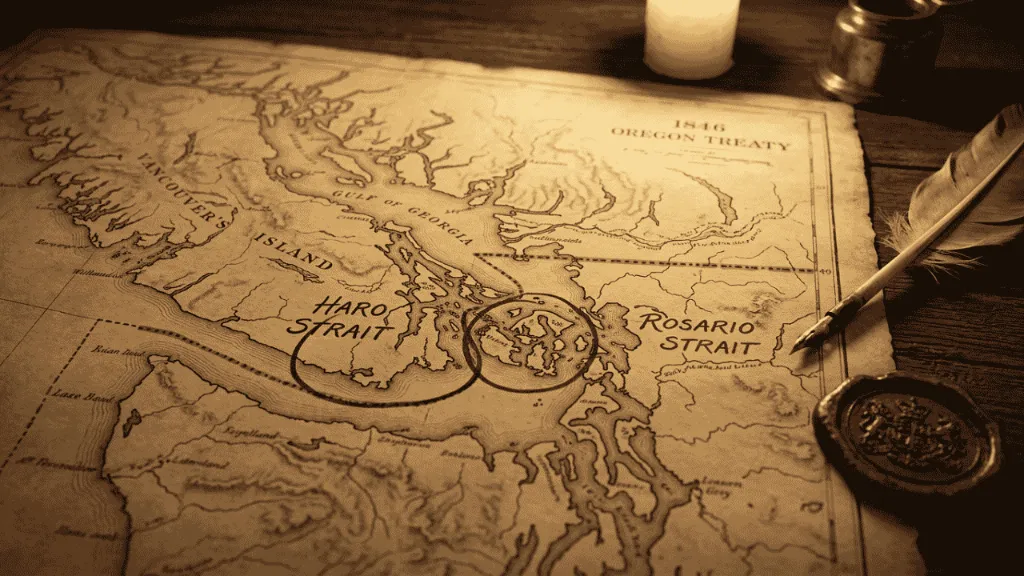
The result? San Juan Island ended up being claimed by both nations at the same time.
Meanwhile, life on the island continued as if nothing was wrong. The British Hudson’s Bay Company set up a sheep farm there. American settlers gradually moved in. For a while, an uneasy but workable peace existed.
Then a pig ruined everything.
The Shot That Almost Started a War
One Farmer, One Pig, One Very Bad Morning
On the morning of June 15, 1859, American farmer Lyman Cutlar walked out to his potato field and found a large black pig rooting through his crops — again.
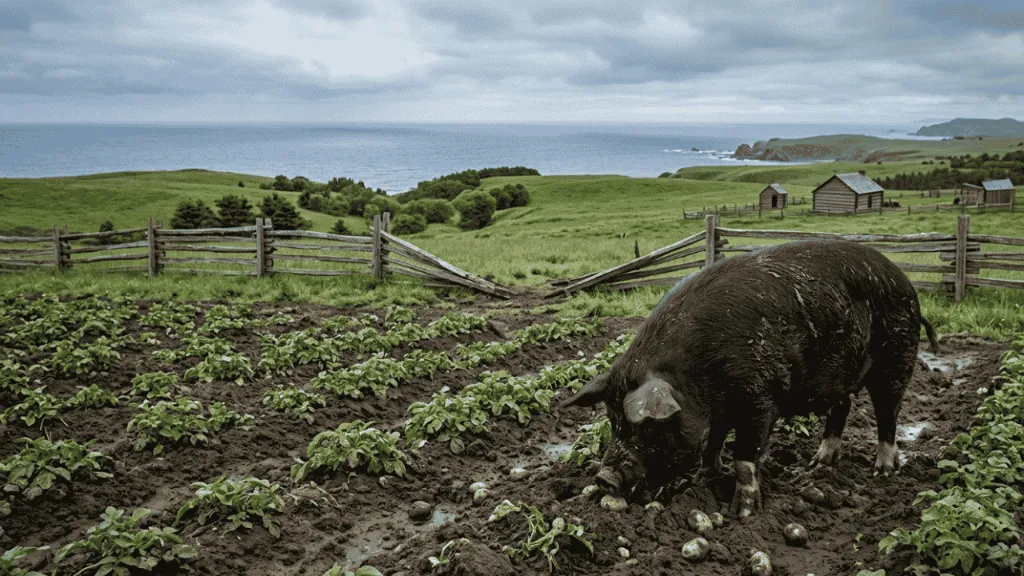
This wasn’t the first time. The pig belonged to Charles Griffin, an employee of the Hudson’s Bay Company. Cutlar had complained to Griffin multiple times. Griffin hadn’t taken the complaints seriously.
That morning, Cutlar had finally had enough.
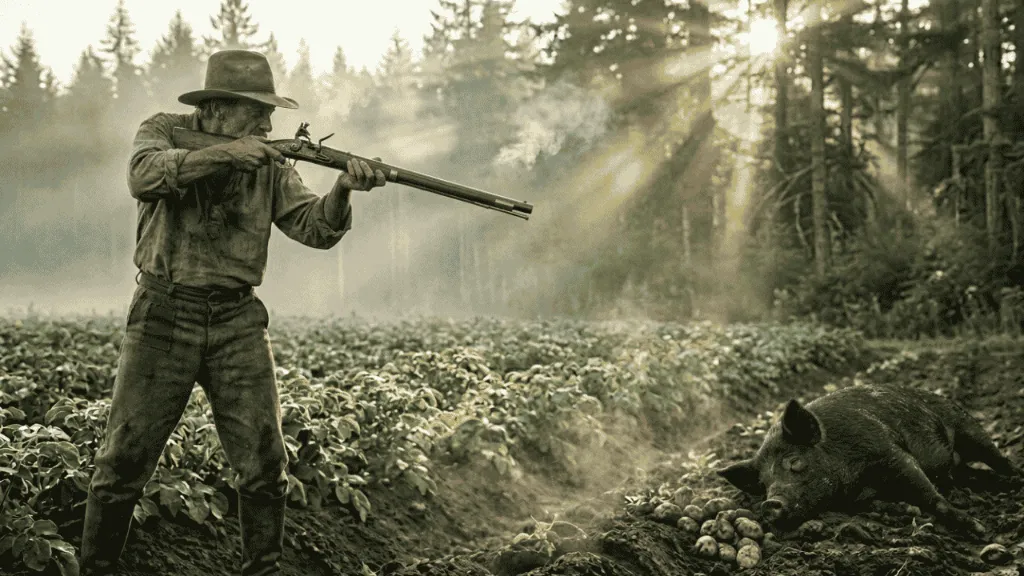
He raised his rifle, aimed, and shot the pig dead.
From Farm Dispute to International Crisis
In a single moment, a simple neighborly quarrel exploded into a diplomatic nightmare.
When Griffin arrived on the scene, Cutlar didn’t try to hide what he’d done. He simply said, “It was eating my potatoes.”
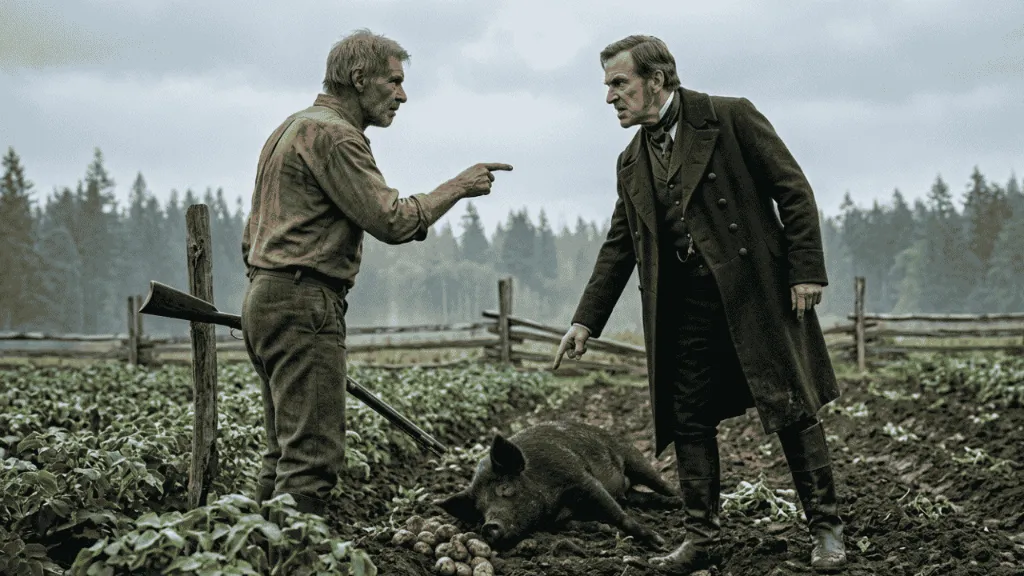
After some back-and-forth, Cutlar offered Griffin $10 in compensation. Griffin refused furiously, insisting the pig was worth $100 — and more importantly, that Cutlar had committed a crime on British soil.
Because of this, British authorities threatened to arrest Cutlar. In response, American settlers panicked and sent urgent requests to Washington for military protection.
The situation escalated with shocking speed.
Cannons, Warships, and a Lot of Whiskey
The Military Buildup on a 20-Mile Island
Within days of the shooting, the United States Army deployed 66 soldiers to San Juan Island under the command of Captain George Pickett — the same man who would later lead the disastrous “Pickett’s Charge” at the Battle of Gettysburg during the Civil War.
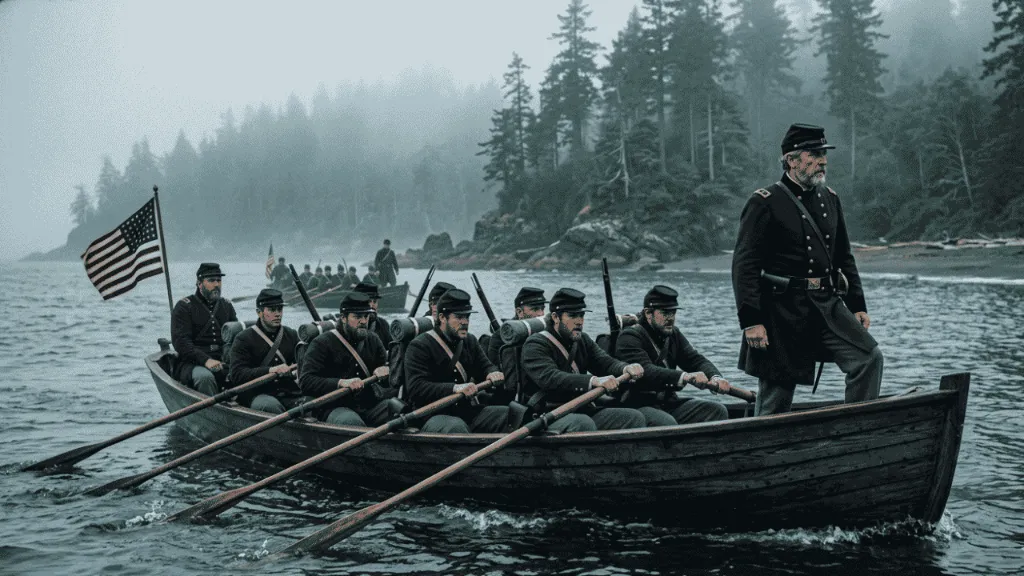
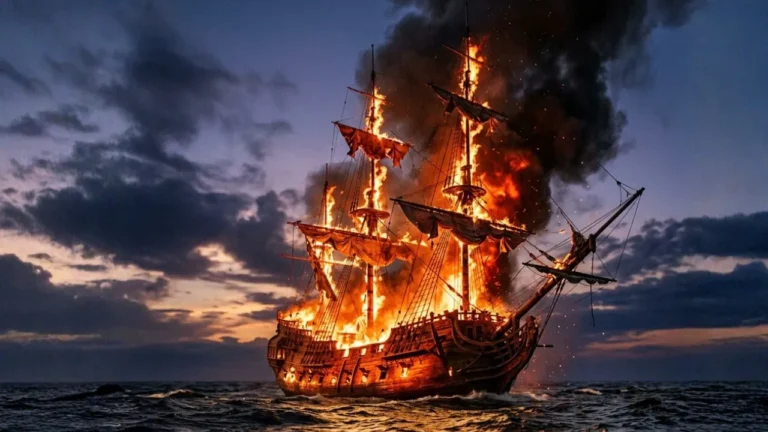
Britain responded by sending three warships.
By August 1859, the numbers had grown almost absurdly large for such a small island:
- 461 American soldiers with 14 cannons
- 2,140 British troops across 5 warships carrying 70 cannons
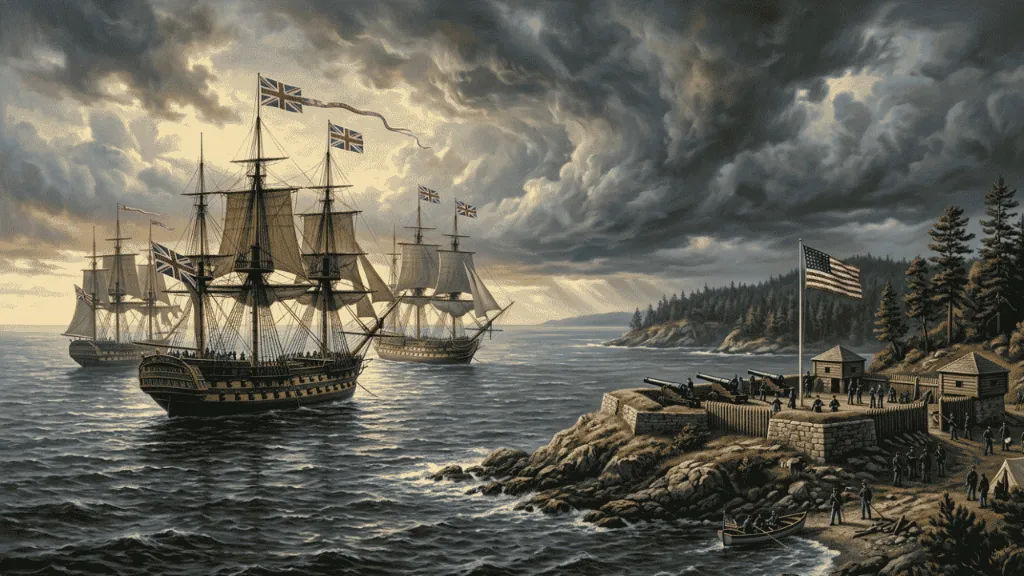
One wrong move. One accidental shot. And two nations would have been at war.
The Strangest Standoff in Military History
However, both governments issued the same quiet but firm order to their commanders:
“Do not fire the first shot.”
And so began one of history’s most bizarre military standoffs.
The soldiers stared at each other across their fortifications. They drilled, drank, and celebrated each other’s national holidays together. They waited for someone on the other side to blink first.
Eventually, a British naval officer named Robert L. Baynes summed it up perfectly. He reportedly refused to escalate the confrontation, saying he would not “involve two great nations in a war over a squabble about a pig.”
The U.S. National Park Service later noted, with some amusement, that the biggest danger during the entire standoff wasn’t the cannons — it was the abundance of whiskey on the island.
Twelve Years of Peaceful Co-existence
An Unlikely Agreement
Both governments eventually agreed to a joint military occupation of the island. American and British soldiers would share San Juan Island until diplomats worked out a permanent solution.
Remarkably, the two camps lived side by side in relative peace for the next 12 years.
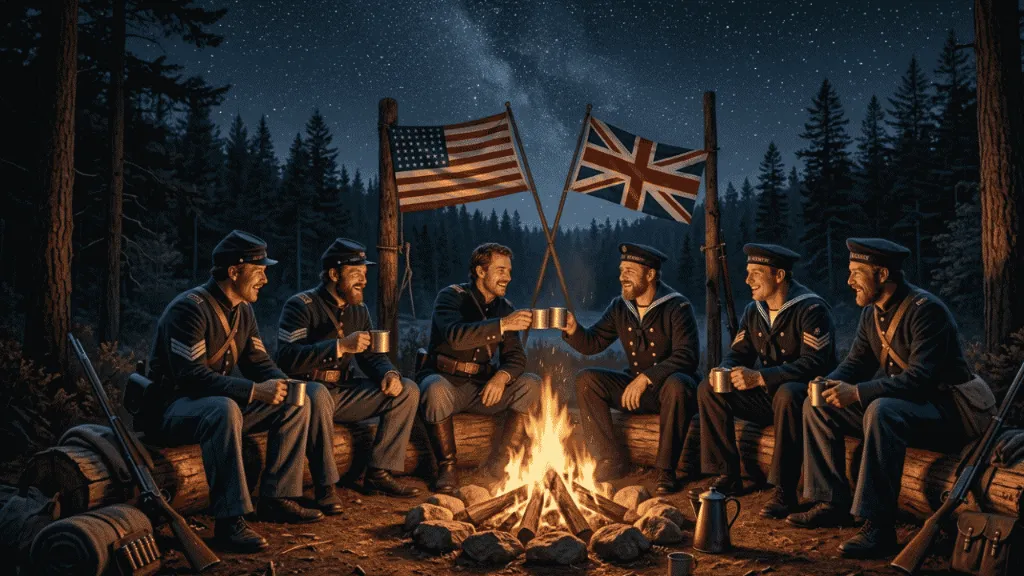
They shared meals, traded supplies, and attended each other’s celebrations. In addition, they reportedly got along far better than the politicians back home who had nearly sent them to kill each other.
The Final Verdict
In 1871, both nations agreed to submit the dispute to Kaiser Wilhelm I of Germany for international arbitration.
After nearly a year of careful review, the decision came in 1872:
San Juan Island belonged to the United States.
The British garrison quietly packed up and sailed away. No blood had been shed. No formal war had been declared. Afterward, the island returned to the peaceful obscurity it had always deserved.
What Was the Total Cost of the Pig War?
The entire conflict — the troop deployments, the warships, the 12-year occupation, the international arbitration — produced exactly one casualty.
One pig.
That’s it.
Why the Pig War Still Matters Today
The Pig War of 1859 remains one of the most extraordinary diplomatic incidents in modern history. Historians widely consider it the most dangerous confrontation between the United States and Britain since the War of 1812.
And yet, it ended without a single human death.
For example, it shows us that cool heads and clear communication can prevent even the most explosive situations from becoming actual wars. Two officers — one American, one British — both refused to fire first. That restraint saved thousands of lives.
It also reminds us that poorly worded treaties create problems that can last decades. A few vague sentences in the Oregon Treaty of 1846 were enough to push two empires to the edge of war over a border neither had properly defined.
Conclusion: History Doesn’t Always Change With Cannons
The Pig War is more than a quirky footnote in history books. It’s a powerful story about how small misunderstandings can spiral into massive crises — and how wisdom and restraint can pull nations back from the edge.
The Pig War of 1859 proves that sometimes the most important battles are the ones that never actually happen.
So next time you read about a political standoff or diplomatic tension, remember: somewhere, a pig eating potatoes nearly brought two empires to their knees.
And reason — not rifles — is what saved the day.