
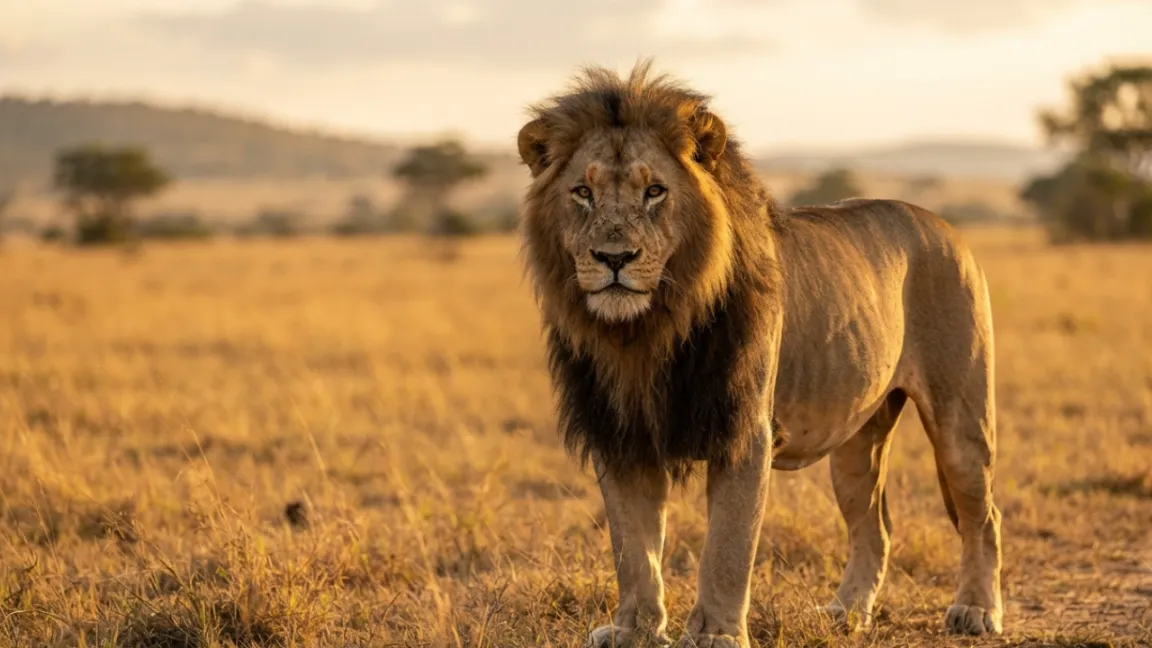
The Rise and Fall of the Mapogo Lion Gang
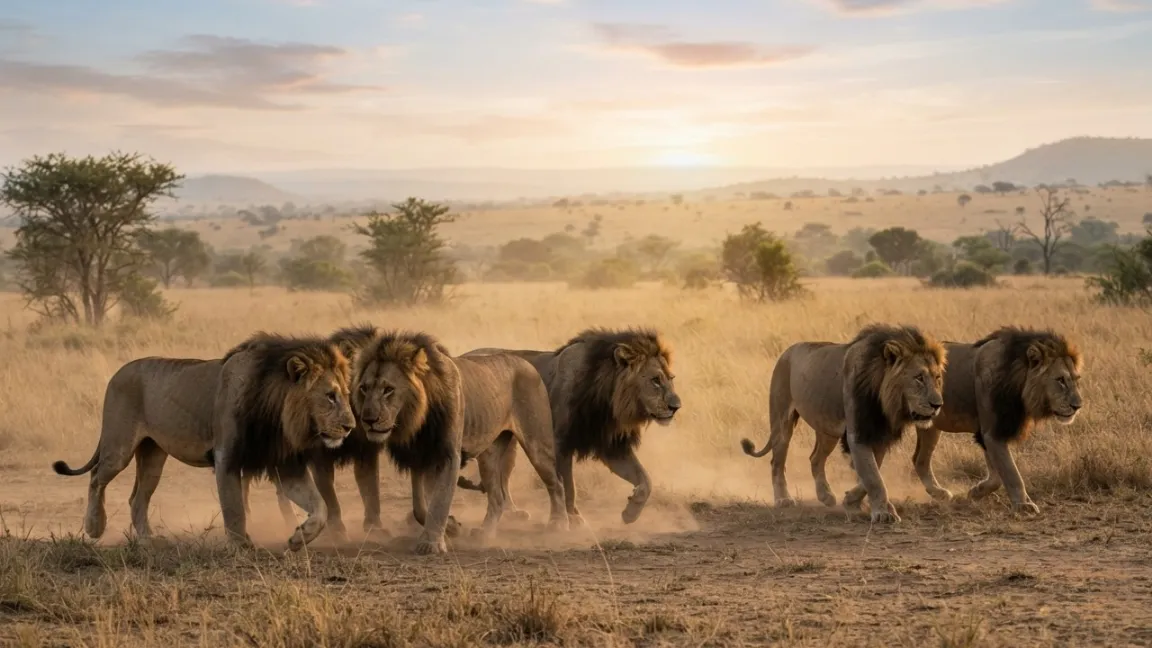
The Mapogo coalition was a powerful group of six male lions that dominated South Africa’s Sabi Sand Game Reserve beginning in 2006. Led by an unrelated male named Makulu, the group used unprecedented violence to seize vast territories. Their aggressive reign significantly altered the local lion population and ecosystem.
Internal conflicts eventually fractured the alliance, leading to the coalition’s downfall as rival groups challenged their control. By 2012, the most prominent members were killed or disappeared, ending their period of total dominance. Their legacy remains a significant case study in complex social structures and extreme wildlife behavior.
In 2006, six male lions walked into South Africa’s Sabi Sand Game Reserve — and nothing about the way lions behave was ever quite the same in that stretch of bush again.
They didn’t sneak in or scout quietly the way a new male usually does before testing a rival’s territory.
They roared their way in, together, like they already owned the place.
Within a year, more than a hundred lions were dead. Rangers had never documented anything like it. And by the time the story ended, the very thing that made these six lions unstoppable would also be the thing that tore them apart.
This is the story of the Mapogo lions — arguably the most infamous lion coalition in modern wildlife history.
Where the Name Mapogo Came From
The name wasn’t chosen by a poet or a wildlife biologist.
It came from a South African security company known for handling criminals with brutal, no-nonsense force. Rangers watching these six lions decided the comparison fit disturbingly well.
For years, researchers and park rangers tracked, filmed, and studied this coalition. In 2015, their story was turned into an Animal Planet documentary: Brothers in Blood: The Lions of Sabi Sand.
By then, the Mapogo name had already become shorthand for something rare — and something rangers hoped they’d never see again.
Six Lions, One Name, and a Broken Rule of Nature
Male lions usually form coalitions of two or three. Almost always, those coalitions are blood brothers.
The Mapogo coalition broke that rule twice over.
First, there were six of them — an unusually large group by any standard. Second, one of them, a lion named Makulu, wasn’t related to the other five at all. He came from a different lineage, joining the group as an older outsider.
Lions almost never accept an unrelated male into their ranks. It goes against everything about how lion society works.
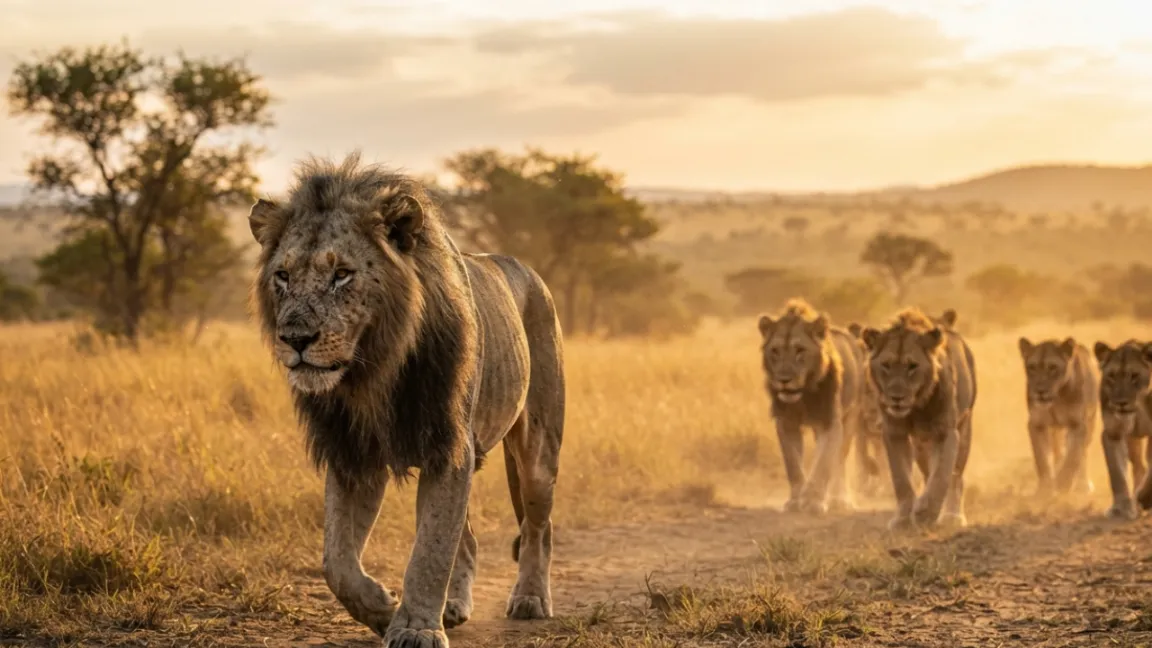
Yet the five brothers — Mr. T, Kinky Tail, Pretty Boy, Rasta, and Dreadlocks (also called Scar) — accepted Makulu. Not just accepted him. They made him their leader.
That single decision changed the fate of an entire reserve.
The Names Behind the Legend
Park rangers gave each lion a distinct, colorful identity:
- Makulu — meaning “big” in Zulu, the older outsider who became chief
- Mr. T — known for a mohawk-style mane and a reputation as the coalition’s most violent member
- Kinky Tail — recognizable by his distinctive bent tail
- Dreadlocks (Scar) — named for his shaggy, matted mane
- Rasta — another of the brothers, sharing a similar mane style
- Pretty Boy — deceptively named for a killer
Together, under Makulu’s leadership, they became something South Africa’s lion population had never encountered before.
A Reign Built on Violence
Once Makulu took charge, the coalition moved with terrifying speed.
They didn’t ease into new territory. They swept through it — killing rival males first, then lionesses, then cubs.
Within months, the coalition dominated over half of the entire Sabi Sand Game Reserve. Over the course of their reign, they killed more than a hundred lions and took control of eight rival prides across roughly 70,000 hectares of territory — effectively the whole of Sabi Sands, the private reserve that shares an unfenced border with the much larger Kruger National Park.
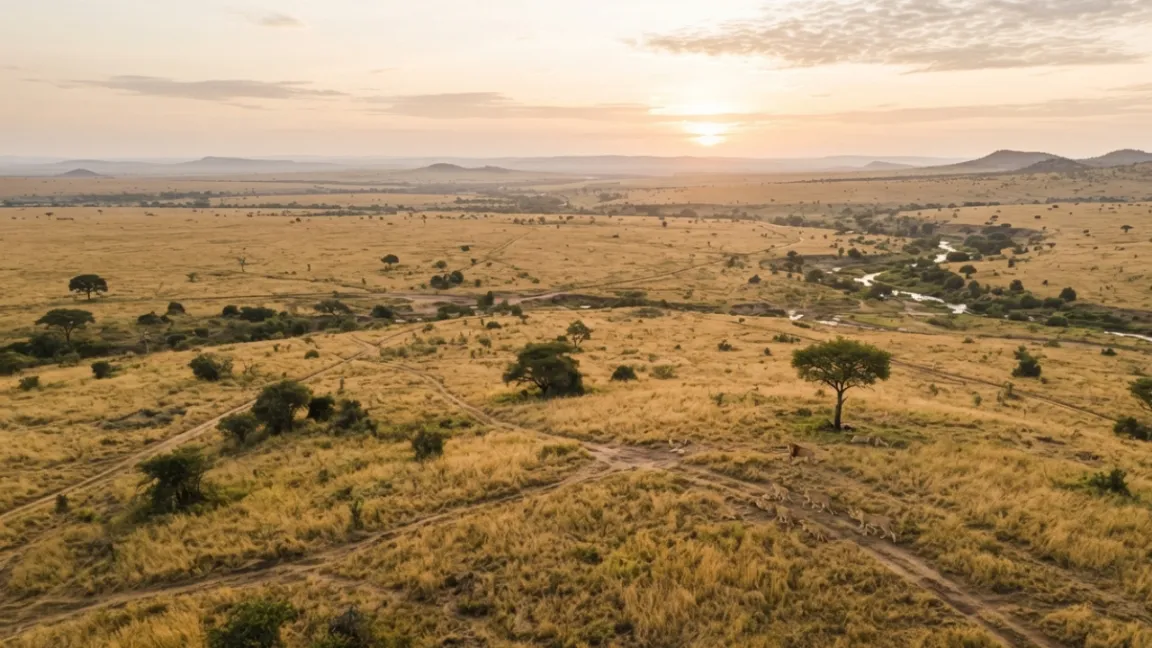
Because of this expansion, the Mapogo males became, for a time, the single dominant force across nearly the entire reserve.
Their hunting didn’t stop at other lions, either. Buffalo, giraffes, and other formidable prey fell to them — Cape buffalo hunting in particular became something of a Mapogo specialty. Often, the killing of rival lions wasn’t about food or territory alone. It was a demonstration of dominance.
When Dominance Turned Into Something Unnatural
Nature has an old, brutal logic: a new dominant male kills a rival’s cubs to make room for his own bloodline.
The Mapogo coalition took that logic and pushed it past its natural limits.
They didn’t just kill rival males, lionesses, and cubs — in several documented instances, they ate them, something lions almost never do to their own species. Reports even describe members of the coalition killing and eating cubs from within their own bloodline if those cubs were seen as future competition.
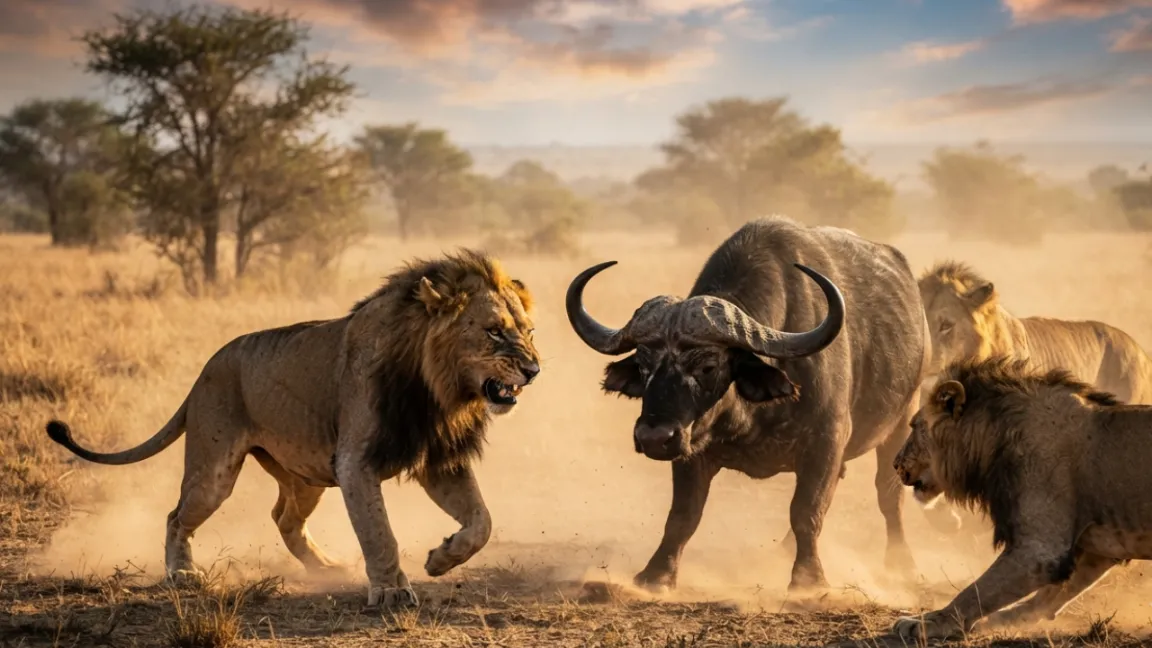
As a result, the Mapogo name became associated with something darker than territorial conquest. It became a symbol of dominance without limits.
The Alliance That Built Them Also Destroyed Them
For years, unity was the coalition’s greatest weapon.
Eventually, it became their undoing.
By 2008, tension had built between Makulu and Mr. T. In a serious fight between the two, Makulu bit through one of Mr. T’s paws and won. Soon after, the coalition split for the first time — Mr. T and Kinky Tail broke away to guard the reserve’s northern territory, while Makulu, Rasta, Dreadlocks, and Pretty Boy held the south.
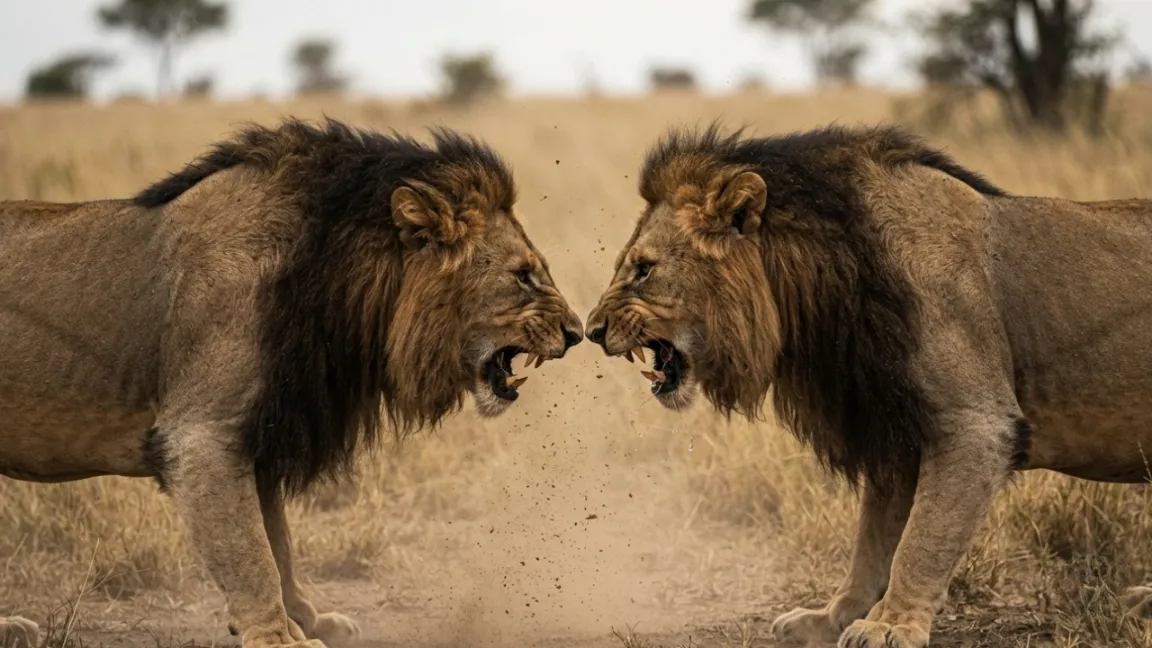
When power is shared, every member of an alliance eventually starts believing the throne belongs to him alone. The Mapogo brothers were no exception.
The Fall of the Mapogo Coalition
In 2010, a new rival coalition — the Majingilane — arrived and challenged the Mapogos for control of Sabi Sands. That confrontation marked the beginning of the end.
Kinky Tail was killed in the fighting, forcing Mr. T to rejoin his brothers in the south. Rasta was killed soon after, also by the young Majingilane coalition. Dreadlocks disappeared during a night patrol and never returned — rangers believe he fell to poachers or a rival coalition, though his fate was never confirmed.
In March 2012, Mr. T — the last of the coalition’s most feared members — was isolated and killed by a younger rival group known as the Selati coalition.
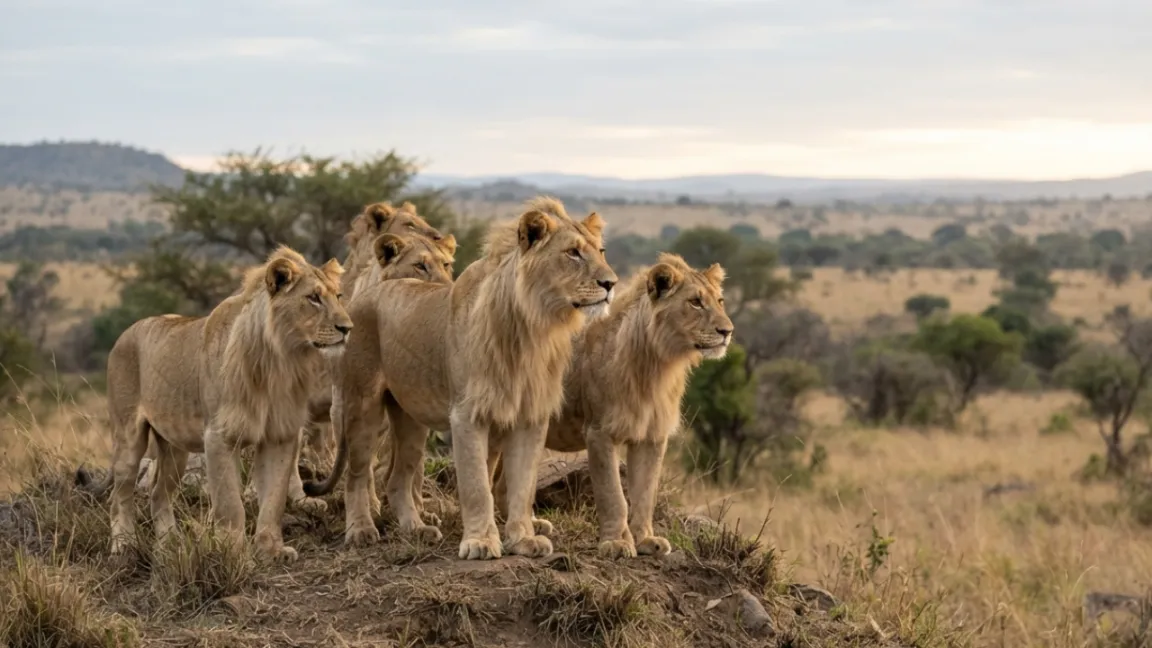
That left only Makulu. The last reports of him place him alive but weakened in early 2013, old and alone, before he too vanished from the reserve.
Why Rangers Chose Not to Stop Them
At the height of their power, wildlife experts debated intervening.
Some argued the Mapogo coalition needed to be contained or relocated before they wiped out every rival pride in the reserve. Their behavior was extraordinary — and undeniably alarming.
In the end, conservation authorities made a deliberate choice not to interfere.
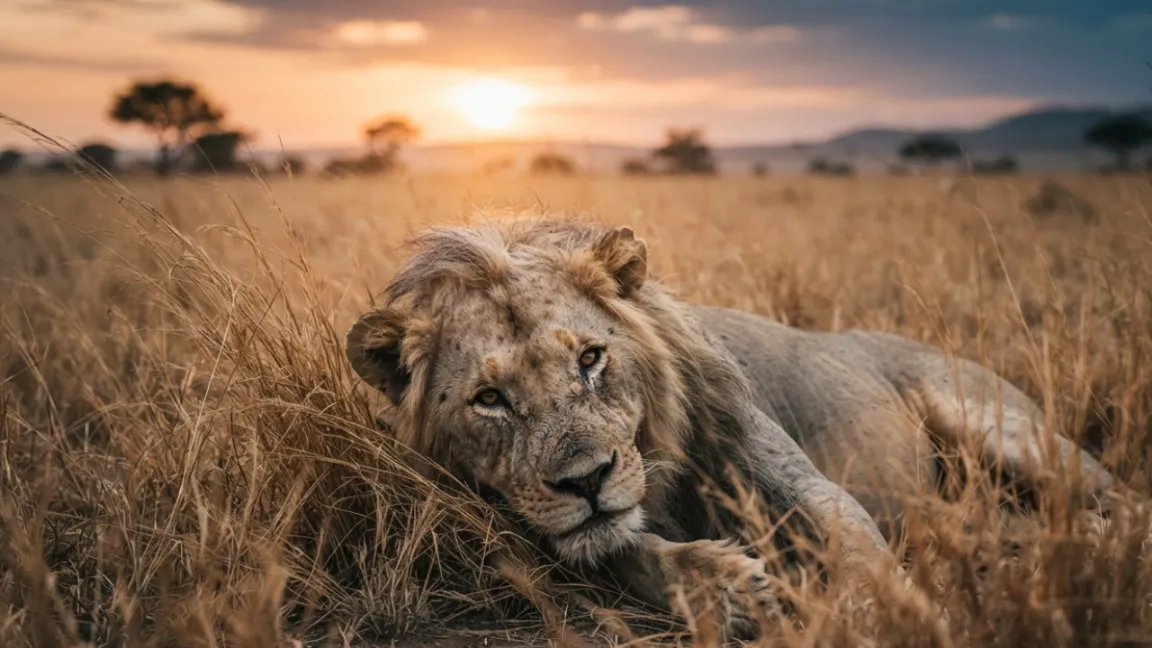
Bloodshed in the wild isn’t cruelty, they concluded. It’s the natural order. Stepping in to protect the weaker side would blur the line between a wild reserve and a zoo.
So nature was allowed to run its course, all the way to the end.
The Baboon Who Ran a Railway Station And Never Made a Single Mistake
What the Mapogo Lions Still Teach Us
Six lions changed the landscape of an entire reserve. Yet none of them survived to grow old together.
Power brought them together. Power tore them apart.
Today, the Mapogo lions exist mostly in documentary footage and the memories of the rangers who tracked them for years. Their reign was brief. Their impact wasn’t.
It’s tempting to file this away as just another wildlife story. Look closer, though, and the pattern feels familiar — alliances built for conquest, territory seized by force, and loyalty that eventually turns on itself.
The claws and fangs are different in the human world. The instincts, disturbingly, are not.
Sometimes the clearest lessons about power don’t come from history’s human figures at all. Sometimes they come from six lions in the South African bush who, for a few unforgettable years, answered to no one.