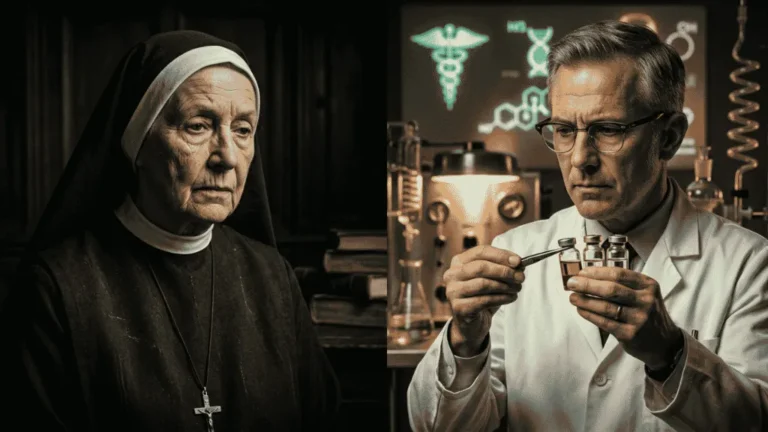


She Killed Two People. Then She Changed a Nation.
Karla Faye Tucker was executed in 1998 for a double murder committed during her youth. While on death row, she underwent a widely publicized spiritual transformation, becoming a prison preacher and garnering international support for clemency. Her case sparked a national debate regarding legal accountability versus personal redemption.
Despite appeals from global leaders and the public, the Texas legal system upheld her sentence. Authorities determined that religious conversion did not negate the severity of her original crimes. Tucker’s execution remains a significant historical example of the tension between judicial punishment and the possibility of human change.
A Texas death row inmate smiled as she closed her eyes for the last time. The doctor checked her pulse, stepped back, and said something no one in that room had ever expected to hear:
“I have never witnessed such a peaceful death.”
Those words didn’t come from a saint or a martyr. They came after a lethal injection was administered to a convicted double murderer — a woman who had lived most of her life in the darkest corners of society.
But who was Karla Faye Tucker? And why did her execution shake America to its core?
A Childhood That Never Stood a Chance
Karla Faye Tucker never had a normal childhood.
Her mother worked as a prostitute, and from a very young age, Karla was brought along into that world. She was exposed to drugs before most children learn to read. By the time she entered her teenage years, addiction had already taken hold.
For ten years, that life consumed her entirely.

Meanwhile, the people around her pulled her deeper. She saw no way out — and for a long time, she didn’t look for one.
The Night Everything Collapsed
Eventually, Karla decided she wanted out of prostitution. But the path she chose next would seal her fate.
Together with her boyfriend, she hatched a plan to steal a car. It was supposed to be a quick robbery. Instead, the situation turned violent. When their victims resisted, Karla and her boyfriend panicked — and killed them both.
An American couple lost their lives that night.

Days later, both suspects were arrested. The court heard the case, reviewed the evidence, and handed down its verdict: death by lethal injection.
The appeals process dragged on for years. And during that time, something happened inside Karla Faye Tucker that no one saw coming.

The Transformation No One Expected
The Karla who entered death row was loud, foul-mouthed, and volatile. Prison staff braced themselves.
But one day, she picked up a Bible.
At first, no one paid much attention. However, weeks passed — and she didn’t put it down. She withdrew from social interactions. Her language changed. Her behavior changed. She began spending hours alone in her cell, reading quietly.
A year later, she had become a prison preacher.
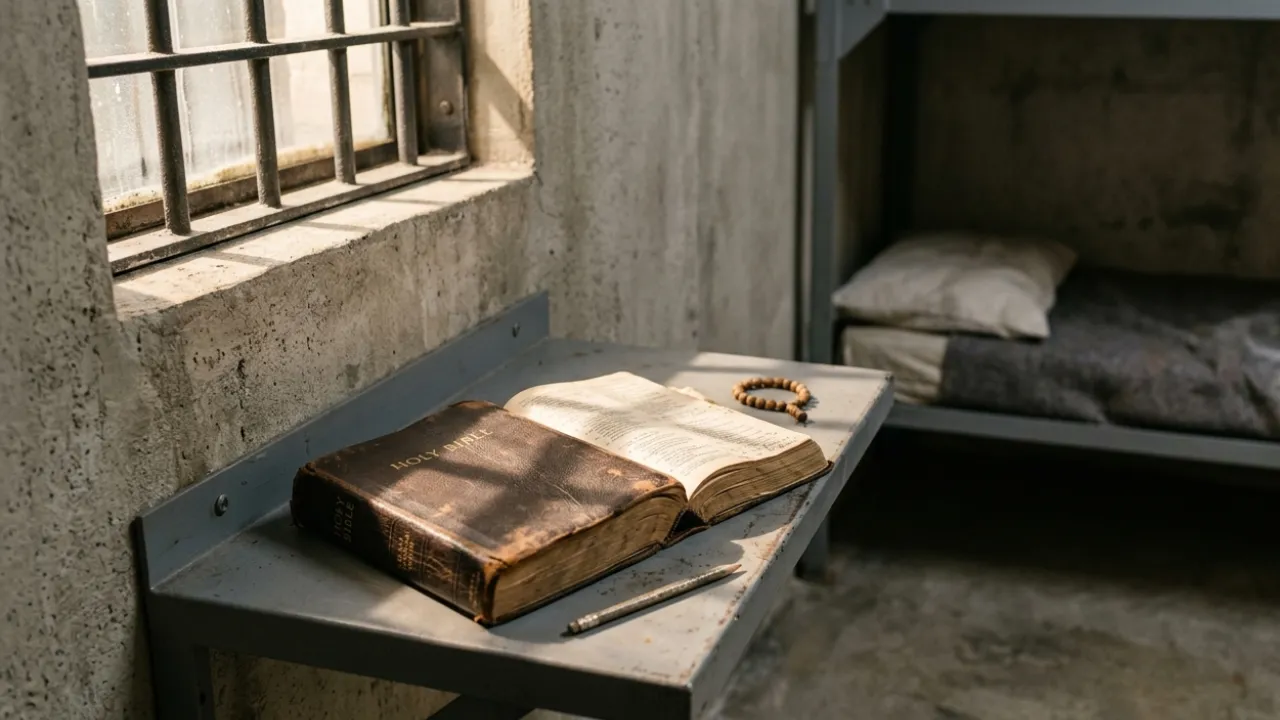
Not just in name — but in effect. Her words carried weight. Other inmates listened. People who had dismissed her as a cold-blooded killer began following her lead. A quiet spiritual revolution moved through the prison walls.
When the media caught wind of it, they arrived in force.
A Nation Divided
Headlines with Karla’s name spread across every major newspaper in America.
Human rights organizations launched a “Save Karla” movement. Protests erupted outside the Texas Governor’s mansion. For the first time in living memory, Pope John Paul II formally petitioned an American court to grant clemency.
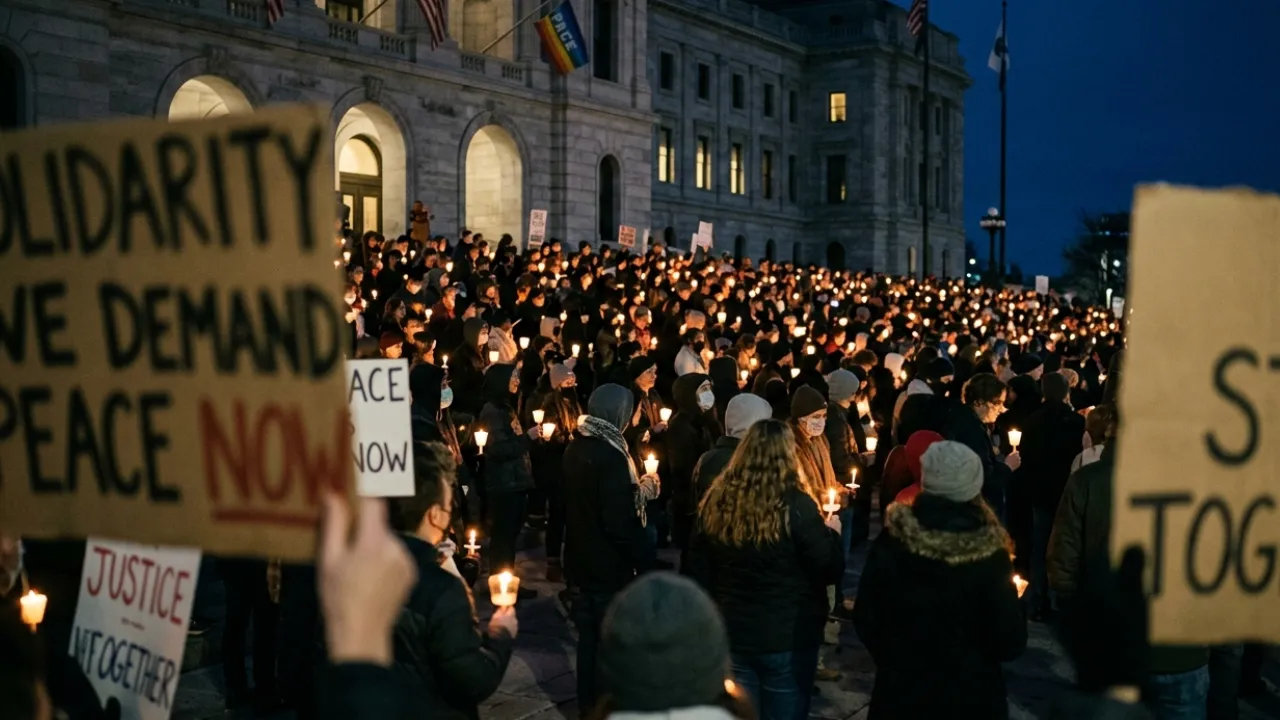
The court said no.
Fifteen days before her scheduled execution, CNN’s Larry King sat across from her in that prison and conducted one of the most-watched jailhouse interviews in American television history.

After it aired, the response was immediate. Millions of Americans said the same thing:
“That is not the woman who committed those murders.”
Larry King asked her directly, “Aren’t you afraid of death?”
Karla answered without hesitation. Calm. Collected.
“No. I want to meet the God who changed my entire life.”

The Final Appeals
Public pressure mounted from every direction.
Citizens filed mass clemency petitions before the Texas Board of Pardons and Paroles. The Board refused.
Crowds gathered outside the home of Texas Governor George W. Bush. Reverend Jesse Jackson — one of America’s most prominent civil rights leaders — publicly sided with Karla and urged the Governor to intervene.
Bush listened. Then he gave his answer:
“I have sympathy for Karla and for Reverend Jackson. But I was made Governor to uphold the law — not to pardon it away. Even if she were an angel, the sentence for murder cannot be set aside.”
Two days before the execution, the case reached the Supreme Court. The presiding judge returned the petition without review. His statement cut through all the emotion:
“Even if the entire world declared this woman a holy figure, American law provides no relief for someone who took two lives without mercy. We are accountable to the two bodies Karla left behind.”
February 3, 1998
On that night, Karla Faye Tucker was escorted to the execution chamber at the Mountain View Unit in Huntsville, Texas.
She lay down, smiled, and closed her eyes.

The doctor administered the injection. Minutes later, he checked her pulse and made his announcement — the one that reporters would quote for years afterward.
She was 38 years old.
The Strange Afterlife of Elmer McCurdy
What Karla Faye Tucker’s Story Still Means
The case of Karla Faye Tucker raises questions that American society has never fully resolved.
Can a person truly change? If they do — does it matter legally? Where is the line between justice and mercy?
The courts gave their answer clearly: transformation does not erase accountability. The law exists to answer for victims, not to reward perpetrators — however genuine their redemption may appear.
And yet, the story of Karla Faye Tucker stays with people. Not because she escaped justice, but because she didn’t.
She walked into that chamber not as the woman she once was — but the justice system was never designed to judge who a person becomes. It was designed to answer for what they did.
That distinction is the heart of this story.
In this world, only one thing protects you from the machinery of justice: never setting it in motion.