
The Fertility Drug Made From Nuns’ Urine: The Unbelievable True Story of Pergonal
It sounds like something out of a fiction novel. Elderly Catholic nuns in Italian retirement homes are collecting their urine every single day. Tank trucks hauling it across the country. A young Jewish scientist standing before a corporate boardroom, pleading for funding — and walking out in tears.
But this is not fiction. This is the origin story of Pergonal, one of the most important fertility drugs ever created.
Because of this unlikely chain of events, hundreds of thousands of people around the world who struggled with infertility were able to have children.
It Started With a Scientist and a Simple Discovery
Back in the 1940s, an Italian scientist named Piero Donini made a quiet but revolutionary discovery.
He identified two hormones — known as LH (Luteinizing Hormone) and FSH (Follicle-Stimulating Hormone) — that play a key role in helping a woman’s ovaries release eggs. Without these hormones functioning properly, pregnancy becomes extremely difficult.
Donini tested urine samples from hundreds of women and noticed something striking. Women who had gone through menopause had significantly higher levels of LH and FSH in their urine.
The reason? After menopause, the ovaries stop producing eggs. As a result, the body continues to produce increasing amounts of LH and FSH in a desperate attempt to restart the process. The hormones build up and are excreted from the body in urine.
This gave Donini an idea. What if those hormones could be extracted and used to help infertile women get pregnant?
He called his hormone extract Pergonal — from the Italian meaning “from the gonads.”
The Formula Existed. The Problem Was Supply.
Donini had the formula. He had the science. However, turning this discovery into an actual medicine required a massive amount of urine from post-menopausal women.
We’re not talking about a few bottles. We’re talking about thousands of gallons.
For nearly a decade, the idea sat dormant. No one could figure out how to produce Pergonal at scale. Donini’s research paper went largely unnoticed, buried in the medical literature.
Eventually, that changed.
A Young Medical Student Enters the Picture
In the early 1950s, a young Jewish medical student named Bruno Lunenfeld, working in Geneva, came across Donini’s research.
Lunenfeld was deeply motivated. He came from an Austrian Jewish family and had witnessed the devastating impact of the Holocaust on Jewish populations. He wanted to help increase birth rates within those communities.
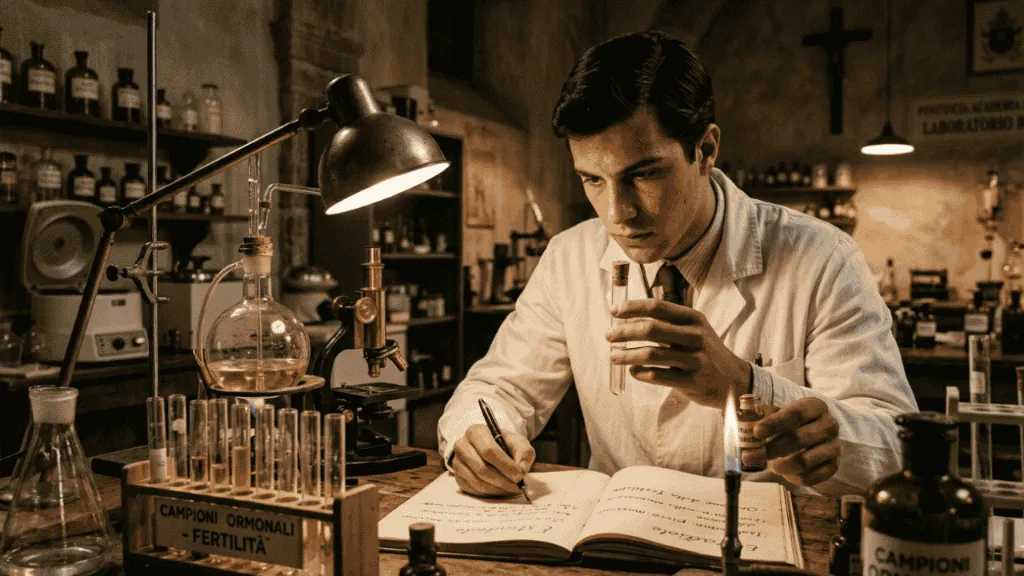
He reached out to Donini directly. The two connected, and Lunenfeld became passionate about turning Pergonal into a real, usable treatment.
However, passion alone wouldn’t be enough. He needed money, infrastructure, and a pharmaceutical company willing to take the risk.
The Boardroom Rejection That Made Him Cry
Lunenfeld approached the executives at Serono, an Italian pharmaceutical company. He laid out the science, the potential, and the humanitarian case for developing Pergonal.

Then came the hard part. He asked the board of directors to help find 400 post-menopausal women willing to collect their urine every single day.
The boardroom listened politely. They applauded.
Then the chairman stood up.
“Very good,” he said, “but we are a pharmaceutical factory, not a urine factory.”
Lunenfeld later told an Israeli newspaper: “I ran out crying.”
The Pope’s Nephew Changed Everything
Lunenfeld wasn’t done yet. A Serono executive introduced him to Giulio Pacelli, a member of Italian aristocracy, a Serono board member, and the nephew of Pope Pius XII himself.
Pacelli took a genuine interest in Lunenfeld’s work. After several meetings, he agreed to return to the Serono boardroom with Lunenfeld.
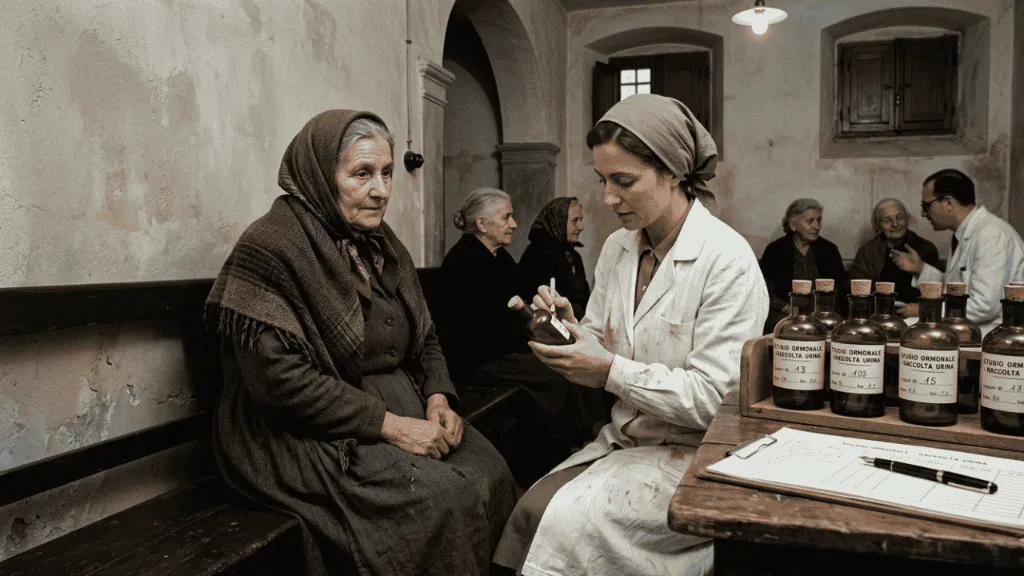
Pacelli delivered the same scientific speech Lunenfeld had given ten days earlier. Word for word. Then he added one sentence.
“My uncle, Pope Pius, has decided to help by asking the nuns in old age homes to collect their urine daily for this holy cause.”
The boardroom approved the project immediately.
It was later revealed that the Vatican held a 25 percent stake in Serono.
The Nuns Who Made Medical History
Soon afterward, tank trucks began rolling across Italy.

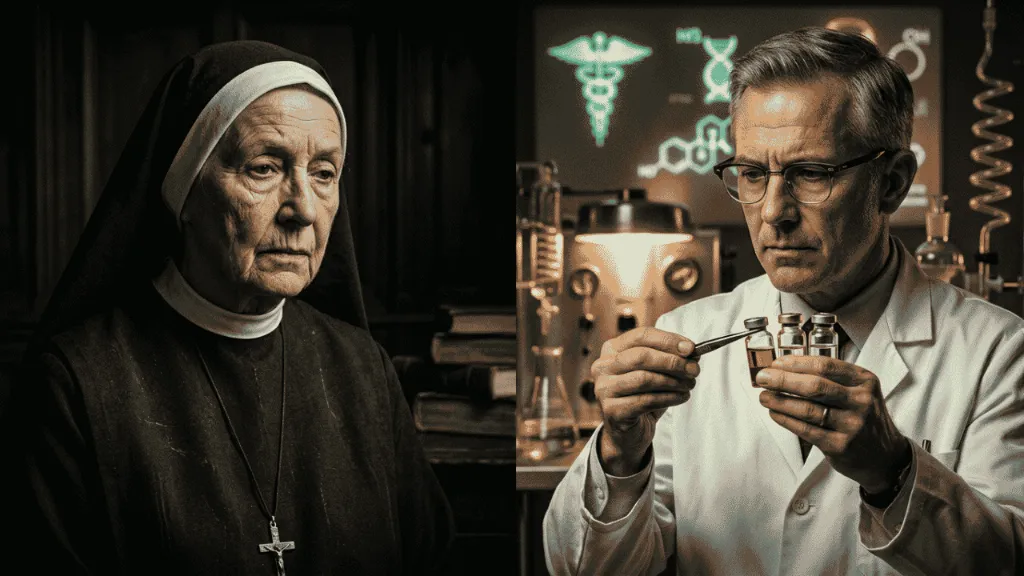
Hundreds of elderly Catholic nuns in retirement homes across the country started collecting their urine every day. The trucks transported it straight to Serono’s headquarters in Rome for processing.
The numbers were staggering. It took approximately ten nuns, ten days to produce enough hormone extract for just one fertility treatment.
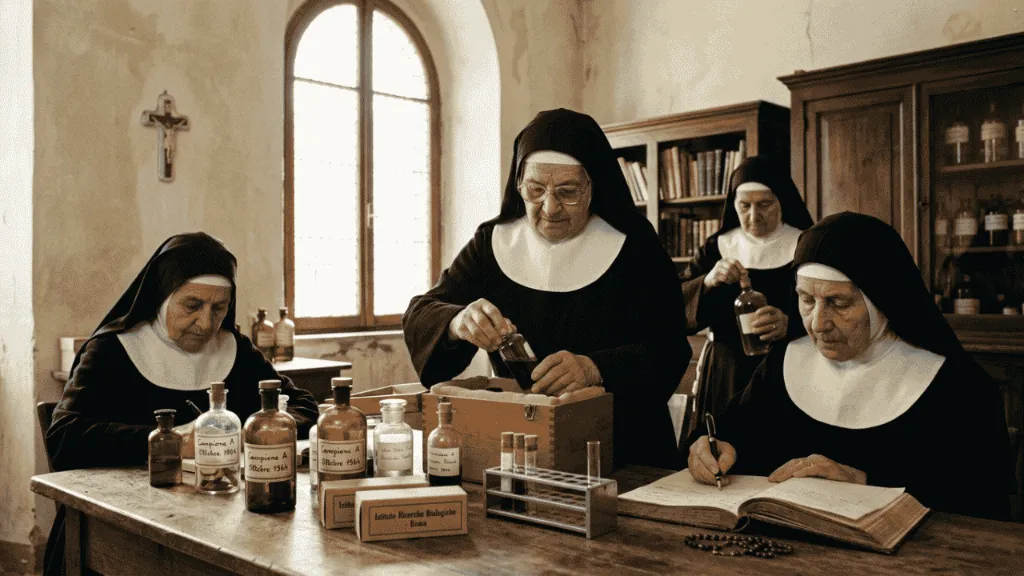
Meanwhile, scientists at Serono worked on refining the extraction process. The mission was simple: purify the hormones, formulate the drug, and get it to patients.
The First Baby Born From Pergonal
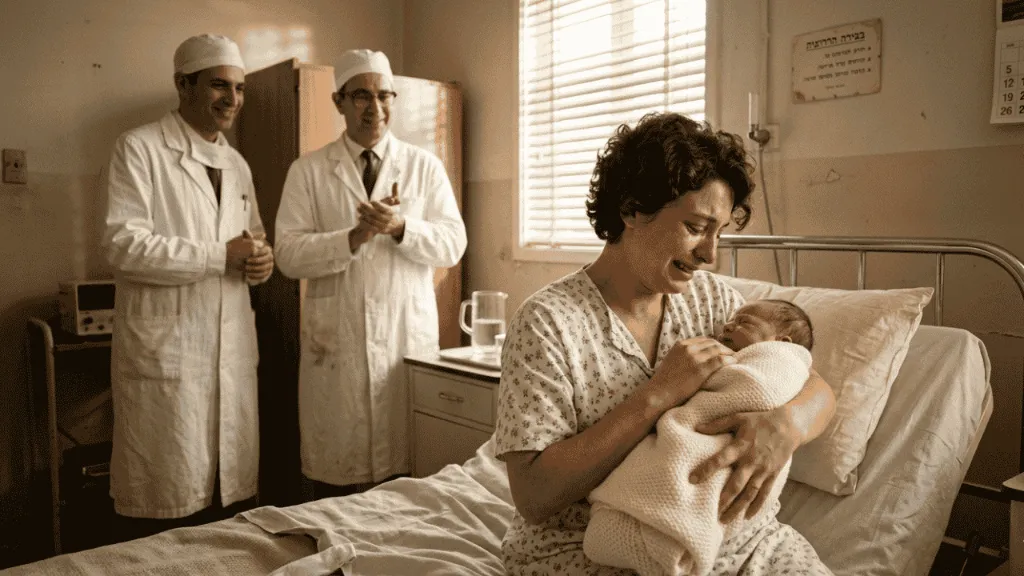
In 1962, a woman in Tel Aviv became pregnant after receiving Pergonal treatment. She delivered a healthy baby girl.
It was the first live birth in human history resulting from this kind of hormone-based fertility therapy.
Within two years, Pergonal had helped produce 20 more pregnancies. Word began to spread through the medical community.
By October 1964, the New York Times reported that US distributors had issued a notice that Pergonal was available for research use only. That same article noted successful multiple births in Queens, New York, and Sweden.
America Gets Onboard
By the early 1970s, American women had started using Pergonal regularly. Demand grew fast.
In the mid-1980s, Serono needed 30,000 liters of urine per day to keep up with demand.
In January 1982, the US Food and Drug Administration approved Pergonal for use in men as well. For men whose pituitary glands fail to produce adequate LH or FSH, sperm production stops completely. Pergonal offered a way to treat this.
Researchers estimated that between 10,000 and 50,000 men could benefit from the treatment. In clinical studies, some patients saw results within six to nine months. Others needed several years of treatment.
The Multiple Births Controversy
Pergonal’s success came with complications. Because the drug stimulates the ovaries so aggressively, it sometimes causes multiple eggs to be released — leading to multiple pregnancies.
In May 1985, a couple in California made headlines when they had septuplets — seven babies born at once after Pergonal treatment. The couple filed a lawsuit against their fertility clinic, claiming the drug was not properly monitored.
The father, Samuel Frustaci, told reporters: “We weren’t trying to set any records.”
Tragically, only three of the seven babies survived. Each faced serious developmental and medical challenges.
However, as research improved and doctors learned to monitor patients more carefully, the rate of multiple births dropped significantly. Serono’s president later stated that 80 percent of women who used Pergonal had a single baby, while 15 percent had twins.
The Nuns Were Eventually Replaced
By the 1990s, the global demand for Pergonal had grown beyond what any number of nuns could supply.
Fortunately, science caught up. Pharmaceutical companies found a way to synthesize the hormones in a laboratory setting. The resulting drug — called Gonal-F — received approval in 1995.
Serono continued producing both versions. Eventually, in 2007, the pharmaceutical giant Merck acquired Serono. The company continues to manufacture fertility treatments to this day.
The elderly Italian nuns — their quiet, daily contribution to one of medicine’s greatest breakthroughs — were no longer needed.
Why This Story Still Matters
The story of Pergonal is stranger than most people could imagine. It crosses religion, science, tragedy, politics, and human desperation in a way that few medical breakthroughs do.
A Jewish scientist motivated by the Holocaust. A Catholic pope greenlighting a project by putting his personal authority behind it. Hundreds of nuns fill collection jars in their retirement homes. A boardroom that went from laughing someone out of the room to writing checks.
In addition, this story reminds us that medical progress is rarely clean or straightforward. It is messy, human, and sometimes deeply surprising.
For every family that struggled with infertility and eventually held a baby in their arms — thanks in some part to this drug — the story of Pergonal is nothing short of a miracle.
Conclusion: A Legacy Written in Science and Faith
The fertility drug Pergonal stands as one of the most unusual success stories in modern medicine. What began as a forgotten research paper in 1940s Italy eventually became a treatment that helped hundreds of thousands of people become parents.
It took a grieving young scientist, a pharmaceutical gamble, a papal blessing, and the quiet daily devotion of hundreds of Italian nuns to make it happen.
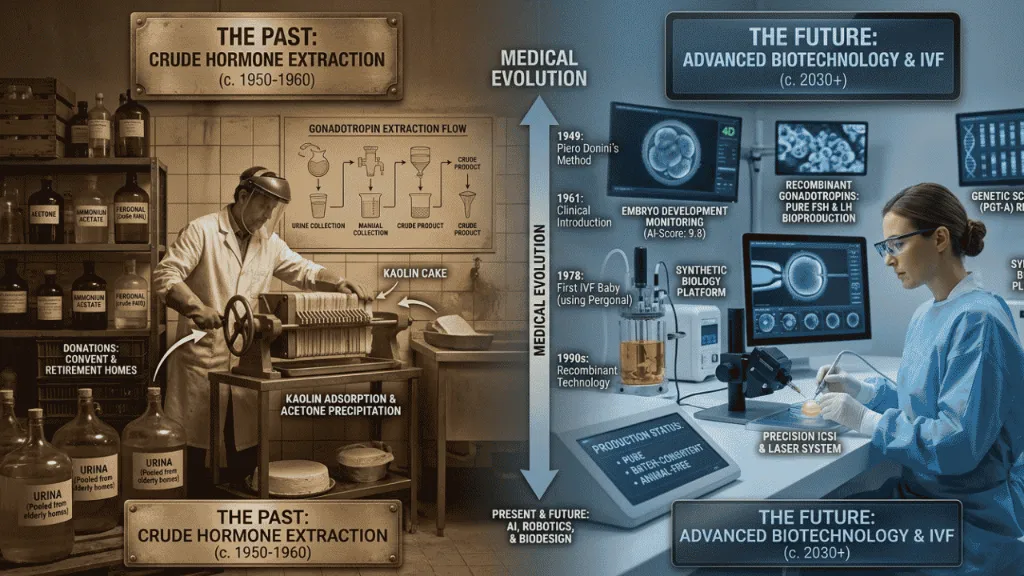
Today, laboratory science has replaced the need for urine collection. However, the legacy of that extraordinary collaboration — between science and faith, between desperation and discovery — continues to live on in every family Pergonal helped build.