
The Tuskegee Syphilis Study: A Dark Chapter in Medical History
This is not just a story about a medical experiment. It is a story about deception, exploitation, and a complete failure of ethics that lasted for 40 years.
The Beginning of the Study (1932)
In 1932, the U.S. Public Health Service initiated a study in Macon County, Alabama, to observe the natural progression of untreated syphilis. The participants were 600 African-American men, most of whom were poor sharecroppers with limited access to healthcare.
Out of these:
- 399 men already had syphilis
- 201 men were used as a control group without the disease
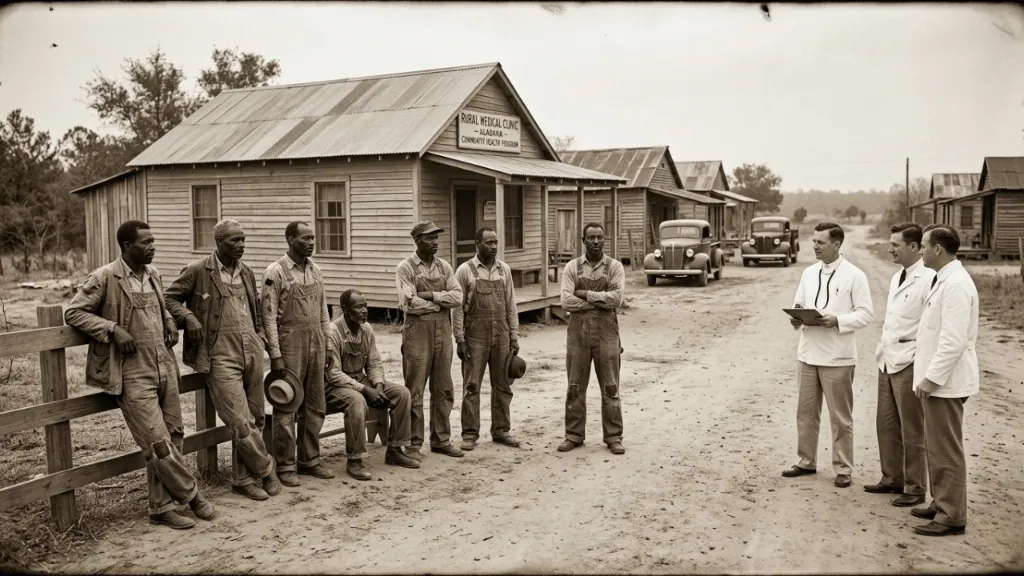
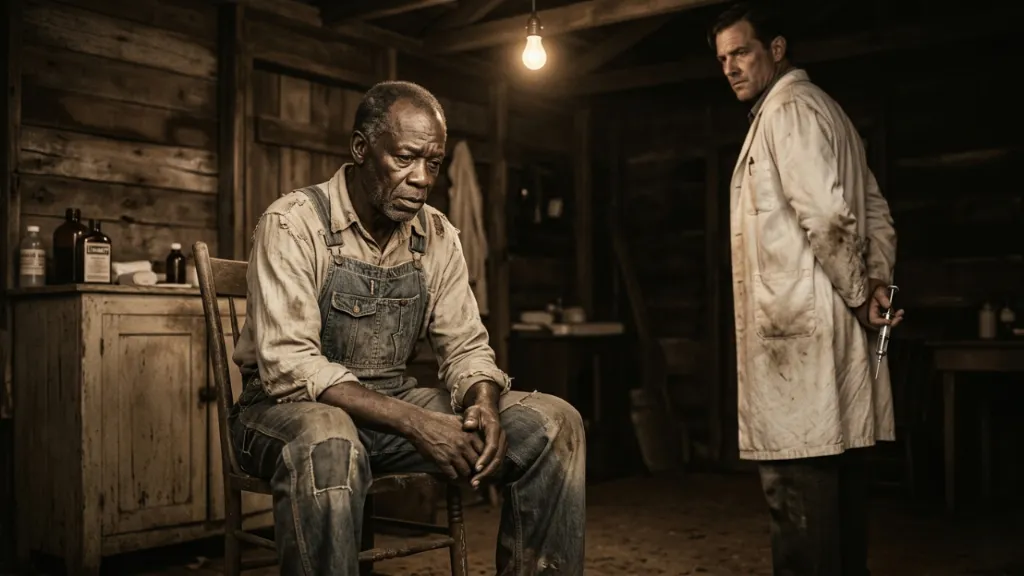
The men were never told the true purpose of the study. Instead, they were told they were being treated for “bad blood,” a vague term used locally to describe various illnesses.
Deception and False Treatment
The participants were promised:
- Free medical exams
- Free meals
- Burial insurance
However, they were never given proper treatment for syphilis. Instead, they received placebos such as aspirin and mineral supplements—completely ineffective against the disease.
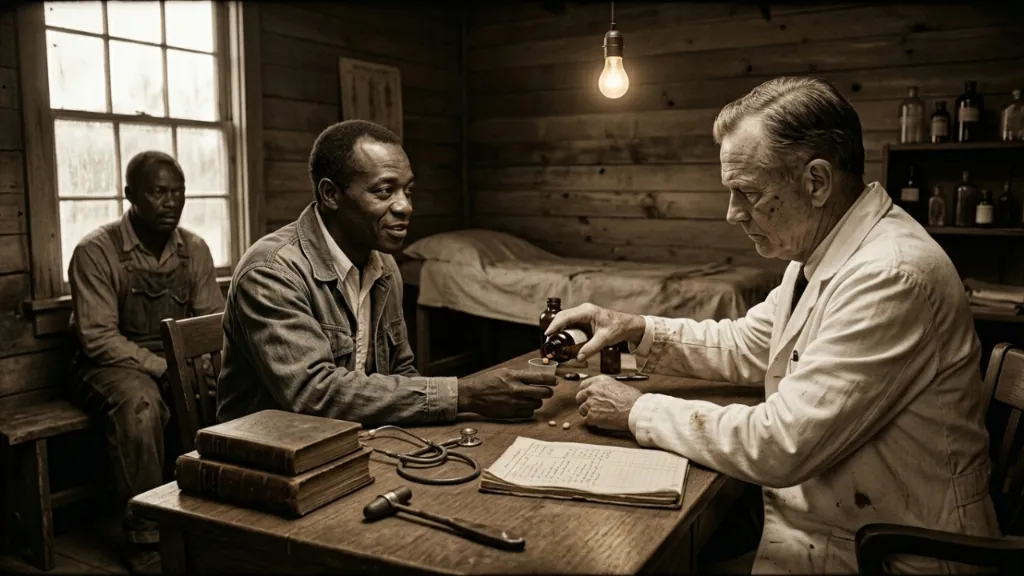
Even more disturbing, researchers went to great lengths to ensure the men did not receive treatment elsewhere. Local doctors were informed not to treat these patients, and military draft boards were used to block access to proper care.

The Penicillin Era – A Turning Point Ignored
By the 1940s, penicillin had become the standard and highly effective treatment for syphilis. At this point, the study should have ended immediately.
But it didn’t.
The researchers deliberately withheld penicillin from the participants. Their goal was to continue observing how the disease progressed untreated, even though a cure was widely available.
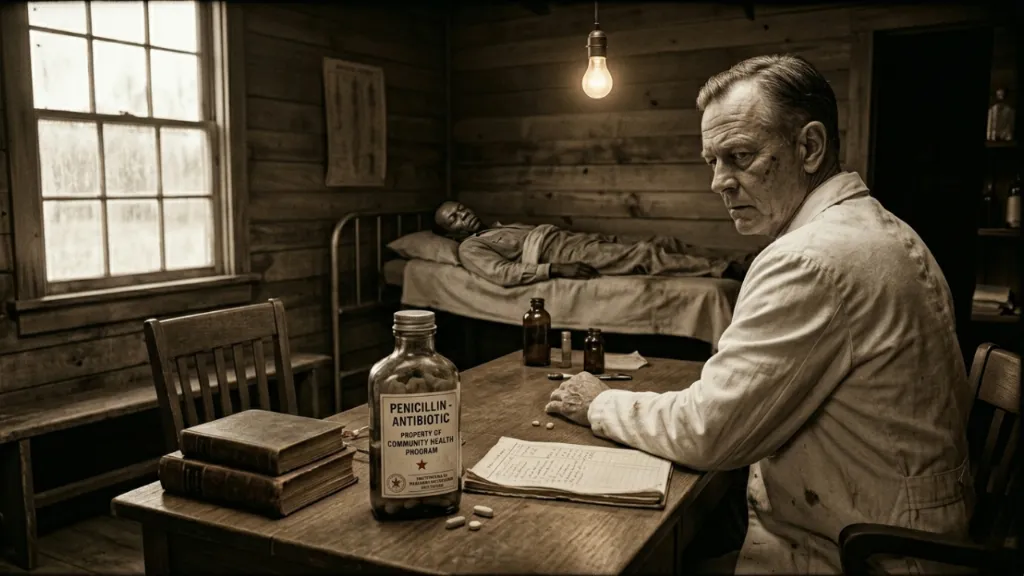
This decision led to severe consequences:
- Many men died from complications of syphilis
- Others suffered blindness, mental illness, and organ damage
- Wives were infected
- Children were born with congenital syphilis
The Whistleblower: Peter Buxtun
The study might have continued even longer if not for one man: Peter Buxtun.
Peter Buxtun was a public health worker who joined the U.S. Public Health Service in the 1960s. When he learned about the study, he was shocked and deeply disturbed.
His Attempts to Stop the Study
- In 1966, Buxtun formally raised ethical concerns within the organization
- His complaints were ignored and dismissed
- He was told that the study should continue
Despite being discouraged, Buxtun did not give up.
Exposing the Truth
In 1972, after years of frustration, Buxtun leaked the story to the press. He contacted a journalist named Jean Heller from the Associated Press.
Jean Heller investigated the claims and published the story in July 1972.
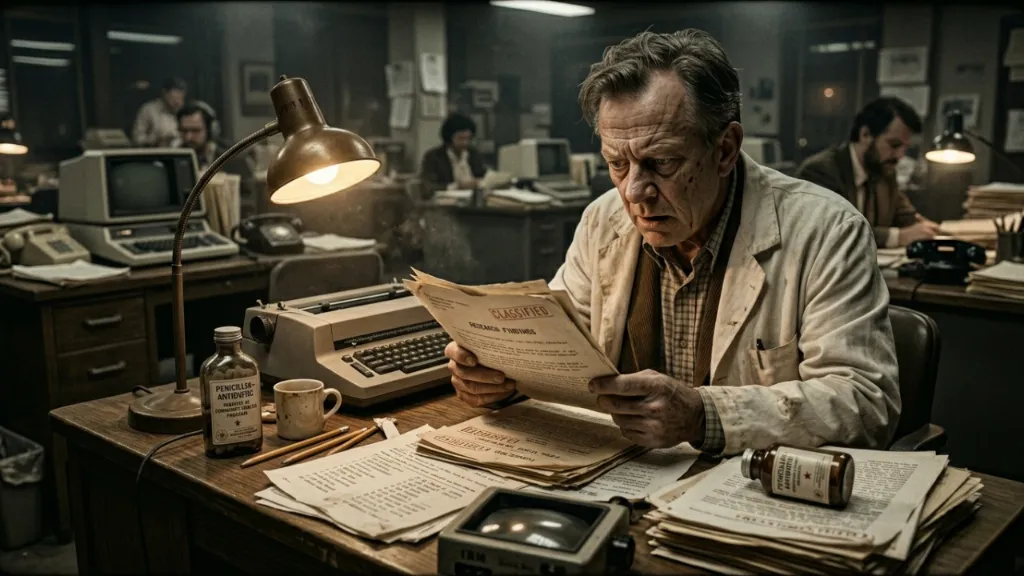
The headline shocked the nation.
Public Outrage and Immediate Action
Once the story became public:
- There was massive public outrage
- The study was immediately terminated
- Investigations were launched
In 1973, a class-action lawsuit was filed on behalf of the participants and their families. The case was settled for approximately $10 million, and survivors were promised lifetime medical benefits.
Official Apology
In 1997, President Bill Clinton formally apologized on behalf of the United States government. He acknowledged the deep injustice and harm caused to the victims and their families.
Impact on Medical Ethics
The Tuskegee Syphilis Study changed the way medical research is conducted forever.
Key reforms included:
- Strict requirements for informed consent
- Establishment of Institutional Review Boards (IRBs)
- Greater protection for vulnerable populations
Today, no ethical study can be conducted without fully informing participants and obtaining their voluntary consent.
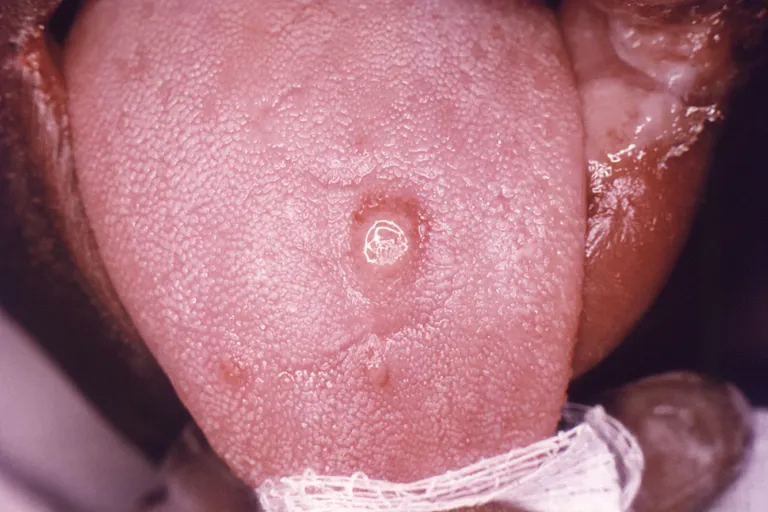 Primary syphilis on a tongue
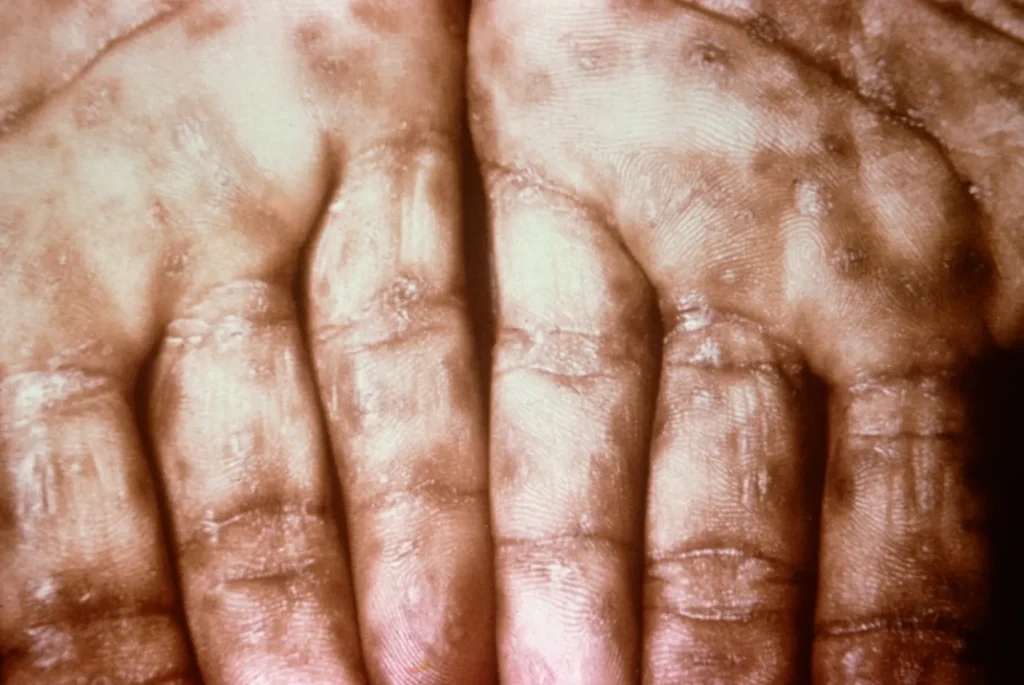 Typical presentation of secondary syphilis with a rash on the palms of the hands
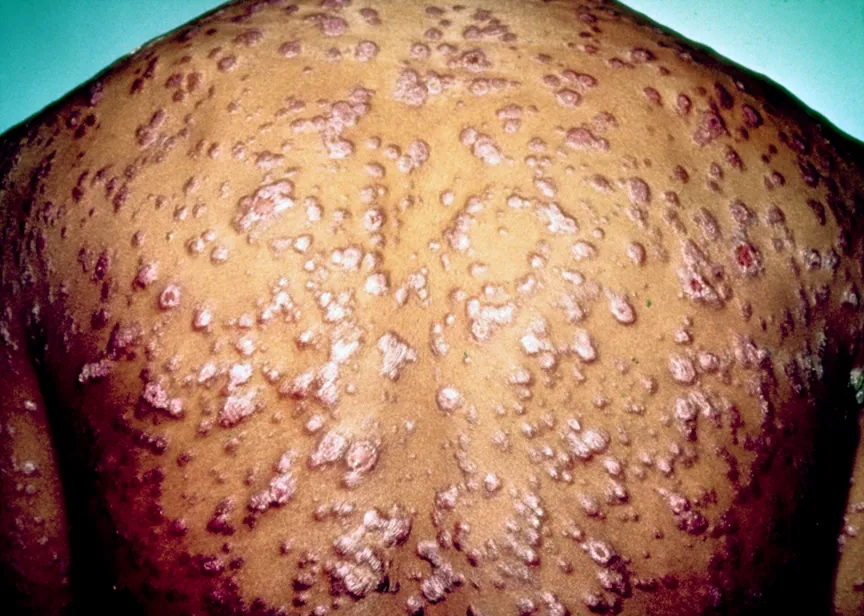 Reddish papules and nodules over much of the body due to secondary syphilis
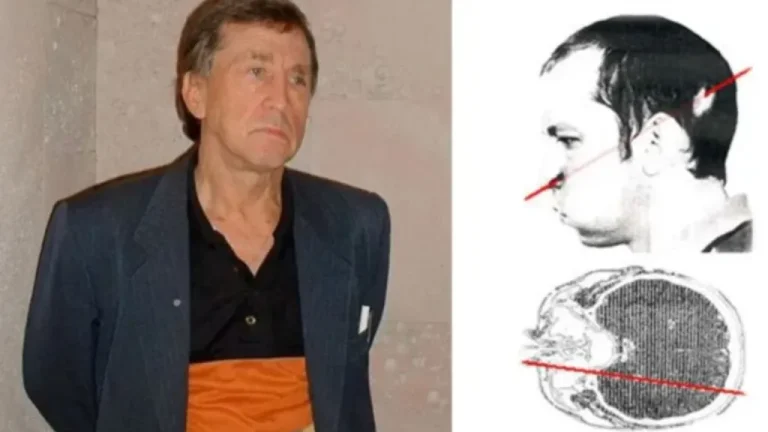
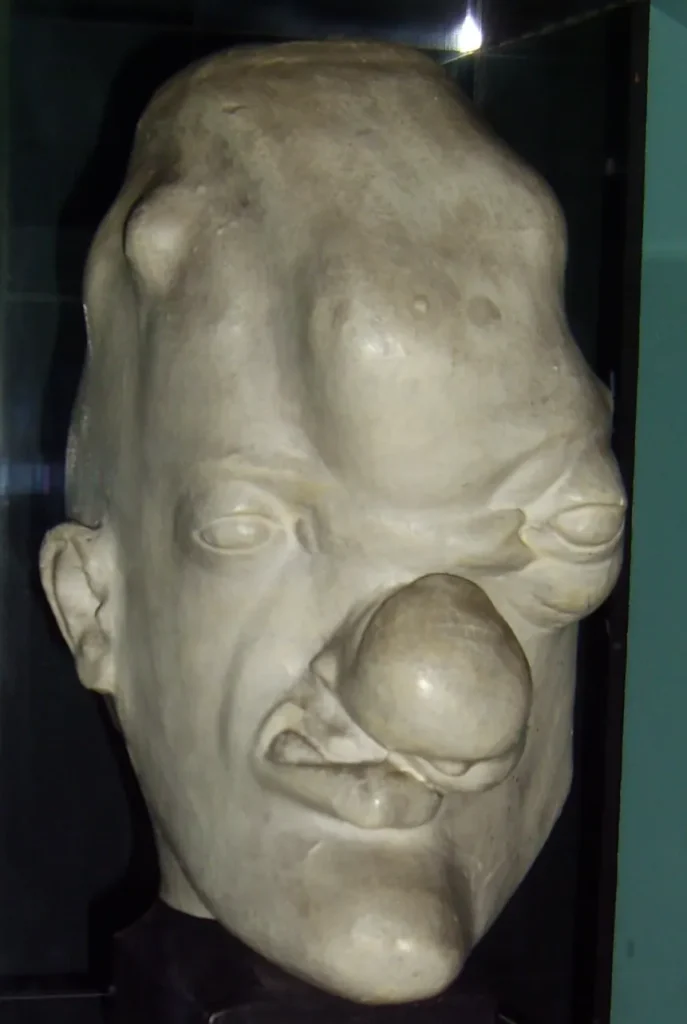 Model of a head of a person with tertiary (gummatous) syphilis
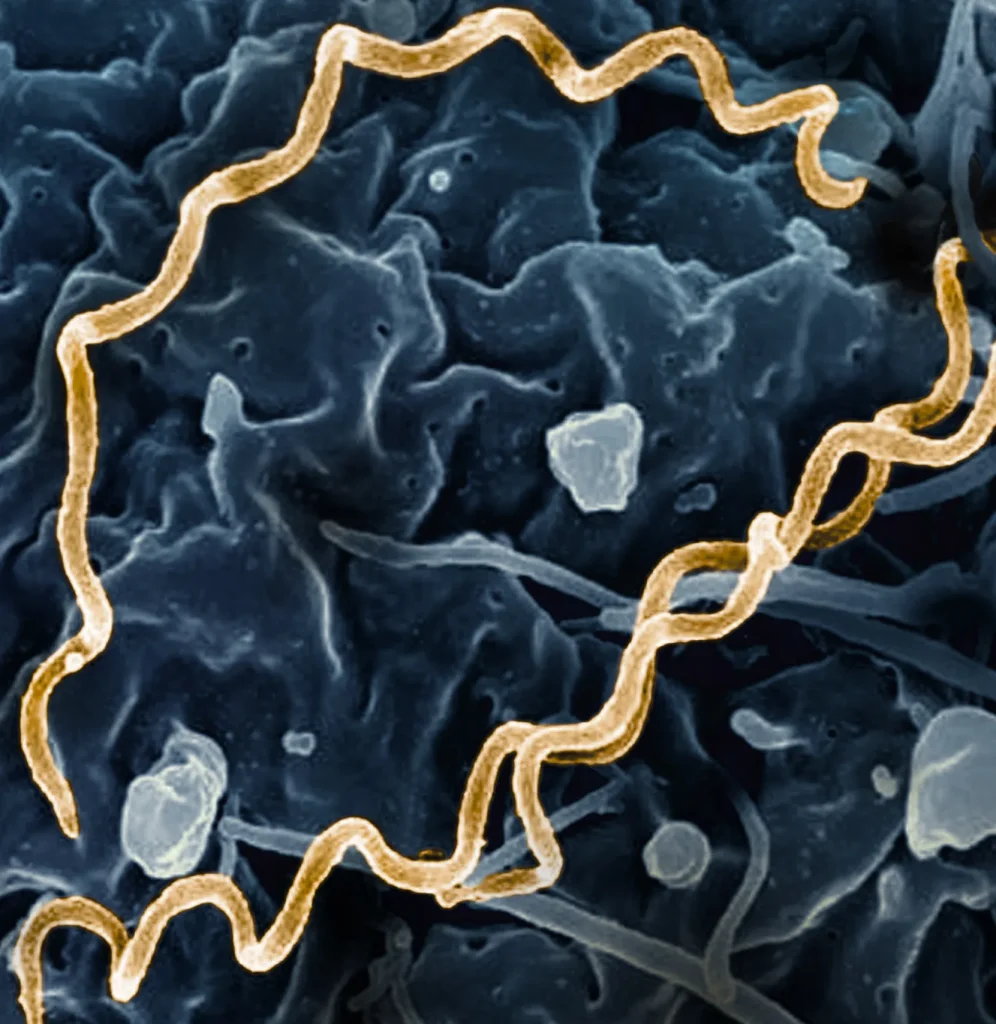 Colorized electron micrograph of Treponema pallidum, the bacteria that cause syphilis.
Final Thoughts
The Tuskegee Syphilis Study stands as a reminder of what can happen when science operates without ethics. It was not just a failure of medicine—it was a failure of humanity.
The courage of Peter Buxtun proves that one person can make a difference. Without his actions, the truth might have remained hidden for years.
History like this should never be forgotten—not just to remember the victims, but to ensure it never happens again.