

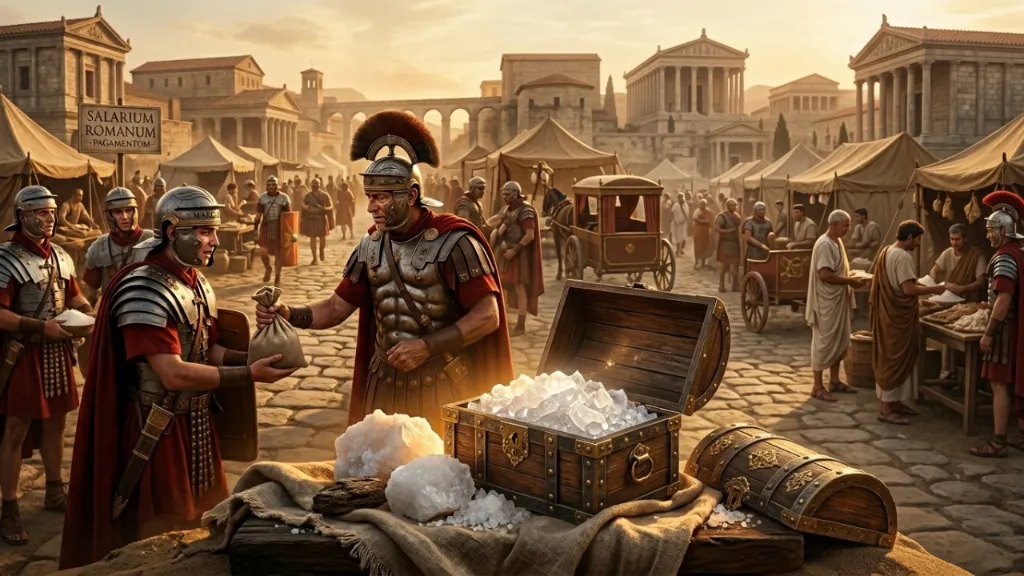
Salt: The “White Gold” That Shaped Human Civilization
Salt was historically known as white gold due to its essential role in food preservation before modern refrigeration. It enabled long-term storage and fueled early economies, trade routes, and military logistics. Civilizations controlling salt production gained immense political power, leading to the development of major cities and global commerce.
The commodity influenced language, such as the Roman origin of salary, and served as a tool for government control through taxation. Significant historical events, including Gandhi’s Salt March, illustrate its political weight. While now common, salt remains a foundational element that shaped historical human social and economic structures.
Throughout history, salt has been far more than a simple kitchen ingredient. Long before modern refrigeration and food preservation technologies, salt was an Economical necessity—so valuable that it earned the nickname “white gold.” Its importance influenced trade routes, taxation systems, military logistics, and even language.
Why Salt Was So Valuable
In ancient times, preserving food was a constant challenge. Without refrigeration, perishable items like meat and fish would spoil quickly. Salt solved this problem effectively by drawing out moisture and preventing bacterial growth. This made it indispensable for long-term food storage, especially for armies, travelers, and growing urban populations.

Because of this critical role, salt became a cornerstone of early economies. Civilizations that controlled salt production or trade gained significant economic and political power. Major trade routes—often called salt roads—connected regions and enabled the exchange of goods, culture, and wealth.
Salt and the Roman Economy
The Roman Empire offers one of the most well-known examples of salt’s importance. Salt was so valuable in Roman society that it was closely linked to military payments.
The English word salary originates from the Latin term Salarium, derived from Sal (salt). While historians debate whether Roman soldiers were directly paid in salt or given allowances to purchase it, the association clearly highlights salt’s economic significance. A soldier’s compensation being tied to salt shows how essential it was in daily life.
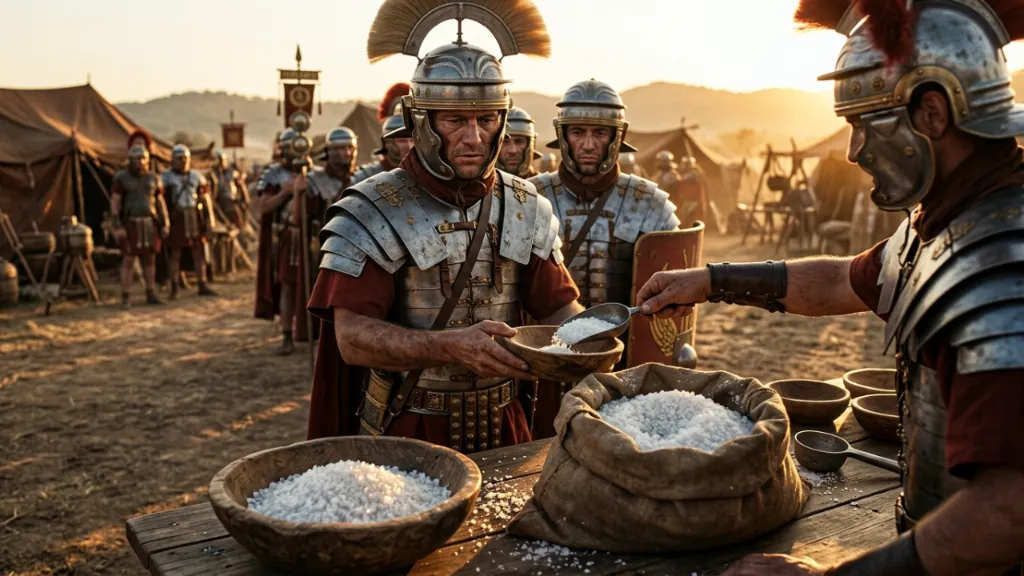
This legacy continues in the English phrase “worth one’s salt,” which means someone deserves their pay or position—again reflecting salt’s historical value.

Salt as a Tool of Control
Salt was not just valuable—it was heavily regulated. Governments and empires imposed taxes on it to generate revenue. In some cases, strict laws controlled its production and distribution, making it a tool of economic dominance.
A powerful historical example is the Salt March led by Mahatma Gandhi.

In 1930, under British colonial rule, Indians were prohibited from collecting or producing their own salt and were forced to buy heavily taxed salt from the British. Gandhi challenged this monopoly through a peaceful protest. He and his followers marched (Salt March) over 380 kilometers to the Arabian Sea, where he symbolically picked up natural salt, breaking the law.

This act sparked nationwide resistance and became a defining moment in the Indian independence movement. It demonstrated how something as simple as salt could become a powerful political symbol.
Economic and Cultural Impact
Salt’s influence extended beyond economics into culture and language. Many cities developed around salt mines or along trade routes. In some regions, salt was even used as a form of currency.
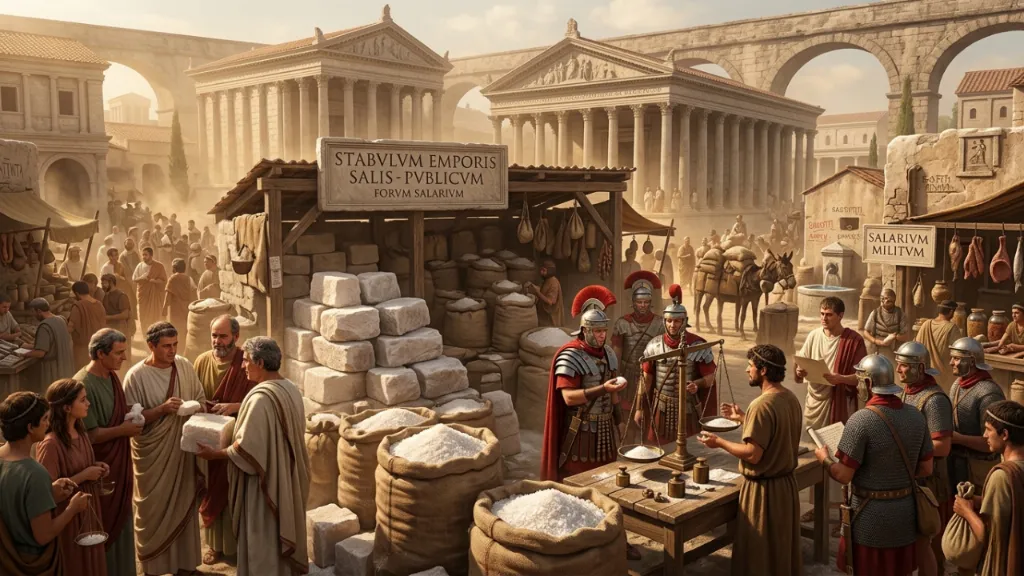
Its value also shaped social structures—access to salt could determine wealth, health, and survival. Communities without reliable salt supplies faced serious disadvantages, particularly in preserver.

From Essential Commodity to Everyday Item
Today, salt is inexpensive and widely available. Advances in technology and global trade have removed the scarcity that once made it so valuable. However, its historical importance remains undeniable.
Salt played a foundational role in shaping economies, sustaining populations, and even inspiring resistance movements. It is a reminder that the value of a resource is not fixed—it evolves with human needs, technology, and power structures.
What we now consider ordinary was once extraordinary—and salt stands as one of the clearest examples of that transformation.






Good article 👍