
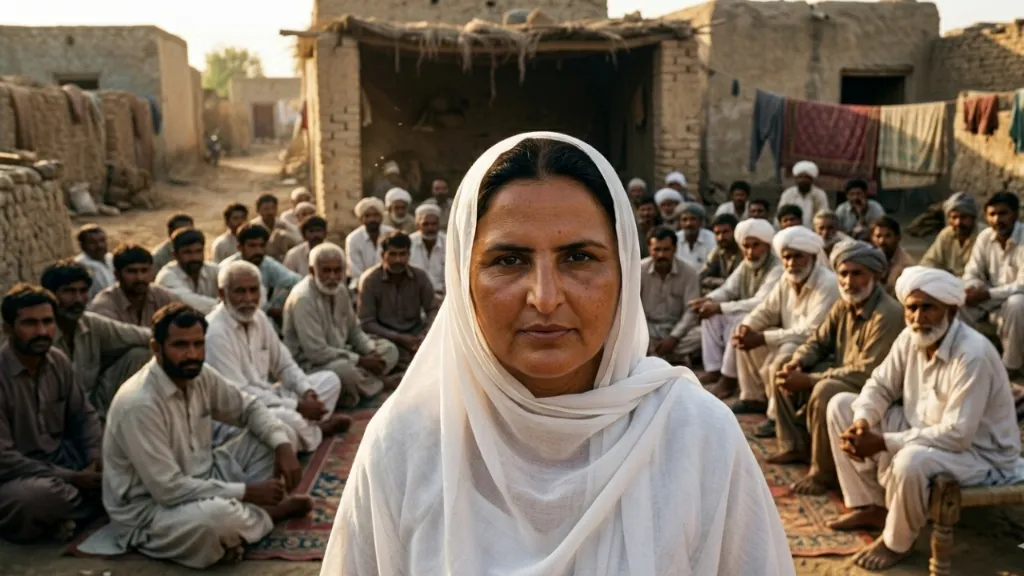
Mukhtar Mai: The Woman Who Refused to Be Silenced
Some stories shake you to your core. The story of Mukhtar Mai is one of them.
In the summer of 2002, a quiet village in Pakistan became the center of a global conversation about justice, power, and the unbreakable human spirit. Something that happened to Mukhtar Mai was horrifying. However, what she did afterward changed everything.
A Small Village, A Powerful Injustice
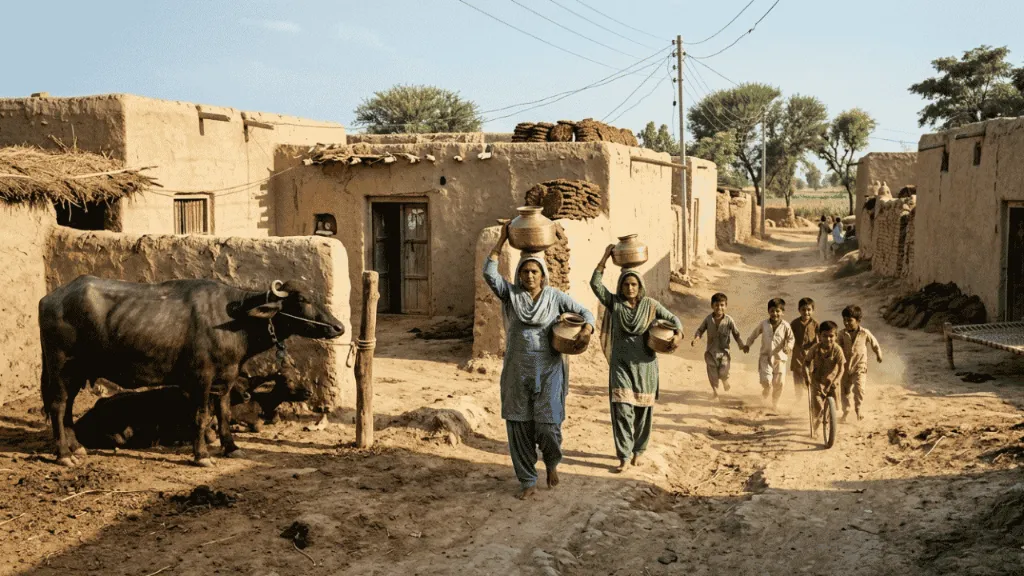
Mir Wala is a small village in Muzaffargarh District, Punjab, Pakistan. Life there moves slowly, governed largely by tradition and informal community structures.
In June 2002, a dispute broke out between two families. Mukhtar Mai’s younger brother was accused of having an inappropriate relationship with a girl from a more powerful and influential tribe.
The accusation was serious — but it was also false.
Meanwhile, the truth mattered very little to those who held power in that community. Influential men in the village wanted to protect their reputation. They moved quickly to silence the situation on their own terms.
The Jirga’s Unthinkable Verdict
A local jirga — an informal tribal council — gathered to resolve the dispute. These councils present themselves as community justice systems. However, they operate without legal authority and often without fairness.
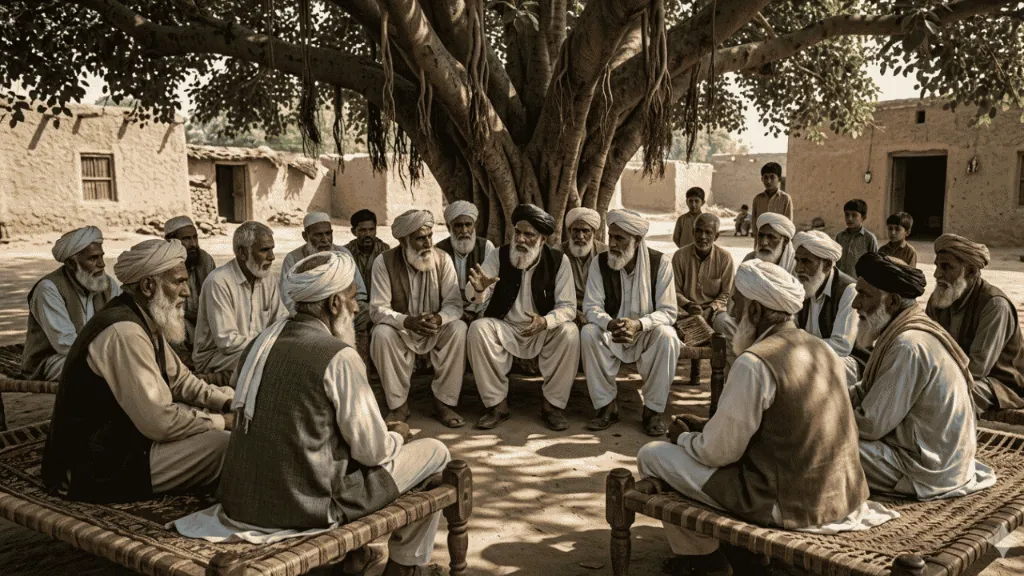
The jirga made a decision that stunned even hardened human rights advocates. As punishment for her brother’s alleged actions, the jirga ordered that Mukhtar Mai be publicly gang-raped.
This was not justice. This was the exercise of raw power dressed up as tradition.
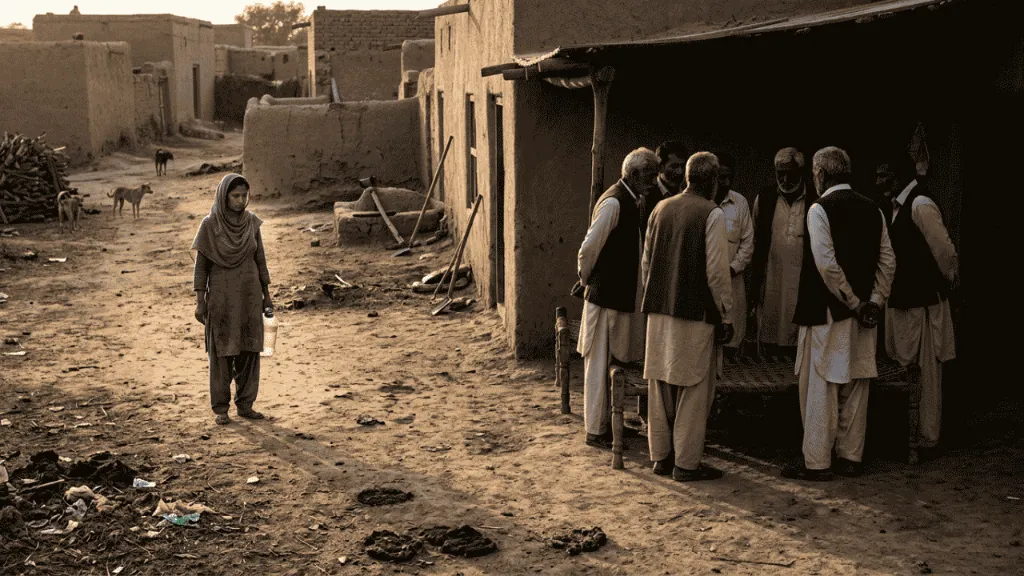
Several men carried out the order. Mukhtar Mai was brutally assaulted while the community watched. Afterward, she was expected to do what most victims in her position were pressured to do — go home, stay quiet, and carry the shame alone.
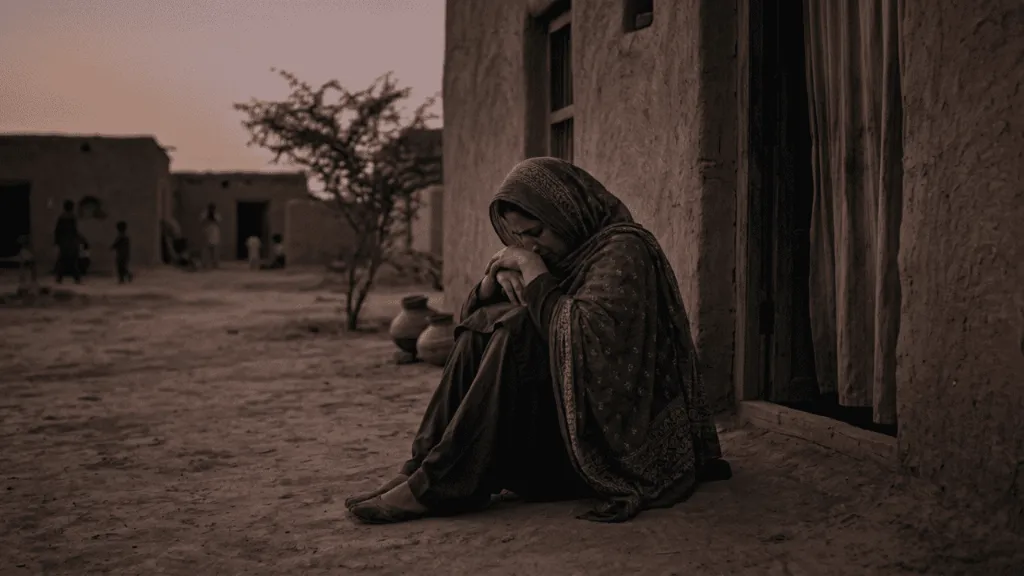
She Did Not Stay Silent
This is where Mukhtar Mai’s story takes a turn no one expected.
Instead of hiding, she went to the police. Instead of absorbing the shame society tried to force onto her, she filed a formal complaint. Instead of accepting the verdict of the jirga, she knocked on the door of Pakistan’s legal system.
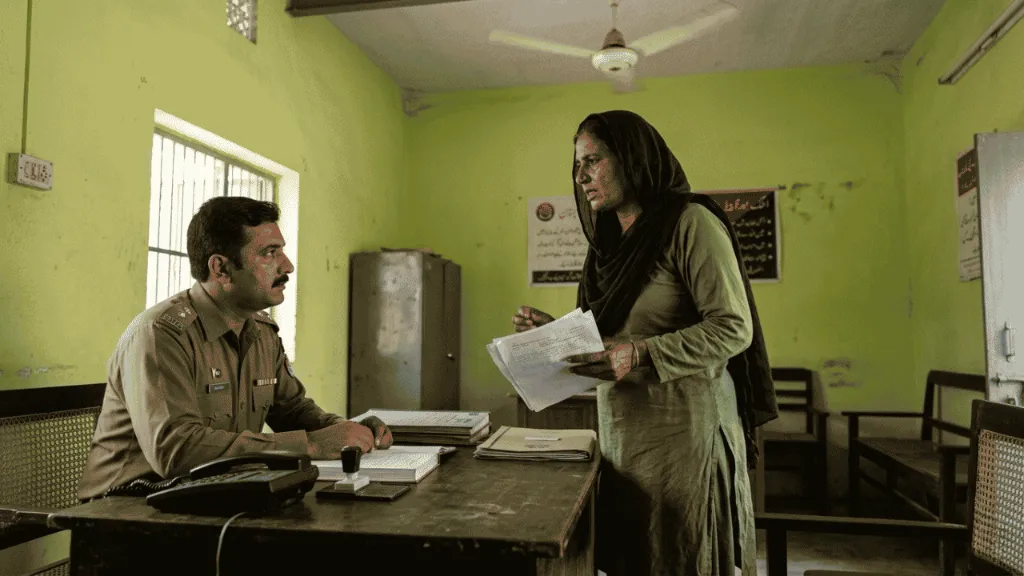
Because of this single act of courage, everything changed.
Her case quickly caught the attention of journalists and human rights organizations. News spread across Pakistan and then across the world. Suddenly, international eyes were fixed on a small village in Punjab — and on a legal system that was being put to the ultimate test.
A Legal Battle Full of Highs and Lows
The Initial Verdict Gave Hope
The courts initially moved with surprising speed and force. Several of the accused men received harsh sentences, including the death penalty. For a moment, it felt like justice had a real chance.
Mukhtar Mai became a symbol of resistance. She spoke publicly, gave interviews, and refused to disappear.
Then the Appeals Began
However, as the case moved through Pakistan’s appellate courts, the picture changed dramatically.
One by one, the higher courts began reducing sentences. Eventually, most of the convicted men were acquitted or had their punishments significantly cut down.
The Supreme Court’s final ruling in 2011 freed most of the accused. Only one man remained convicted.
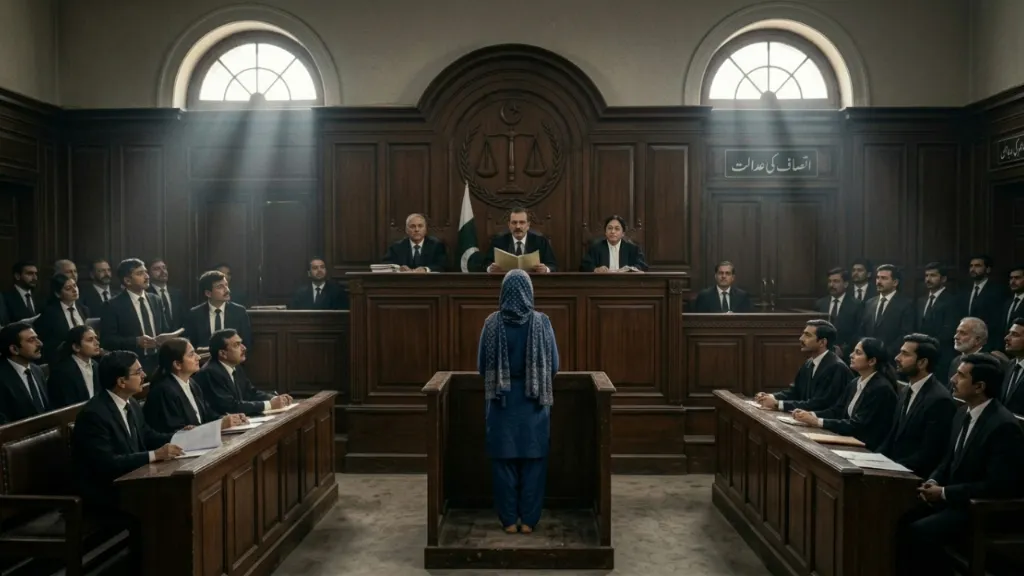
The questions that followed were sharp and unavoidable:
- Do Pakistan’s courts offer equal justice regardless of wealth or tribal influence?
- Can a survivor’s voice truly overcome a powerful community’s pressure?
- Is justice a real promise — or just a written one?
This case exposed a painful truth about Pakistan’s justice system. The process was long. The spotlight was bright. Yet the outcome left deep wounds.
What Mukhtar Mai Did Next
Here is what makes Mukhtar Mai’s story different from a simple tragedy.
She did not stop.
She used the international attention and compensation money she received to build schools in her village and established the Mukhtar Mai Women’s Welfare Organization. She continued advocating for women’s rights and education across Pakistan.
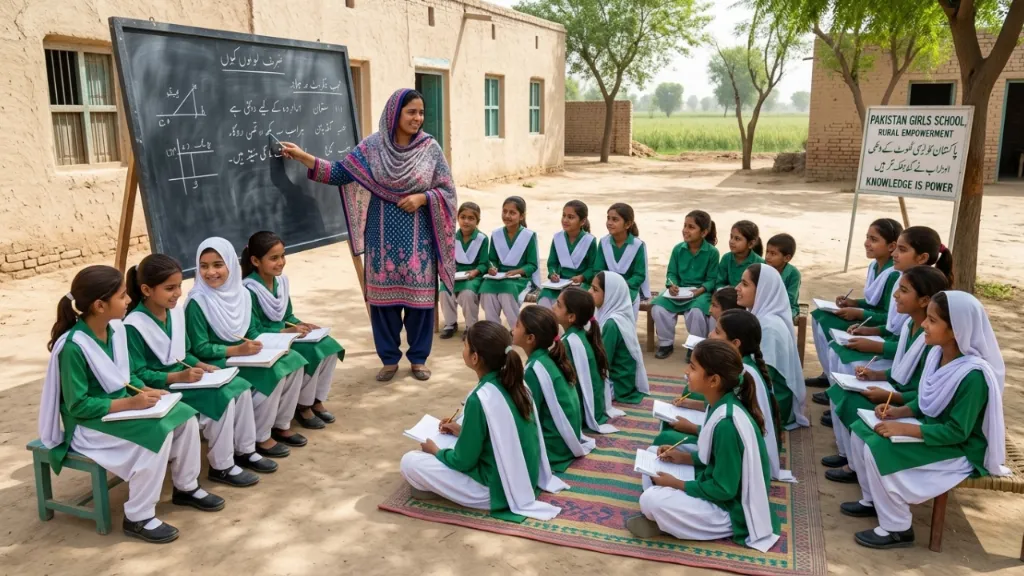
In addition, she wrote her memoir — In the Name of Honor — which brought her story to readers around the world. Her words reached people in countries far removed from rural Punjab.
For example, in France, her book sparked a national discussion about honor-based violence and women’s rights in conservative societies.
Why Mukhtar Mai’s Story Still Matters
A Challenge to Informal “Justice” Systems
Jirgas and other tribal councils still operate across parts of Pakistan, Afghanistan, and beyond. They often bypass formal legal protections. Mukhtar Mai’s case is one of the clearest examples of how these systems can be weaponized against the vulnerable — especially women.
A Mirror Held Up to Power
Her case forced Pakistan — and the world — to confront uncomfortable questions. When powerful families are involved, does the justice system bend? Her legal journey strongly suggests it sometimes does.
A Lesson in Courage
Above all, Mukhtar Mai showed that one person can challenge an entire system. She did not win every legal battle. However, she won something more lasting — the narrative. She made sure the world knew what happened. She made sure her voice was louder than her attackers’ silence.
Conclusion: A Story of Strength That Cannot Be Erased
Mukhtar Mai did not choose to be a symbol. Circumstances forced her into the center of one of Pakistan’s most painful public conversations. However, she chose what to do with that position.
She chose to speak. She chose to fight. She chose to build.
Today, she stands not just as a survivor but as proof that courage is possible even when the system fails you. Her schools still stand. Her organization still works. Her story still travels.
In a world where powerful people often expect silence from the powerless, Mukhtar Mai answered with her voice — and kept answering, year after year.
Her story is not just about what was done to her. It is about what she did in return.