
How the Rosenhan Experiment Fooled America’s Doctors
In 1973, psychologist David Rosenhan conducted an experiment where sane volunteers gained admission to psychiatric hospitals by feigning auditory hallucinations. Despite behaving normally after admission, staff diagnosed them with mental illnesses. This study revealed how diagnostic labels could bias professional observations and overshadow a patient’s actual behavior.
When a subsequent hospital challenged these findings, staff identified numerous genuine patients as impostors, despite Rosenhan sending no volunteers. This outcome further highlighted the subjectivity of psychiatric evaluations. The experiment ultimately prompted significant reforms in how the medical community classifies and diagnoses mental health conditions.
Imagine walking into a psychiatric hospital, telling one small lie, and getting locked inside for weeks — with doctors refusing to believe you were ever sane in the first place.
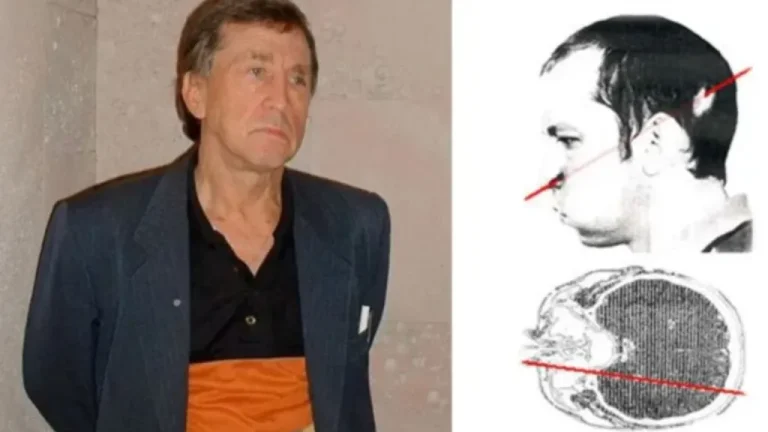
That’s exactly what happened in the early 1970s. And the man behind it wasn’t a patient. He was a Stanford psychologist who wanted to answer one unsettling question.
Could doctors actually tell the difference between a sane mind and an insane one? Or was the line between “healthy” and “mentally ill” nothing more than a label that, once attached, refused to come off?
The Rosenhan Experiment set out to find the answer. What it uncovered would shake the foundations of modern psychiatry.
A Professor With a Dangerous Question
By the 1970s, psychiatry was under fire. Critics questioned whether mental health professionals could reliably diagnose anyone at all.
Stanford psychologist David Rosenhan decided to stop debating the theory. Instead, he designed an experiment audacious enough to test it directly.

His plan was simple on paper and explosive in practice: send perfectly healthy people into psychiatric hospitals and see what happened next.
Going Undercover in America’s Psychiatric Wards
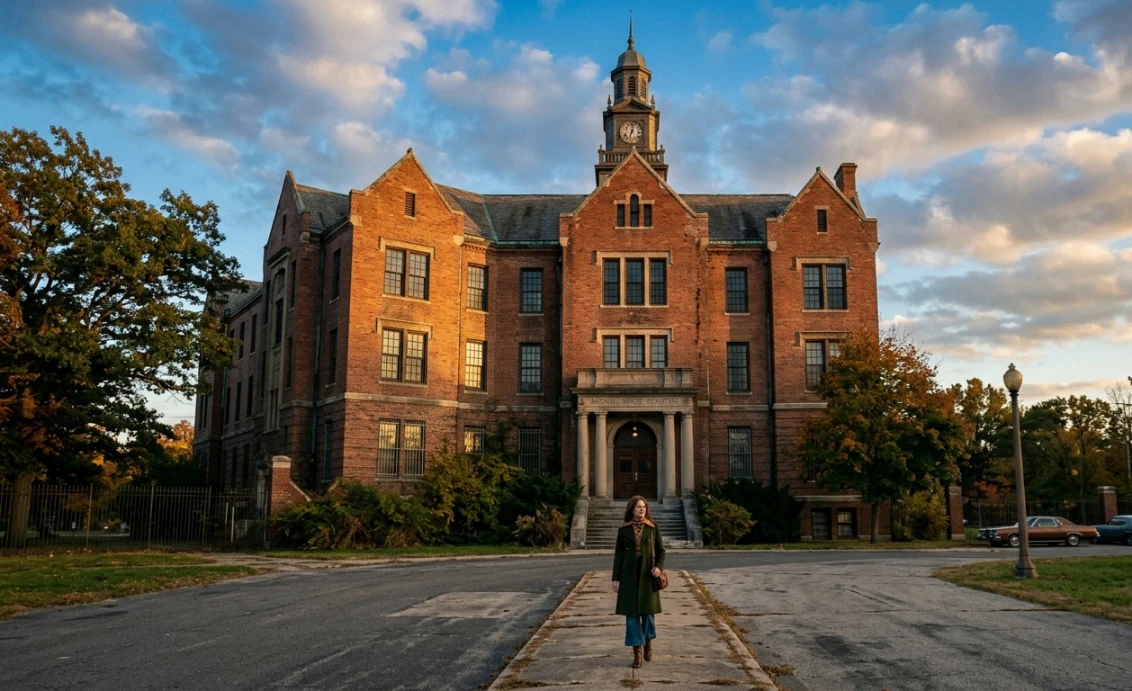
In 1973, Rosenhan recruited seven volunteers to join him. None of them had any history of mental illness.
The group included a psychiatrist, a pediatrician, a painter, a housewife, and several graduate students. Ordinary people, living ordinary lives.

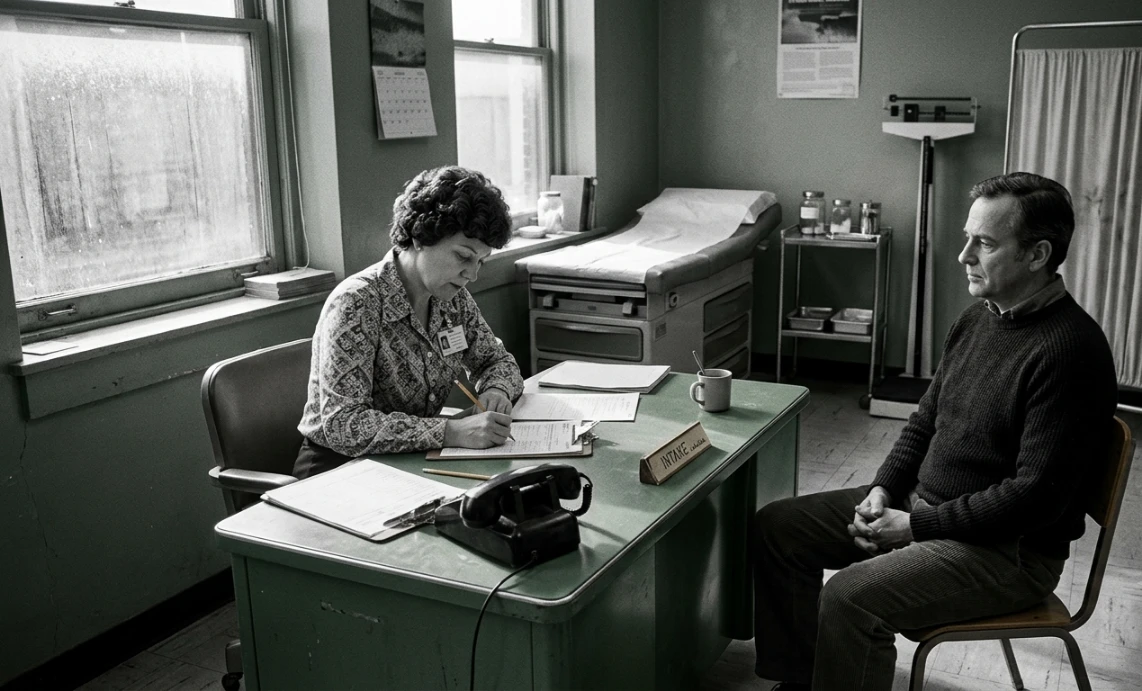
Each of the eight approached a psychiatric hospital and asked for help. They gave one, and only one, false detail: they claimed to hear a voice saying words like “empty,” “hollow,” or “thud.”
Everything else about them was true — their real histories, their real relationships, their real lives. Only their names and occupations were changed.
The result stunned even Rosenhan. All 12 hospitals across several U.S. states admitted them without hesitation. Eleven pseudopatients were diagnosed with schizophrenia. The twelfth, admitted to a private hospital, received a diagnosis of manic-depressive psychosis.
Life Behind the Locked Doors
The moment they were admitted, every volunteer dropped the act completely. No more fake symptoms, no more claims of hearing voices.
They told staff they felt fine. They behaved exactly as they normally would on the outside.
However, it made no difference. Once the “insane” label was attached, the hospital staff filtered every action through it.
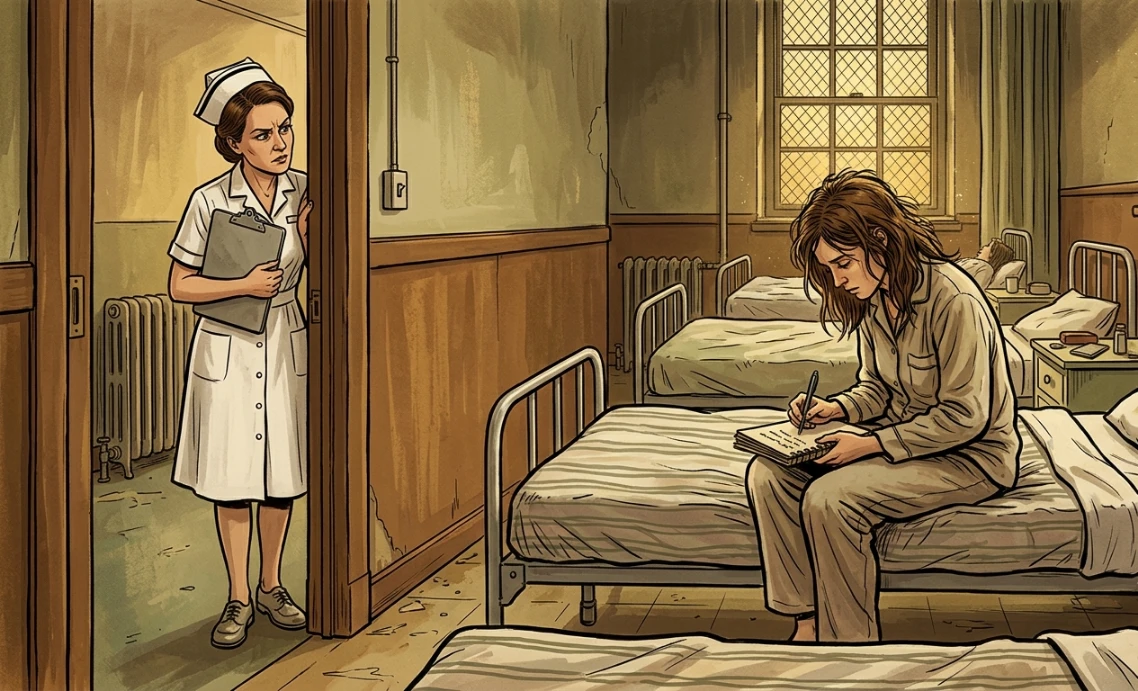
For example, when the pseudopatients sat quietly writing notes about their experience, nurses recorded it as pathological behavior. One report described a volunteer as suffering from “writing behavior,” as if the simple act of holding a pen were a symptom.
Even ordinary boredom or waiting near the nurses’ station got reinterpreted as a sign of illness. Nothing they did could break through the diagnosis.

The Only Way Out
Getting in had been shockingly easy. Getting out was another story entirely.
The volunteers stayed in the hospitals for an average of 19 days. One remained locked inside for a grueling 52 days.
Eventually, each was released only after agreeing to a condition: admit they had been ill, and accept that medication now had it “under control.”
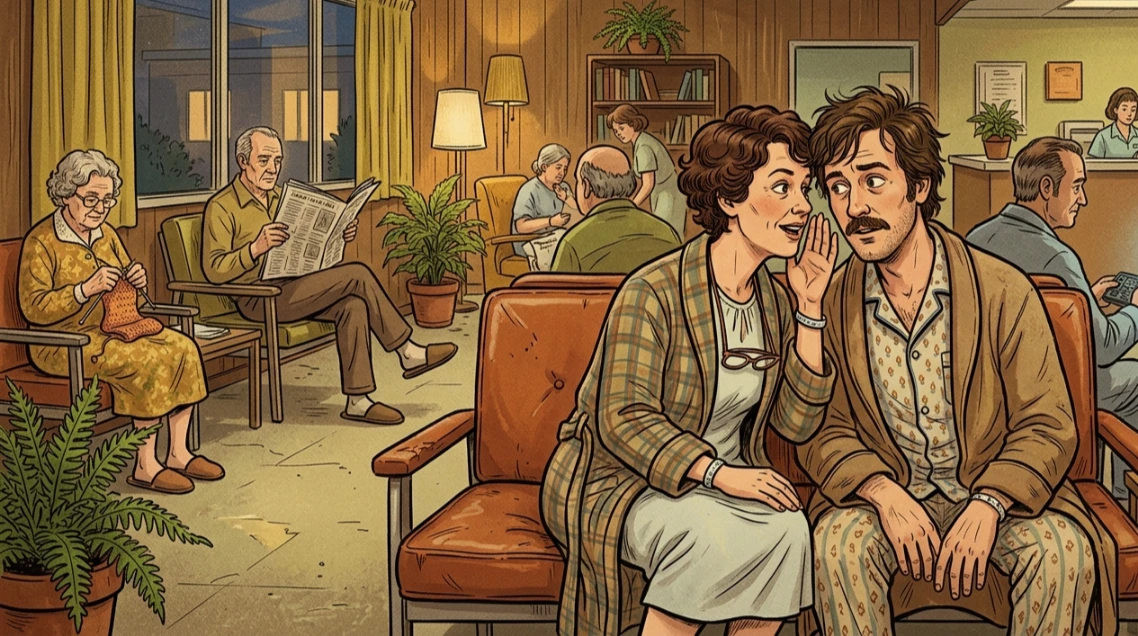
Here’s the strange part. The real patients on the ward often suspected something was off. Several quietly asked the pseudopatients if they were journalists or researchers.
Meanwhile, the highly trained doctors and nurses responsible for their care never caught on. Not once, in any of the 12 hospitals.
A Hospital’s Bold Challenge
When Rosenhan published his findings, the psychiatric community reacted with outrage. One respected research and teaching hospital refused to accept the results.
Its staff insisted they were far too skilled to be fooled the way the other hospitals had been. So they issued a challenge.
Send us your fake patients, they told Rosenhan. We’ll catch every single one.
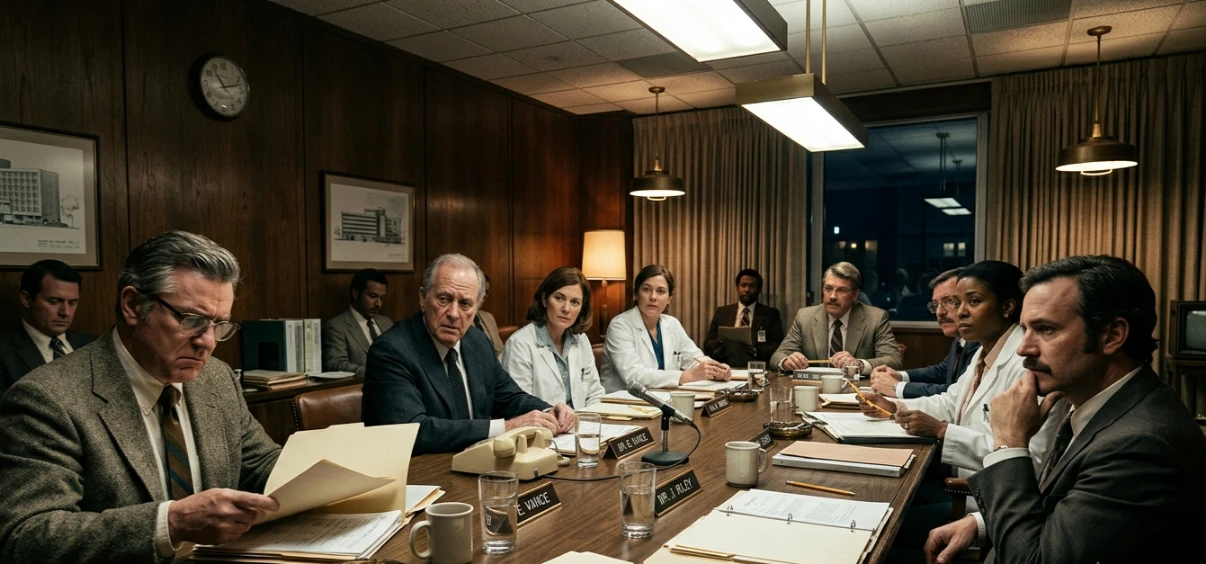
Rosenhan agreed. Over the next three months, staff at the hospital would carefully evaluate every new admission and rate the likelihood that each person was a pseudopatient in disguise.

The Twist No One Saw Coming
Three months later, the hospital proudly announced its results. Out of 193 patients evaluated:
- 41 were confidently flagged as fakes.
- 23 were suspected by at least one psychiatrist.
- 19 were flagged by both a psychiatrist and another staff member.
The hospital believed it had proven Rosenhan wrong. As a result, the staff celebrated what looked like total vindication.
Then Rosenhan delivered the twist that no one in the room expected.
He had never sent a single pseudopatient to that hospital. Not one.
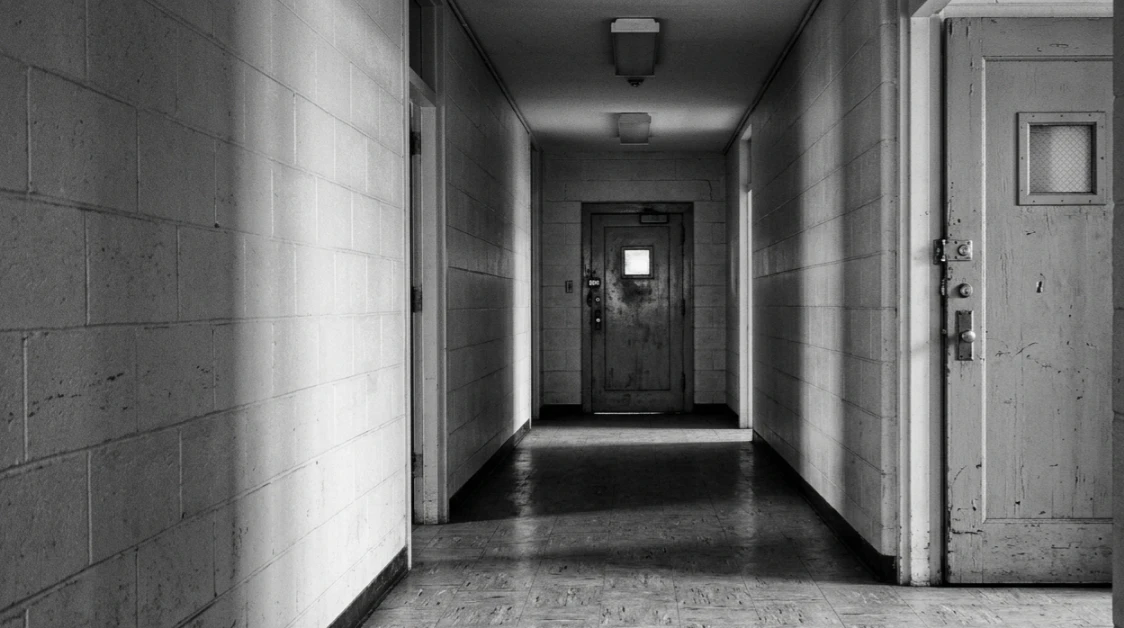
Every person the staff had flagged as an impostor was a real patient, in genuine need of psychiatric care. In trying so hard to catch fakes, the hospital had failed the people who actually needed help.
The Legacy of the Rosenhan Experiment
Rosenhan published his findings in 1973 under the now-famous title “On Being Sane in Insane Places.” The paper landed like a bombshell in the psychiatric world.
It demonstrated something deeply uncomfortable: psychiatric diagnosis wasn’t as objective as professionals liked to believe. Expectations and environment could shape a doctor’s judgment far more than they realized.
Because of this, the Rosenhan Experiment became one of the most cited and debated studies in the history of psychology. It pushed the field to reexamine how diagnostic manuals like the DSM classified mental illness, aiming to prevent healthy people from being permanently branded by a label they didn’t deserve.
More than fifty years later, the Rosenhan Experiment still forces us to ask an uncomfortable question. If eight sane people could disappear inside a diagnosis, how thin is the line between sanity and insanity, really?
The Surgeon Who Transplanted Goat Testicles to Humans
Final Thought
The Rosenhan Experiment didn’t just expose flaws in 1970s psychiatry. It exposed how powerfully a single label can reshape the way we see another human being — for better or for worse.