
How Nazi Scientists Helped America Reach the Moon
Operation Paperclip was a secret Cold War program that recruited approximately 1,600 German scientists and engineers to work in the United States. Launched in 1945, the initiative aimed to secure advanced Nazi technology and prevent Soviet forces from gaining a strategic military advantage through German expertise.
These recruits significantly advanced American aerospace and defense capabilities, contributing directly to the Apollo moon landing. However, the recruitment of individuals with Nazi affiliations created a lasting ethical debate. Critics argue that the pursuit of technological superiority overshadowed the need for justice regarding wartime atrocities.
The rocket that carried American astronauts to the moon wasn’t entirely an American invention.
Behind the triumph of the Apollo program stood a shadowy chapter of Cold War history — one that America buried for decades. It involved a secret deal, a race against the Soviets, and over a thousand German scientists with deeply troubling pasts.
This is the story of Operation Paperclip.
The War Wasn’t Over — But America Was Already Planning Its Next Move
By early 1945, World War II was entering its final, brutal chapter. Allied forces were pushing deep into Germany. The Nazi regime was collapsing.
But even as the guns were still firing, American intelligence officials were thinking several steps ahead.
They knew that Germany had developed some of the most advanced military technology in the world — rocket systems, aerospace engineering, chemical research, and weapons design that no other nation had yet matched.
And they knew the Soviet Union wanted it too.
The Soviet Threat That Changed Everything
Washington understood a simple, uncomfortable truth: whoever captured Germany’s top scientific minds would gain a massive strategic advantage in the years ahead.
The Cold War hadn’t officially begun, but the competition already had.
Soviet forces were advancing from the east. American forces from the west. Both sides were racing — not just for territory, but for talent.

If the Soviets recruited Germany’s leading scientists and engineers first, the military and technological balance of power could shift dramatically. For American planners, that was an unacceptable outcome.
Something had to be done. Quietly.

Operation Paperclip: A Secret Hidden in Plain Sight
In 1945, the U.S. Joint Intelligence Objectives Agency launched a classified operation that would continue for the next fourteen years.
Its code name was Operation Paperclip.
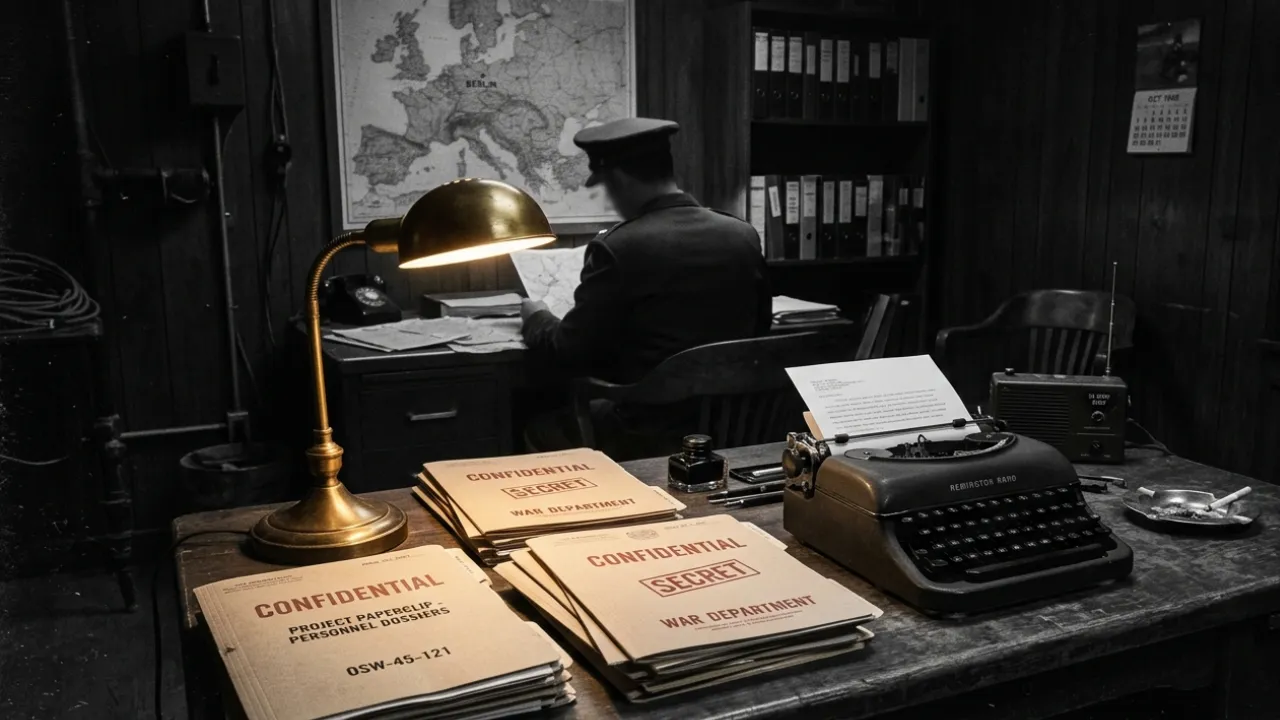
The mission was straightforward in concept but controversial in execution: identify, recruit, and relocate Germany’s most valuable scientists, military engineers, and technical specialists to the United States — before the Soviets could reach them.
These recruits were placed inside American institutions. Some joined space research agencies. Others worked with military-affiliated programs. All of them were given new identities, employment, and a fresh start on American soil.
Who Were These Scientists?
This is where the story becomes deeply complicated.
According to various historical sources, approximately 1,600 German specialists were brought to America under Operation Paperclip. This wasn’t a small, selective program — it was a systematic, large-scale recruitment effort spanning well over a decade.
And not all of these men had clean hands.
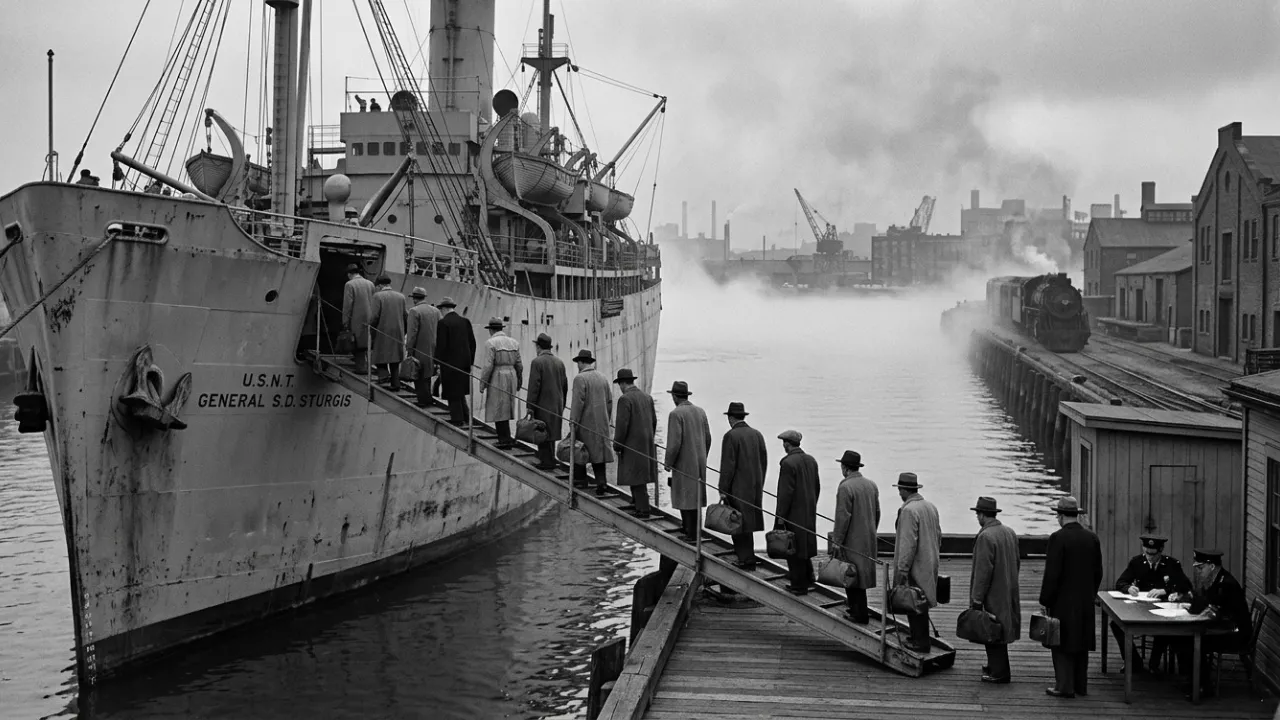
Among the recruits were individuals considered close to Adolf Hitler’s inner circle. Some had direct ties to the Nazi Party. A few had been involved in weapons programs that used forced labor from concentration camps.
American officials were fully aware of these backgrounds. In many cases, they quietly altered or buried the scientists’ Nazi records to make them eligible for U.S. government positions — a practice that would later draw significant criticism and moral scrutiny.

The Science That Shaped a Superpower
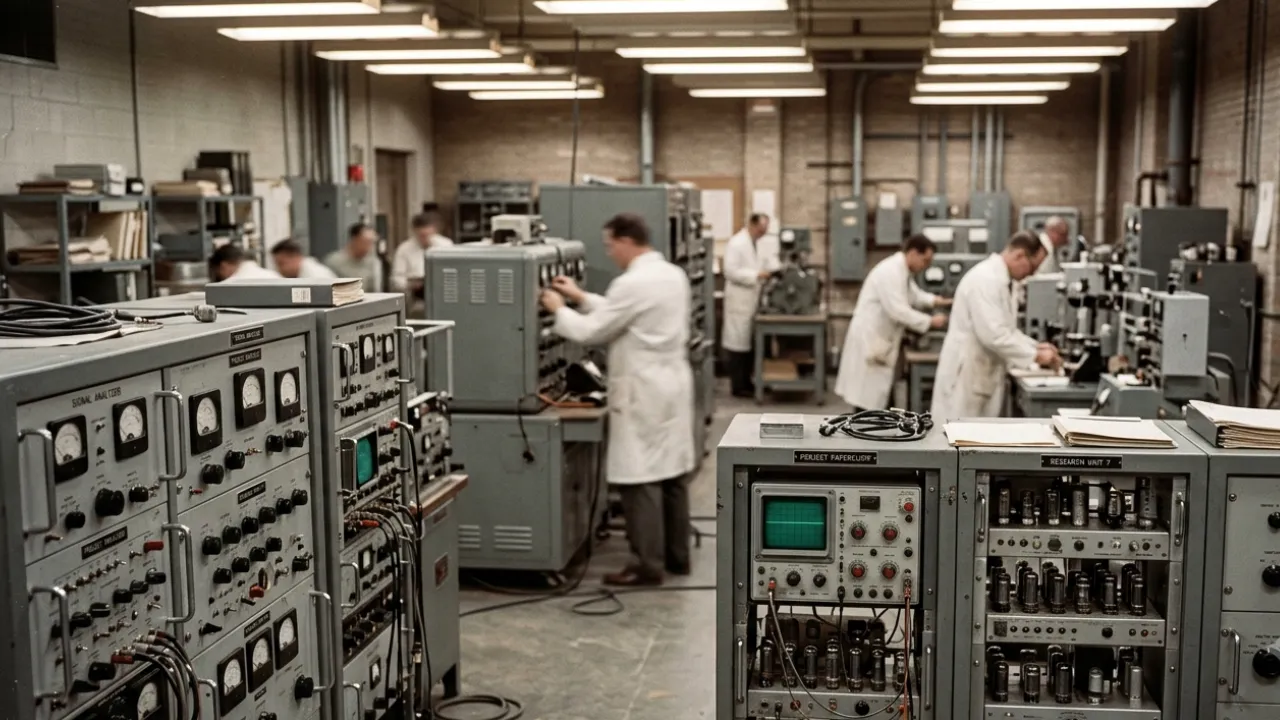
Despite the moral weight attached to how these scientists were recruited, their contributions to American science and defense were enormous.
They helped design weapons systems that defined the Cold War era. They brought expertise in rocketry, aerodynamics, and propulsion that American programs simply didn’t have at the time.
However, the most dramatic — and symbolic — contribution came from one man in particular.
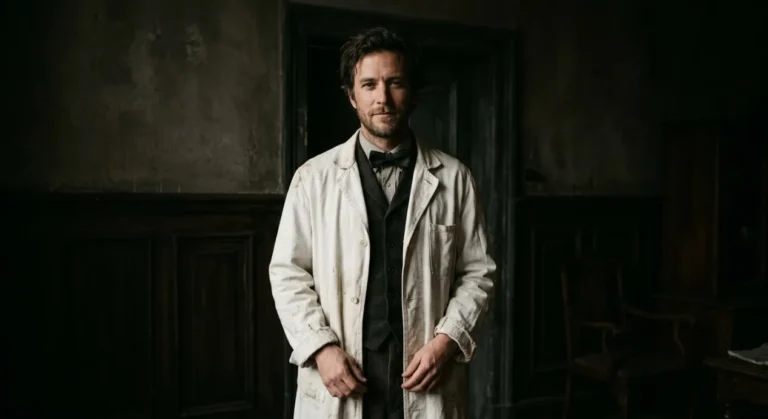
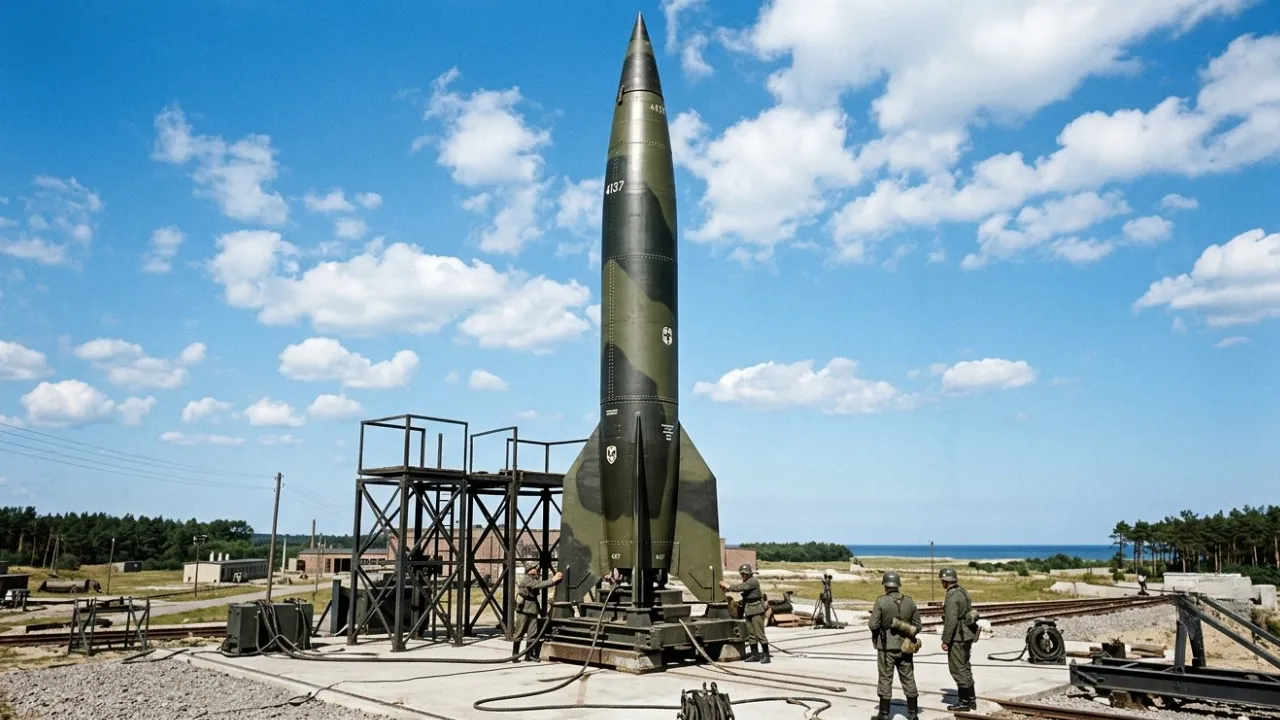
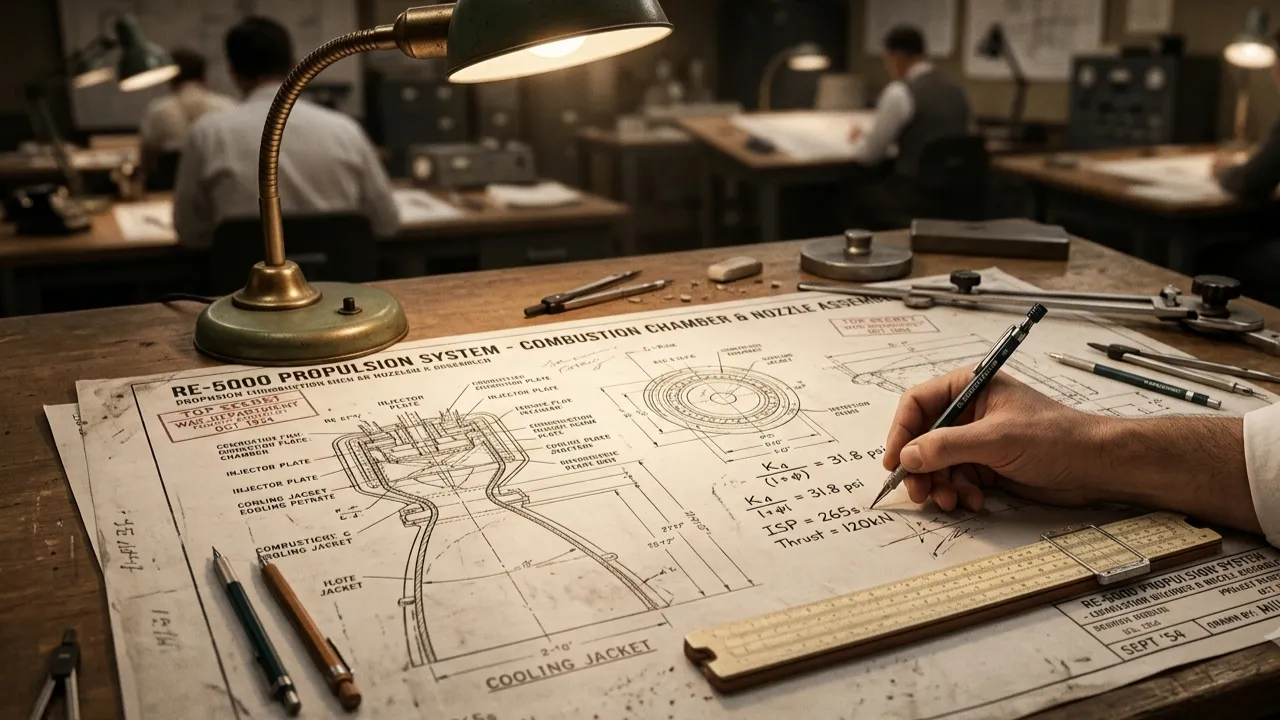
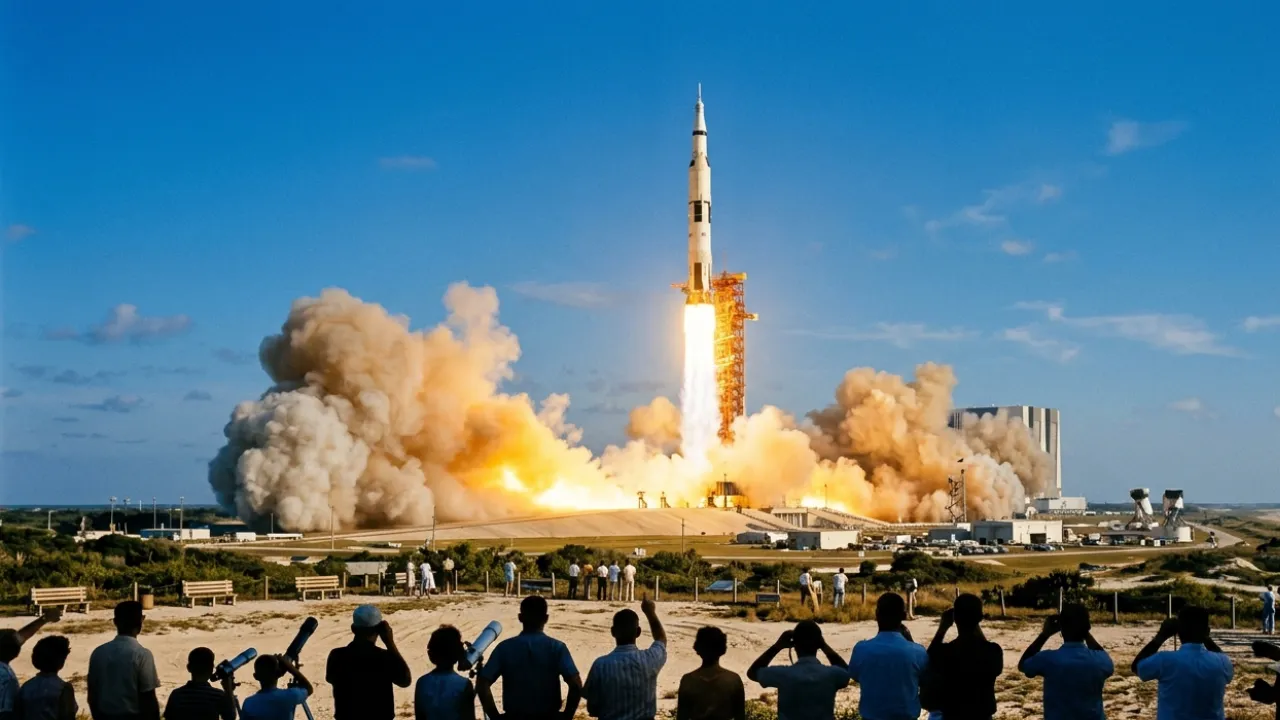
Wernher von Braun, a former Nazi SS officer and the mastermind behind Germany’s V-2 rocket program, became the chief architect of America’s Saturn V rocket.
That rocket carried Neil Armstrong, Buzz Aldrin, and Michael Collins to the moon in 1969.
The rocket that made history. The rocket that made America proud. Designed, at its core, by a German scientist recruited under a secret Cold War operation.
A Legacy That Still Sparks Debate
Operation Paperclip officially ended in 1990 when its records were declassified. Only then did the full scope of what had happened become clear to the public.
The debate it sparked has never fully settled.
On one side: America gained a decisive technological edge during the Cold War. The space program accelerated. Military capabilities advanced. The argument is that these outcomes justified the difficult decisions made.
On the other side: war criminals were protected. Victims of Nazi atrocities watched their tormentors receive American salaries, citizenship, and celebrated careers. Justice was quietly set aside in the name of geopolitical strategy.
Both arguments carry real weight. Neither is easy to dismiss.
How Mussolini Was Caught, Shot, and Hanged Upside Down
Operation Paperclip and What It Reveals About Power
The story of Operation Paperclip isn’t just a Cold War footnote. It’s a window into how nations make decisions when survival and strategy override principle.
It raises questions that remain relevant today: How far should a government go to gain an advantage? What happens to justice when it becomes inconvenient? And who gets to write the history of scientific achievement?
The moon landing remains one of humanity’s greatest moments. But the full story of how America got there — including Operation Paperclip — is far more complex than any single photograph from the lunar surface can capture.
Some of history’s most extraordinary achievements have the most uncomfortable origins. This one is no exception.