
The Roswell UFO Incident and the Government’s Cover-Up full story
In July 1947, debris found on a New Mexico ranch sparked a global mystery known as the Roswell Incident. While the military initially reported recovering a flying disc, officials quickly revised the story to a weather balloon. This sudden shift fueled decades of speculation regarding extraterrestrial contact and government cover-ups.
Later investigations linked the wreckage to a classified Cold War surveillance program called Project Mogul. Despite official explanations involving high-altitude balloons and crash test dummies, the event remains a cornerstone of modern UFO culture. It continues to influence public perception of aerospace anomalies and the search for extraterrestrial life.
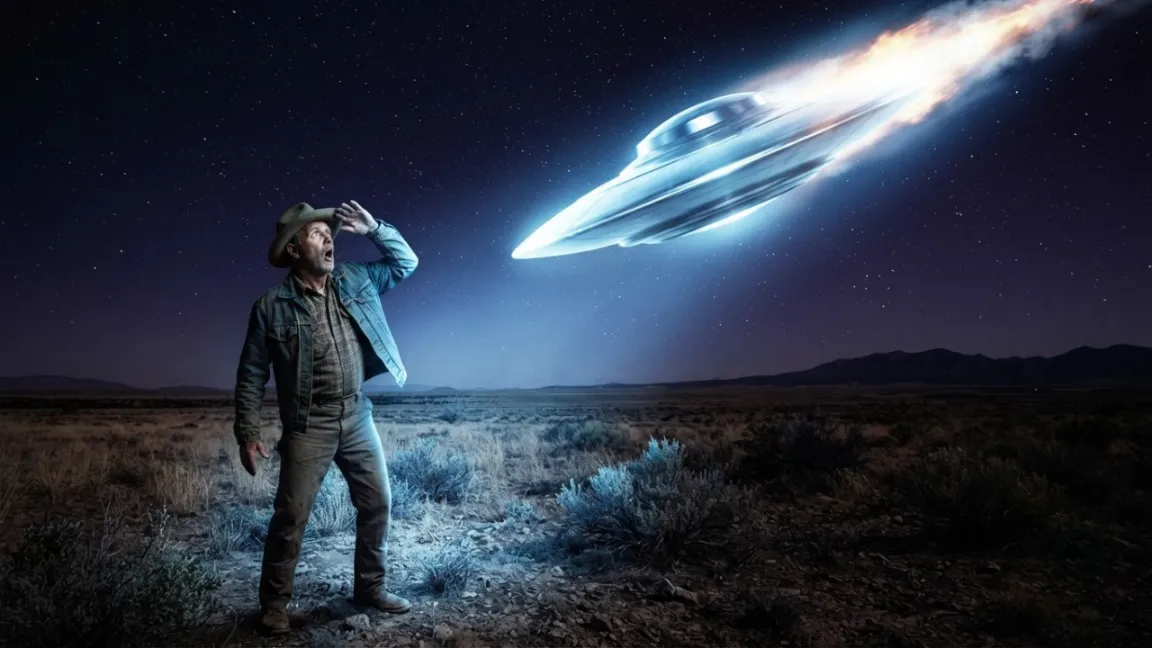
Something strange fell from the New Mexico sky in the summer of 1947. Nobody fully agrees on what it was. And that uncertainty alone has fueled one of the most captivating and enduring mysteries in modern history — the Roswell Incident.
Decades later, the debate has never cooled. Books, films, documentaries, and late-night conversations still circle back to one burning question: What really happened out there in the desert?
A Farmer Finds Something He Can’t Explain
It started quietly, the way most extraordinary things do.
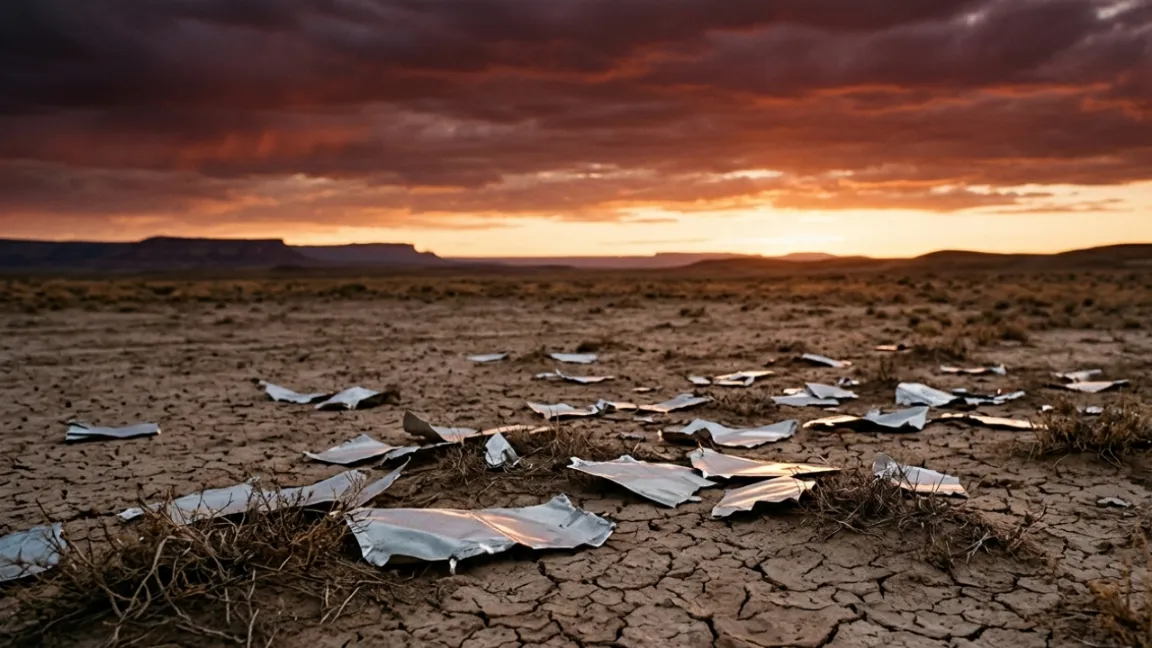
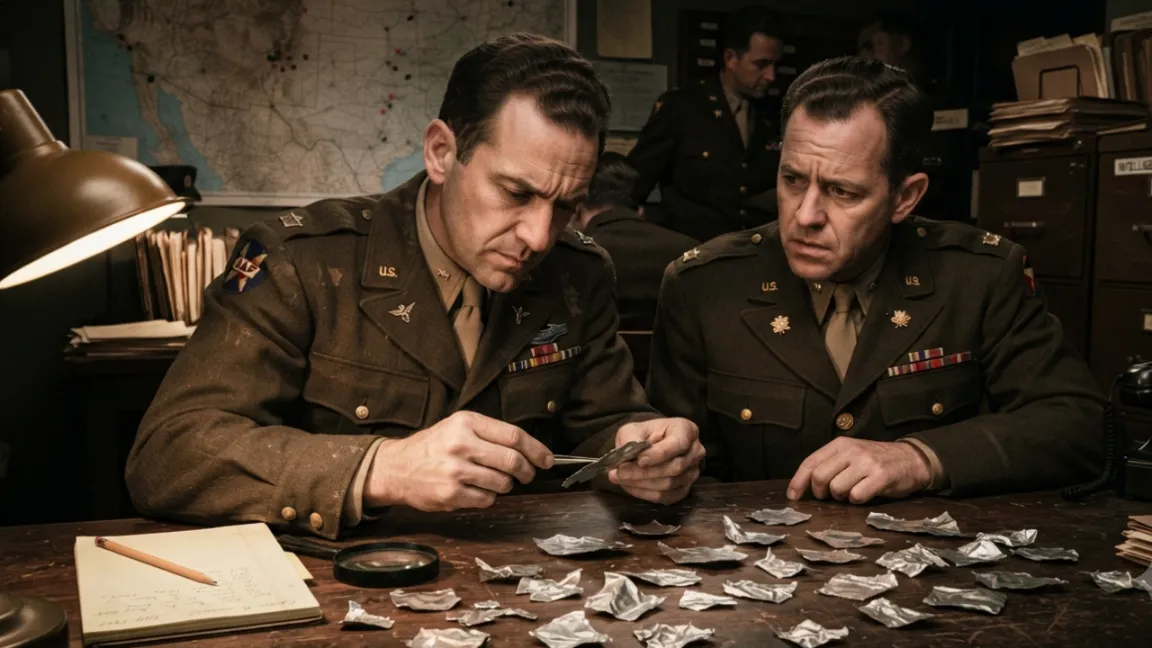
In early July 1947, a rancher named Mac Brazel rode out across his property near Roswell, New Mexico. What he found stopped him cold. Scattered across the field was a trail of unusual debris — shiny metallic pieces unlike anything he had ever seen.
The material felt wrong. Some witnesses who handled it later claimed the metal could bend and flex, yet it always snapped back to its original shape. No dents. No creases. Nothing stuck to it.
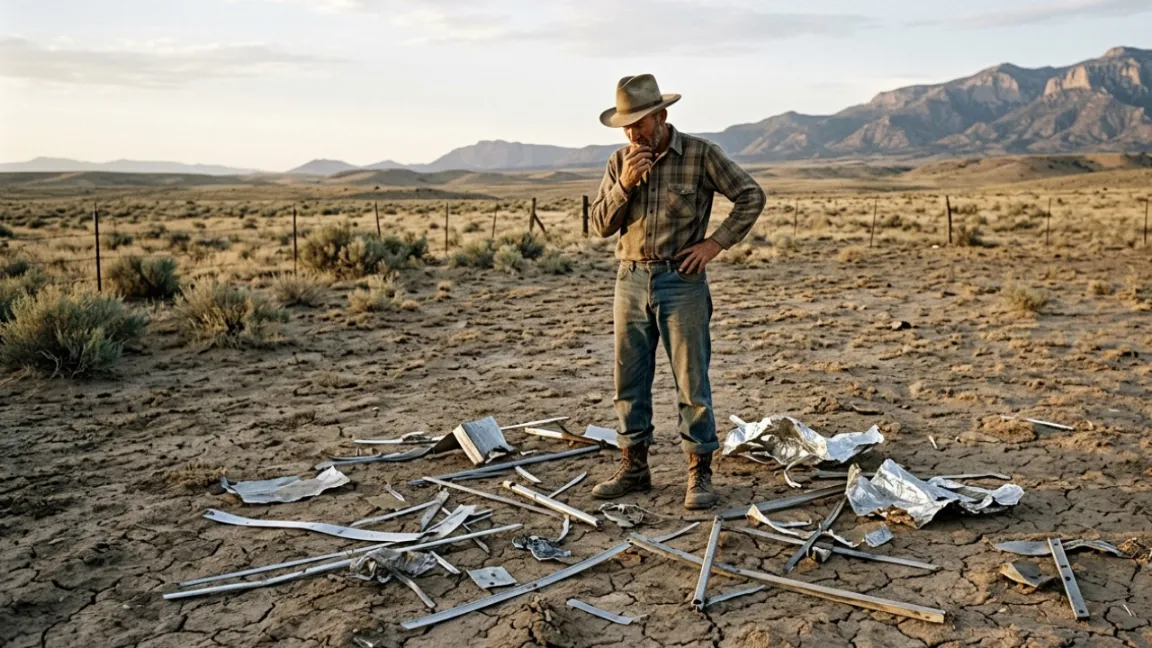
Brazel reported the find to the local sheriff. From that moment on, nothing stayed simple.
The Military Steps In — And Changes Its Story
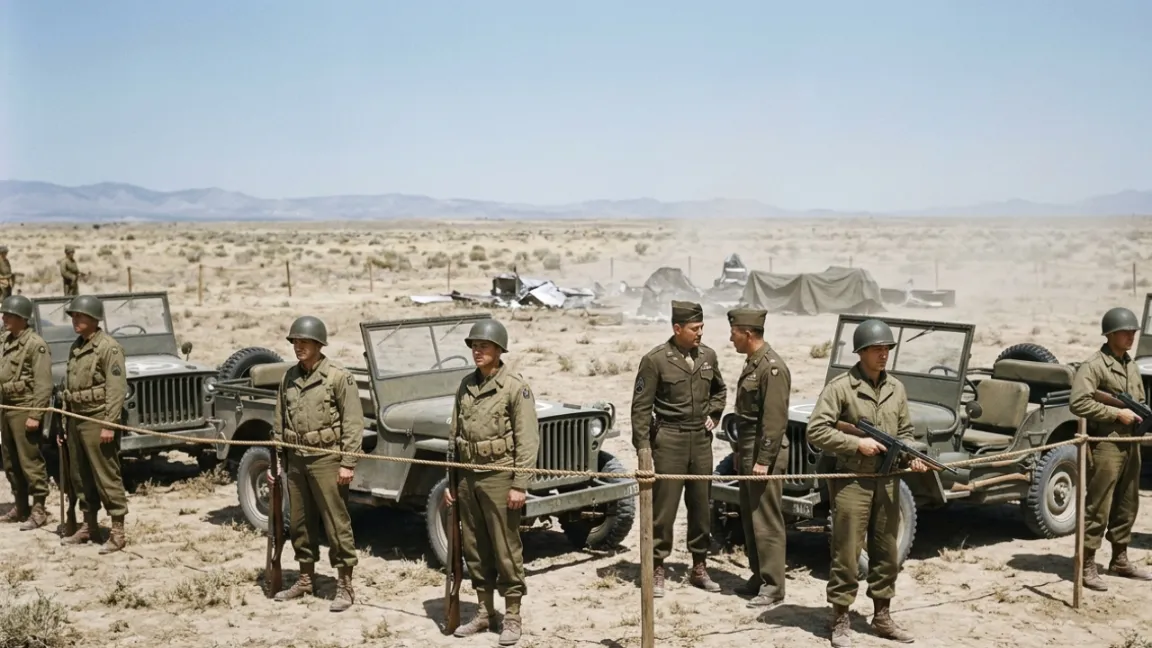
Within days, officers from the nearby Roswell Army Air Field (RAAF) arrived and sealed off the entire area. Then came the announcement that grabbed headlines worldwide.
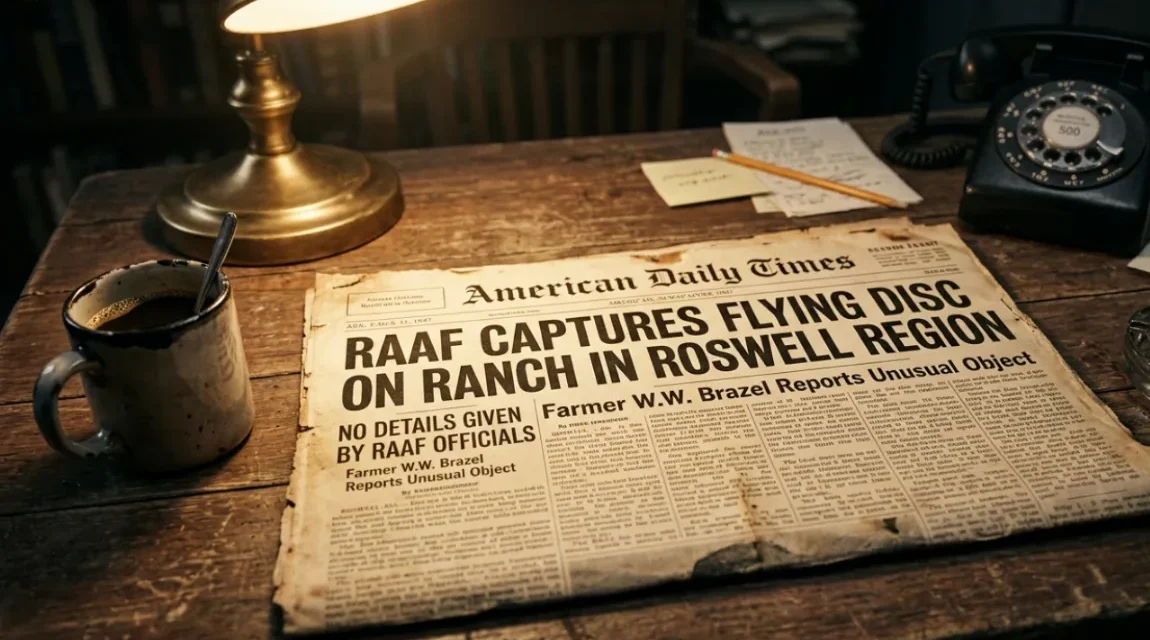
On July 8, 1947, the RAAF issued a remarkable press release. It stated that personnel had recovered a “flying disc” from a local ranch.
The story exploded. Newspapers ran it on the front pages. Radio stations buzzed with speculation. For a brief, electric moment, the world believed humanity had finally made contact — or at least found proof that it wasn’t alone.
However, the excitement lasted only hours.
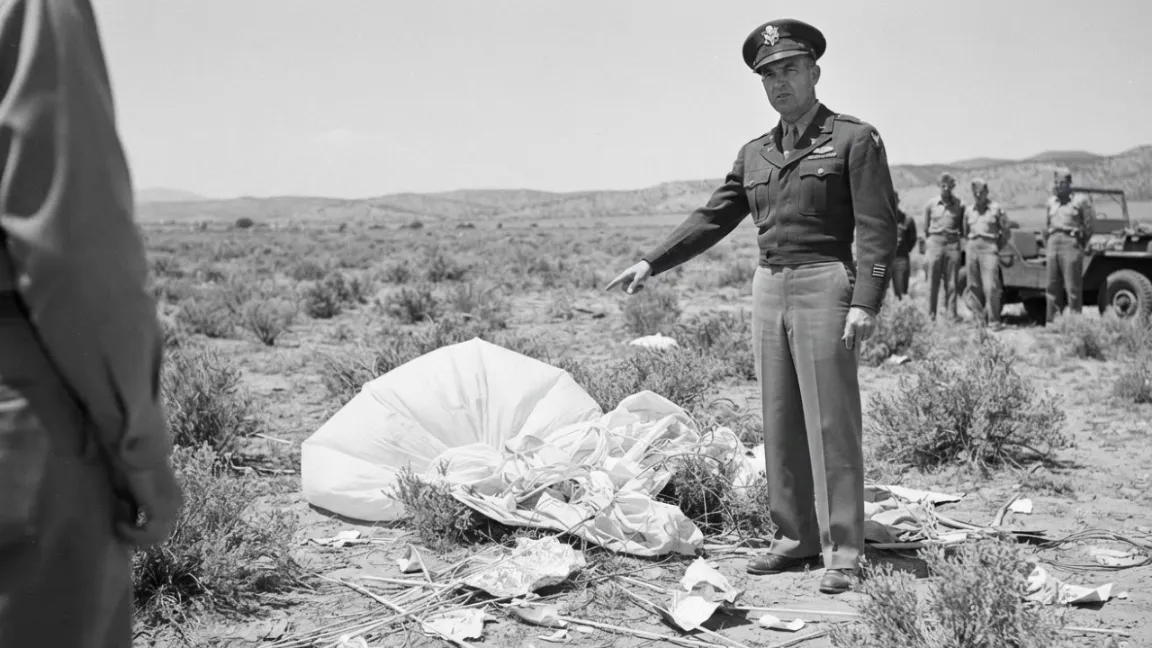
By the next day, military officials reversed course completely. The official explanation changed. They now said the recovered object was nothing more than a weather balloon used for atmospheric research.
The public wasn’t convinced.
Why the Sudden U-Turn Raised More Questions
If it was just a weather balloon, why did the military call it a flying disc first?
That question gnawed at people. Meanwhile, eyewitnesses began coming forward with accounts that didn’t fit the official story. Local mortician Glenn Dennis claimed he received strange calls from the base asking about small, child-sized caskets. Nurses reportedly told him they had seen bodies — non-human ones — being examined in secret.
Because of this flood of conflicting accounts, the skepticism only deepened. The government’s quick pivot from “flying disc” to “weather balloon” felt less like a correction and more like damage control.
The Conspiracy Theories Begin to Take Shape
As the years passed, the story grew bigger — not smaller.
Dozens of people claimed they had seen the crash site before the military locked it down. Some described metallic wreckage spread across a wide field. Others insisted there were two crash sites, not one, with one allegedly containing the remains of alien occupants.
Eventually, a former military intelligence officer named Jesse Marcel Sr. — the man who had initially handled the debris — publicly stated that what he saw was not a weather balloon. He said the material was unlike anything manufactured on Earth.
In addition, multiple witnesses reported seeing bodies transported from the site in great secrecy. The government denied every claim. But the denials, paradoxically, kept the story alive.
What the Government Eventually Admitted
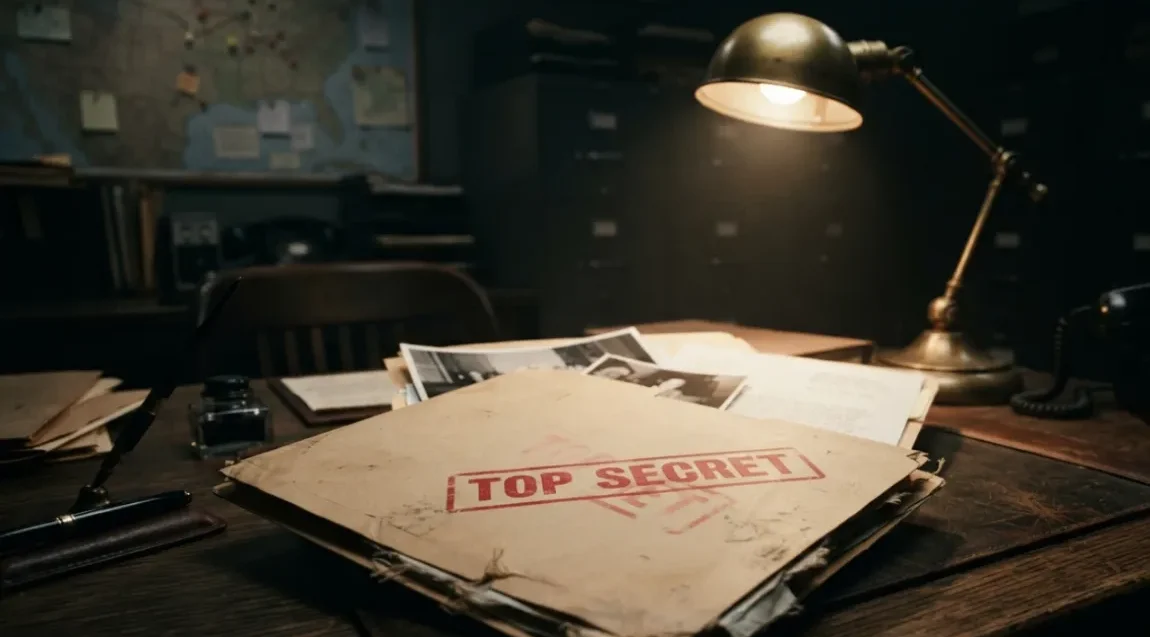
In 1994, the U.S. Air Force released a report that acknowledged the debris came from Project Mogul — a classified Cold War program that used high-altitude balloons to monitor Soviet nuclear tests.
This explained the secrecy. The military hadn’t wanted to reveal a top-secret surveillance operation during the height of Cold War tensions.
However, it did not satisfy everyone. Critics pointed out that Project Mogul balloons were made from ordinary materials. They argued this still didn’t explain the unusual properties witnesses described in the recovered debris.
Afterward, a second Air Force report in 1997 addressed the claims of alien bodies. It suggested that witnesses had confused crash test dummies — used in high-altitude experiments during the 1950s — with extraterrestrial beings. Many found this explanation difficult to accept, given that the dummy drops happened years after the 1947 incident.
The Roswell Incident and the Birth of UFO Culture
Few events have shaped popular culture the way the Roswell Incident has.
It didn’t just spark curiosity — it rewrote the cultural conversation around space, government secrecy, and the possibility of life beyond Earth. For example, the incident directly inspired the golden age of science fiction films in the 1950s, laying the groundwork for everything from Close Encounters of the Third Kind to The X-Files.
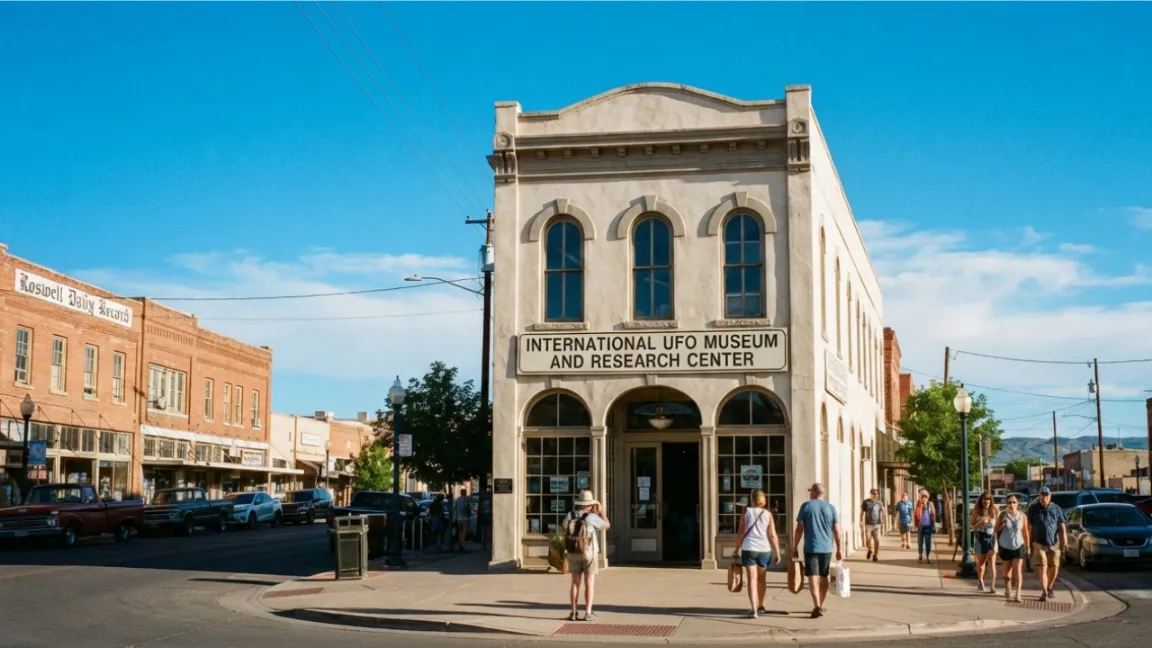
Today, Roswell, New Mexico, has leaned fully into its legend. The town hosts an International UFO Museum and an annual UFO festival and draws hundreds of thousands of visitors each year. The local economy runs, at least partly, on the memory of one summer morning in 1947.
Expert Opinions — What Do Researchers Actually Think?
The Roswell Incident splits experts into distinct camps.
Skeptics argue that the evidence firmly points to a mundane explanation. Project Mogul, they say, accounts for the unusual debris. The alien body stories emerged from distorted memories, hoaxes, and decades of embellishment.
Meanwhile, serious UFO researchers and some former government insiders maintain that the cover-up goes much deeper. They point to the sheer number of witnesses, the rapid military response, and the many inconsistencies in the official story as evidence that something extraordinary was being hidden.
A 2021 U.S. government report on Unidentified Aerial Phenomena (UAP) acknowledged that many incidents remain genuinely unexplained. That report didn’t mention Roswell by name. But for believers, it felt like vindication — proof that not every strange thing in the sky gets a clean answer.
French Colonialism: The Dark History France Doesn’t Want You to Know
The Mystery That Refuses to Die
Here’s what makes the Roswell Incident different from other historical controversies.
Most mysteries fade with their witnesses. Roswell only grows. New researchers emerge. Old documents get declassified. Former military personnel make deathbed confessions. Each new development adds another layer to a story that was already dense with intrigue.
As a result, the incident has become more than just a historical event. It represents something larger — a fundamental distrust of official narratives, a hunger for cosmic significance, and a deep human desire to know that we are not alone in the universe.
Whether you believe a spacecraft crashed in New Mexico or accept the weather balloon explanation, one thing is undeniable: the Roswell Incident changed how humanity looks at the sky.
Conclusion: A Question That Still Demands an Answer
The Roswell Incident remains, after more than 75 years, the world’s most famous mystery. A farmer found something strange. The military rushed in. The story changed overnight. And the questions never stopped.
Governments have offered explanations. Researchers have challenged them. Witnesses have spoken. Others have called them liars. The truth, if there is one clean version of it, remains stubbornly out of reach.
What we do know is this: in the summer of 1947, something happened in the New Mexico desert. And whatever it was, the world has never quite been the same since.