
French Colonialism: The Dark History France Doesn’t Want You to Know
French colonialism involved centuries of systematic violence and cultural erasure across North and West Africa. In Algeria, prolonged occupation resulted in millions of deaths through massacres and the targeting of religious leaders. Extensive nuclear testing and millions of landmines further inflicted long-term environmental and health damage on local populations.
The colonial legacy persists through significant economic disparities and a lack of formal accountability. While France maintains vast gold reserves without active mines, former colonies like Mali and Congo remain resource-poor. Calls for restitution continue as these nations grapple with the enduring financial architecture and generational trauma of occupation.
When people think of France, they picture art, culture, fashion, and fine cuisine. However, beneath that glamorous image lies one of the most brutal colonial histories in the modern world.
French colonialism didn’t just occupy lands — it devastated entire civilizations, erased populations, and extracted wealth that still hasn’t been returned. From the burning streets of Algeria to the gold-rich mines of Mali, France’s colonial record is a story of systematic violence, exploitation, and erasure.
It’s time to look at that record honestly.
The Occupation of Algeria: 132 Years of Bloodshed
France occupied Algeria for 132 years — from 1830 to 1962. That number alone should stop you in your tracks. But the true scale of the horror goes far beyond the timeline.
In the very first seven years of their arrival, French forces killed an estimated one million Muslims. Then, in the final seven years before they left, they killed another 1.5 million more.
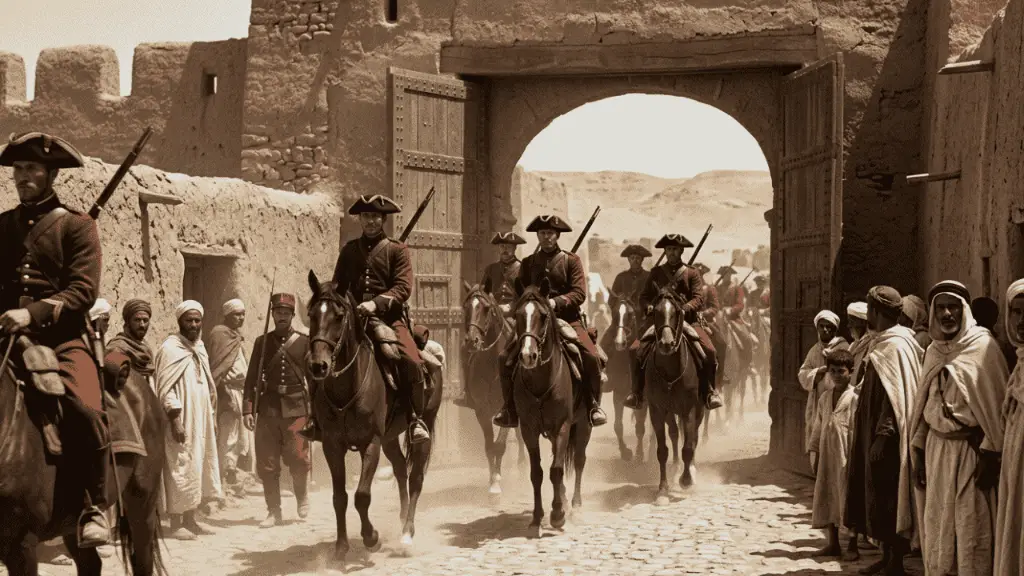
French historian Jacques Gorecki estimated that the total number of Muslims killed in Algeria between France’s arrival in 1830 and its departure in 1962 reached a staggering 10 million people.
Ten million lives. Gone.
The Night They Burned Laghouat
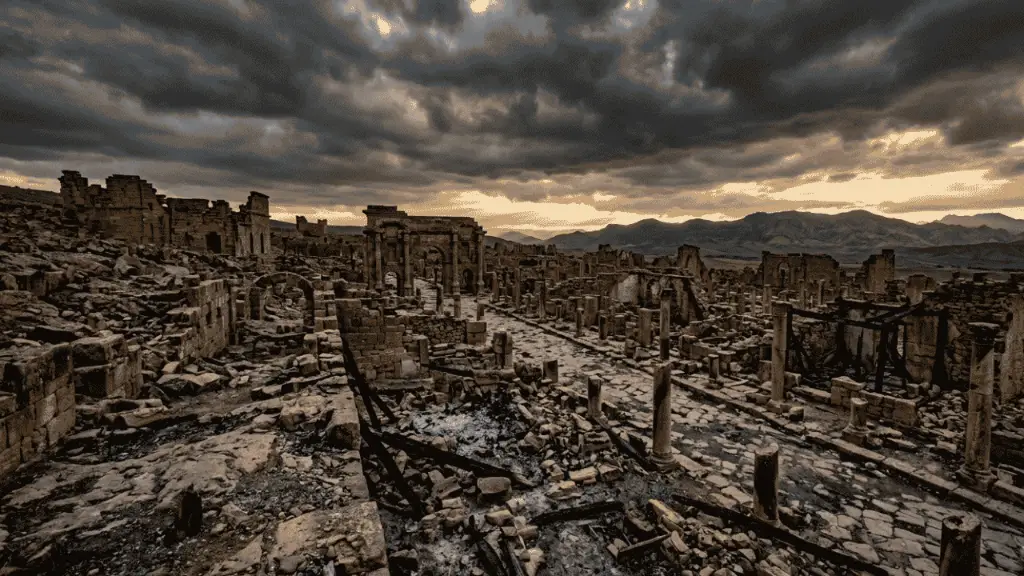
In 1852, French forces entered the Algerian city of Laghouat. What happened next is almost too horrifying to put into words.
In a single night, French soldiers killed two-thirds of the city’s entire population — burning many of them alive. Families, scholars, elders, and children. None were spared.
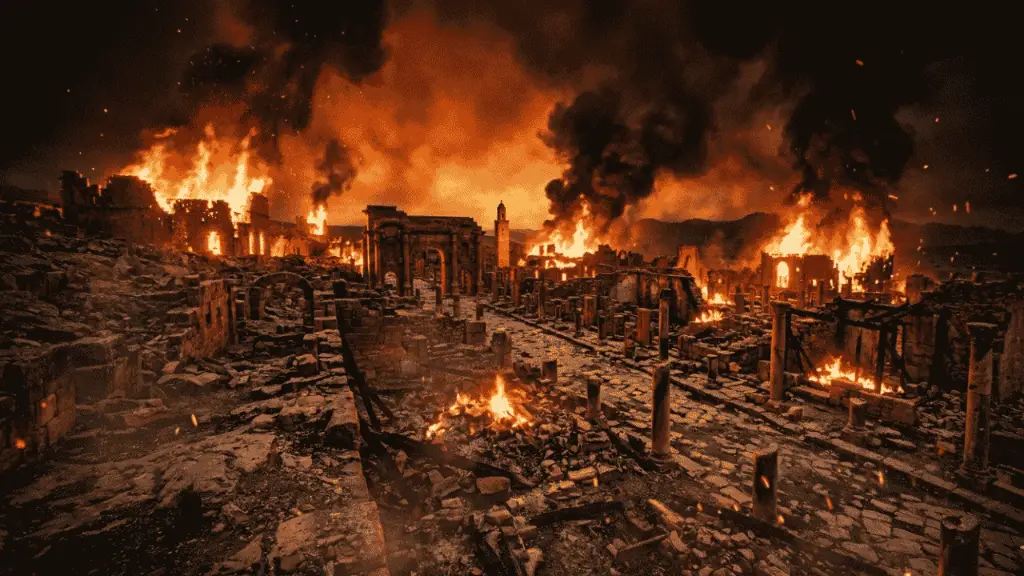
This was not a battle. It was a massacre.
400 Muslim Scholars Beheaded
French colonialism didn’t only target civilians with fire and sword. It systematically targeted Islamic leadership and religious identity.
In one of the most disturbing episodes of this occupation, France gathered 400 Muslim scholars together — and beheaded them. This took place as part of a broader strategy to destroy intellectual and religious resistance to colonial rule.
Meanwhile, the outside world largely stayed silent.
Nuclear Tests on Algerian Soil
Even after the massacres, France found new ways to inflict suffering on Algeria.
Between 1960 and 1966, France conducted 17 nuclear tests in the Algerian desert. These weren’t small experiments. They released devastating radiation across the land and its people.
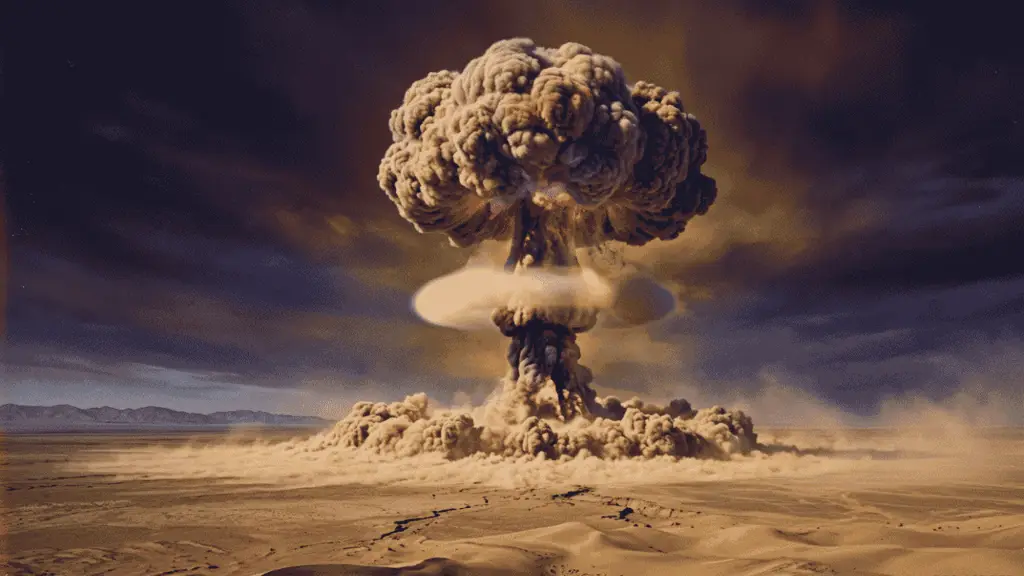
As a result, estimates suggest that anywhere from 27,000 to over 100,000 people died from the effects of those tests. Survivors passed health complications down to future generations. Even today, communities in the affected regions still live with the consequences.
France tested its nuclear ambitions on African soil — because it could.
Read the full story of France’s illegal nuclear tests in Algeria.

Landmines: A Farewell Gift of Death
When France finally left Algeria in 1962, it didn’t go quietly. Before departing, French forces buried 11 million landmines across Algerian territory.
To put that in perspective — that number exceeded Algeria’s entire population at the time.
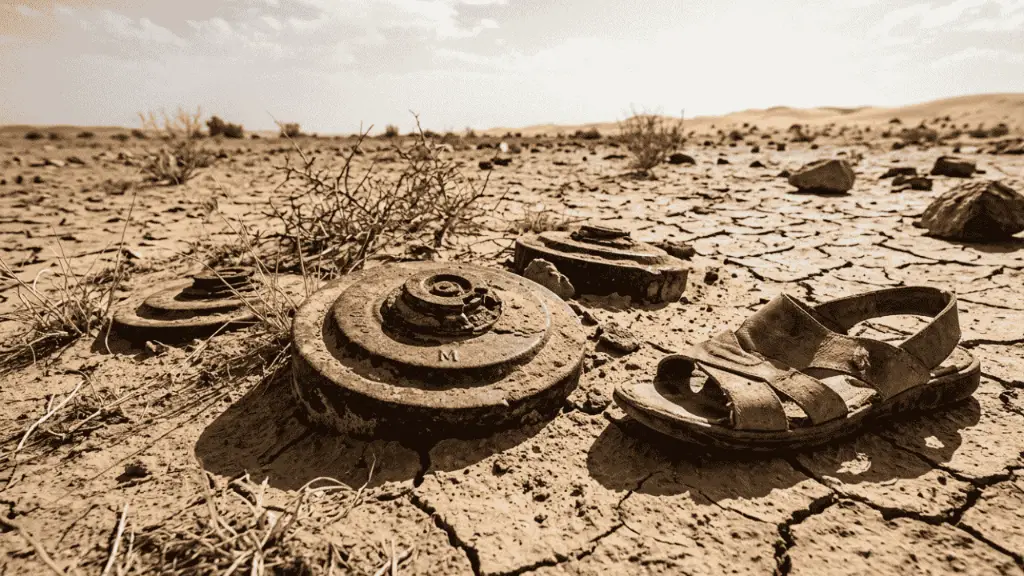
Afterward, Algerians didn’t just have to rebuild a nation. They had to do it while walking through fields laced with hidden death. The landmines continued to kill and maim civilians for decades after independence.
France’s Colonial Reach Across North Africa
Algeria wasn’t the only country to suffer under French colonialism. France’s occupation spanned much of North and West Africa for generations.
- Tunisia: Occupied for 75 years
- Algeria: Occupied for 132 years
- Morocco: Occupied for 44 years
- Mauritania: Occupied for 60 years
- Chad: Experienced French military campaigns, including reported atrocities as late as 1917 DC
Each of these nations carries its own wounds. Each lost lives, wealth, culture, and sovereignty to French rule.
Mosques Turned Into Stables: France in Egypt
When Napoleon’s forces marched into Egypt during the famous Egyptian Campaign, they brought contempt along with their cannons.
French soldiers rode horses directly into mosques. They drank alcohol inside the sacred spaces. They turned houses of worship into military stables. In front of families, French soldiers committed acts of violence and violation against women in their own homes.
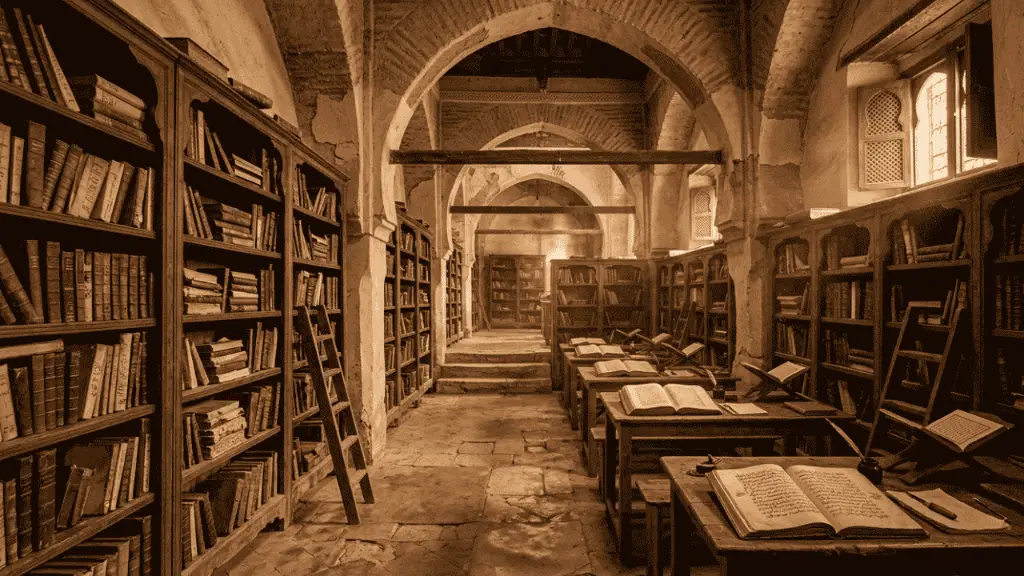
For example, the Al-Azhar Mosque in Cairo — one of the most revered institutions in the Islamic world — was reportedly desecrated and used as a stable by French troops.
Because of this, the Egyptian population’s resistance to French presence was fierce. However, the damage to trust, dignity, and sacred spaces was already done.
The Gold Paradox: France Rich, Africa Poor
Here is one of the most striking facts about the long-term consequences of French colonialism — one that reveals just how deep the extraction ran.
France is currently the fourth-largest holder of gold reserves in the entire world. The Banque de France holds an enormous 2,436 tonnes of gold in its vaults.
Here’s what makes that number extraordinary: France has no active gold mines.

In addition, consider these two African nations:
- Mali — one of the world’s leading gold producers, with 14 active gold mines — holds zero gold reserves in its central bank.
- Congo — the seventh-largest gold producer in the world — also holds no gold reserves in its central bank.
These countries dig the gold. France holds it.
This is not coincidence. It is the enduring financial architecture of colonialism — a system designed to extract wealth from African soil and consolidate it in European vaults.
Why This History Still Matters
Some people take great pride in French civilization. They admire its philosophy, its revolution, its ideals of liberté and égalité. That pride is understandable.
However, you cannot celebrate a civilization while ignoring the blood it spilled to build itself.
Eventually, every nation must reckon with its history. France has been slow to do this. It has been even slower to offer apology, restitution, or meaningful accountability for its colonial crimes.
For example, it wasn’t until 2021 that France officially acknowledged that its military used systematic torture during the Algerian War — and even then, no formal apology followed.
Remembering this history isn’t about hatred. It’s about honesty.
Conclusion: French Colonialism Cannot Be Erased
French colonialism was not a chapter of progress. It was a chapter of fire, massacre, nuclear radiation, landmines, and stolen gold.
Over 10 million Algerians were killed. Entire cities burned in a single night. Muslim scholars beheaded. Mosques desecrated. Nuclear tests were carried out on African land. Millions of landmines were buried before departure.
And the wealth of African nations? Still sitting in French vaults.
History doesn’t disappear because we choose not to talk about it. The children of Algeria, Mali, Tunisia, Congo, and Morocco carry this history in their bones — in the radiation still affecting families, in the poverty of nations whose gold was taken, in the generational trauma of 132 years of occupation.
The world deserves to know this history. France deserves to be held accountable for it.
Remember it. Teach it. Don’t let it be forgotten.