
Inside the Eerie Death Toll of the 1974 Islamic Summit
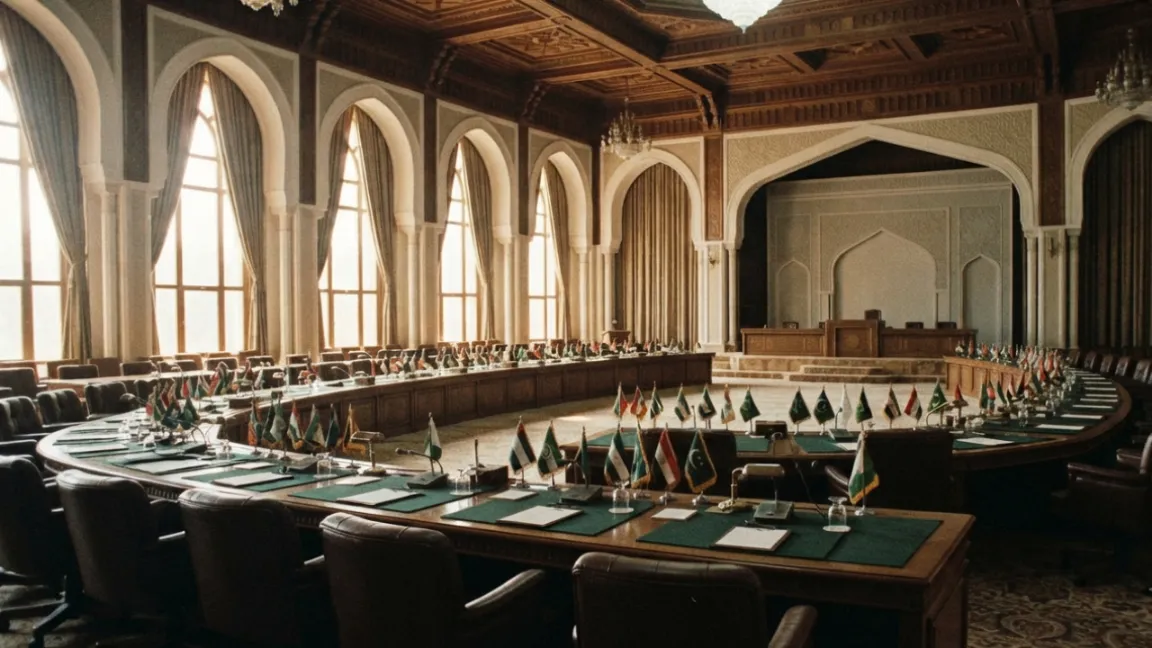
In February 1974, thirty-eight world leaders gathered in Lahore for a historic Islamic summit meant to project unprecedented unity across the Muslim world. But within just a few years, that moment of solidarity gave way to an unsettling string of tragedies as key figures from the event met violent or mysterious ends.
Saudi Arabia’s King Faisal and Bangladesh’s Sheikh Mujib were both assassinated in 1975, summit host Zulfikar Ali Bhutto was executed in 1979, and Egypt’s Anwar Sadat was gunned down in 1981—followed years later by the violent falls of Muammar Gaddafi and Yasser Arafat. While historians trace these deaths to separate regional conflicts and Cold War tensions rather than a coordinated plot, the grim concentration of tragedy among the summit’s biggest names remains one of modern history’s strangest coincidences.
In February 1974, thirty-eight heads of state gathered in Lahore for what was supposed to be a triumphant show of Muslim unity. Within a decade, an unsettling number of them were dead — assassinated, executed, or killed in ways no one saw coming.
Was it coincidence? Or did the Lahore summit mark something darker than history books admit?
A Summit Built on Big Dreams
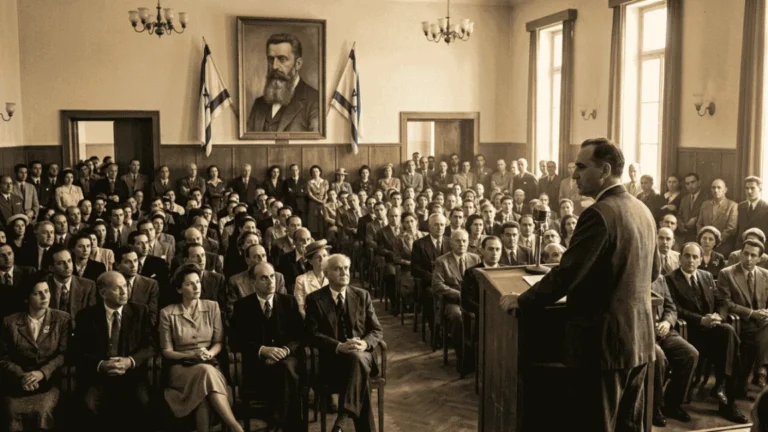
Pakistan’s Prime Minister Zulfikar Ali Bhutto hosted the Second Islamic Summit Conference with enormous ambition. Fresh off recognizing Bangladesh and rebuilding ties across the Muslim world, Bhutto wanted Lahore to symbolize a new chapter of solidarity.
Kings, presidents, and revolutionaries answered the call. Saudi Arabia’s King Faisal. Libya’s Muammar Gaddafi. Egypt’s Anwar Sadat. Bangladesh’s Sheikh Mujibur Rahman. The PLO’s Yasser Arafat. For a few days, it looked like the Muslim world had found common ground.
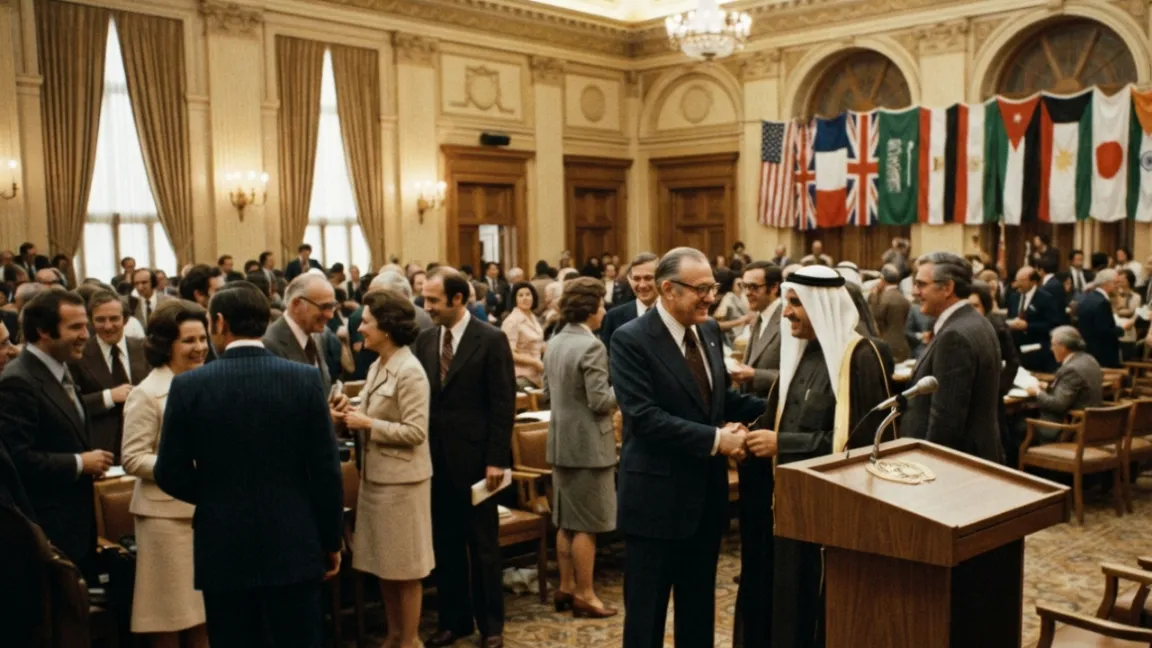
However, the goodwill of that February would not last. One by one, the men who shook hands in Lahore met endings that ranged from tragic to bizarre.
The Deaths Begin
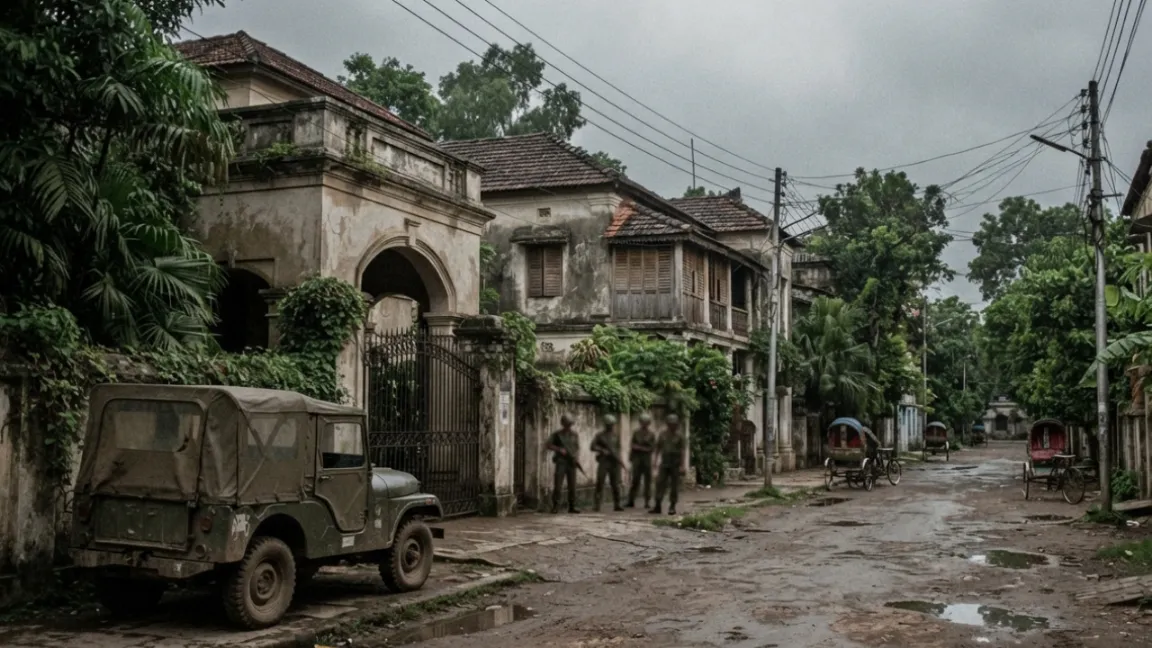
The pattern started close to home. Just a year after hosting the summit, Sheikh Mujibur Rahman was assassinated in Dhaka in August 1975, killed alongside most of his family in a military coup.
Then came Saudi Arabia’s King Faisal, the summit’s most prominent voice for Muslim unity. In March 1975, his own nephew shot him at close range during a royal audience. The killing stunned the Arab world and remains debated to this day.
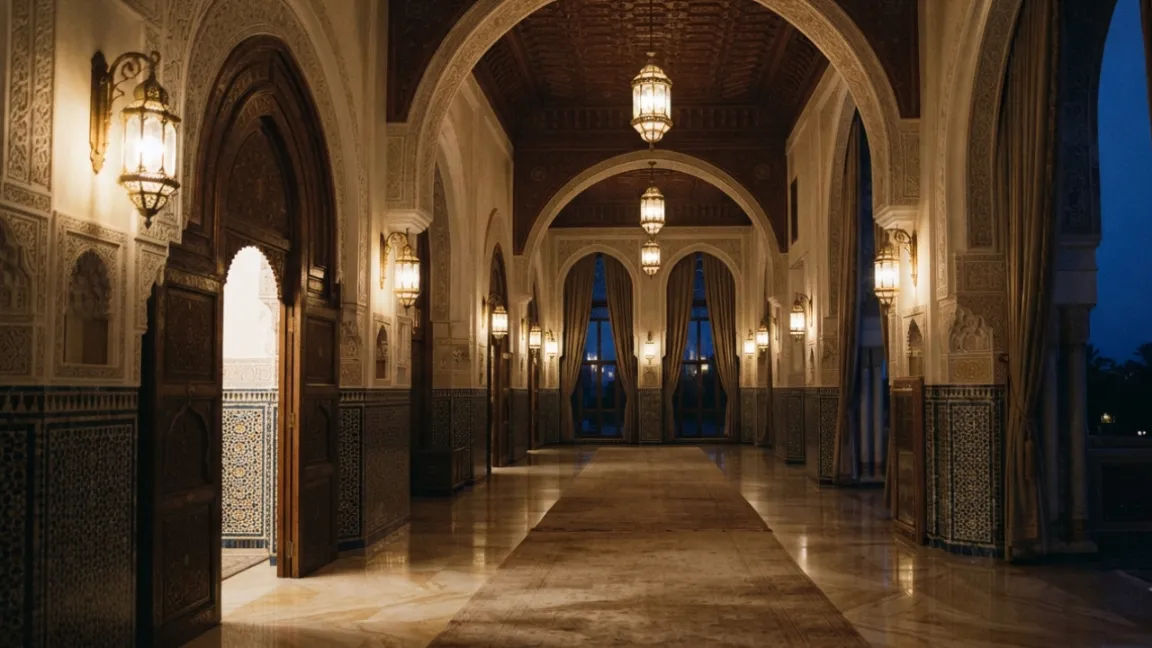
Bhutto himself, the summit’s host, didn’t escape the pattern. Ousted in a 1977 military coup led by General Zia-ul-Haq, he was hanged in 1979 after a controversial trial that many historians still consider a miscarriage of justice.

A Decade of Falling Dominoes
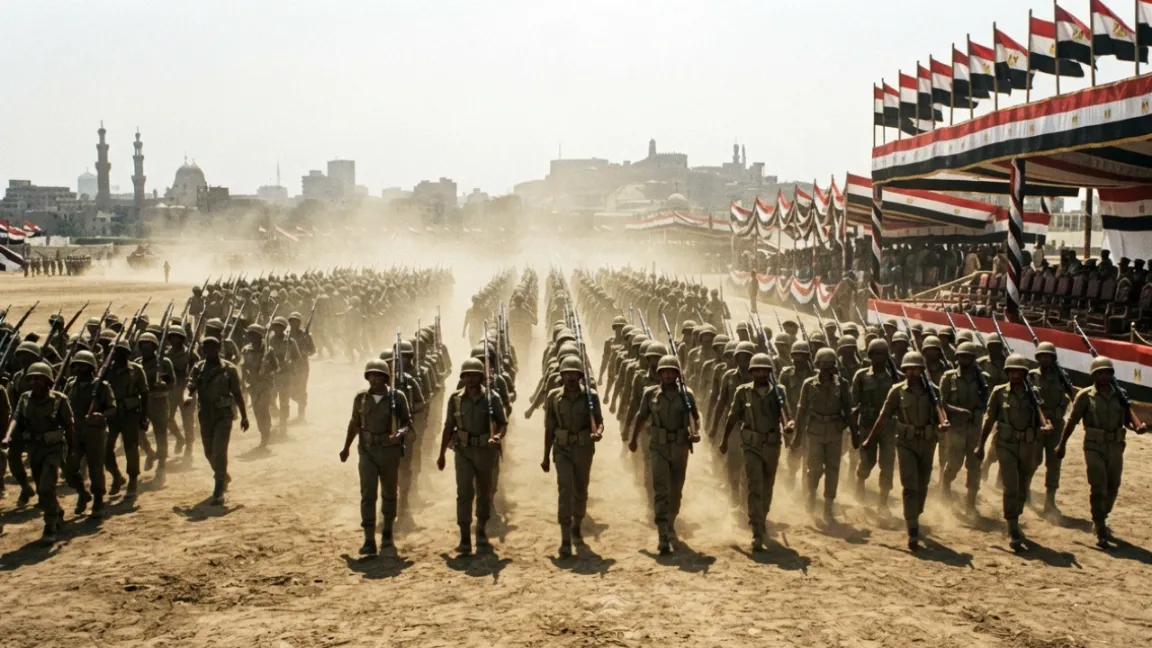
As the 1970s gave way to the 1980s, the losses kept mounting. Anwar Sadat, Egypt’s president and a key regional player, was gunned down in October 1981 by extremists during a military parade in Cairo — killed, ironically, while reviewing troops meant to honor his own government.
Meanwhile, Muammar Gaddafi, who had pushed hard for a unified Islamic bloc, held onto power for decades longer.
His end came in 2011, when he was captured and killed during Libya’s civil uprising, a brutal finale broadcast around the world.
Yasser Arafat‘s death is perhaps the murkiest of them all. The Palestinian leader died in 2004 under circumstances that sparked lasting speculation, with some researchers later suggesting poisoning — a claim that has never been conclusively proven or disproven.
Coincidence, Curse, or Something in Between?
Historians generally caution against reading too much into these deaths as a single connected plot.
Assassinations, coups, and civil wars were common features of the era’s volatile geopolitics, regardless of who attended a conference in Lahore.
As a result, most mainstream accounts treat these events as separate tragedies shaped by local politics, rivalries, and Cold War-era power struggles — not a coordinated campaign.
For example, Mujib’s assassination is widely tied to domestic military grievances in Bangladesh, while Sadat’s killers cited his peace treaty with Israel, not his role at an Islamic summit.
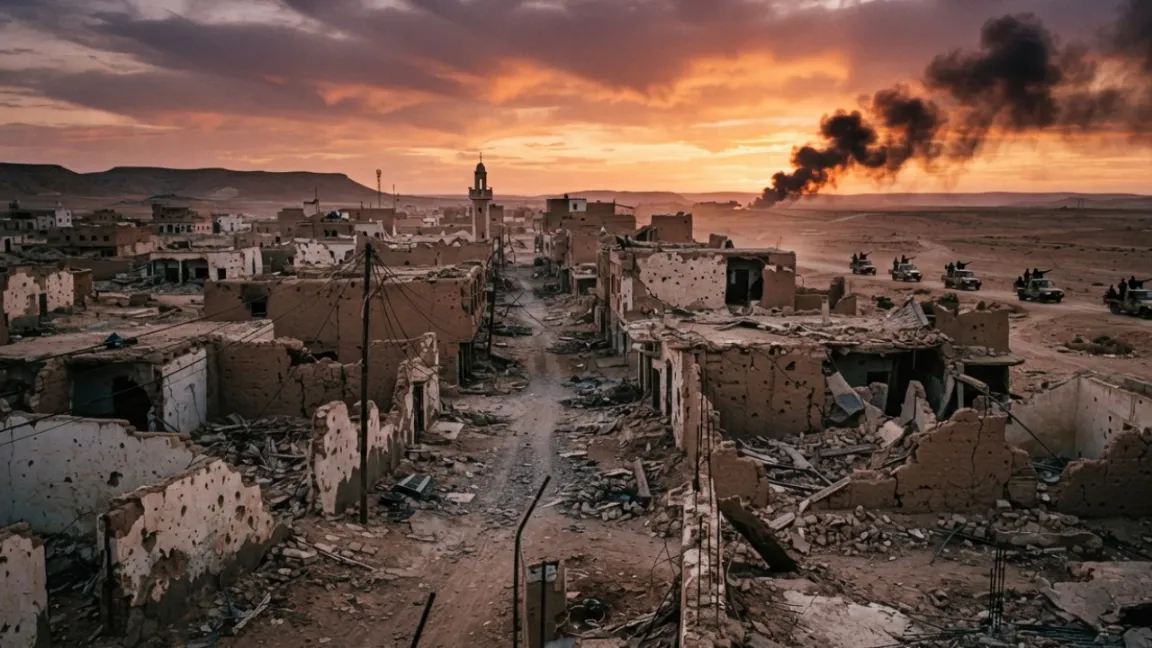
Still, the sheer concentration of violent ends among summit attendees has fueled decades of speculation. It’s the kind of historical pattern that raises eyebrows even among skeptics — enough coincidences stacked together start to look like a story on their own.
How Mussolini Was Caught, Shot, and Hanged Upside Down

Conclusion: The Legacy of the Lahore Summit
The 1974 Lahore Islamic Summit set out to project unity and hope across the Muslim world. Instead, it became linked, fairly or not, to one of modern history’s strangest death tolls among world leaders.
Whether these events were tragic happenstance or something more remains an open question that historians continue to debate.
What’s certain is that the Lahore summit’s legacy is as much about the men who died afterward as it is about the unity they once tried to build.