
The Massacre at Sea: Vasco da Gama’s Forgotten Crime
In 1502, Portuguese explorer Vasco da Gama intercepted and destroyed the Miri, a ship carrying hundreds of unarmed pilgrims. Despite pleas for mercy and offers of ransom, Da Gama ordered the vessel looted and burned. This event resulted in a significant loss of life in the Arabian Sea.
Portuguese efforts to dominate the Indian Ocean spice trade relied on violent methods of intimidation. While historical accounts often focus on maritime discovery, Da Gama’s actions were driven by economic and political ambitions. The Miri tragedy remains a controversial part of his legacy and broader colonial maritime history.
The year is 1502. Salt hangs heavy in the air over the Arabian Sea. A great ship glides toward India, carrying pilgrims home from Mecca.
Merchants, women, elders, and children fill its decks. Many are completing the greatest journey of their lives—the Hajj.
Back then, Hajj wasn’t a matter of hours on a plane. It took months of hardship. Some travelers had spent their entire life savings just to make this sacred trip once.
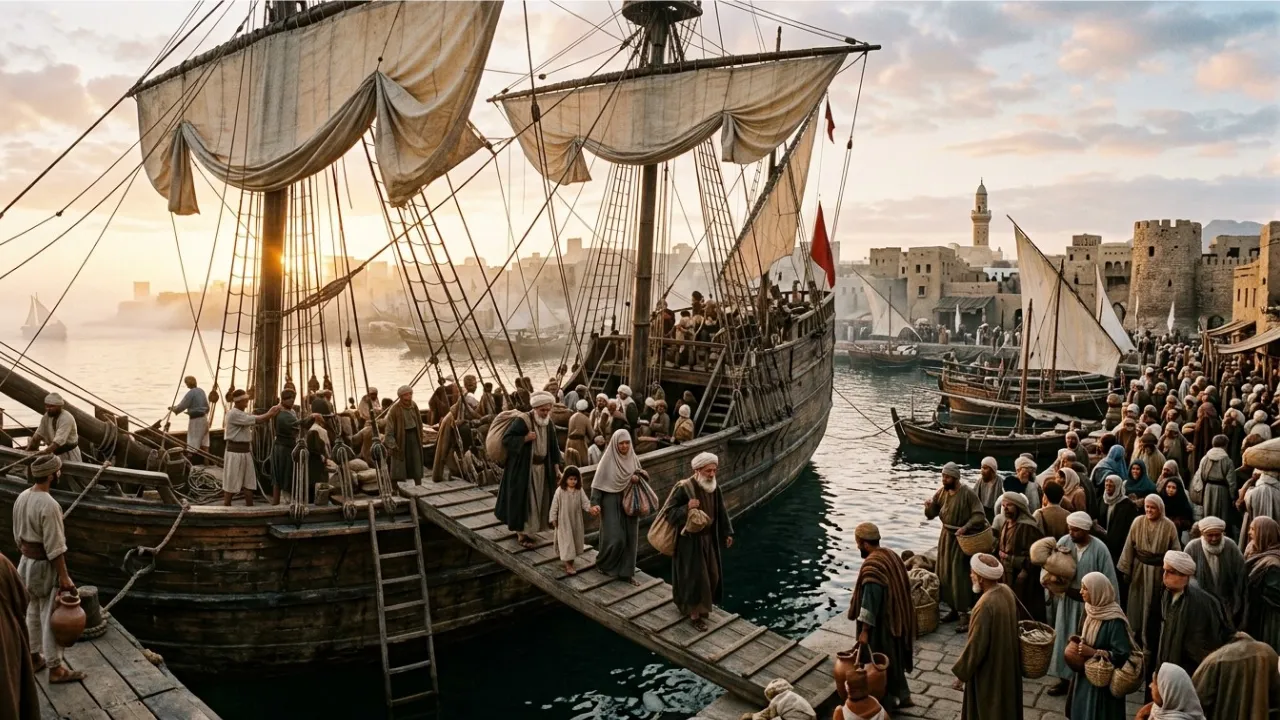
They were sailing home with gifts, memories, and stories for their families. What they didn’t know was that a Portuguese war fleet waited ahead—and their journey was about to become one of history’s most disturbing tragedies.
Vasco da Gama’s Real Mission
Textbooks usually remember Vasco da Gama as the explorer who found a sea route from Europe to India. That much is true.
But his second voyage tells a far darker story.
Portugal wanted control of the lucrative spice trade running between India and the Arab world. Whoever ruled the seas controlled the wealth flowing through them.
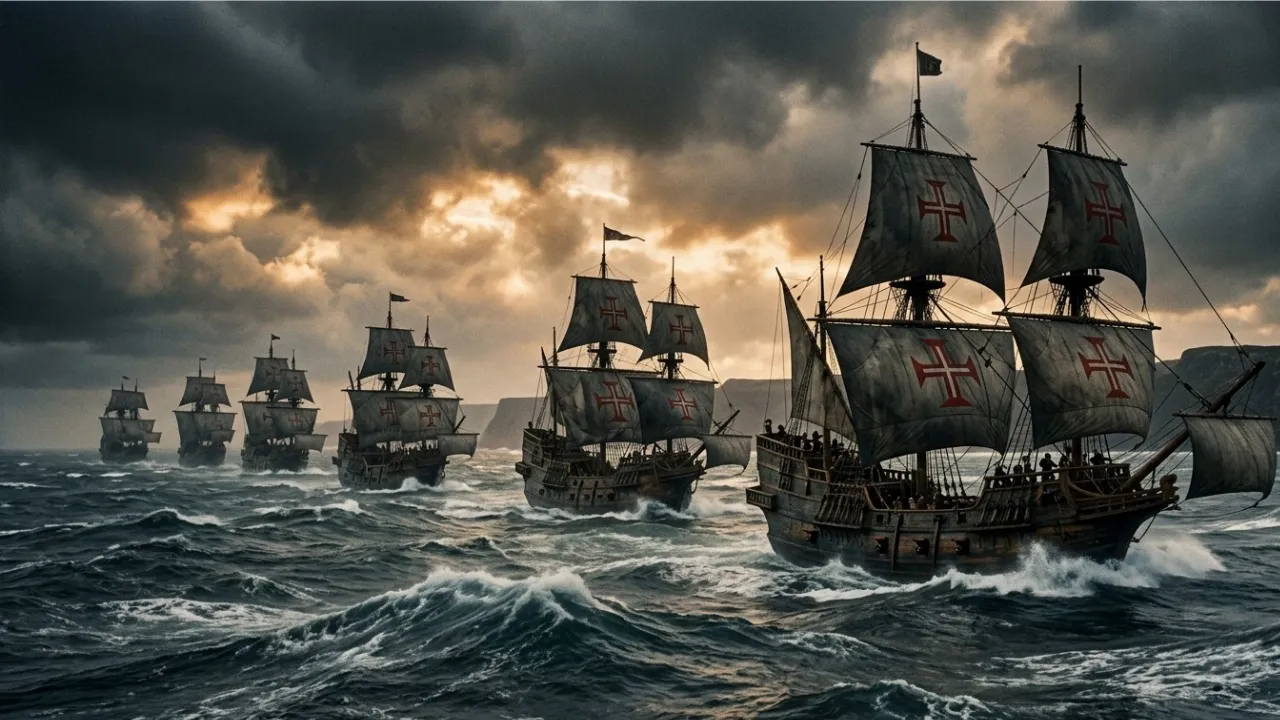
Da Gama had been given clear orders: intimidate rival traders and ports, crush resistance, and force the region to accept Portuguese dominance by any means necessary.
The Siege of the Miri
According to historical accounts, Portuguese warships surrounded a pilgrim vessel known as the Miri.
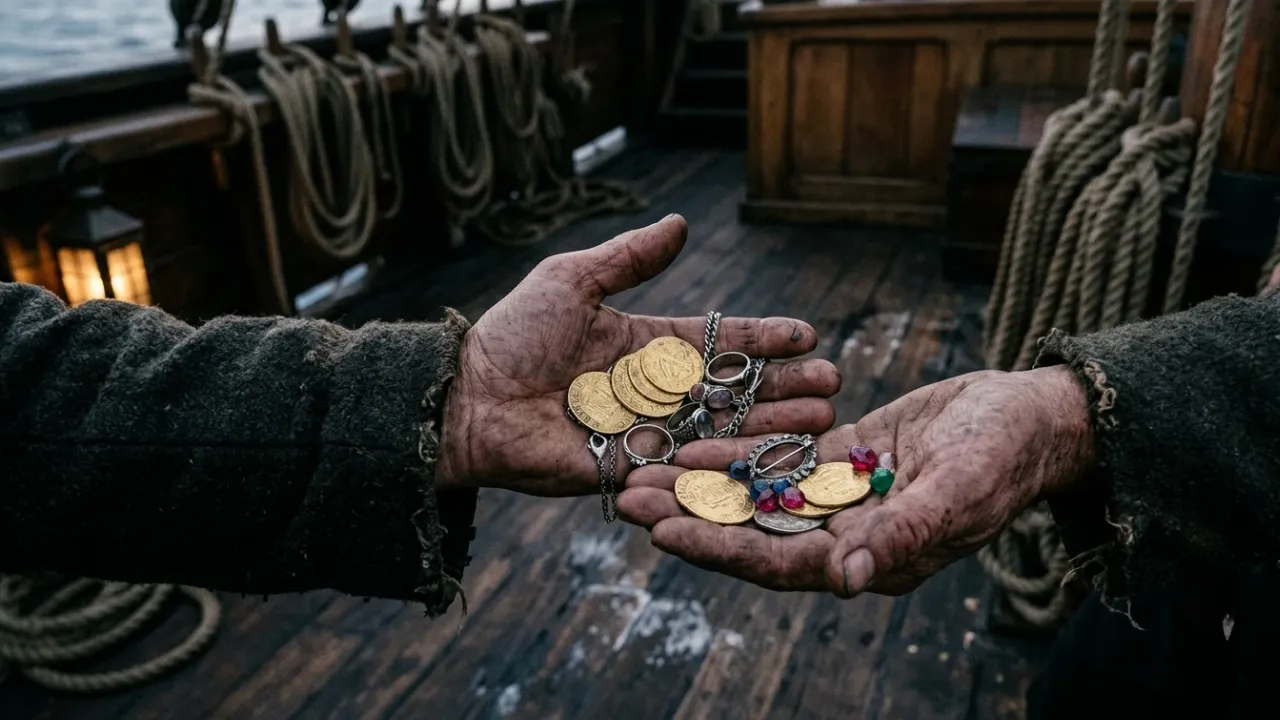
Desperate passengers offered gold, silver, and jewels, begging for their lives. Some chroniclers describe mothers lifting their children toward the soldiers, pleading for mercy.
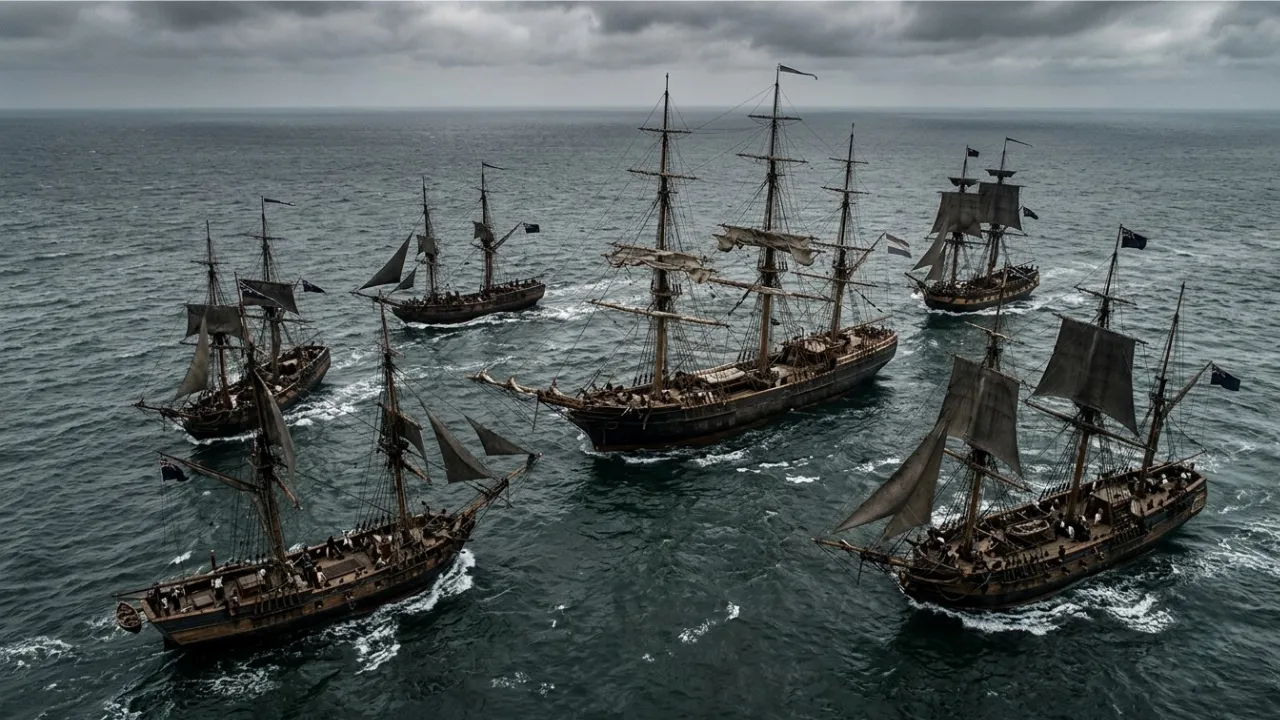
Mercy never came.
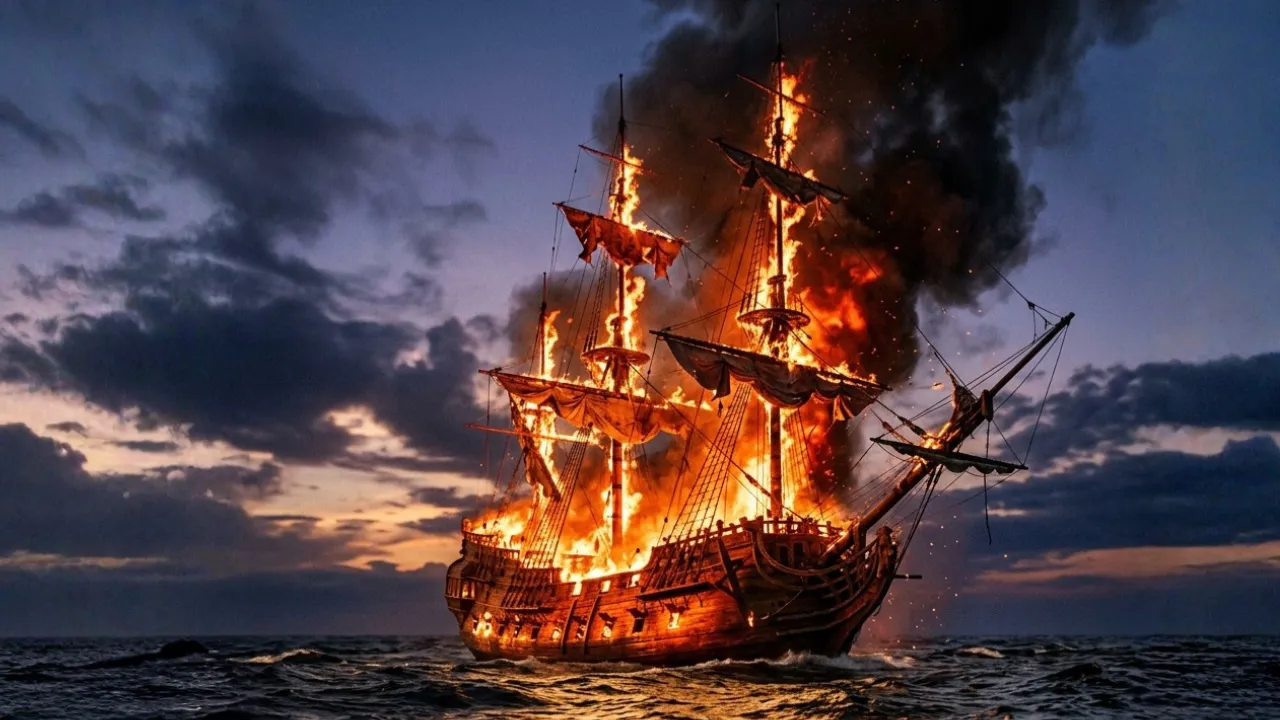
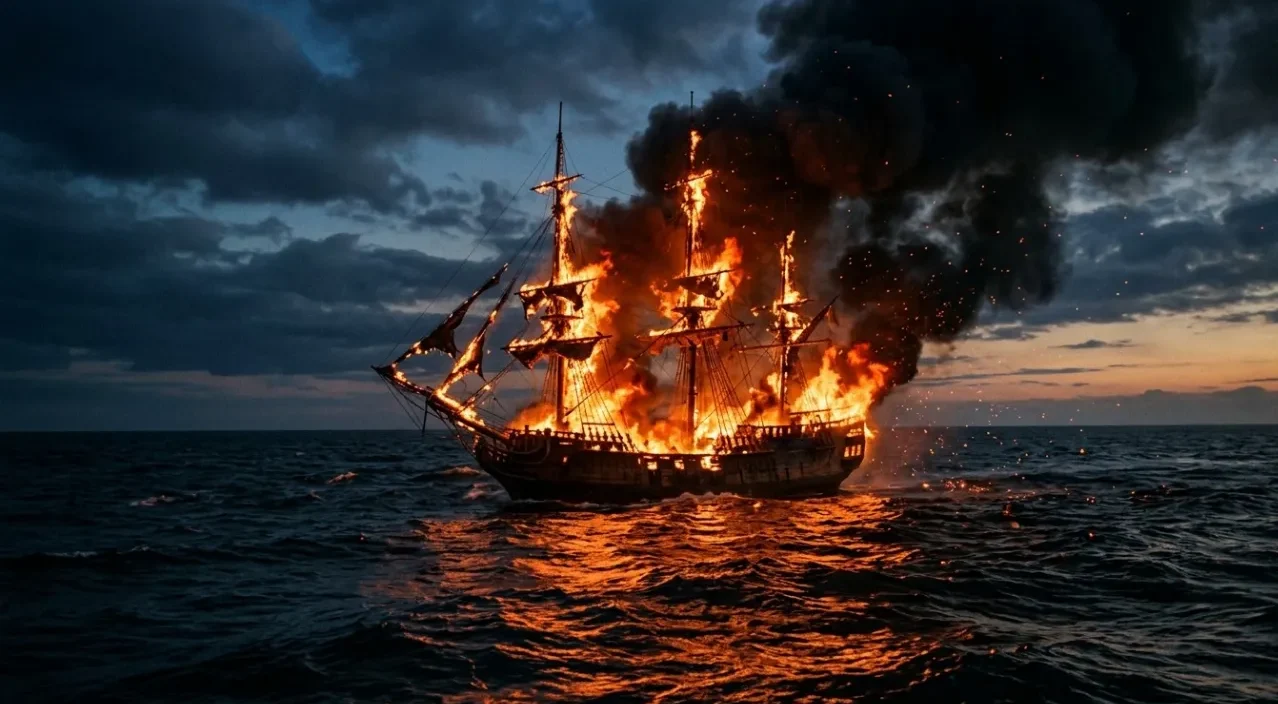
After the ship was looted, it was set on fire. Flames spread quickly, and screams echoed across the open water. A few jumped overboard, but most had nowhere to go.
Historians still debate the exact death toll. Most sources point to around 300 pilgrims, though the precise number remains uncertain.

What Happened to the Children?
This is the most debated part of the entire tragedy.
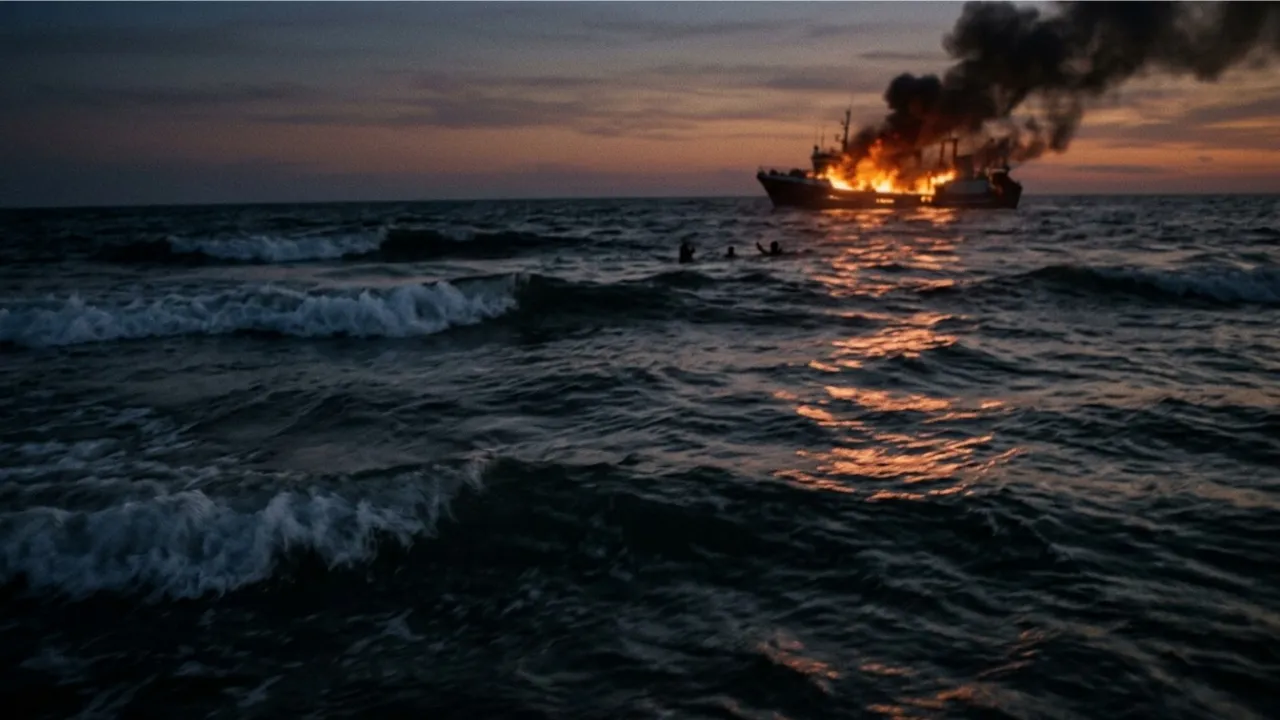
Some Portuguese records claim a handful of children were pulled from the ship alive and sent to Portugal, where they were raised as Christians. However, the numbers vary wildly between sources. Online retellings often cite a figure of 20 children, but few historians can confirm this with certainty.
Was This Simply a Religious Attack?
Many modern historians argue that framing this purely as a “Muslim versus Christian” conflict oversimplifies what really happened.
Portugal’s true war was over control of the Indian Ocean trade. Spices, gold, shipping lanes, and commercial monopolies sat at the heart of the struggle. Religious tension existed, yes—but political and economic ambition drove much of the violence.
The Real Captain Jack Sparrow Was a Muslim Pirate Hollywood Doesn’t Want You to Know About

A Dark Page in Maritime History
In Europe, Vasco da Gama is often celebrated as a brilliant navigator. Yet the burning of the Miri remains one of the most brutal and controversial episodes of his career.
Many historians classify it as a massacre, since the ship carried unarmed pilgrims and ordinary travelers—not soldiers or combatants.
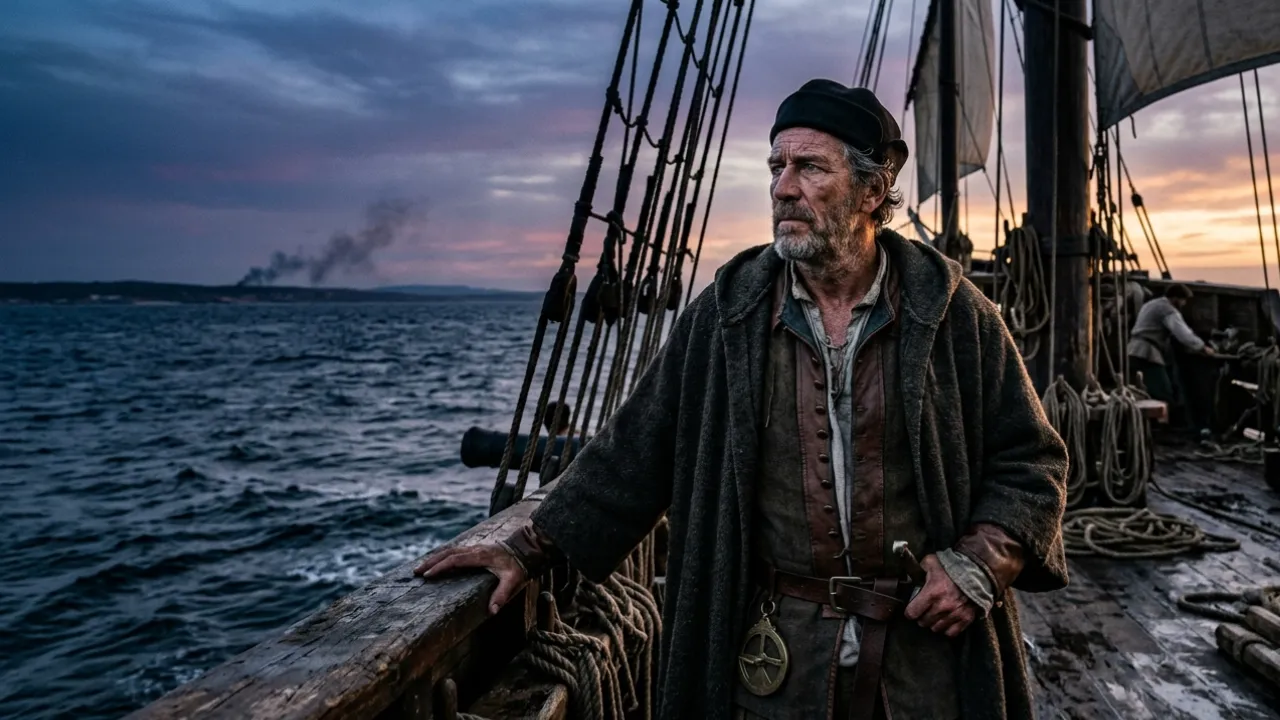
History has a strange way of turning one man into a hero for one nation and a villain for another. Vasco da Gama’s legacy captures that contradiction perfectly.
School textbooks tell us he opened the sea route to India. But beneath those waves lies the Miri—a reminder that even the greatest legends carry shadows history can’t erase.