
How Jinnah’s Secret Illness Was Hidden From the British
In 1946, Muhammad Ali Jinnah received a terminal tuberculosis diagnosis that he and his doctors kept secret during the final years of the Indian independence movement. This confidentiality prevented political rivals and British officials from using his failing health to influence the negotiations for a separate Muslim state.
Lord Mountbatten later suggested that knowledge of Jinnah’s condition might have altered the timeline of partition. Decades after the creation of Pakistan, the doctors involved received posthumous civil awards for their role in guarding the medical secret that shaped the political future of the subcontinent.
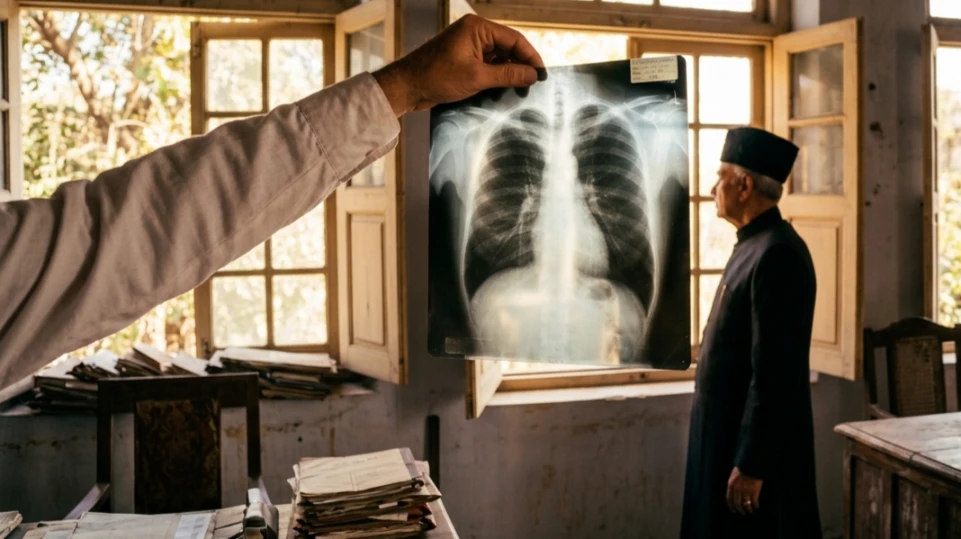
A single X-ray sat locked away in a Bombay doctor’s office in 1946. On it, dark rings and pale clusters spread across a pair of lungs like a slow, silent warning.
Those lungs belonged to Muhammad Ali Jinnah, the man leading the fight for a separate Muslim homeland. And the story of Jinnah’s secret illness would remain buried for decades, hidden from the very people shaping the future of a subcontinent.
A Diagnosis Too Dangerous to Reveal
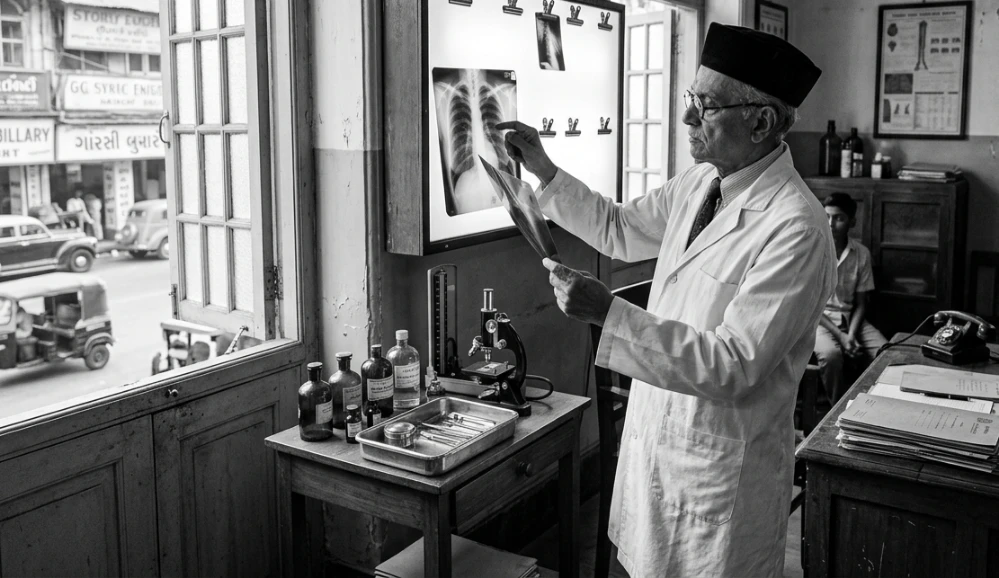
In June 1946, two respected Bombay physicians examined Jinnah closely. Dr. Jal Ratanji Patel handled the clinical exam. Dr. Jal Deboo, a radiologist, read the X-ray.
What they found was grim. Tuberculosis had eaten deep into Jinnah’s lungs, and it had reached an advanced stage.
Authors Larry Collins and Dominique Lapierre later wrote in their acclaimed book Freedom at Midnight that doctors believed Jinnah had, at best, only a year or two left to live.
This wasn’t just a private medical matter. It was a political time bomb.
The Political Stakes Behind Jinnah’s Secret Illness
By 1946, Jinnah stood at the center of the independence movement. He led the All India Muslim League and held firm on one demand: a separate homeland for India’s Muslims.
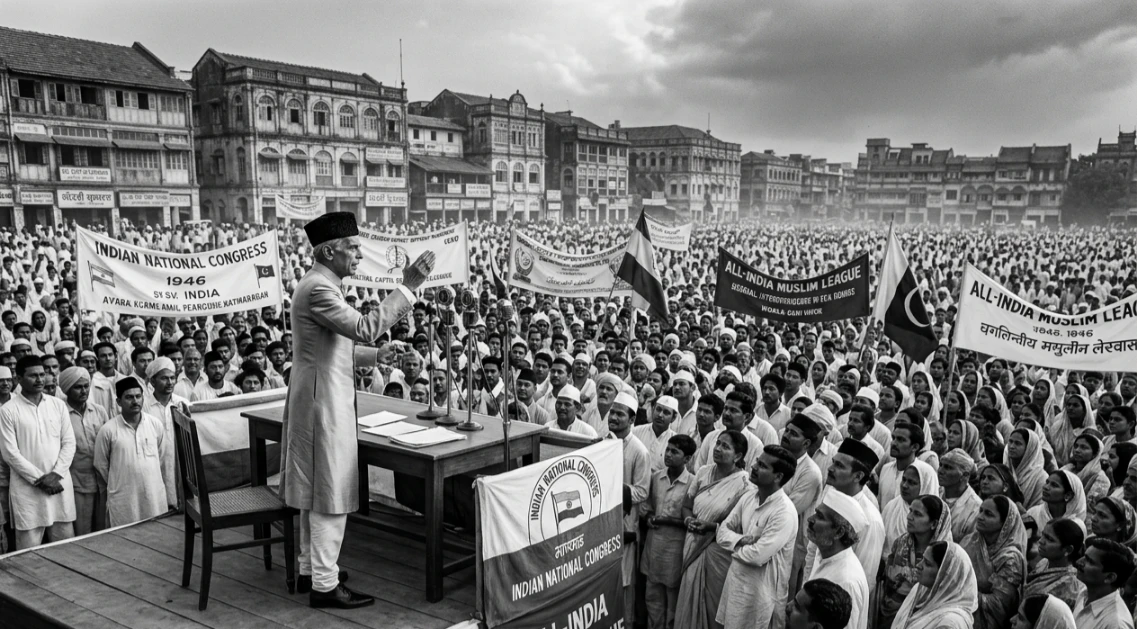
If his rivals or British officials had learned how little time he had left, everything could have shifted. Political pressure often intensifies once an opponent’s clock appears to be running out.
So Jinnah made a decision. He ordered his doctors to keep the diagnosis completely confidential.
Patel and Deboo obeyed. And a secret capable of reshaping South Asian history stayed locked away, right through the most decisive months of the independence struggle.

What If Mountbatten Had Known?
By 1947, the endgame was underway. Britain, the Congress, and the Muslim League raced through tense negotiations that would decide the subcontinent’s future.
Freedom at Midnight raises a striking question: what if Lord Louis Mountbatten, Jawaharlal Nehru, or Mahatma Gandhi had learned the truth about Jinnah’s health in April 1947?
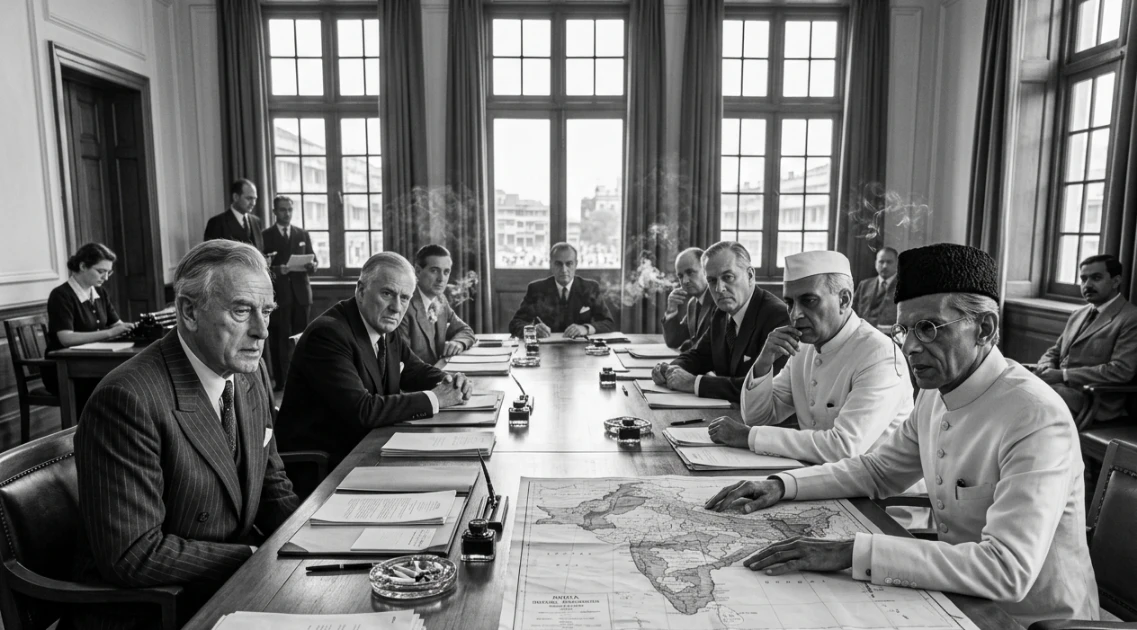
According to the book, Jinnah’s resolve on Pakistan was so unshakable that it eventually pushed the British government toward accepting partition. Had his failing health become public, that timeline may have looked very different.
The book also describes a striking moment years later. When Dominique Lapierre shared these findings directly with Mountbatten, the former Viceroy was reportedly stunned.
Lapierre recounted that Mountbatten admitted he might have delayed the independence decision by months had he known the severity of Jinnah’s condition. He even suggested Pakistan might never have come into being at all.
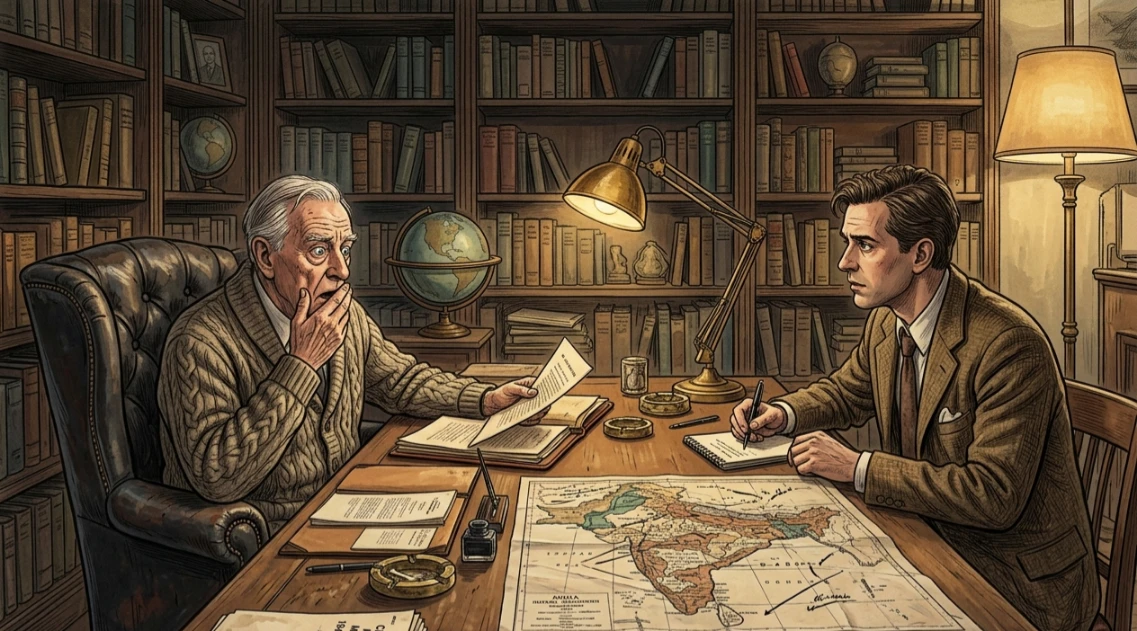
That reaction, as described in the book, carried both shock and regret. Mountbatten reportedly could not believe how completely the illness had been concealed from British authorities. He believed that knowing Jinnah’s limited time earlier might have changed how the entire political transition was handled.
A Founder’s Silence, A Nation’s Birth
What stands out most in this story is how Jinnah refused to let his illness become a political weakness.
He understood the risk clearly. If opponents realized he had only a few years, or possibly less, the Muslim League’s negotiating position could weaken fast.
So the secret stayed within an extremely small circle. According to Freedom at Midnight, even British intelligence services never uncovered the truth.
A deeply personal medical crisis had quietly become tied to the political fate of an entire region.
Pakistan finally emerged on August 14, 1947. But its founder had little time left to enjoy it.
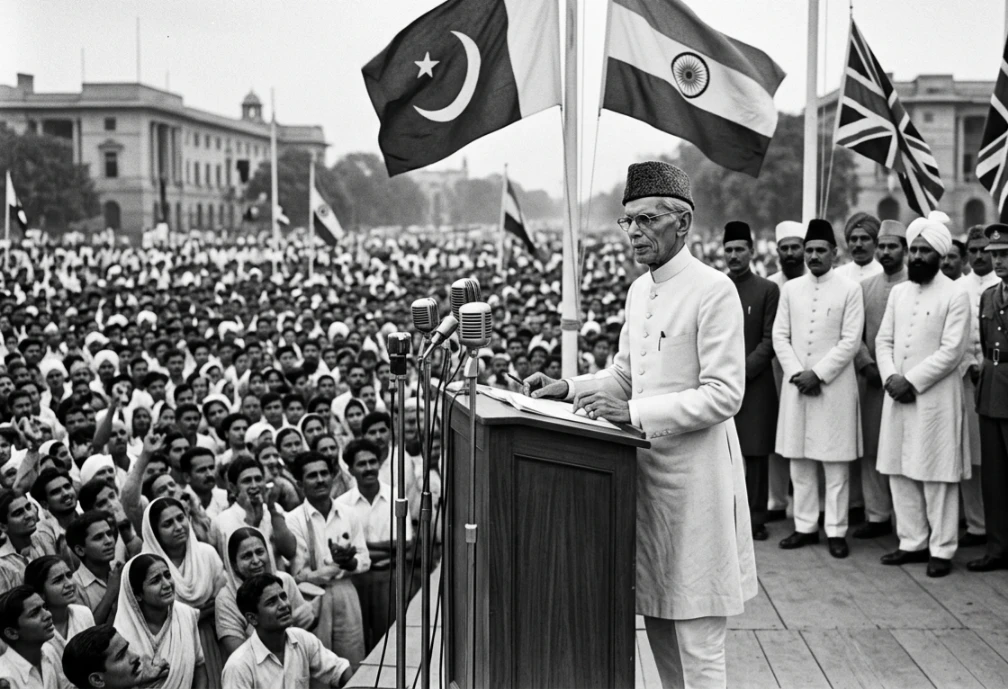
Even after independence, Jinnah kept concealing his condition as long as he possibly could, continuing to lead the new country despite his declining health.
His health worsened steadily from there. On September 11, 1948, Muhammad Ali Jinnah died in Karachi, barely thirteen months after Pakistan’s creation.
The man who poured his final years into building a nation left the world just one year after seeing it come to life.

The Loyal Doctors Who Kept the Secret
For decades afterward, the quiet loyalty of Patel and Deboo remained a footnote in Jinnah’s story. Their discretion protected one of the most sensitive chapters of his political journey, largely unnoticed by history.
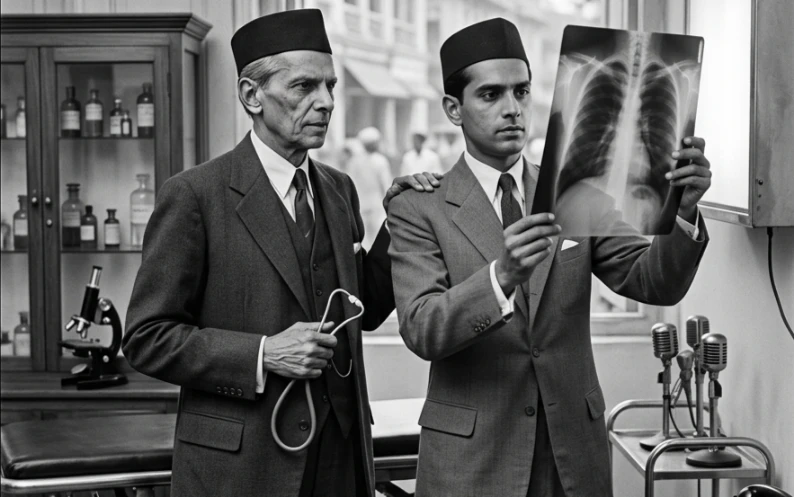
Now, 79 years later, that has changed. Pakistan’s government has approved the posthumous conferral of Nishan-e-Quaid-e-Azam, the country’s highest civil award, on both doctors in recognition of their quiet but extraordinary service.
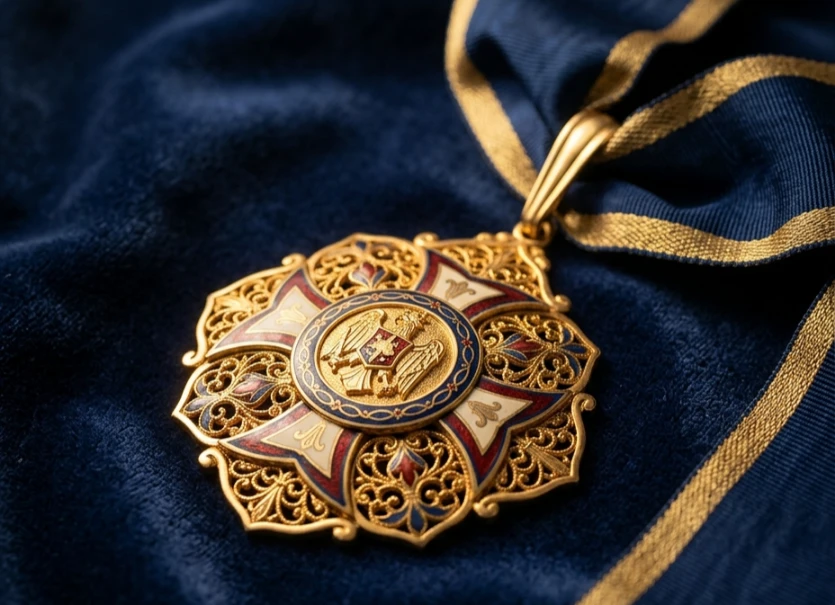
The recognition has pulled this long-forgotten story back into the spotlight, reminding a new generation just how much rested on two doctors’ silence.
Rooh Afza History: The 117-Year-Old Drink That Survived Partition and Never Changed Its Formula
Conclusion: A Secret That Shaped a Nation
Jinnah’s secret illness never made headlines while he was alive, yet it may have influenced the birth of an entire country. Two doctors kept their word, a founder concealed his suffering, and history moved forward without ever knowing how close it came to changing course.
Nearly eight decades later, their quiet loyalty has finally earned its place in the record books. Sometimes the most consequential decisions in history are the ones nobody was ever meant to hear about.