
Rooh Afza History: The 117-Year-Old Drink That Survived Partition and Never Changed Its Formula
Created in 1907 by Hakim Abdul Majid in Delhi, Rooh Afza began as a medicinal syrup to treat heatstroke. Developed using Unani medicine principles, the botanical blend provided relief from brutal summers. It quickly transitioned from a healthcare remedy to a household staple across the South Asian subcontinent.
Following the 1947 Partition, the Hamdard company split between India and Pakistan, yet both nations continued producing the original formula. Today, the drink remains a cultural icon and seasonal staple. Its recipe and design have stayed unchanged for over a century, maintaining a deep connection to regional identity.
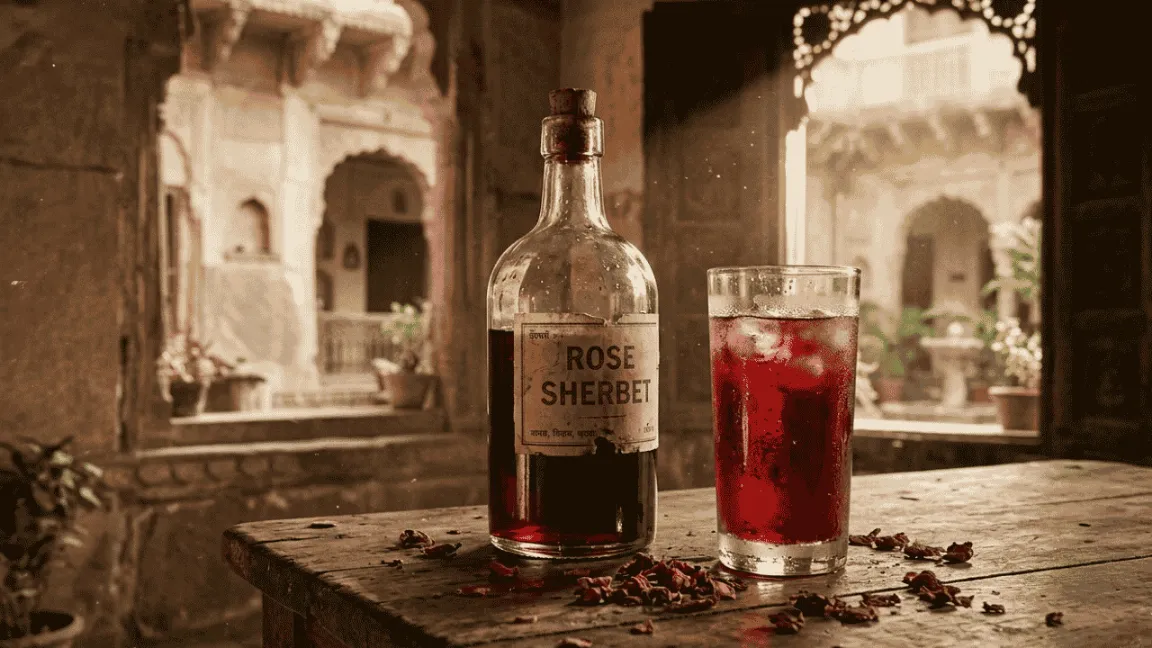
Every summer, millions of people across Pakistan and India reach for the same red bottle. They mix it with cold water, stir it into milk, or pour it over crushed ice. The ritual feels timeless — because it actually is. Rooh Afza, the legendary rose-red Drink, has been cooling South Asian summers for over a century. And its origin story is even more fascinating than its flavor.
A Summer That Changed Everything
The year was 1907. Delhi was baking under one of its most brutal summers in memory. The air shimmered with heat, and the streets offered no relief. For ordinary laborers working through the blazing afternoons, the sun was not just uncomfortable — it was deadly.
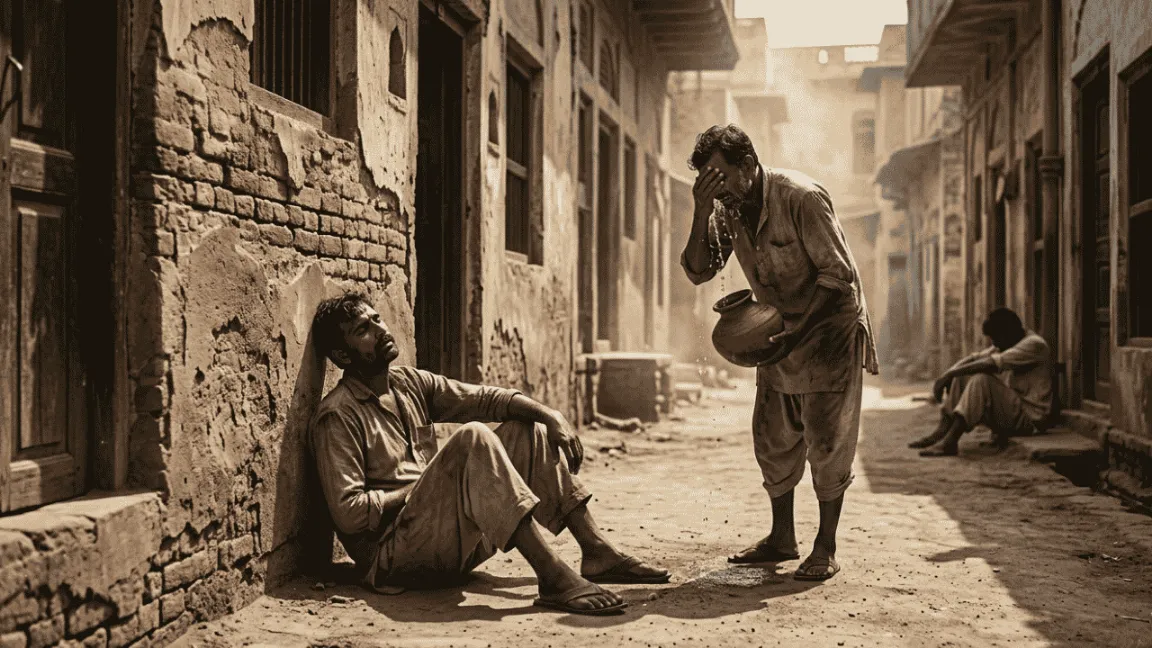
Hakim Abdul Majid, a respected practitioner of Unani medicine in Delhi, watched the situation with growing alarm. He saw workers collapsing from heatstroke in the middle of the day. Some of them didn’t survive. The patients who were brought to him needed something fast — and something that actually worked.
However, instead of reaching for conventional remedies, he did something different.
The Birth of Rooh Afza
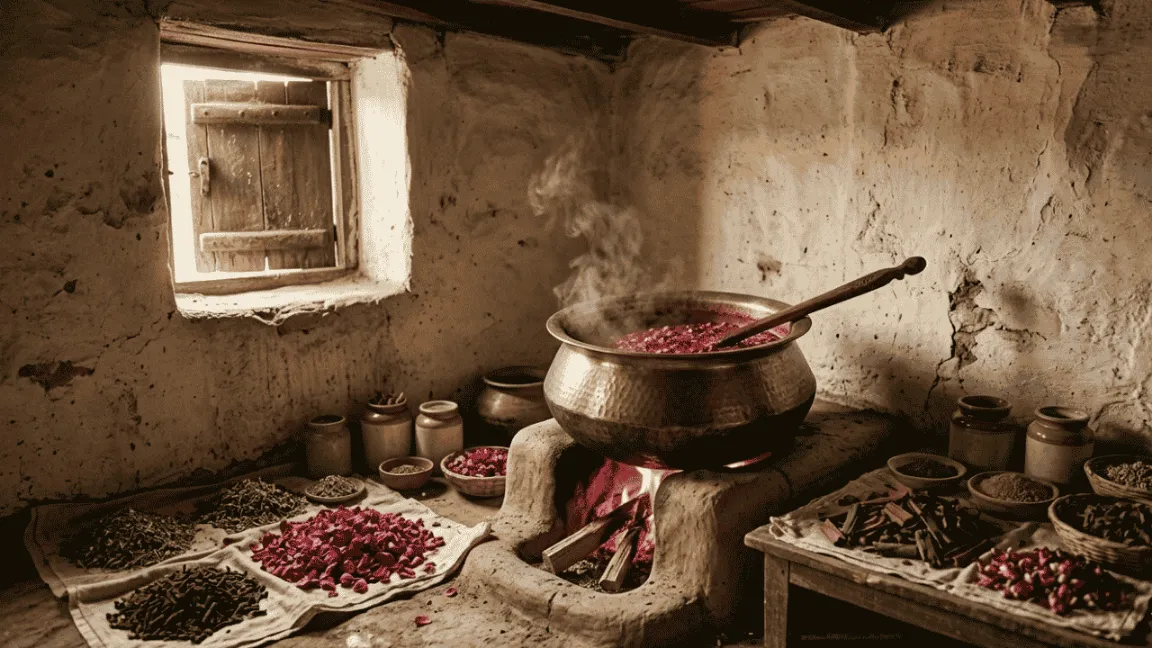
Hakim Abdul Majid turned to the principles of Unani medicine that he had spent years mastering. He carefully blended natural ingredients — rose petals, herbs, and other cooling botanicals — into a concentrated Drink syrup.
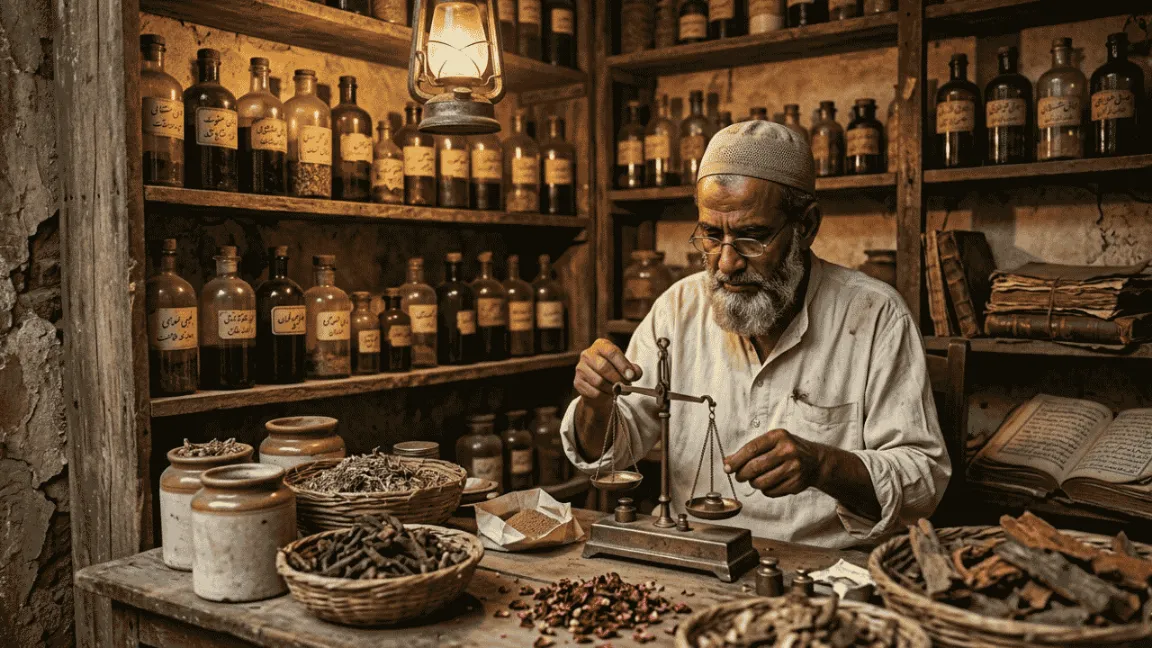
He called it Rooh Afza, an Urdu phrase that means “the refresher of the soul.“
The name was fitting. The syrup wasn’t just a drink. In his view, it was a remedy — something designed to lower body heat, restore energy, and protect vulnerable people from the summer sun.
He gave it to his patients. The results spoke for themselves.

From Medicine to Must-Have
Word spread quickly. People didn’t just use Rooh Afza when they were ill. They started drinking it every day as a summer staple. Mixed with water, blended into milk, or poured over falooda — it became the go-to refreshment for warm months.
Meanwhile, Hakim Abdul Majid formalized production. He founded the Hamdard company, and by the 1940s, Rooh Afza had found its way into almost every household across the Indian subcontinent. It wasn’t a luxury. It was simply part of summer.
1947: One Bottle, Two Nations
Then came Partition.
In 1947, the subcontinent was divided into two independent nations — India and Pakistan. Millions of families were torn apart, and so was Hamdard.
However, the legacy of Hakim Abdul Majid survived the split. One of his sons remained in India and continued the Hamdard business there. Another son moved to Pakistan and restarted the company on Pakistani soil, using the same original formula.
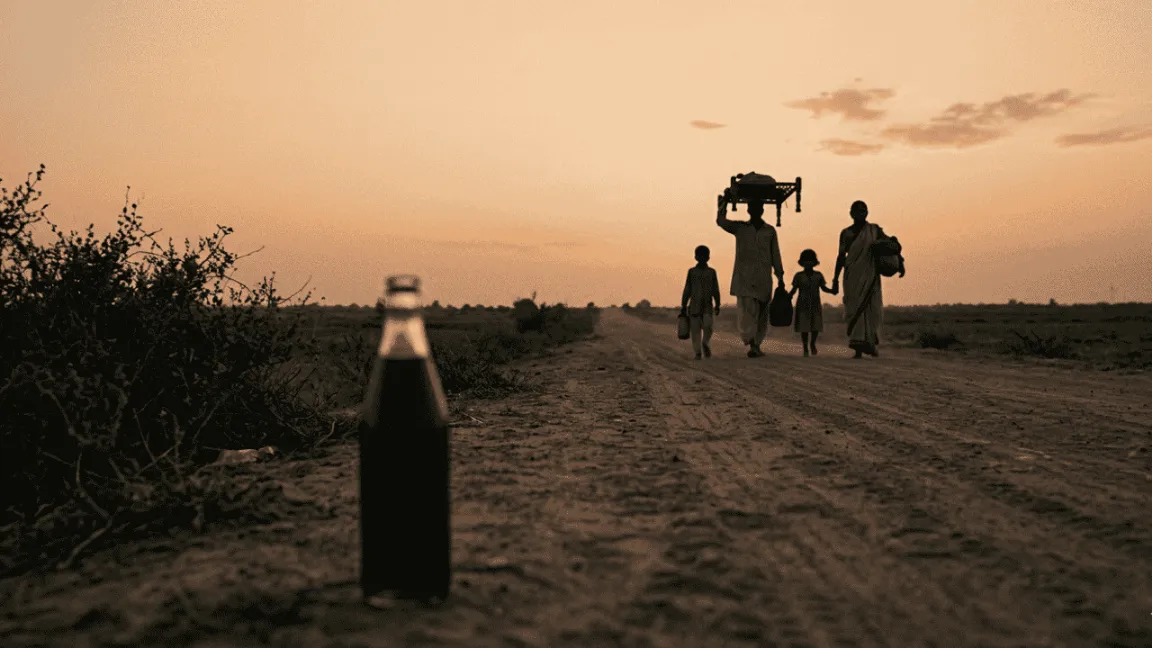
As a result, Rooh Afza became something rare: a brand that lived on both sides of a newly drawn border, in two different countries, under two different companies — yet remained, essentially, the same product.

A Formula That Never Changed
Today, Hamdard Rooh Afza is sold in both Pakistan and India, with the combined annual sales reaching approximately 5 billion rupees.
That number is impressive. What’s more impressive, however, is this: the formula has never changed.
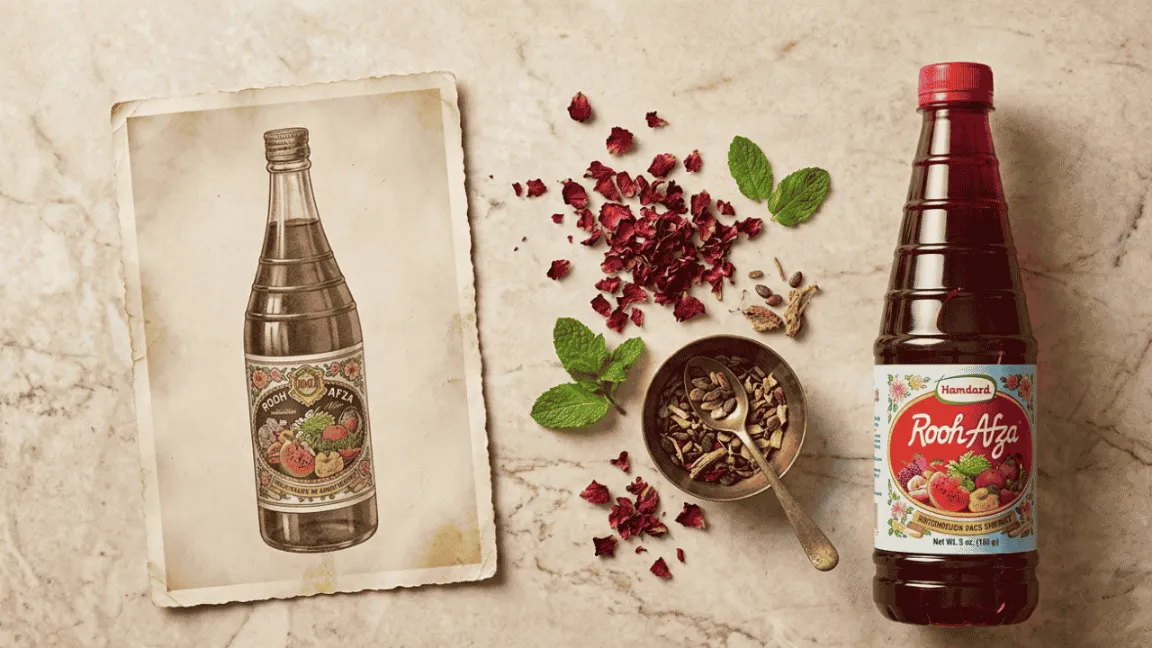
The same recipe that Hakim Abdul Majid developed in 1907 is still used today. The same traditional bottle design still sits on store shelves. In an age of rebranding, reformulations, and influencer-driven product launches, Rooh Afza has simply refused to move with the times — and people love it for exactly that reason.
Why Rooh Afza Still Wins
Over the decades, dozens of competitors have entered the red Drink market. New brands have launched colorful bottles and aggressive marketing campaigns. Eventually, most of them faded away.
Rooh Afza didn’t. For example, every Ramadan season, demand for the drink spikes dramatically across both Pakistan and India. It’s a staple at iftar tables. It’s the drink grandmothers make, and grandchildren ask for by name.
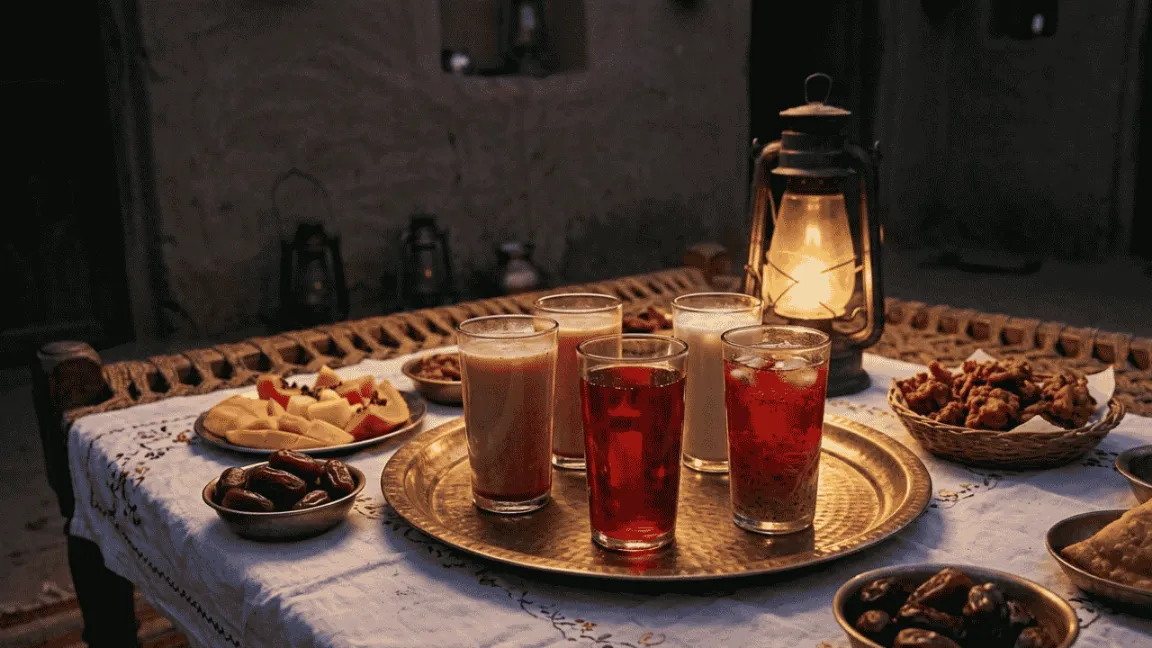
Because of this deep cultural connection, no competitor has been able to replicate what Rooh Afza actually offers — not just flavor, but memory, identity, and belonging.
The Volcano That Forced Humans Off Horses and Onto Wheels
More Than Just a Drink
Rooh Afza is proof that the best ideas don’t always need to be updated. A hakim in 1907 Delhi saw a problem — people suffering in the summer heat — and solved it with knowledge, care, and a handful of natural ingredients.
What he created didn’t just refresh bodies. It built a tradition that crossed generations, survived Partition, and outlasted every trend that came after it.
Afterward, whenever you pour that deep red syrup into a glass of cold milk or icy water, you’re taking part in a story that’s more than 117 years old.
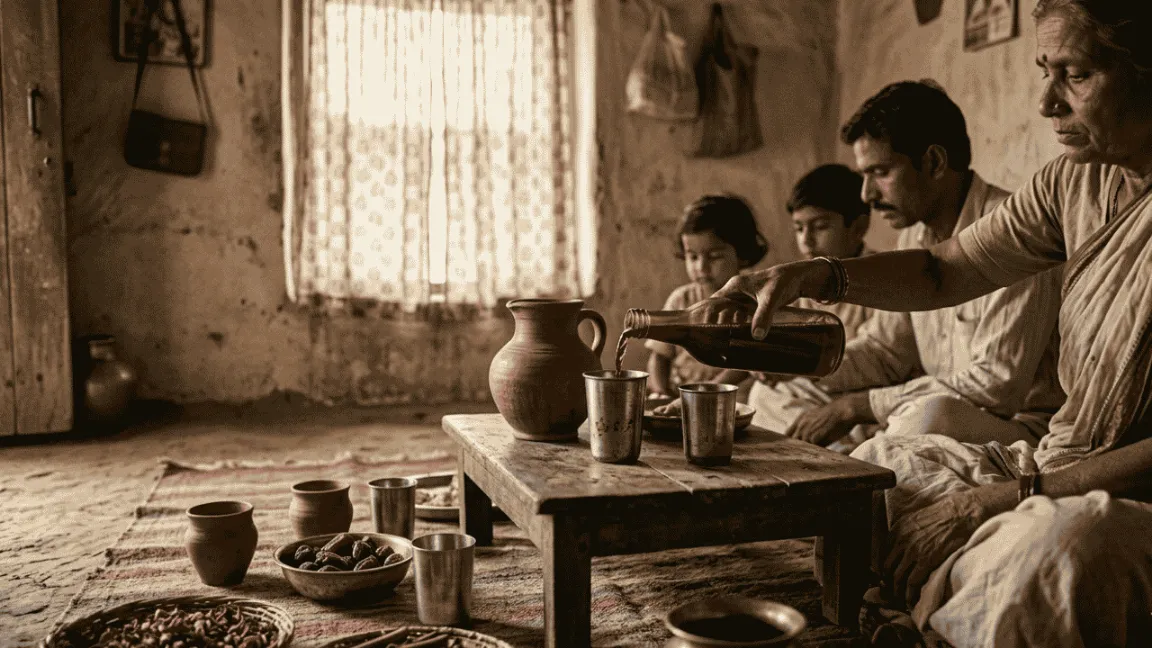
That’s not just a drink. That’s history in a bottle.
Conclusion
Rooh Afza began as a simple act of compassion — a healer trying to help people survive a dangerous summer. Today, it stands as one of the most enduring products in South Asian history. The formula hasn’t changed. The bottle hasn’t changed. And every summer, the love for it hasn’t changed either. That is the quiet power of Rooh Afza: it doesn’t need to shout. It just needs to be cold, sweet, and ready when the heat arrives.