
The Volcano That Forced Humans Off Horses and Onto Wheels
About 200 years ago, the world didn’t just face a disaster…
It faced a turning point that quietly changed how humans move forever.
At that time, there were no engines, no cars, no trains as we know them today.
Movement depended on one thing:
Horses.
From small carts to large trade wagons—everything relied on them.
And then… nature intervened.
The Eruption That Shook the World (1815)
In April 1815, a massive volcano called Mount Tambora erupted.
Back then, the region was part of the Dutch East Indies.
Today, it lies in modern-day Indonesia.
This eruption is still considered the most powerful volcanic explosion in recorded human history.
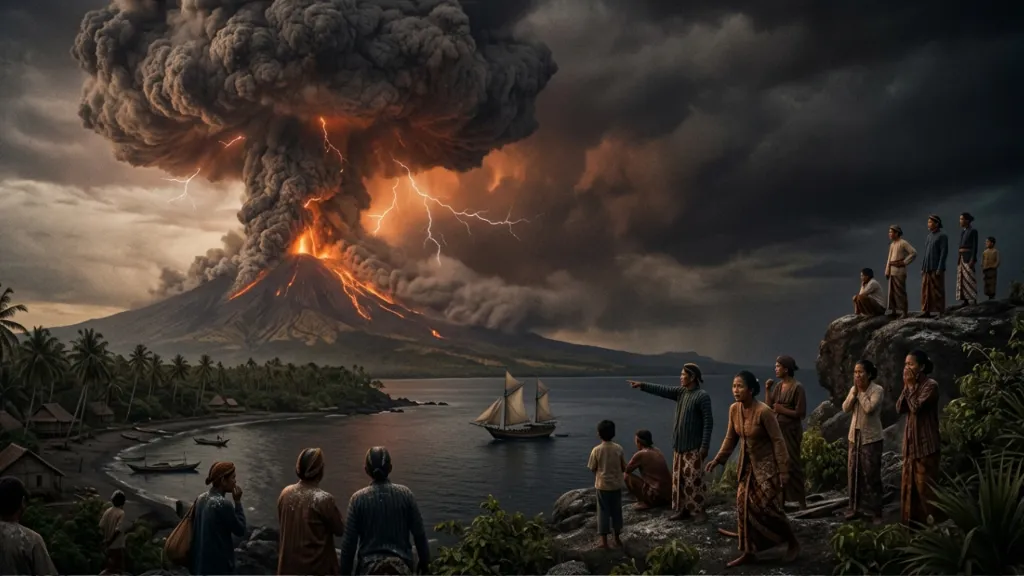
It didn’t just affect nearby areas—it impacted the entire planet.
Huge amounts of ash, sulfur, and dust were thrown into the upper atmosphere. These particles spread across the globe, forming a layer that blocked sunlight.
The effect?
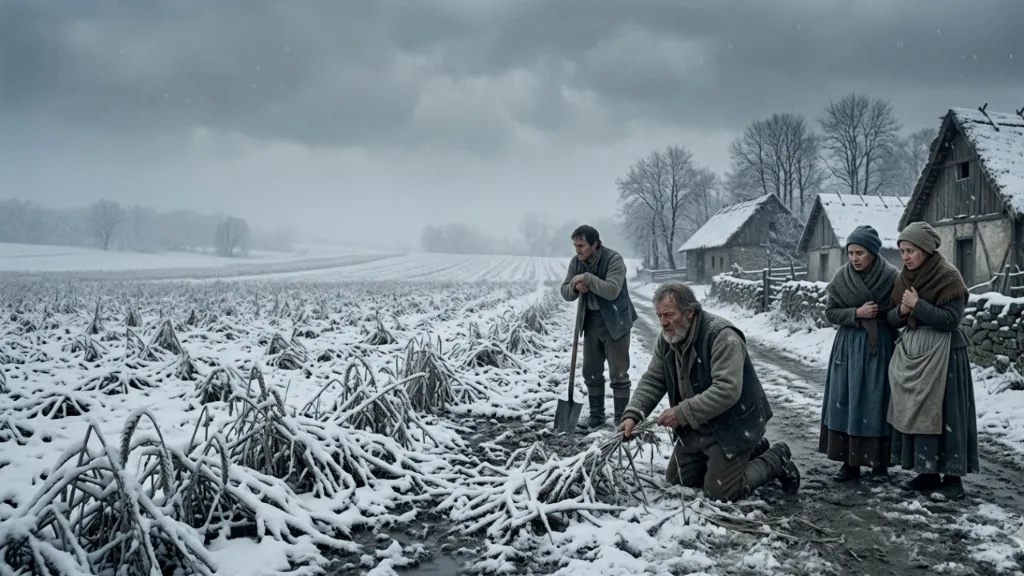
In 1816, large parts of the world experienced something unnatural.
Summer never really arrived.
This year became known as “The Year Without a Summer.”
Which Parts of the World Were Affected?
The impact wasn’t limited to one region.
- In Europe, crops failed and food shortages spread rapidly.
- In United States, especially the northeastern regions, snowfall was reported even in June.
- In China, unusual cold damaged rice production.
- Parts of India experienced disrupted monsoon patterns.
A small drop in temperature—just around 0.5°C—was enough to disturb the entire agricultural system.
And when agriculture fails… everything else begins to collapse.
The Hidden Crisis: Transport Breakdown
Before modern vehicles, transport systems were simple but effective.
People used:
- Horse-drawn carts
- Carriages
- Trade wagons
But there was one problem:
All of them depended entirely on horses.
When crops failed, animal feed became scarce.
Suddenly, feeding a horse became extremely expensive.
Fodder prices increased up to ten times.
People couldn’t afford to keep their animals.
Horses began to weaken… and many died.
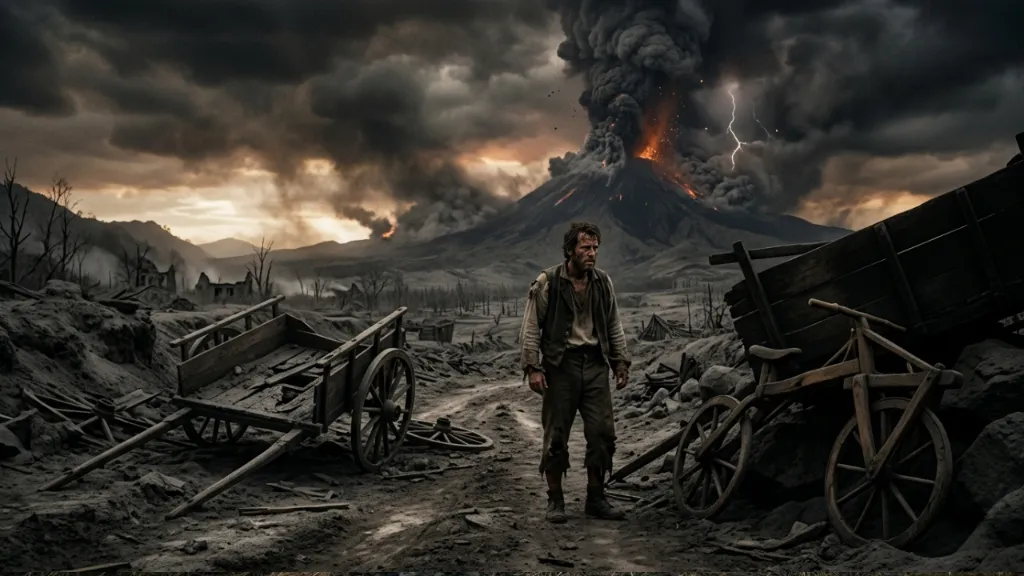
Without horses, carts were useless.
Trade slowed down. Travel became difficult. Daily life was disrupted.
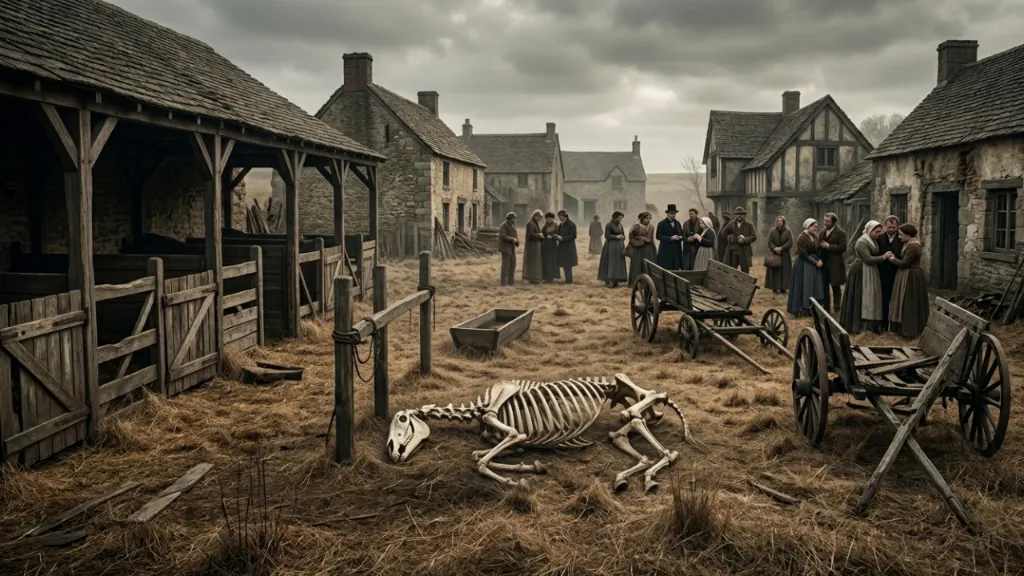
This was known as the Horse Crisis—a problem most people don’t even learn about today.
A New Way of Thinking
While society struggled, one man saw the problem differently.
Karl von Drais didn’t try to save horses.
He asked a different question:
What if humans could move without them?
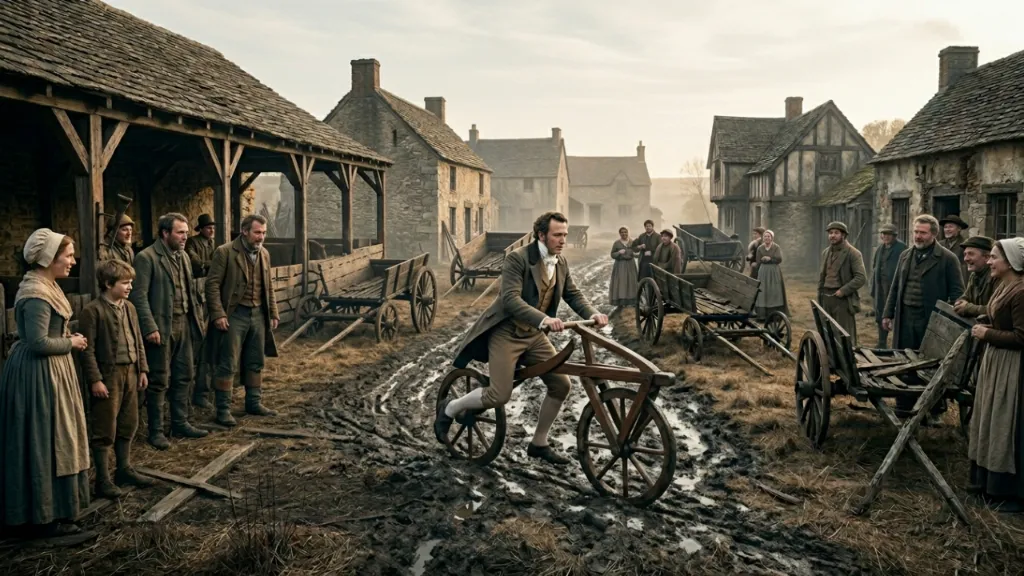
In 1817, he introduced a completely new idea.
A wooden machine with two wheels, a frame, and a handle for steering.
No horse. No engine.
Just human effort.
This invention was called the Draisienne—the world’s first form of a bicycle.
Why This Idea Was Revolutionary
Before this, movement always depended on animals or external force.
This machine changed that.
- It weighed around 20–25 kg
- Made mostly of wood
- No pedals—riders pushed with their feet
Despite its simplicity, it could reach speeds of about 15 km/h.
That made it significantly faster than walking.
And most importantly:
It didn’t need food.
It didn’t get sick.
It didn’t die.
For the first time, humans had a self-powered transport system.
From Rough Ride to Global Revolution
The early designs were far from perfect.
In the 1860s, a version called the “Boneshaker” appeared—built with iron wheels and a rigid frame.
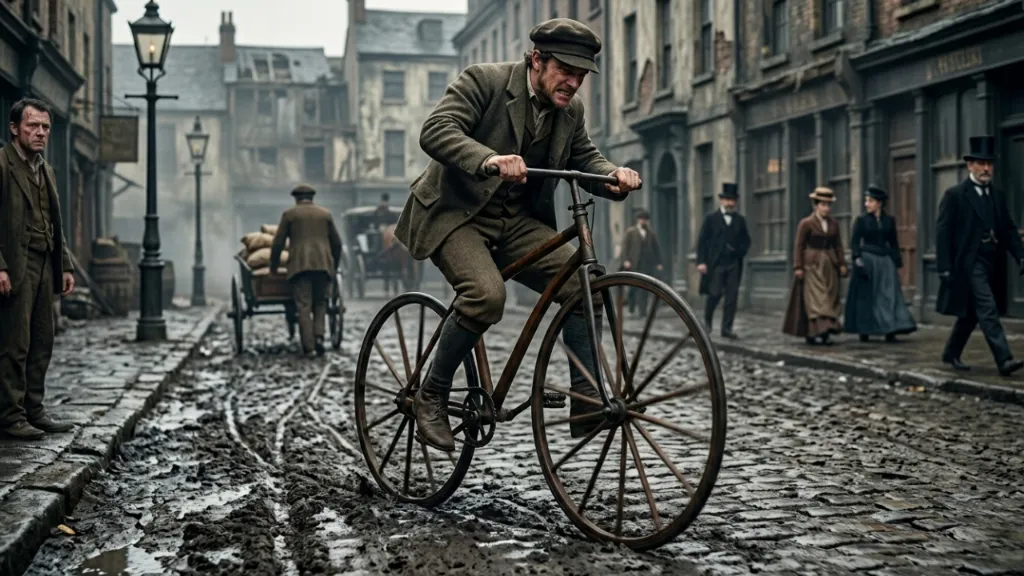
Riding it was uncomfortable and physically tiring.
But innovation continued.
Pedals were added.
Chains were introduced.
Rubber tires improved comfort.
Slowly, the modern bicycle took shape.
Today’s Reality
Now, bicycles are no longer just an alternative—they are everywhere.
More than 1 billion bicycles exist worldwide.
They are used for:
- Daily commuting
- Fitness and sports
- Eco-friendly transport
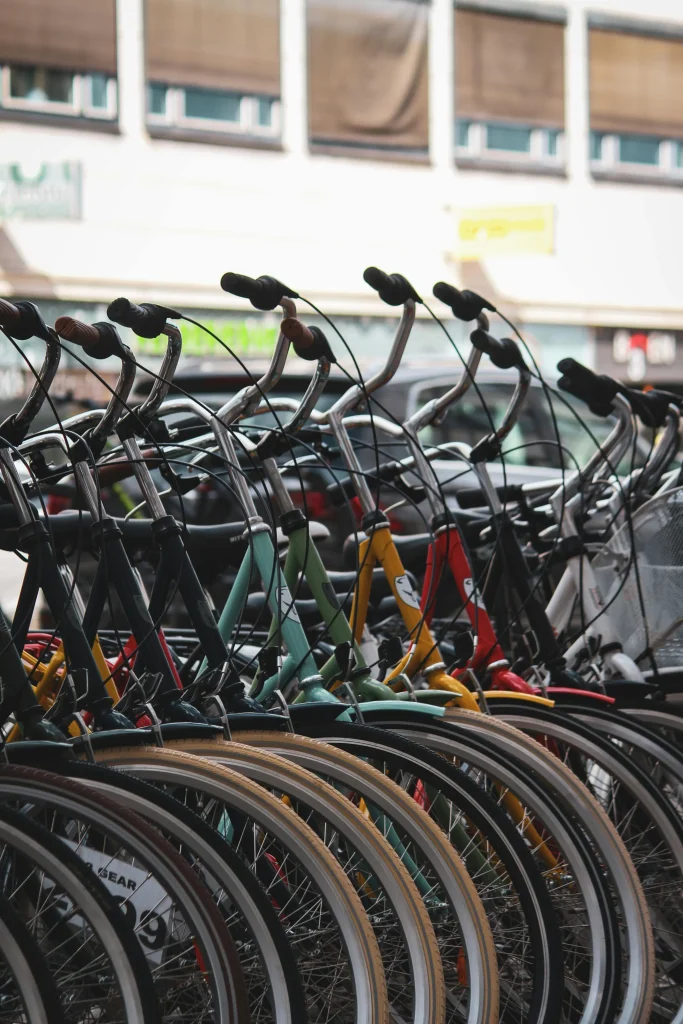
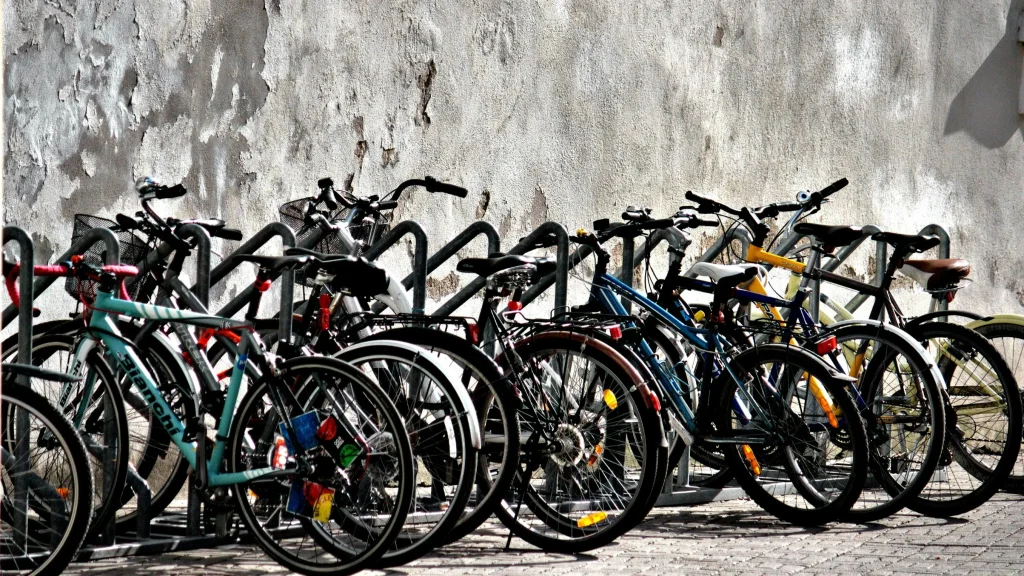
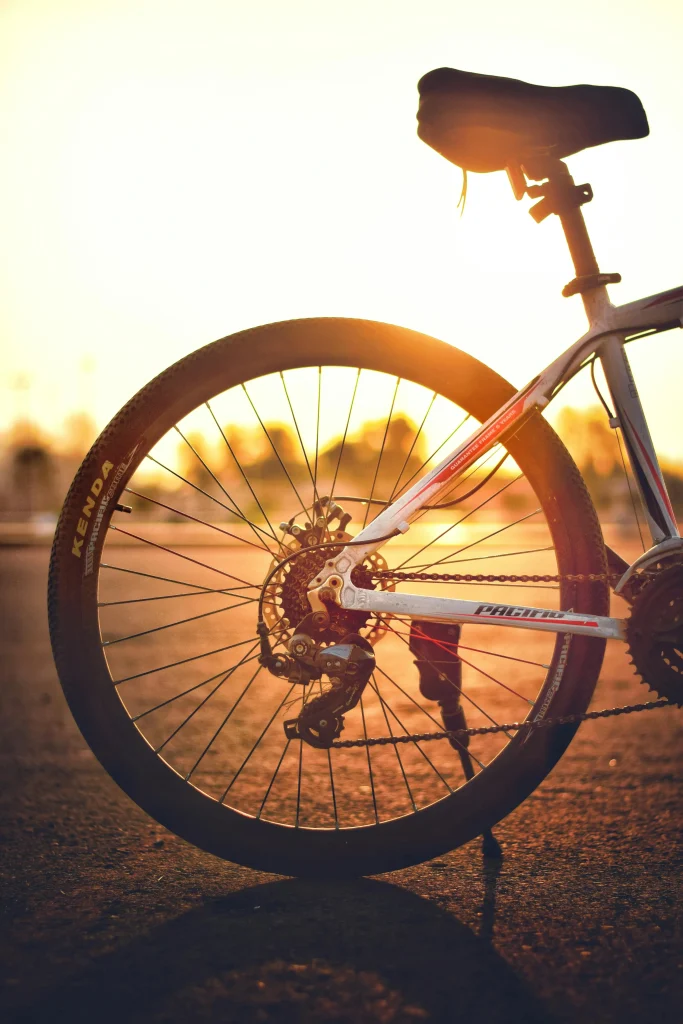
In a world facing pollution and rising fuel costs, the bicycle has once again become relevant.
One Disaster… One Solution
A volcano erupted in Indonesia.
Its ash blocked sunlight across continents.
Crops failed. Horses died.
And a transport system built over centuries… collapsed.
But humans adapted.
Instead of waiting for recovery, they created something new.
A simple wooden machine—powered not by animals, but by human effort.
Sometimes, innovation doesn’t come from luxury.
It comes when there’s no other choice.