
Smell-O-Vision: The Day Cinema Tried to Let You Smell a Movie
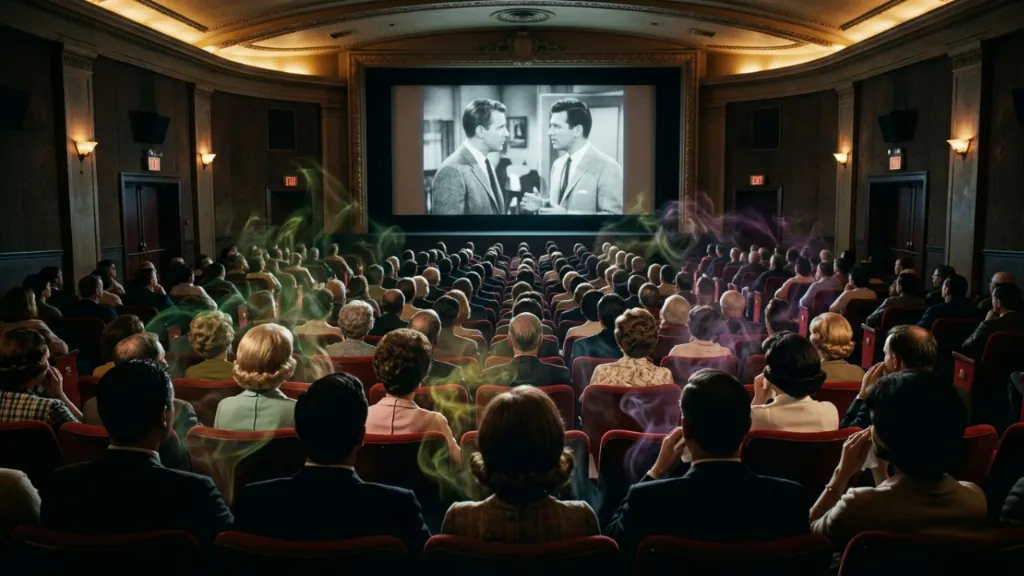
The lights dim.
A quiet hush falls over the theater.
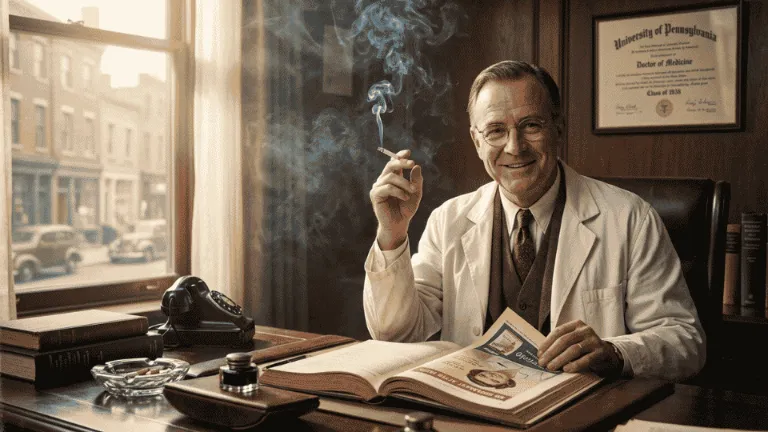
On screen, a man leans in, lighting a cigarette. The scene is tense—mysterious. You’re hooked.
And then… something strange happens.
A smell.
Not imagined. Not subtle.
A real scent drifts through the air—tobacco, sharp and unmistakable.
For a brief moment, it feels like magic.
But within minutes, that magic begins to fall apart.
A Dream Born in Innovation
Back in 1960, cinema was evolving fast. Color films had taken over, sound was refined, and filmmakers were chasing one goal: total immersion.
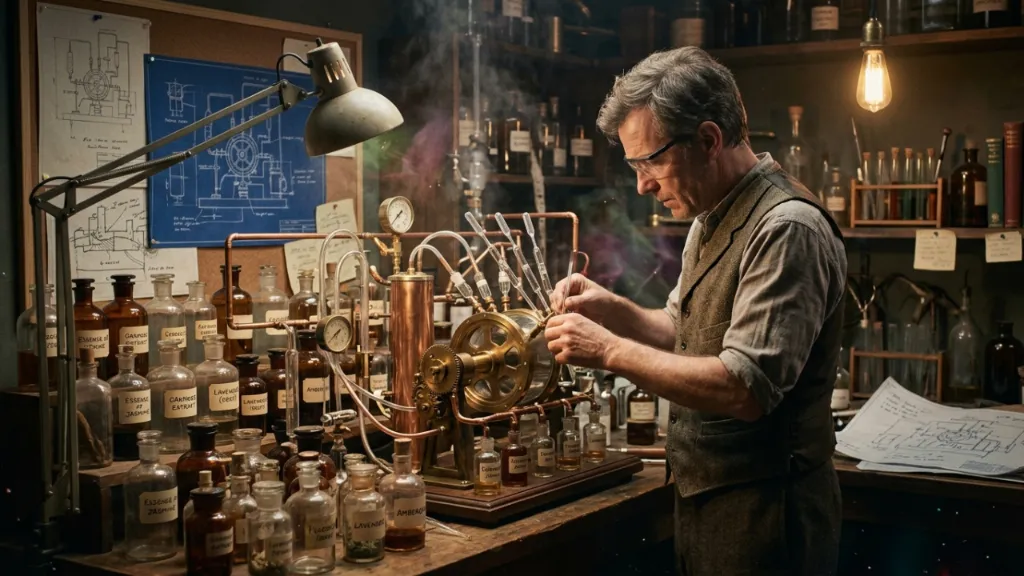
That’s when Hans Laube stepped forward with a radical idea.
“What if audiences didn’t just watch movies… but experienced them?”
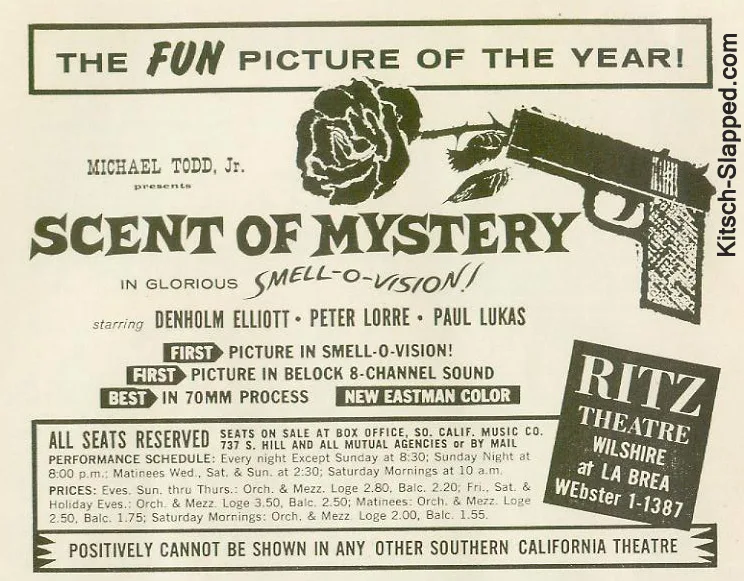
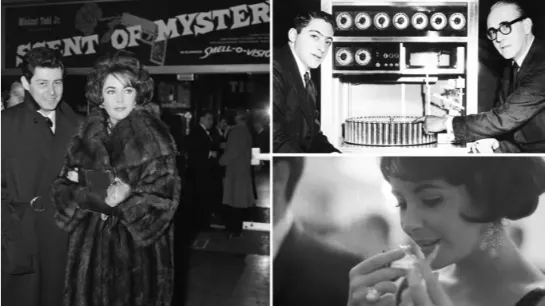
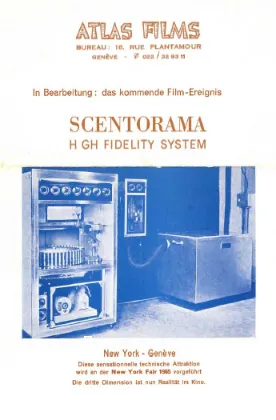
He called his invention Smell-O-Vision—a system designed to bring scents directly into the cinema hall.
It wasn’t just a gimmick in his eyes. It was the future.
Hollywood took notice.
Soon, Mike Todd Jr. decided to take the risk. He backed the idea and introduced it to the world through a specially designed film:
A movie not just meant to be watched… but smelled.
The First Breath of a New Cinema
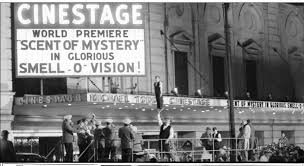
Opening night arrived with excitement buzzing in the air.
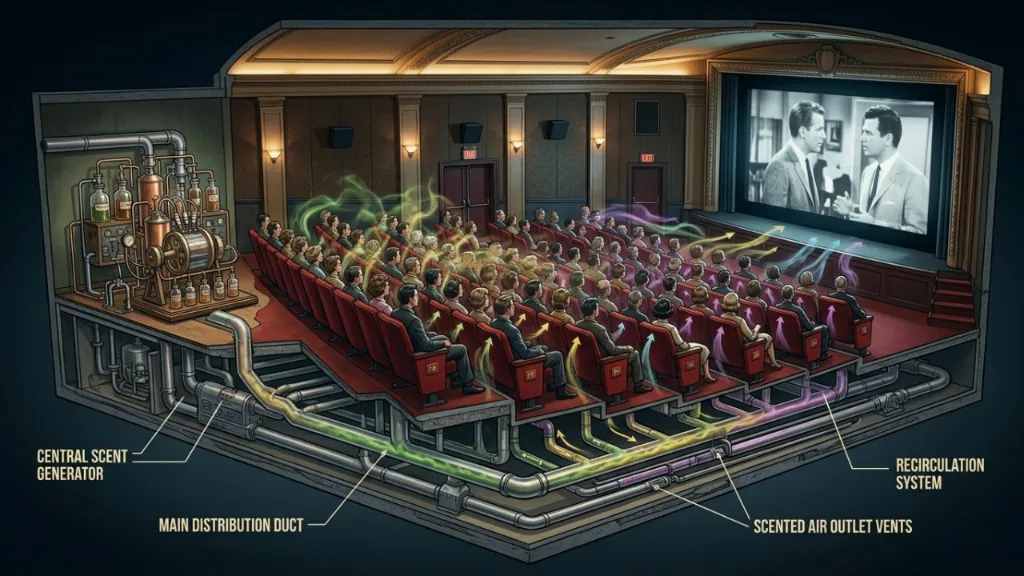
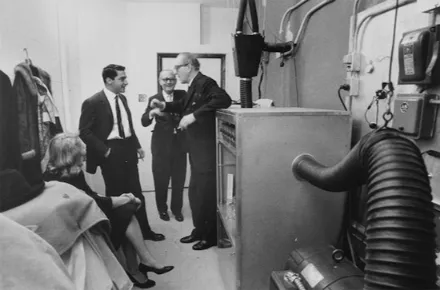
Hidden beneath each seat was a network of thin pipes—tiny pathways carrying carefully crafted scents.
As scenes unfolded, an operator controlled the experience.
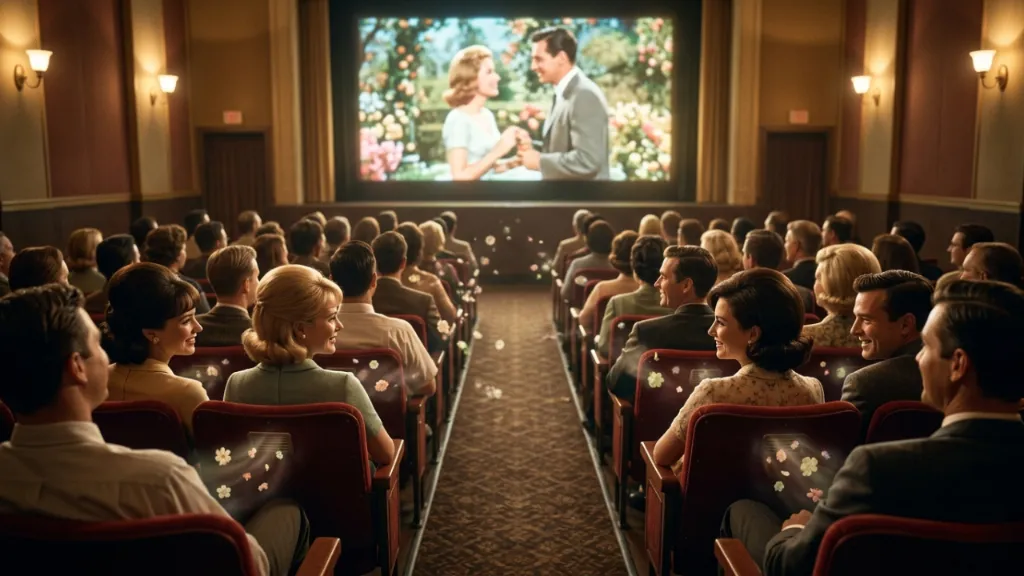
A woman applies perfume → a floral fragrance fills the room.
A man smokes → tobacco scent spreads.
Food appears → a warm aroma drifts through the audience.
For a moment, it worked.
People leaned forward. Some smiled.
Cinema had crossed into a new dimension.
When the Illusion Cracked
But then… something went wrong.
Not all at once.
Slowly. Subtly.
Then completely.
The Timing Was Off
A rose appeared on screen…
…but its scent arrived too late.
Moments passed. The scene changed.
And suddenly—flowers.
Out of nowhere.
The illusion broke.
The Smells Began to Fight Each Other
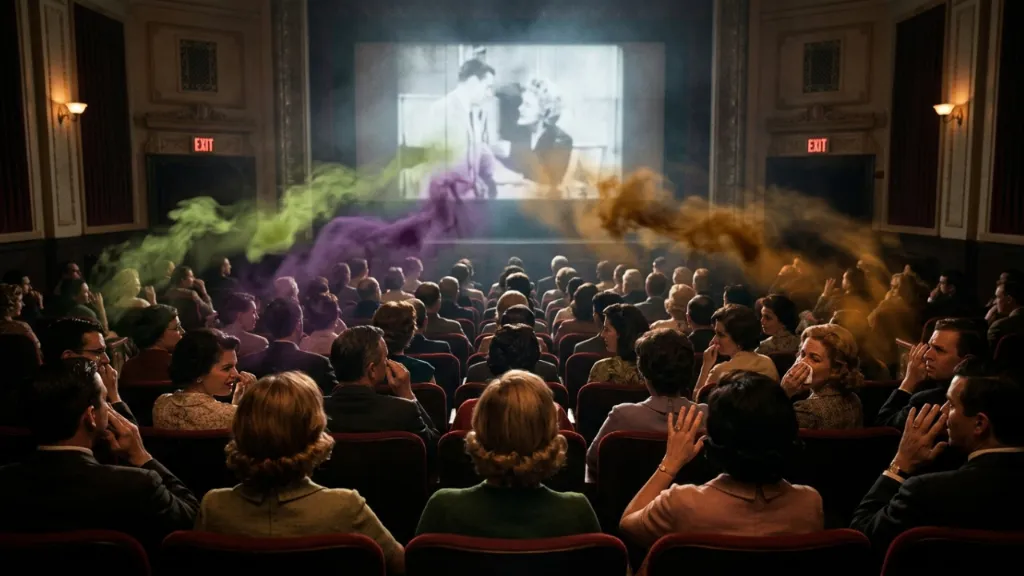
The system couldn’t clear old scents properly.
So they lingered.
Mixed.
Collided.
Perfume blended with smoke. Food mixed with something chemical.
Instead of immersion, the theater filled with confusion.
Some people covered their noses.
Others laughed.
The Noise No One Expected
Then came the sound.
A faint hissss from beneath the seats.
Again.
And again.
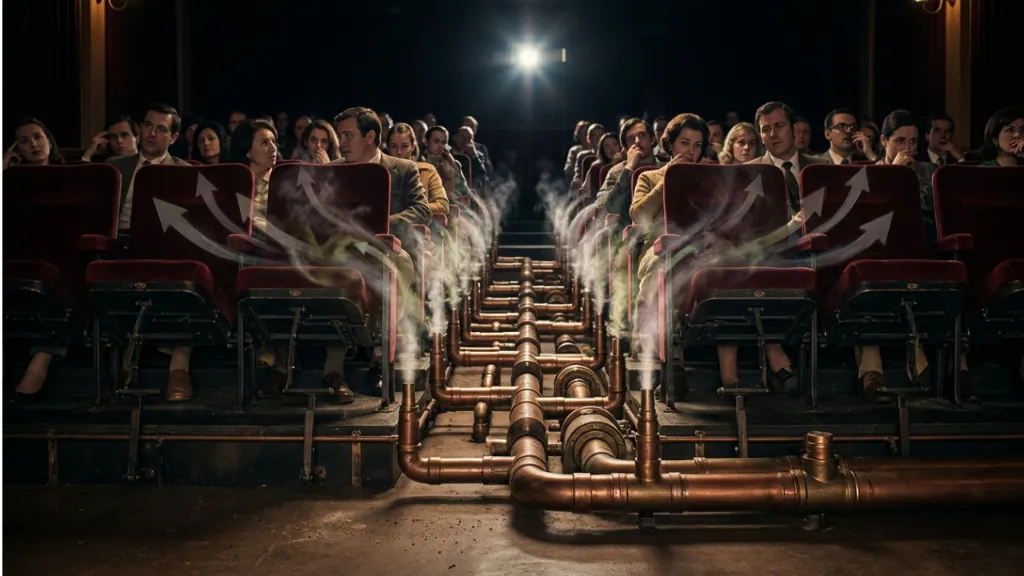
Each scent release came with a whisper of machinery—loud enough to distract, subtle enough to annoy.
Dialogue was missed.
Moments were ruined.
From Innovation to Absurdity
What was meant to be revolutionary became… ridiculous.
Instead of following the story, audiences played a different game:
“What is that smell?”
“Was that supposed to be coffee?”
“Why does this feel… wrong?”
The film itself faded into the background.
The experience took over—and not in a good way.
The Fall
Critics didn’t hold back.
The New York Times harshly criticized the experiment, calling it unnecessary and distracting.
The technology was quietly shelved.
The dream of scent-based cinema… vanished almost overnight.
Echoes of a Failed Future
And yet—Smell-O-Vision wasn’t entirely forgotten.
Today, elements of it live on:
- 4D cinemas use subtle scent bursts
- Theme parks carefully control aromas
- Technology has improved timing and delivery
But one thing has changed:
No one tries to make scent the center of storytelling anymore.
The Lesson It Left Behind
Smell-O-Vision wasn’t just a failure.
It was a reminder.
That sometimes, innovation isn’t about adding more…
…it’s about knowing what to leave untouched.
Because in the end—
Cinema doesn’t need you to smell the story.
It just needs you to feel it.