
How Mussolini Was Caught, Shot, and Hanged Upside Down
In April 1945, Benito Mussolini attempted to flee Italy disguised in a German military convoy. Partisans intercepted the group near Lake Como, identifying and capturing the dictator. Shortly after his arrest, Mussolini and his mistress, Claretta Petacci, were executed by partisan forces under disputed circumstances.
Following the execution, the bodies were publicly displayed in Milan, signaling the collapse of the Fascist regime. Reports of Mussolini’s death reportedly influenced Adolf Hitler’s decision to avoid a similar fate by ordering his own remains destroyed. This event remains a significant turning point in World War II history.
Few endings in history have been as brutal — or as symbolic — as the final days of Benito Mussolini. The man who once commanded millions, who stood on balconies declaring the birth of a new Roman Empire, spent his last hours hiding under a German military coat in the back of a truck. He was shaking. He was begging. And within hours, he would be dead.
But the story of how it happened — and what followed — is far stranger than most people know.
A Dictator on the Run
By April 1945, the war was lost. Everyone knew it — including Mussolini himself.
On April 18, he arrived in Milan. The city that had once cheered for him now buzzed with partisan activity and whispered betrayals. Within days, his German SS protection battalion was pulled away and redirected to fight the Allied advance. Mussolini was suddenly, terrifyingly, exposed.
Options were being discussed behind closed doors. Some of his own Fascist associates were allegedly plotting against him. His mistress Claretta Petacci’s brother Marcello was reportedly involved in one such scheme. Even Germany was said to be willing to trade Mussolini to the Allies in exchange for favorable terms.
The Catholic Church offered refuge. Several South American countries extended invitations. Mussolini refused them all.
“I will never surrender,” he reportedly said. “I will fight until the last.”
He would not keep that promise.
The Convoy and the Capture
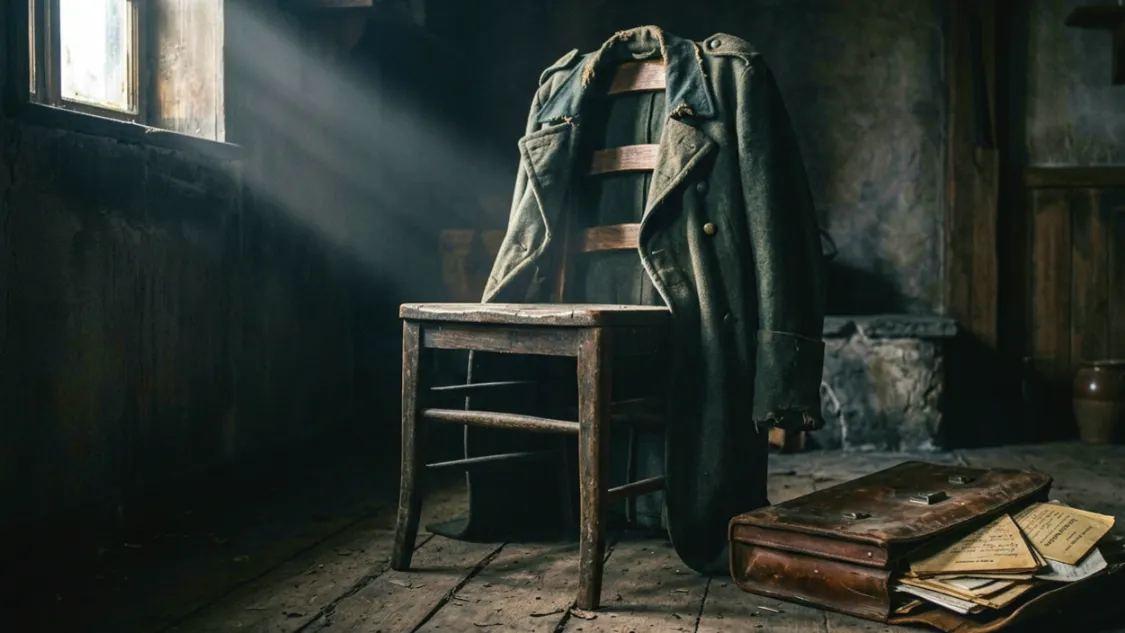
On April 27, Mussolini joined a German military convoy moving north along Lake Como. He was wearing a German overcoat — an uncomfortable disguise that Fritz Birzer, his German escort commander, had pressed upon him. Mussolini had hesitated, embarrassed at the thought of being captured in a foreign soldier’s uniform. He wore the helmet backward until Birzer corrected it.
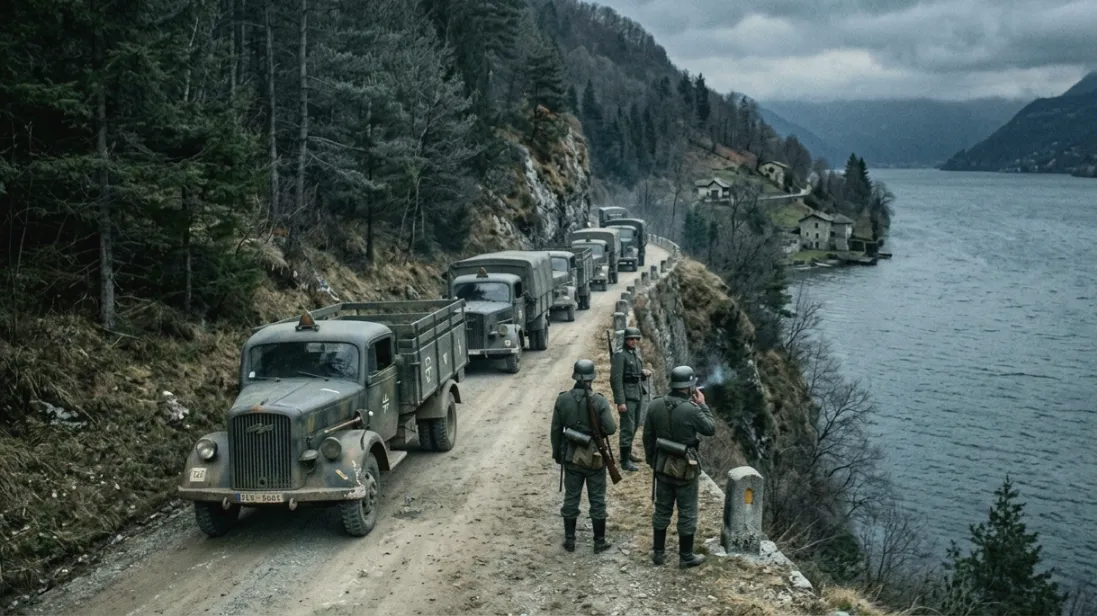
The convoy was stopped by fighters from the Garibaldi Partisan Brigade near Lake Como. The partisans offered the Germans a deal: hand over any Italians in the group, and the convoy could pass.
German officers Hans Fallmeyer and Fritz Birzer agreed.
When Birzer told Mussolini, the dictator objected — then relented. He had no other choice.
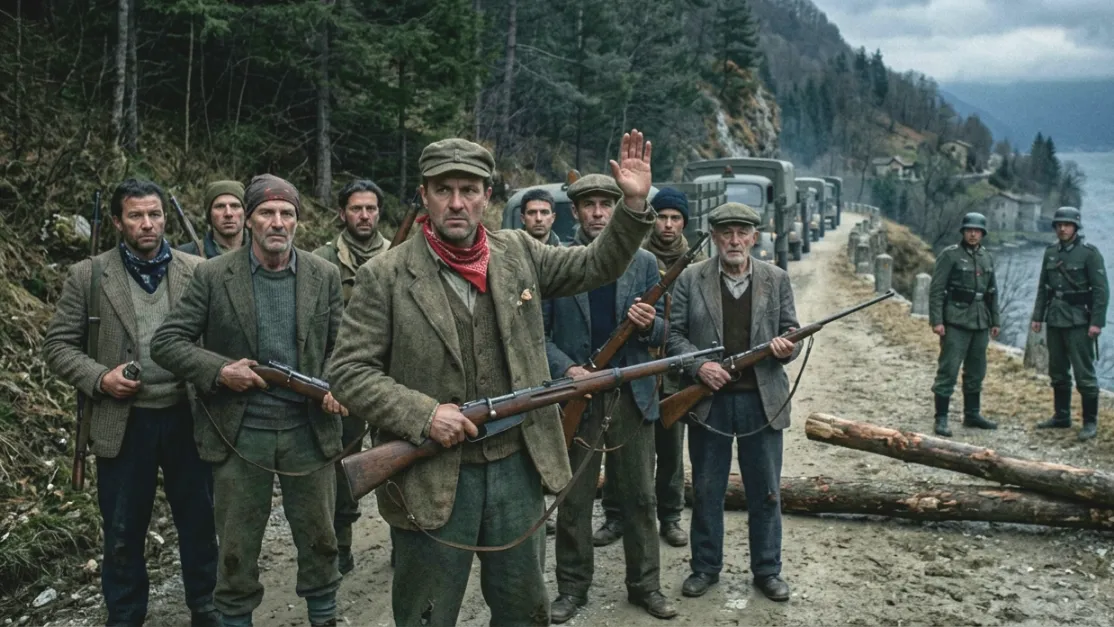
The convoy was cleared, but one of the passengers, Austrian-born Fascist leader Nicola Bombacci, tipped off the partisans. There were Italians among them. The trucks were stopped again for a thorough search.
“Your Excellency, Mussolini”
Former Italian Navy sailor Luigi Canali’s partisan unit conducted the second search. It was Urbano Lazzaro who climbed into the fourth truck.
He spotted a figure hunched in a German military coat, eyes downcast.
Lazzaro called out: “Comrade!” Silence.
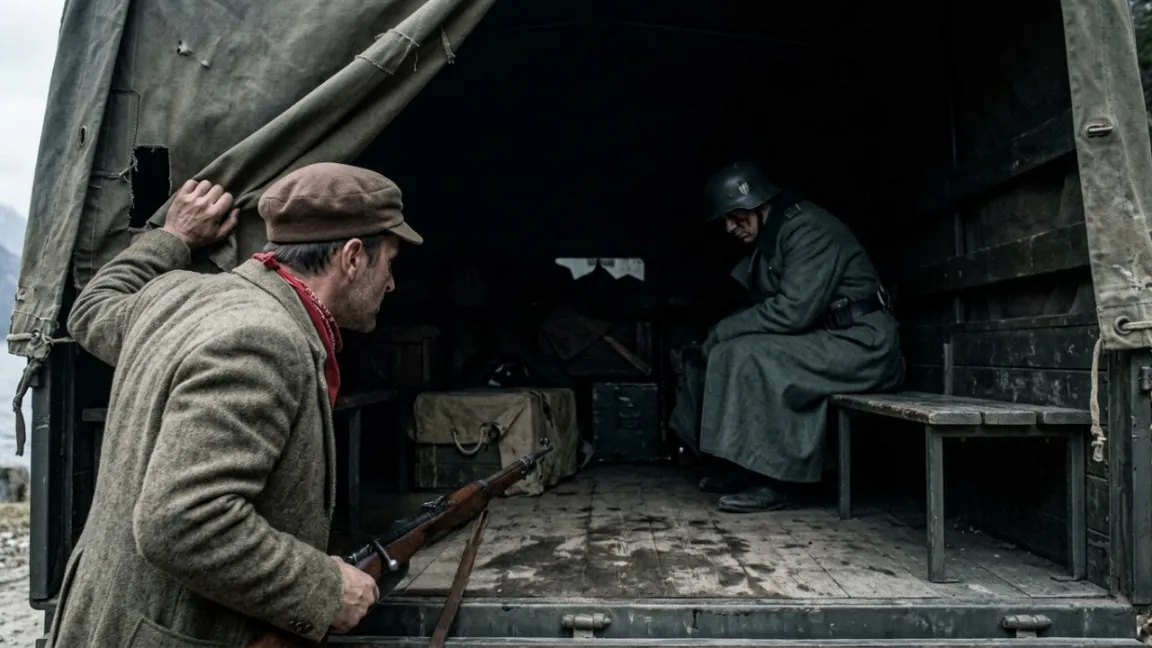
He tried again: “Your Excellency, Mussolini!” Still nothing.
A third time: “Cavaliere Benito Mussolini!”
Lazzaro later recalled: “I removed his helmet. His head was bald. I took off his glasses and pulled down his collar. There he was — it was really Mussolini.”
Mussolini surrendered his machine gun without a word. Then, without being asked, he handed over his personal 9mm Glisenti automatic pistol.
“I am Mussolini,” he said quietly. “I will cause you no trouble.“

The Briefcase with Italy’s Fate
At the town hall where he was briefly held, Mussolini removed the heavy German overcoat. Underneath, he wore a black shirt and militia trousers — the uniform of the movement he had built. He carried a briefcase.
When they took it from him, he protested:
“Handle that carefully. Italy’s fate is locked inside.”
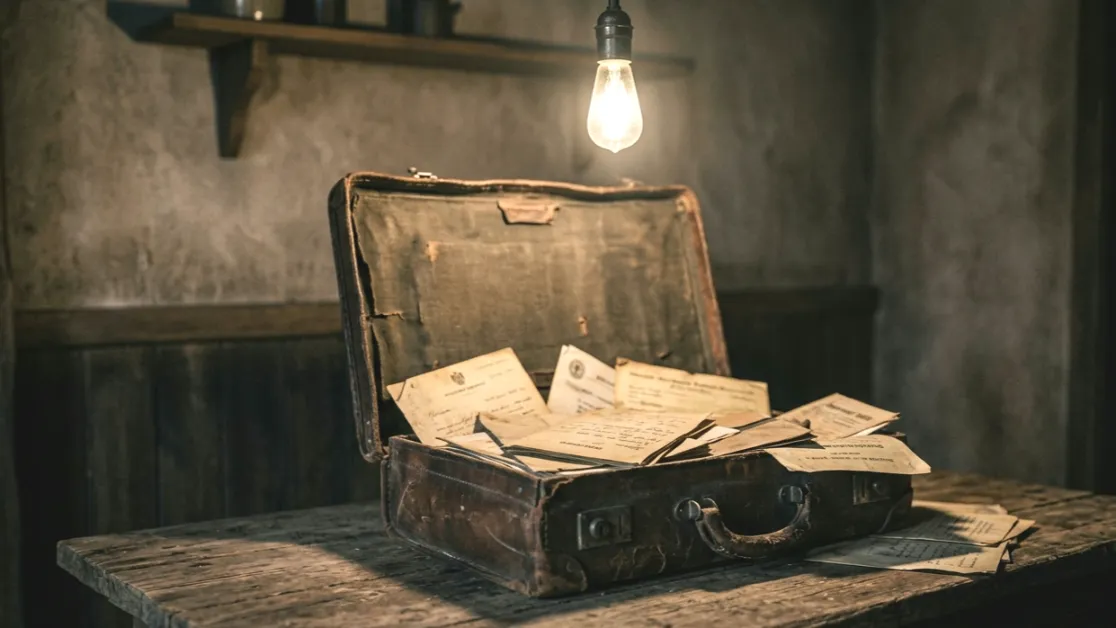
He was not wrong. The briefcase contained letters written to Hitler and Churchill, along with sensitive documents related to Italy’s Crown Prince Umberto. Historians have debated the contents ever since.
Afterward, Mussolini and Claretta were moved to a farmhouse in Bonzanigo. That night, they shared a bed — their last night alive.
Meanwhile, a man named Colonel Valerio was already on his way from Milan. His orders were clear.
The Execution
The exact details of what happened next remain disputed to this day.
Colonel Valerio — later identified as partisan commander Walter Audisio — arrived at the farmhouse and placed both Mussolini and Claretta in a car. A 19-year-old witness named Dorina Mazzola later claimed she saw them shot outside the farmhouse itself, contradicting the official account that the execution took place at the gates of Villa Belmonte.
In March 1947, at an election rally in Rome before a crowd of 40,000, Audisio publicly confessed that he had personally shot both Mussolini and Claretta.
There was a dark irony in the execution itself. When the moment came, Audisio’s submachine gun jammed. Then his pistol jammed, too. He grabbed his comrade Moretti’s submachine gun and fired five rounds into Mussolini.
According to Audisio, Mussolini was trembling in fear and pleading for his life in those final moments.
His reported last words, depending on the account:
“Shoot me in the chest.”
Or: “Aim for my heart.”
He was killed by four bullets to the chest. He was 61 years old.
Claretta Petacci died alongside him, shot twice with a 9mm round.
The Untold Story of the Ottoman Dynasty’s Expulsion from Turkey
What Happened to the Bodies
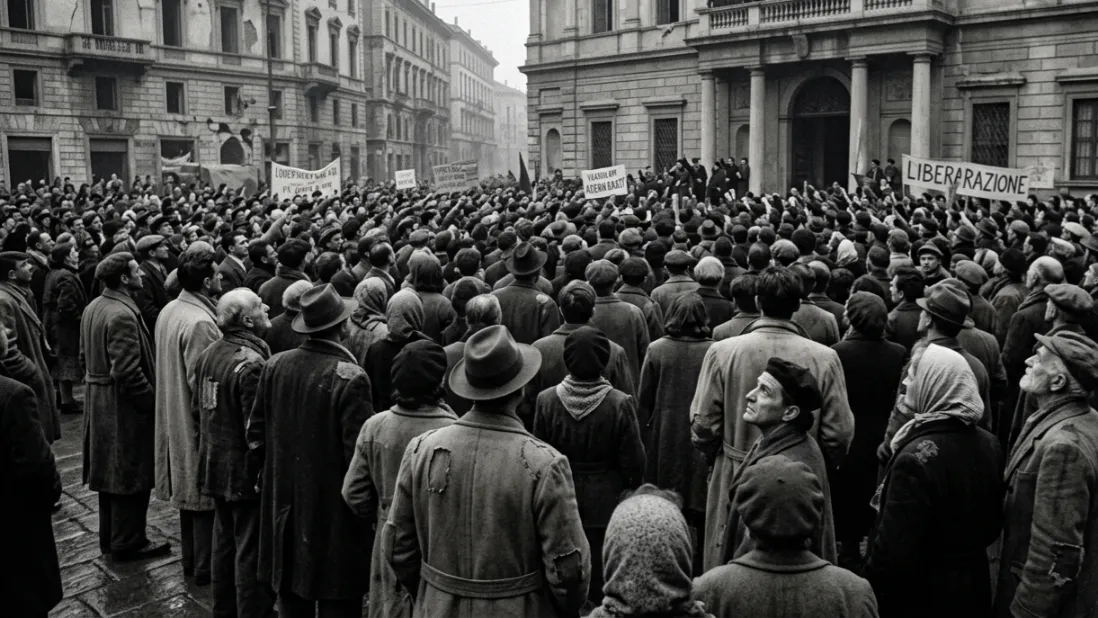
The morning of April 29, 1945, the people of Milan woke to a sight that would define the end of Italian Fascism.
The bodies of Mussolini, Claretta, and several other Fascist leaders had been hung upside down from the roof of a gas station on Piazzale Loreto — the same square where Fascists had publicly displayed the bodies of executed partisans months earlier.
Crowds gathered. Some threw things. Some wept. Most simply stared.
Eventually, the bodies were taken down and moved to the Milan city morgue. The post-mortem examination confirmed that Mussolini had died from four gunshot wounds to the chest. He was 5 feet 6 inches tall and weighed 79 kilograms. Stomach ulcers were found, but no evidence of syphilis — despite persistent rumors that had circulated for years.
Claretta was buried in Milan under a false name: Rita Colfosco.
Mussolini was buried in grave number 384 at Milan’s Musocco Cemetery.
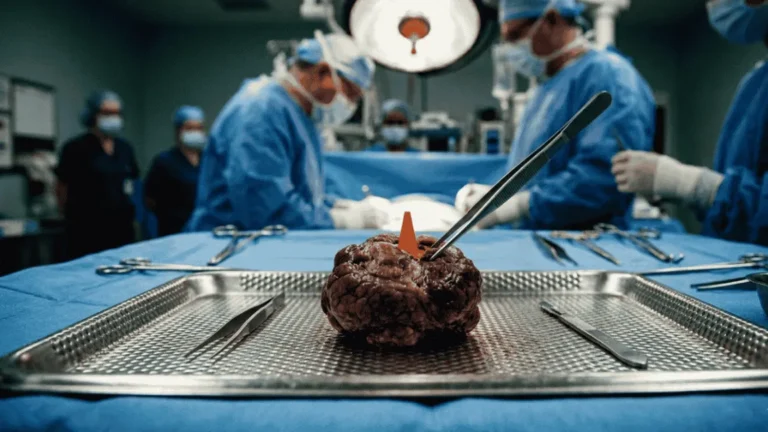
A portion of his brain was removed and sent to Saint Elizabeth’s Hospital in Washington, D.C. for study. Decades later, it was returned to his widow, Donna Rachele.
How Mussolini’s Death Shaped Hitler’s Final Hours
On April 29, 1945 — the day the bodies were displayed in Milan — Hitler was underground in his Berlin bunker. Radio reports carried the news of Mussolini’s fate, including what had been done to the bodies.
According to historian Christopher Hibbert in The Fall of Mussolini, Hitler listened to every detail. When he was done, he reportedly said:
“My body must never fall into the hands of my enemies.”
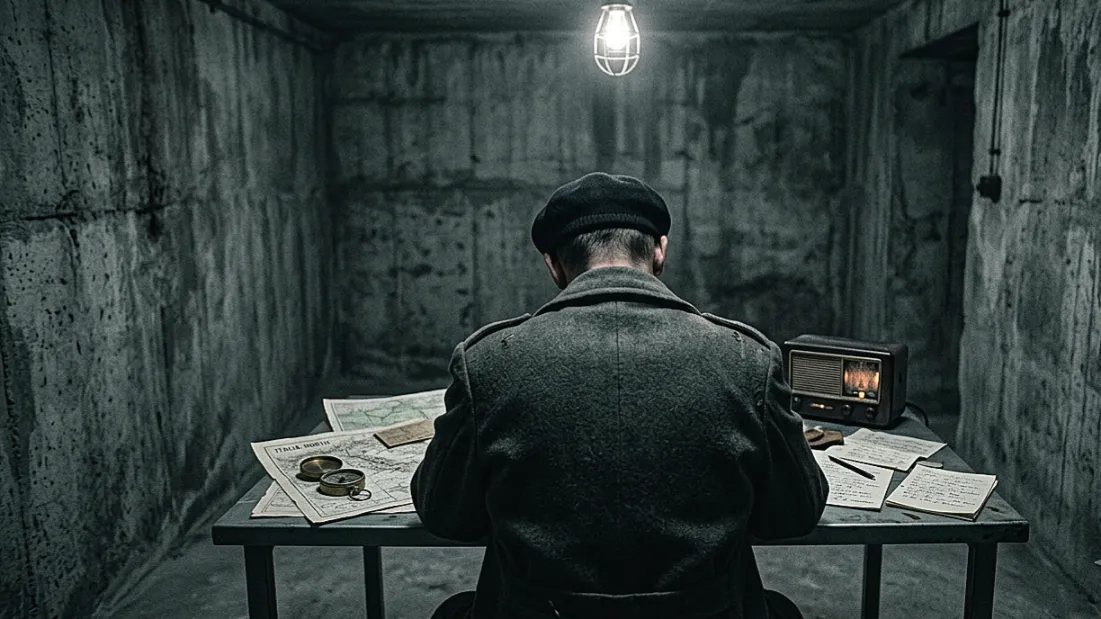
Two days later, Hitler shot himself and ordered that his body be burned.
Many historians believe that the sight of Mussolini’s humiliated corpse — strung upside down for public ridicule — directly influenced how Hitler chose to die and what he ordered done with his remains.
The End of a Dictator
The fall of Mussolini was not just the death of one man. It was the collapse of an ideology that had held Italy in its grip for over two decades.
He had risen as a revolutionary, declared himself Il Duce, aligned with Hitler, and dragged Italy into a catastrophic war. In the end, he was discovered hiding in a borrowed coat, trembling in the back of a truck, whispering that he would cause no trouble.
His execution remains controversial. The exact location, the precise sequence of shots, who fired first — historians still debate these details. But the outcome was never in doubt.
Mussolini’s end was brutal, public, and deliberate. It was designed to send a message. And it did — not just to the Italian people, but to every dictator watching from afar.