
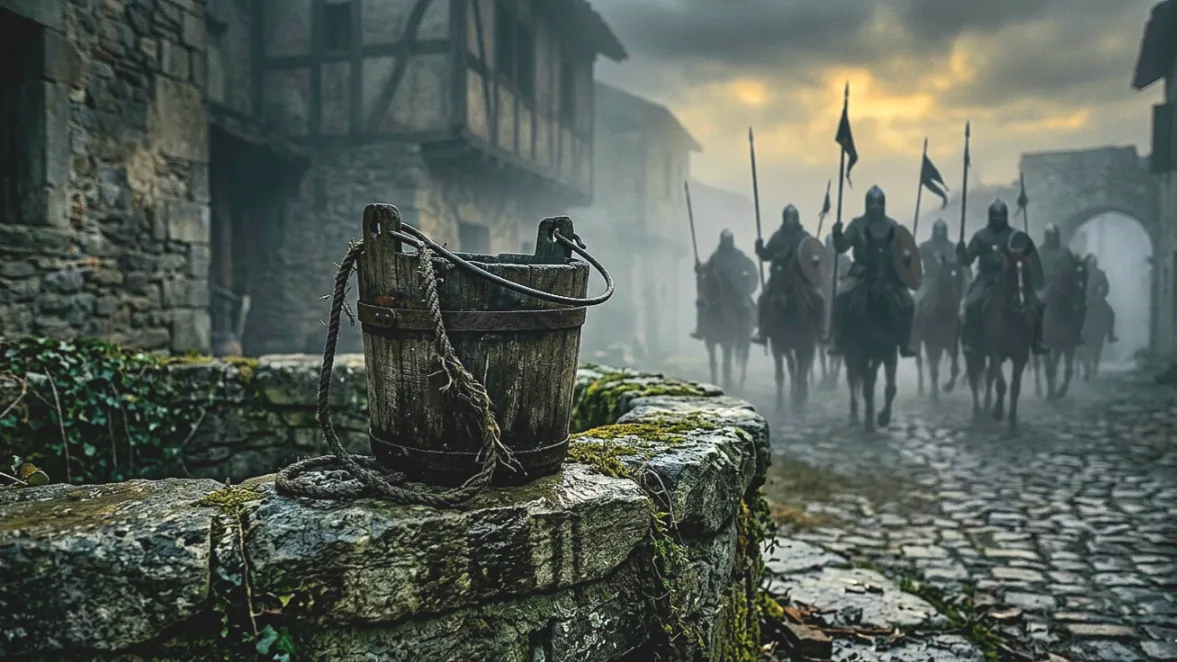
The Bucket War: When a Theft Triggered a Medieval Battle
In 1325, the Italian cities of Bologna and Modena fought the War of the Bucket. While the theft of a wooden bucket sparked the conflict, the underlying causes were deep-seated political rivalries and the ideological divide between the Guelphs and Ghibellines. This tension escalated into a major military engagement.
The Battle of Zappolino resulted in a decisive victory for the outnumbered Modenese forces. Hundreds died in the fighting, and the stolen bucket remains a symbol of city pride in Modena today. The event demonstrates how minor provocations can ignite long-standing historical grievances between competing powers.
In 1325, hundreds of soldiers died over a wooden bucket.
Not a city, a trade route, or a royal insult. But just a bucket.
If that sounds like the setup to a joke, you’re not alone. But the War of the Bucket is one of medieval Italy’s most documented conflicts — and seven centuries later, historians still write about it.
The story seems absurd on the surface. But peel back the layers, and you’ll find something far more familiar: years of political hatred, wounded pride, and two rival cities desperate for a reason to destroy each other.
The bucket was just the excuse they needed.
A Peninsula Divided Against Itself
To understand why a stolen bucket could ignite a war, you first need to understand what 14th-century Italy actually looked like.
There was no unified Italian nation. Instead, the peninsula was a patchwork of dozens of independent city-states, each with its own army, its own laws, and its own ambitions. Power was local. Loyalty was fragile. And conflict was constant.
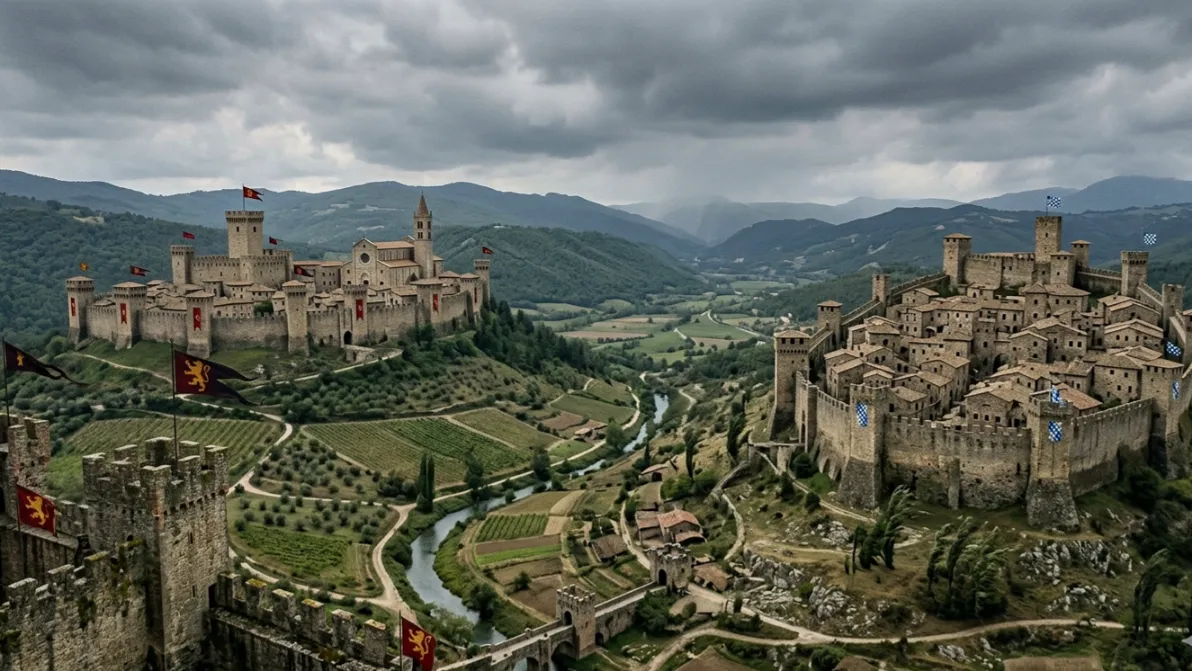
Trade, territory, and political influence kept neighboring cities locked in perpetual competition. Alliances shifted. Borders were contested. Small provocations carried enormous weight.
In this environment, honor wasn’t just a cultural value — it was a political weapon.
Two Cities, One Long Grudge
Among the most powerful and hostile neighbors in northern Italy were Bologna and Modena.
Both cities were major centers of wealth and influence. Both jealously guarded their dominance in the region. And for years, they had been clashing — border raids, skirmishes, retaliations — in an ongoing cycle of violence that never fully resolved.
But their rivalry ran deeper than territorial disputes.
The Guelph-Ghibelline Split
Medieval Italy was cleaved by one of the era’s great political fault lines: the struggle between the Guelphs, who supported the political authority of the Pope, and the Ghibellines, who backed the Holy Roman Emperor.
Bologna was a Guelph stronghold. Modena aligned with the Ghibellines.
This wasn’t just a difference of political opinion — it was an identity. A worldview. A reason to see your neighbor not merely as a rival, but as an enemy of everything you stood for.
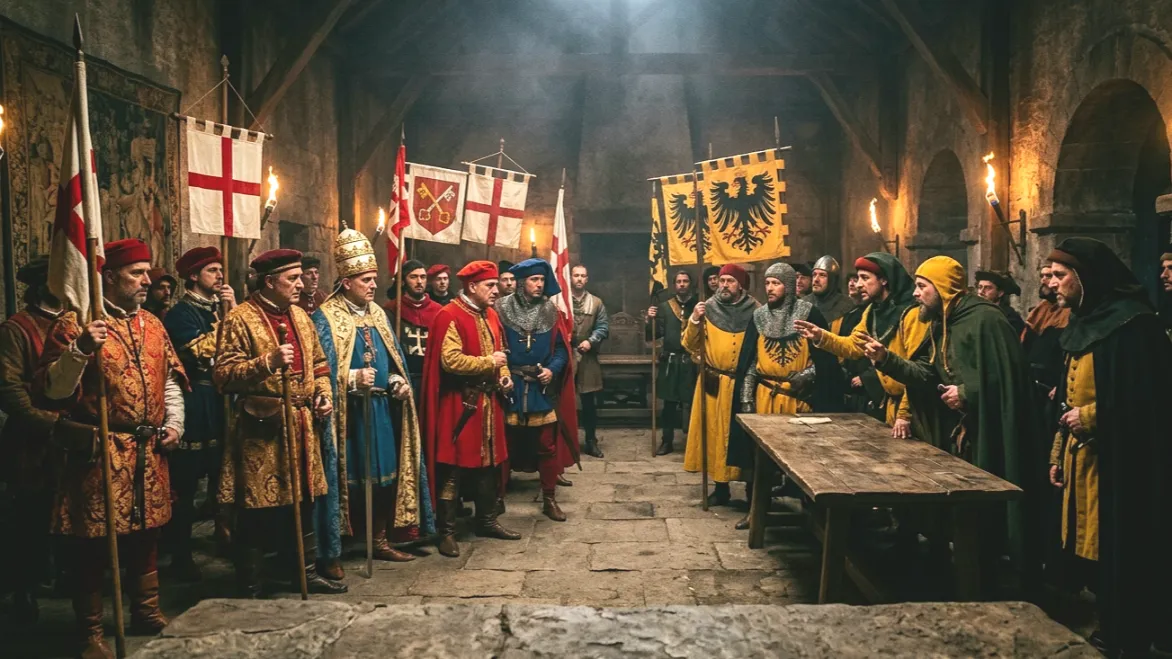
For decades, this ideological divide fueled wars across the Italian peninsula. Bologna and Modena were already sitting on a powder keg. All it would take was a single spark.

The Theft That Started a War
In 1325, that spark arrived in the most unlikely form imaginable.
According to historical accounts, a group of Modenese soldiers crossed into Bolognese territory and stole a wooden bucket from a well. Whether they did it as a prank, a provocation, or simply because they could, the record doesn’t say with certainty.
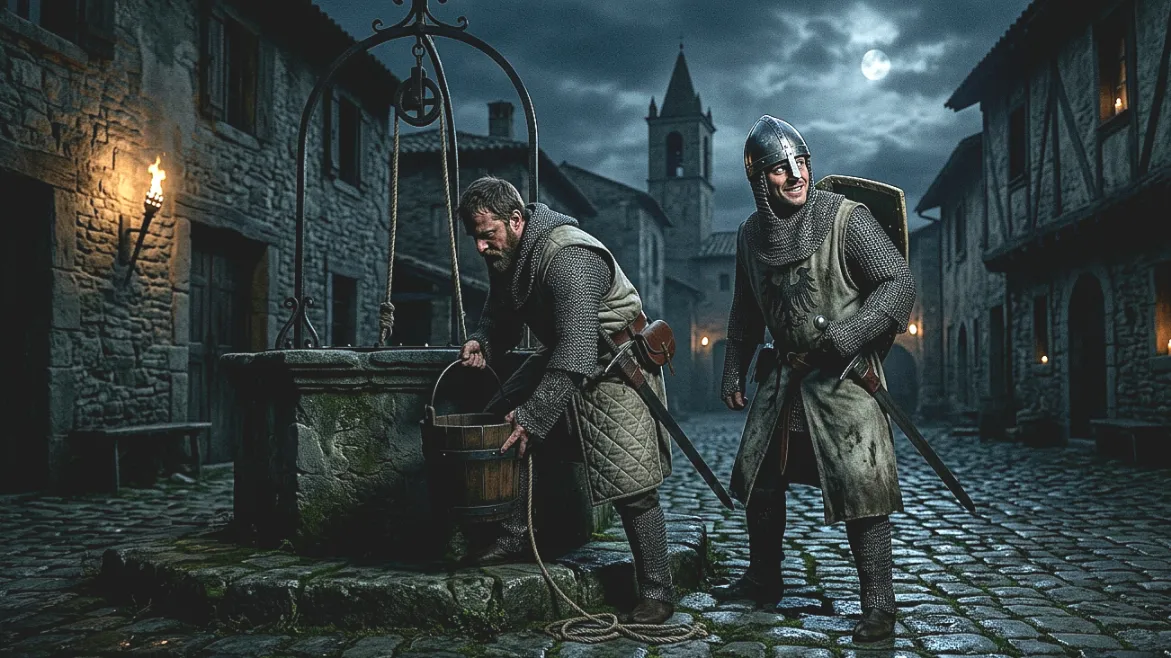
What the record does say is what happened next.
Bologna demanded the bucket back. Modena refused.
On the surface, the demand seems reasonable. The refusal seems petty. But neither city was really arguing about a bucket. Bologna saw the theft as a deliberate act of disrespect — a humiliation that demanded a response. Modena’s refusal was a calculated message: we don’t answer to you.
Both sides knew exactly what they were doing. The bucket had become a symbol.
Armies on the March
What followed moved quickly.
Both cities began mobilizing. Soldiers were called up, horses readied, weapons stockpiled. The rhetoric on both sides grew sharper. By the time diplomacy might have intervened, neither city wanted diplomacy anymore.
They wanted to win.
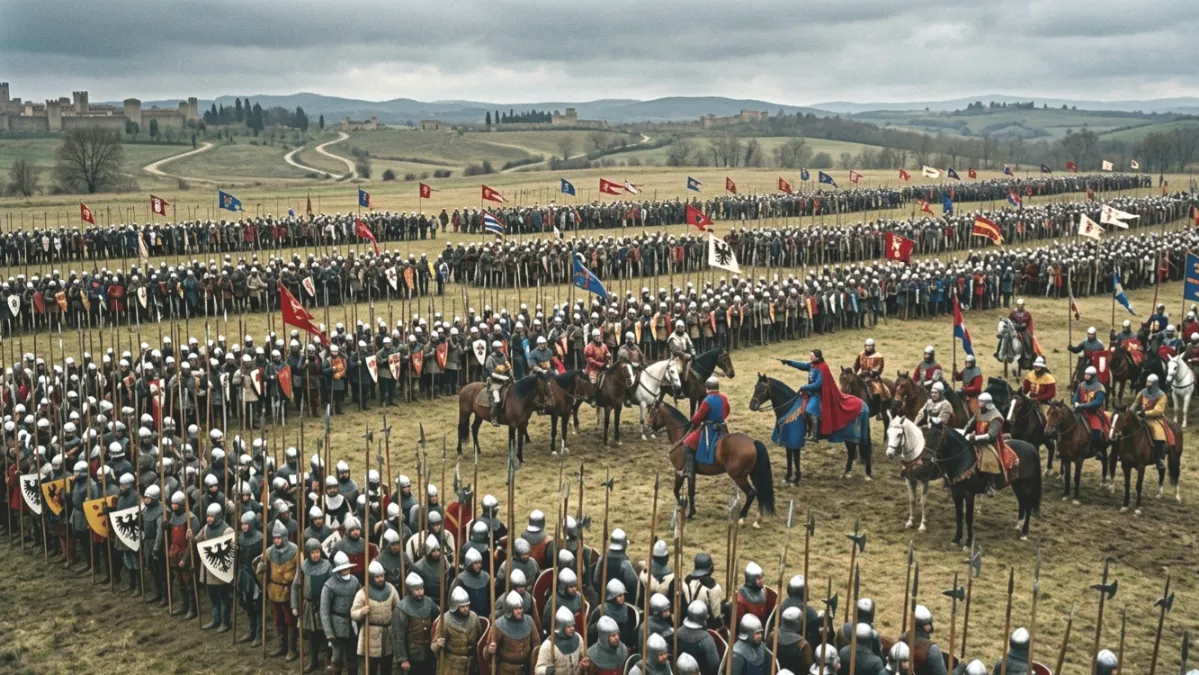
In November 1325, the two forces met at the Battle of Zappolino — a confrontation that would decide more than the fate of a bucket.

The Battle of Zappolino
Bologna arrived at the battlefield with numerical superiority. Its army was large, well-supplied, and confident. By every conventional measure, Bologna should have won.
Modena’s force was smaller. But it was better organized and more effectively led.
When the fighting began, Modena’s troops struck with discipline and speed. Bologna’s larger army struggled to respond. Within hours, the Bolognese lines broke. The retreat turned into a rout.
Hundreds were killed. Thousands more were wounded or captured. One of the most powerful cities in northern Italy had been humiliated — not by a superior force, but by a more capable one.
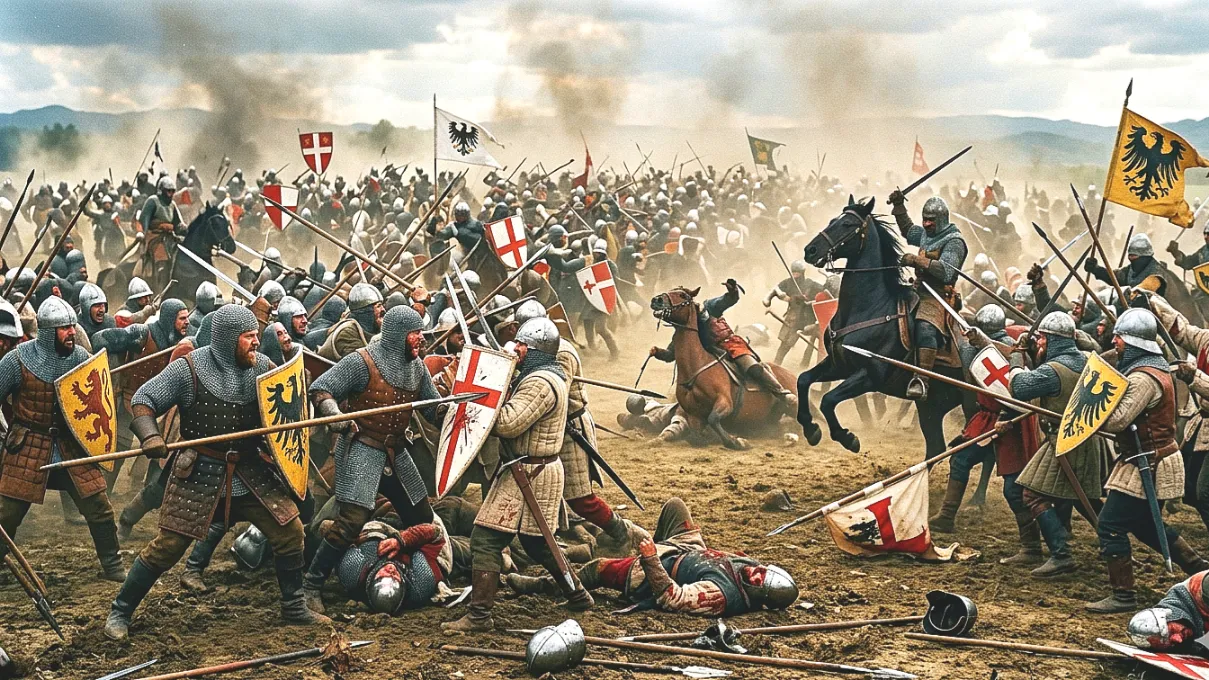
Meanwhile, the bucket that had supposedly started it all? It never went back to Bologna.
The Bucket That Remained
After the battle, Modena’s victorious soldiers brought the wooden bucket home as a trophy.
Over the following centuries, it became something more than a war prize. It became a symbol of Modenese identity — proof that their city had stood its ground, refused to back down, and won.
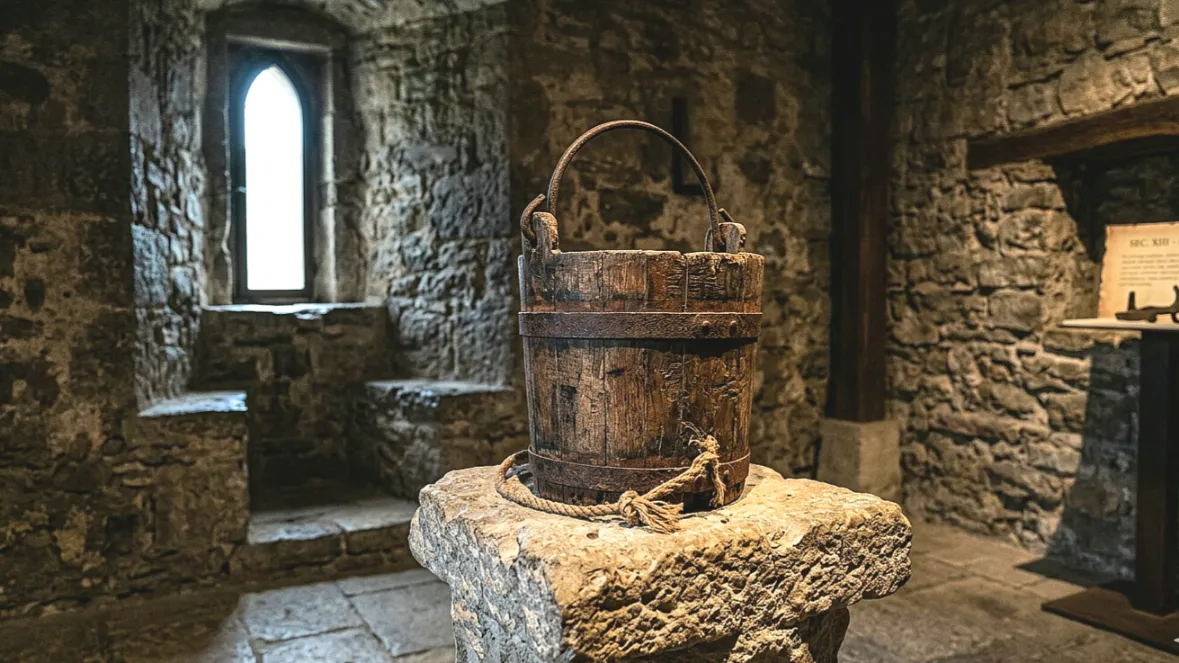
A wooden bucket is still displayed in Modena today, housed in the Ghirlandina Tower. Historians note that the current bucket is almost certainly a later replica, not the original. But that distinction has never diminished its significance to the city.
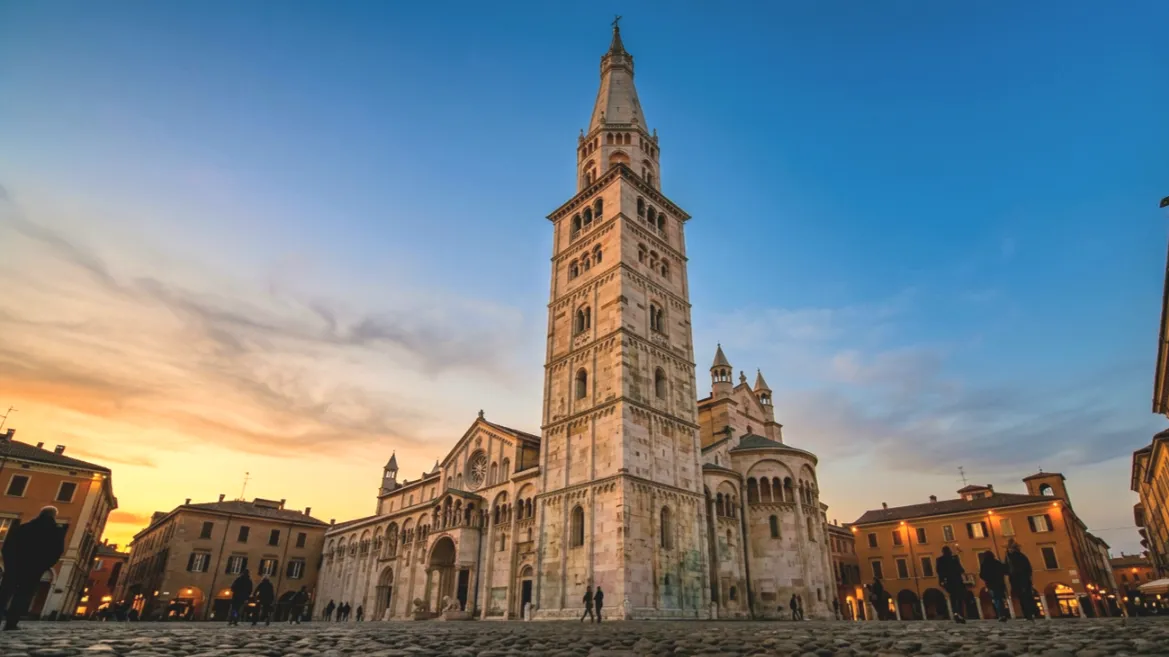
The story also inspired Italian poet Alessandro Tassoni, who immortalized the War of the Bucket in his 1622 mock-heroic epic La Secchia Rapita — “The Stolen Bucket.” Even centuries after the battle, the episode was remarkable enough to become literature.
The Pig War: How a Hungry Hog Almost Started a War Between Two Superpowers
What the Bucket Really Tells Us
It’s tempting to laugh at the War of the Bucket. A medieval war over stolen kitchenware seems like the kind of absurdity that belongs in satire, not history books.
But look closer, and the pattern becomes deeply familiar.
The assassination of Archduke Franz Ferdinand in 1914 is often cited as the cause of World War I. In reality, Europe had been building toward catastrophe for decades. The assassination didn’t create the war — it just permitted everyone to start it.
The War of the Bucket worked the same way. Bologna and Modena weren’t going to war over wood and rope. They were going to war over years of accumulated grievances, political rivalry, and ideological hatred. The bucket simply made it official.
History is full of these moments — where the stated cause and the real cause are two very different things. A diplomatic slight topples kingdoms. A single gunshot reshapes continents. A stolen bucket sends armies into the field.
The surface reason is rarely the whole story.
Conclusion
The War of the Bucket stands as one of history’s most memorable reminders that conflicts rarely begin where they appear to begin.
Seven hundred years later, the story endures — not because of the battle itself, but because of what it reveals. Behind every absurd trigger lies something deeply human: pride, power, and the refusal to back down.
The next time a conflict seems to erupt out of nowhere, remember the wooden bucket. The argument you’re watching probably started long before the moment you’re seeing.
And somewhere, in a tower in Modena, a bucket still sits as proof that even the smallest objects can carry the weight of history.