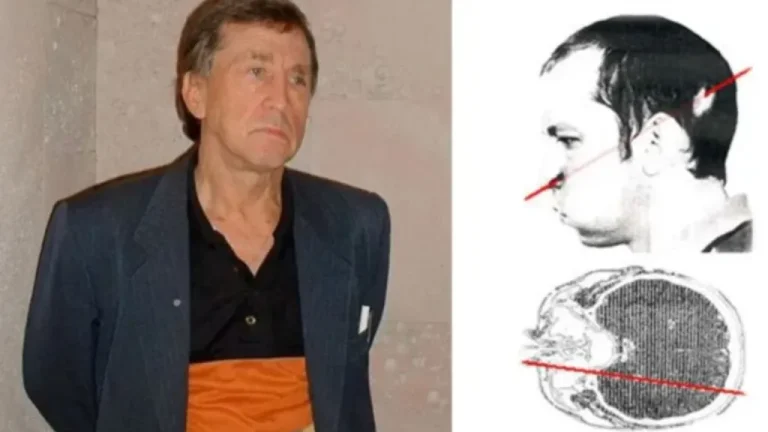

Hiroo Onoda: The Japanese Soldier Who Fought for 29 Years After World War II Ended
Hiroo Onoda was a Japanese Imperial Army officer who remained on Lubang Island in the Philippines for 29 years after World War II ended. Bound by orders to never surrender, he dismissed reports of the war’s conclusion as propaganda and continued a guerrilla campaign until 1974.
His isolation ended when his former commanding officer traveled to the island to formally relieve him of duty. Onoda returned to a transformed Japan, later moving to Brazil before establishing a nature school. He remained a public figure until his death in 2014.
Imagine hiding in a jungle for nearly three decades — still fighting a war that the rest of the world had long forgotten. That is exactly what Hiroo Onoda did. His story is one of the most astonishing true accounts to ever emerge from the aftermath of World War II. It is a story about loyalty, duty, and a belief so powerful that no amount of evidence could shake it.
A Mission With No Expiration Date
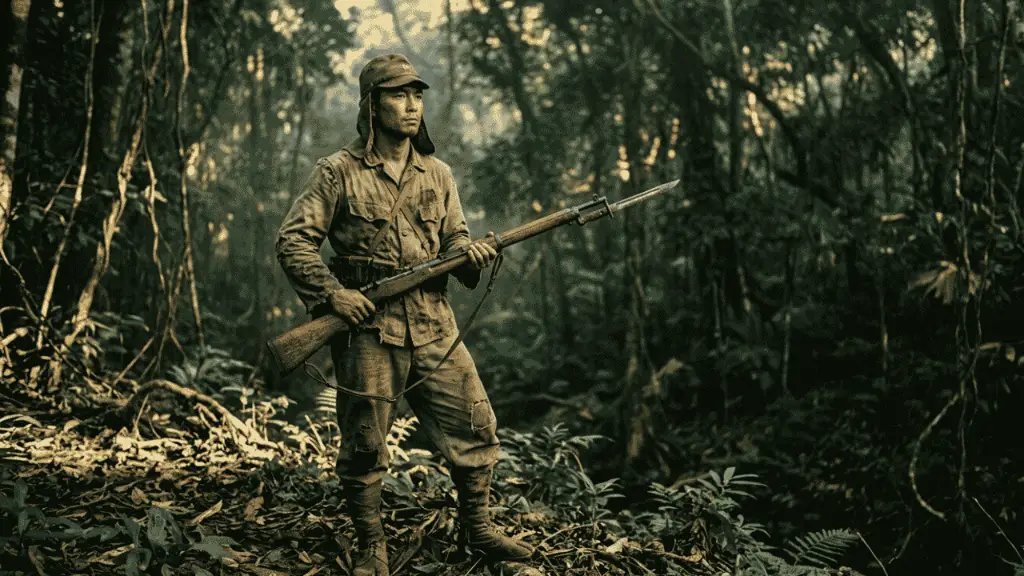
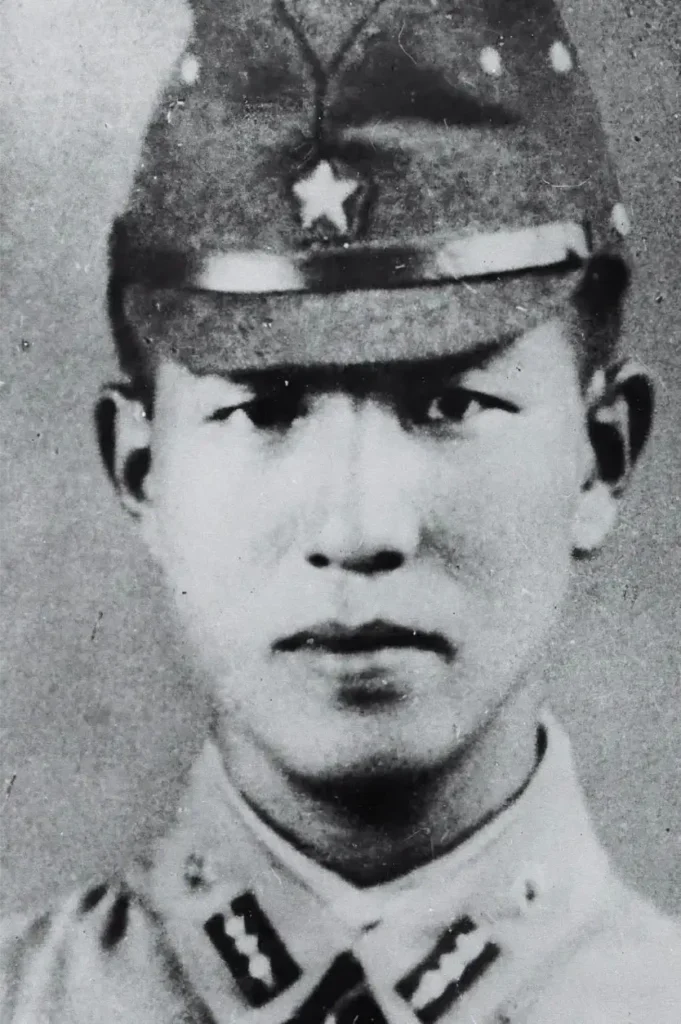
In 1944, Japanese Imperial Army officer Hiroo Onoda received his orders. His superiors sent him to Lubang Island in the Philippines with a straightforward mission — fight behind enemy lines and never, under any circumstances, surrender.
His commanding officer made one final promise before leaving him behind. He told Onoda that no matter how long it took, they would return for him one day.
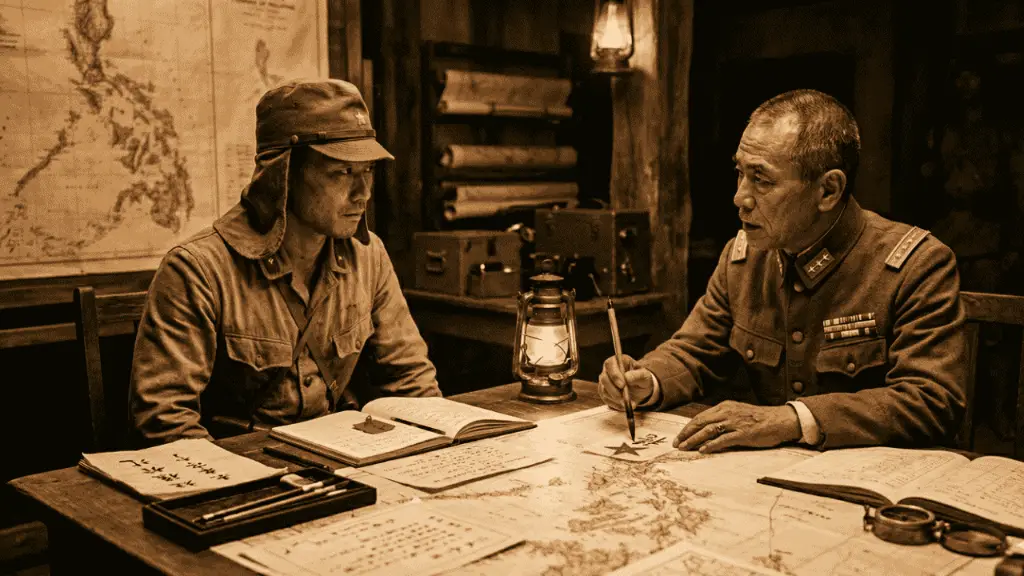
Onoda held onto that promise for the next 29 years.
The War Ended — But Nobody Could Tell Him That
When Japan formally surrendered in August 1945, the world let out a collective sigh of relief. However, on Lubang Island, the war was far from over — at least in the mind of one determined soldier.
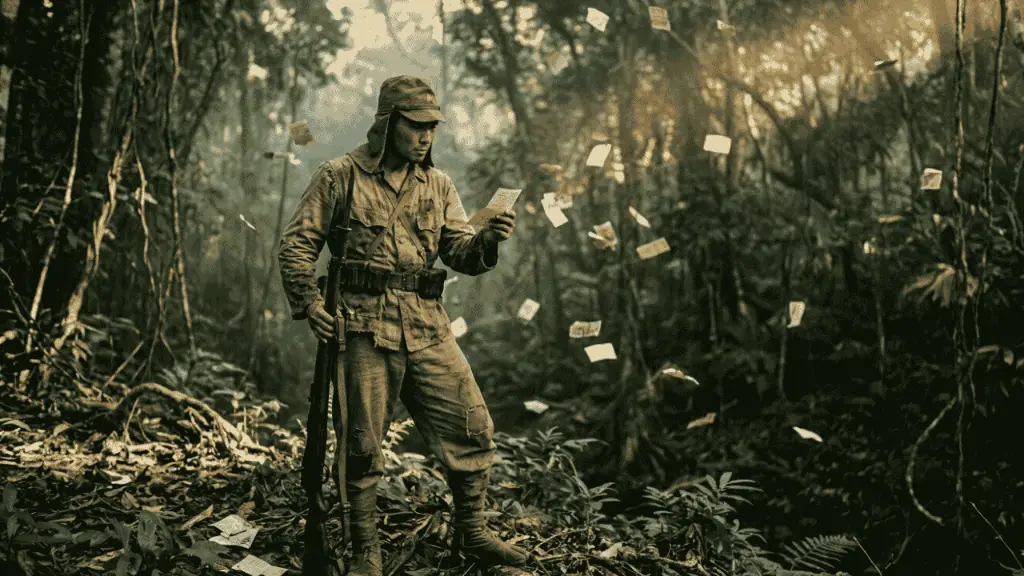
Military aircraft dropped leaflets over the island announcing the end of hostilities. Onoda picked one up, read it, and dismissed it immediately. In his view, it was nothing more than enemy propaganda designed to trick him into giving up.
Meanwhile, his family tried desperately to reach him. Newspapers made their way into the jungle. His own brother recorded a personal message pleading with him to come home.
None of it worked.
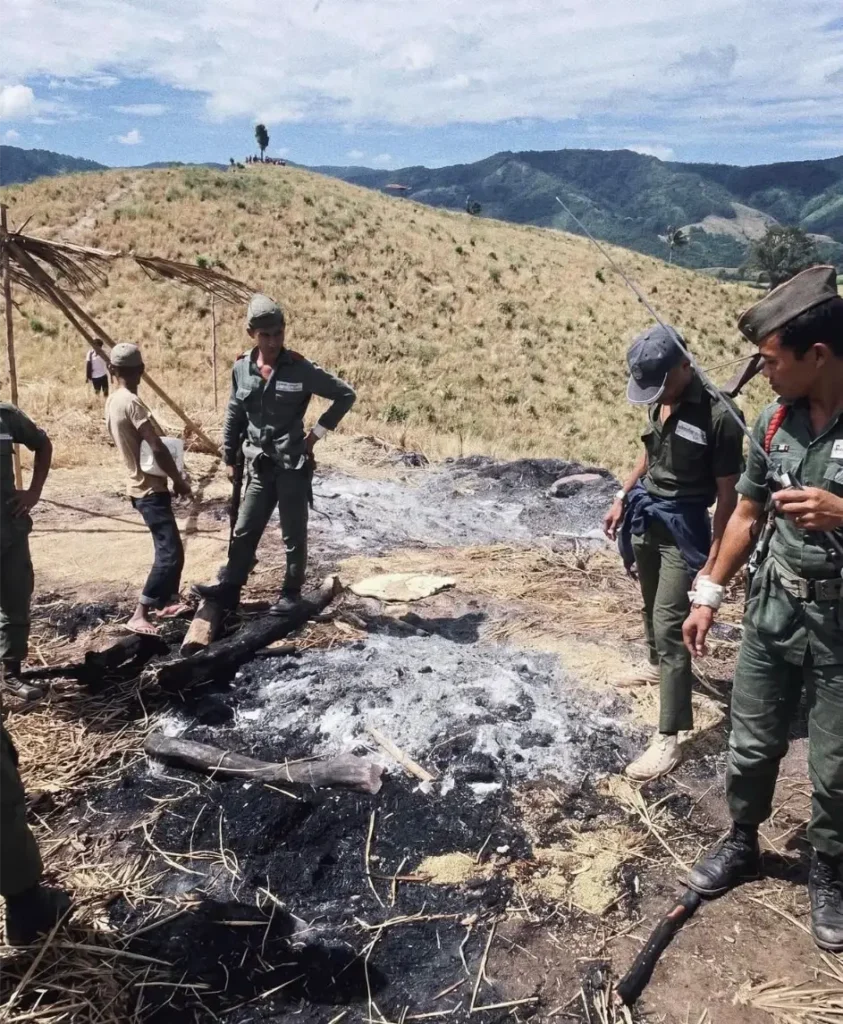
Onoda remained unconvinced. Because of this deep-rooted belief, he continued his one-man guerrilla campaign — sabotaging equipment, raiding local villages for supplies, and engaging in skirmishes with Philippine police.
Decades Alone in the Jungle
At first, Onoda was not entirely alone. A small group of Japanese soldiers had remained with him, equally convinced the war was ongoing.
However, as the years passed, the group slowly fell apart. Some soldiers eventually chose to surrender. Others died during confrontations with local authorities. Eventually, Onoda found himself completely alone — deep in the Philippine jungle, still armed, still on alert, and still waiting for orders that would never come through official channels.
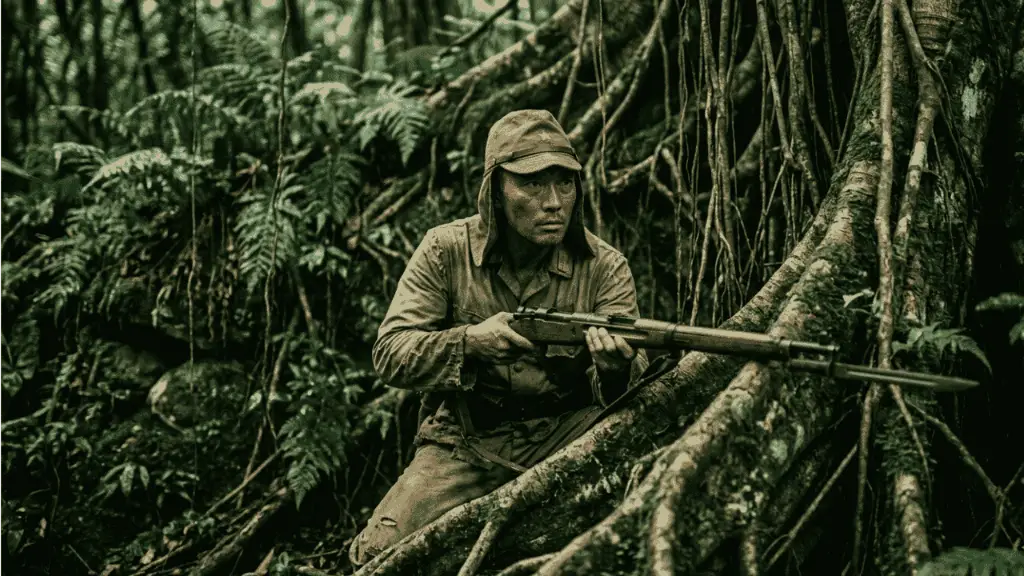
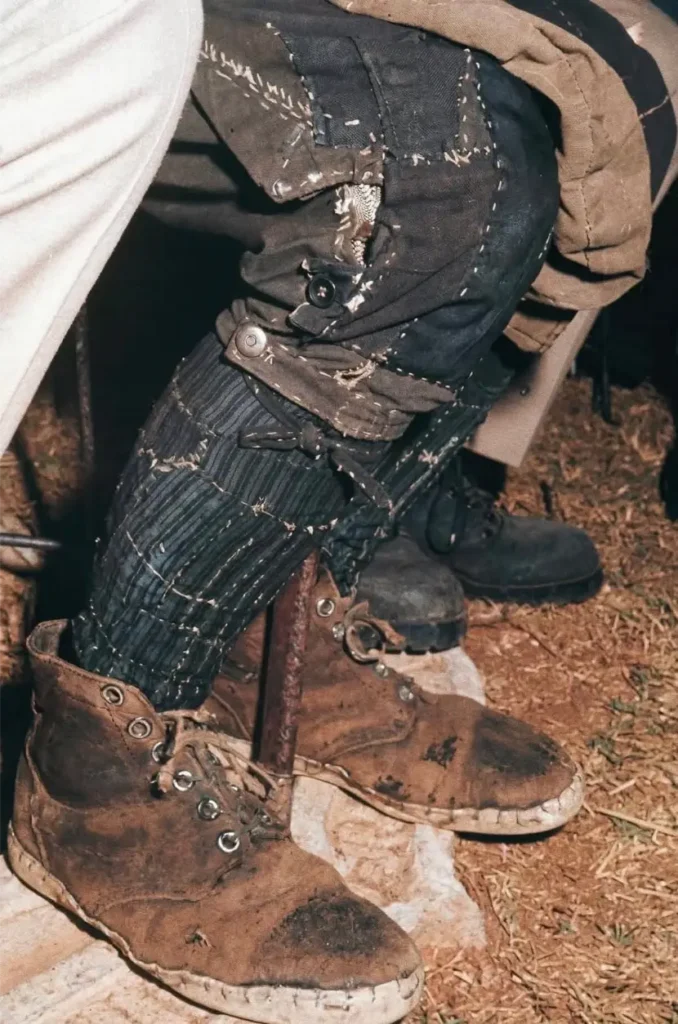
For the final stretch of his jungle years, he lived a solitary life that most people could barely endure for a week. He built shelters, foraged for food, and maintained his weapons with meticulous care.
He never stopped believing it was his duty.
The Young Traveler Who Changed Everything
By 1974, Hiroo Onoda had become something of a legend back in Japan — a ghost story that blurred the line between myth and reality. That year, a young Japanese adventurer named Norio Suzuki decided to find him.
Remarkably, Suzuki succeeded where everyone else had failed. He tracked Onoda down deep inside the jungle and made contact.
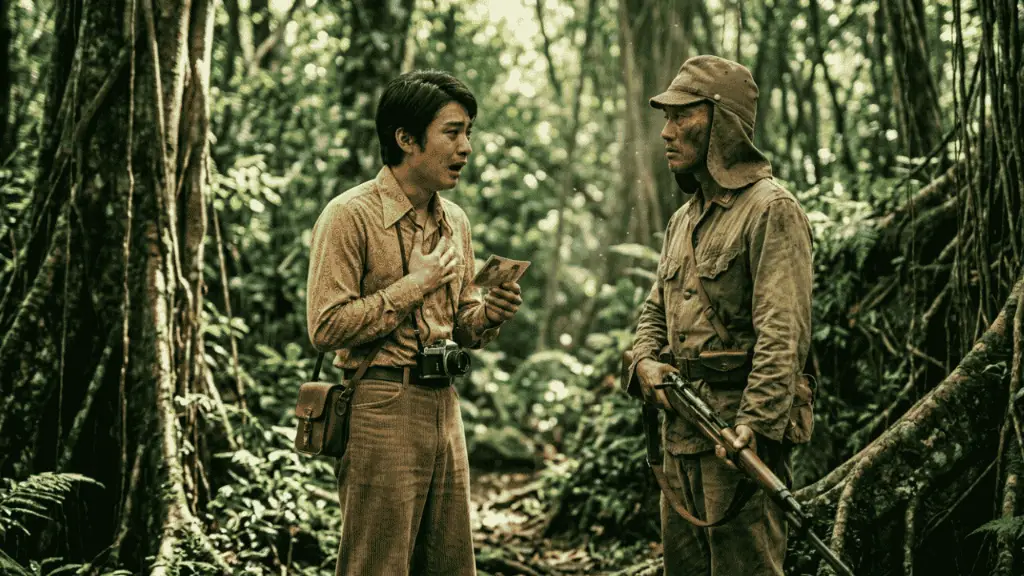
Yet even face-to-face with a fellow Japanese citizen, Onoda refused to lay down his weapons. His reasoning was simple and unshakeable — only his commanding officer had the authority to relieve him of duty. A stranger’s word simply was not enough.
The Order He Had Been Waiting For
Suzuki returned to Japan and did something extraordinary. He tracked down Onoda’s former commanding officer, Major Yoshimi Taniguchi, who had long since left the military and was now quietly working as a bookseller.
Taniguchi agreed to return to the Philippines.
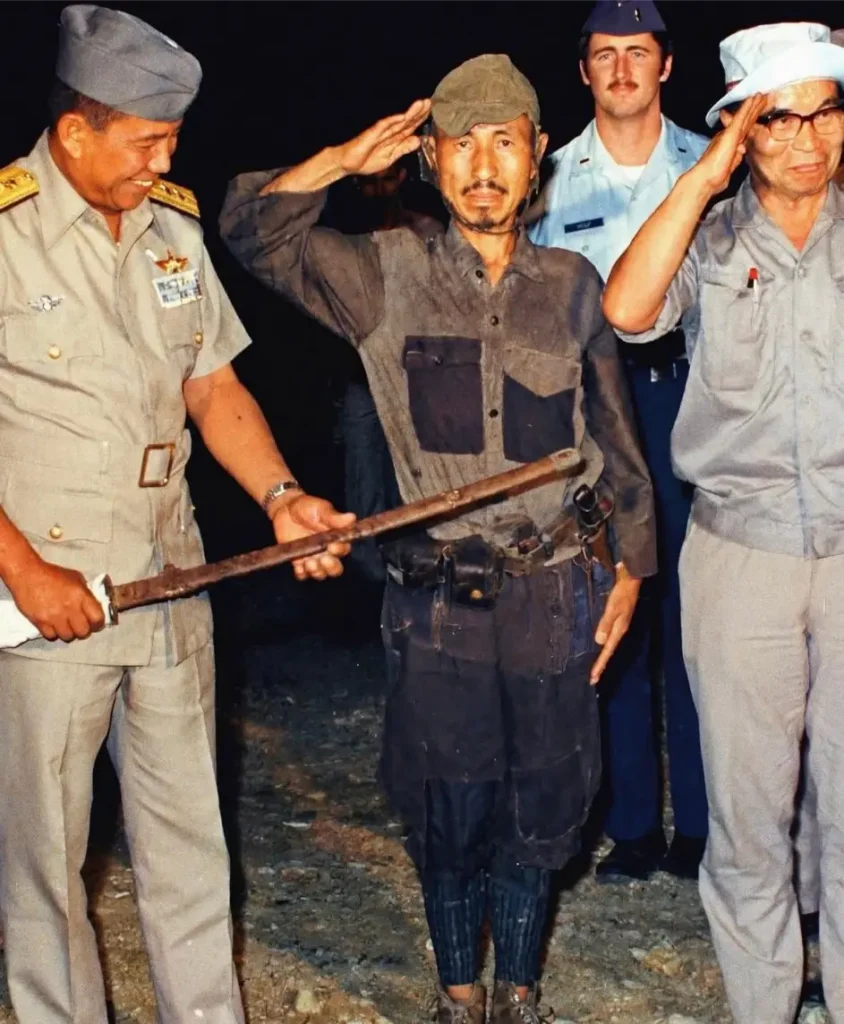
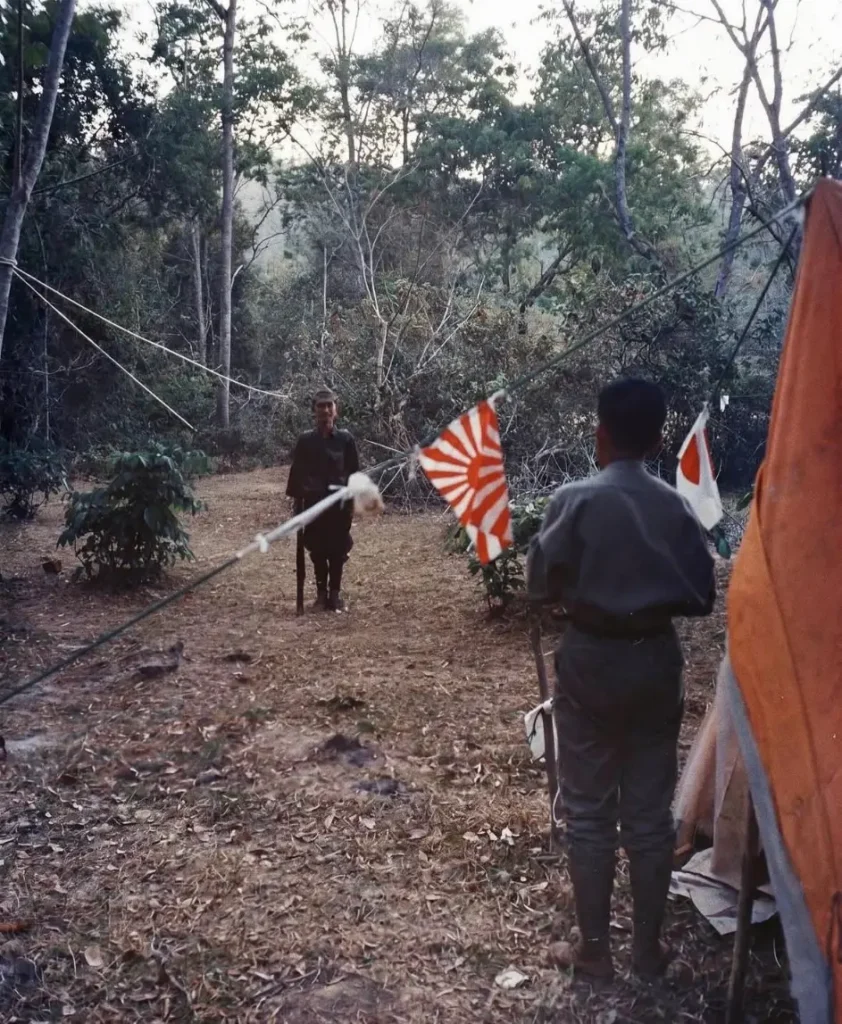
On March 9, 1974, Major Taniguchi stood before Hiroo Onoda in the jungle and officially relieved him of his duty. He read the original orders aloud and formally declared the mission over.
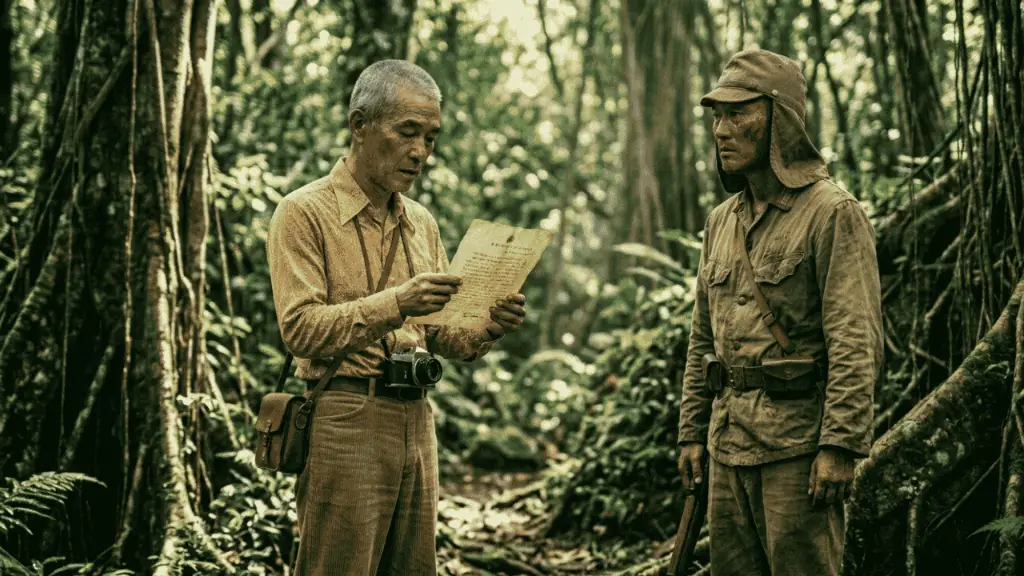
Only then did Onoda finally lay down his rifle.
What He Carried Out of the Jungle
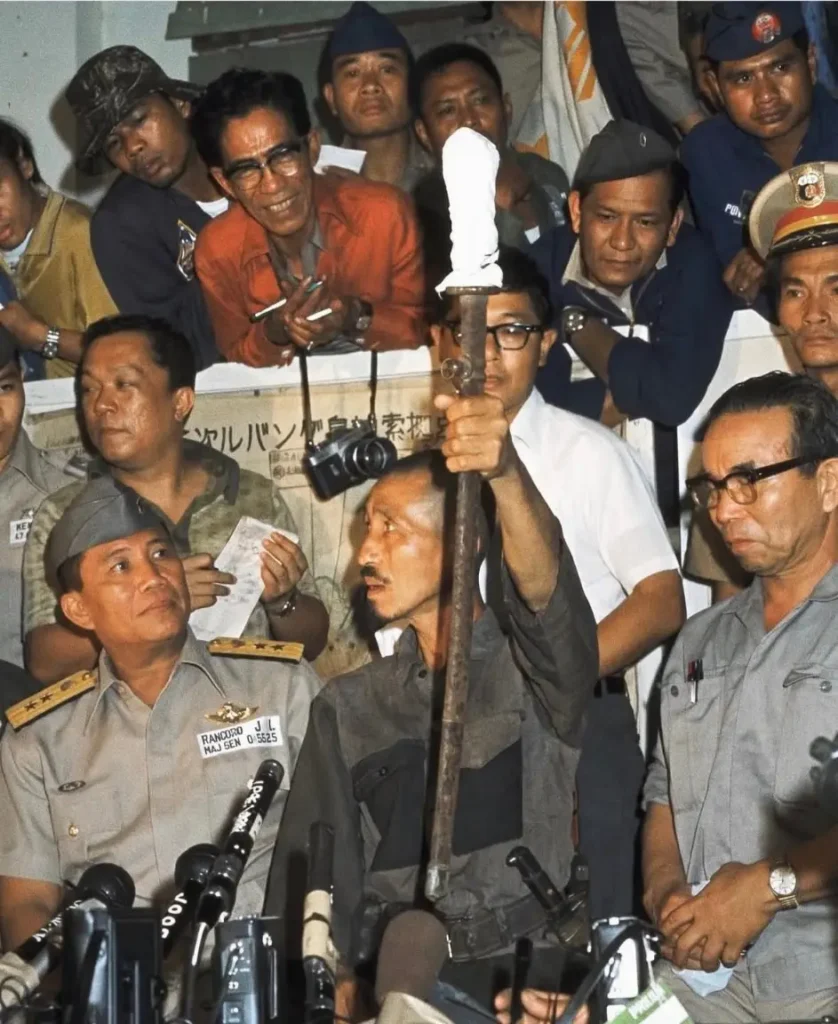
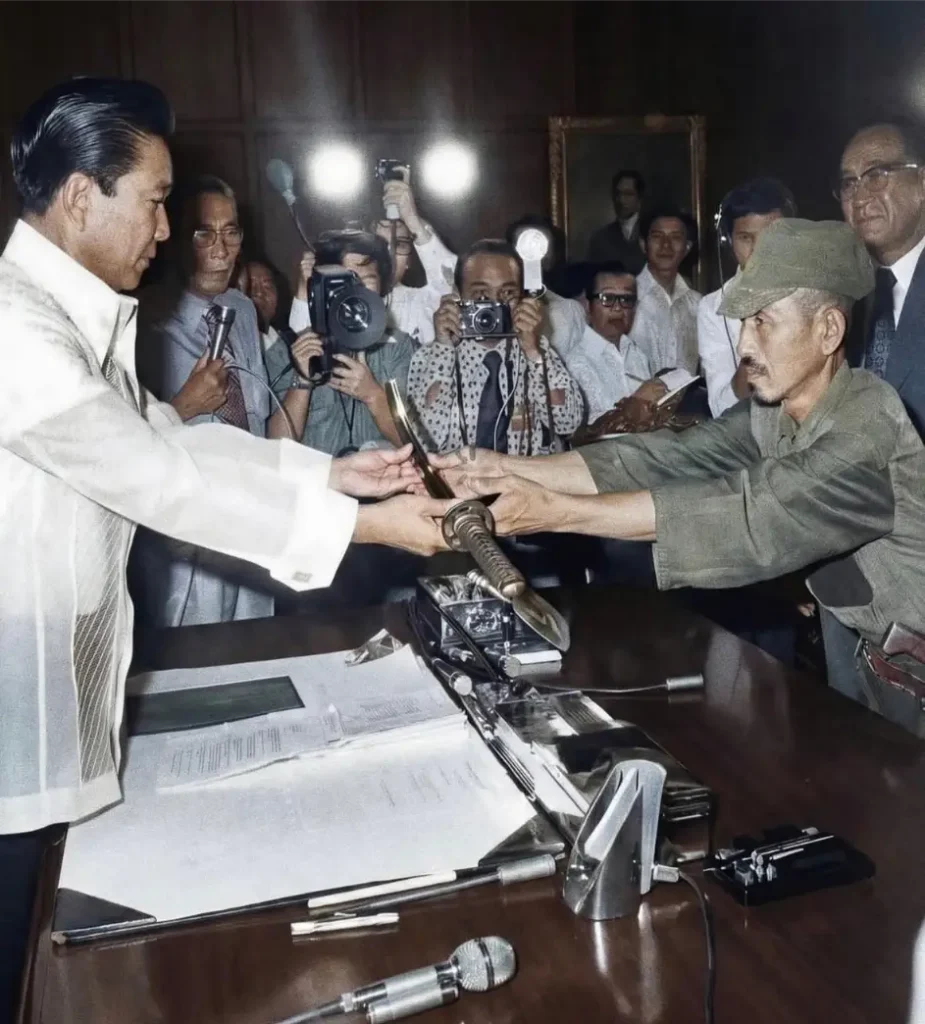
When Hiroo Onoda stepped out of the jungle and into the modern world, he still carried a fully functioning rifle, live ammunition, hand grenades, and the dagger his mother had given him before he shipped out — a gift she had intended him to use on himself rather than face the dishonor of capture.
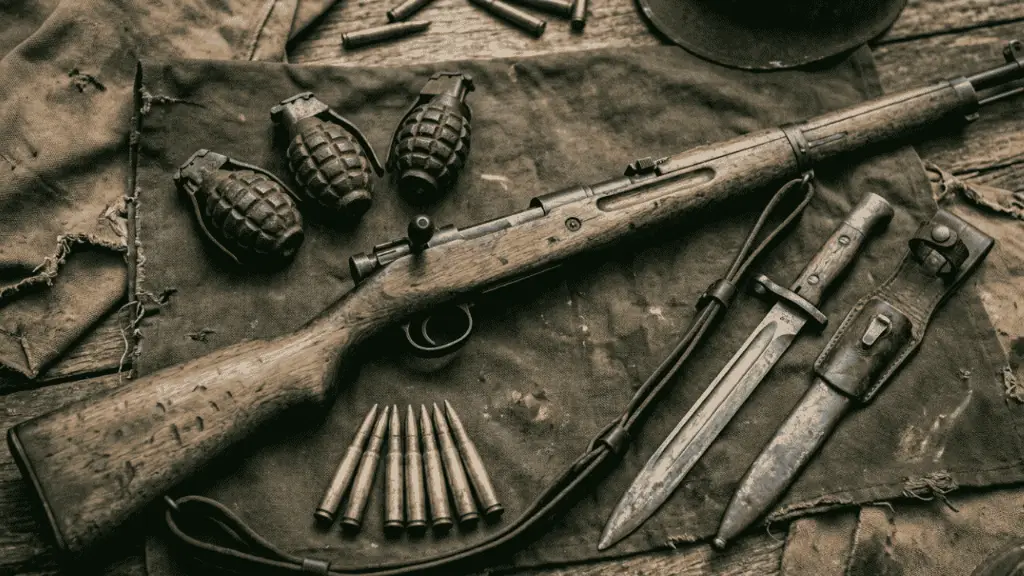
He had maintained every piece of equipment with extraordinary care. His rifle still worked perfectly after nearly three decades in a tropical jungle.
The Philippine government, moved by his story, chose to pardon him for the acts of violence he had committed during his long vigil. Onoda returned to Japan as a national figure — a symbol of both incredible discipline and the brutal cost of unwavering loyalty.
A Legacy That Still Sparks Debate
Hero or Victim?
Hiroo Onoda’s story forces a difficult question. Was he a hero defined by his extraordinary dedication? Or was he a victim — trapped by an ideology that refused to let him come home?
For many, the answer is both. He followed his orders with a conviction most people will never understand. In addition, he survived conditions that would have broken almost anyone.
However, his campaign also cost lives. Local Filipino villagers and police officers died during his long years of jungle warfare. That part of the story is often overlooked in the romance of his survival tale.
The World He Returned To
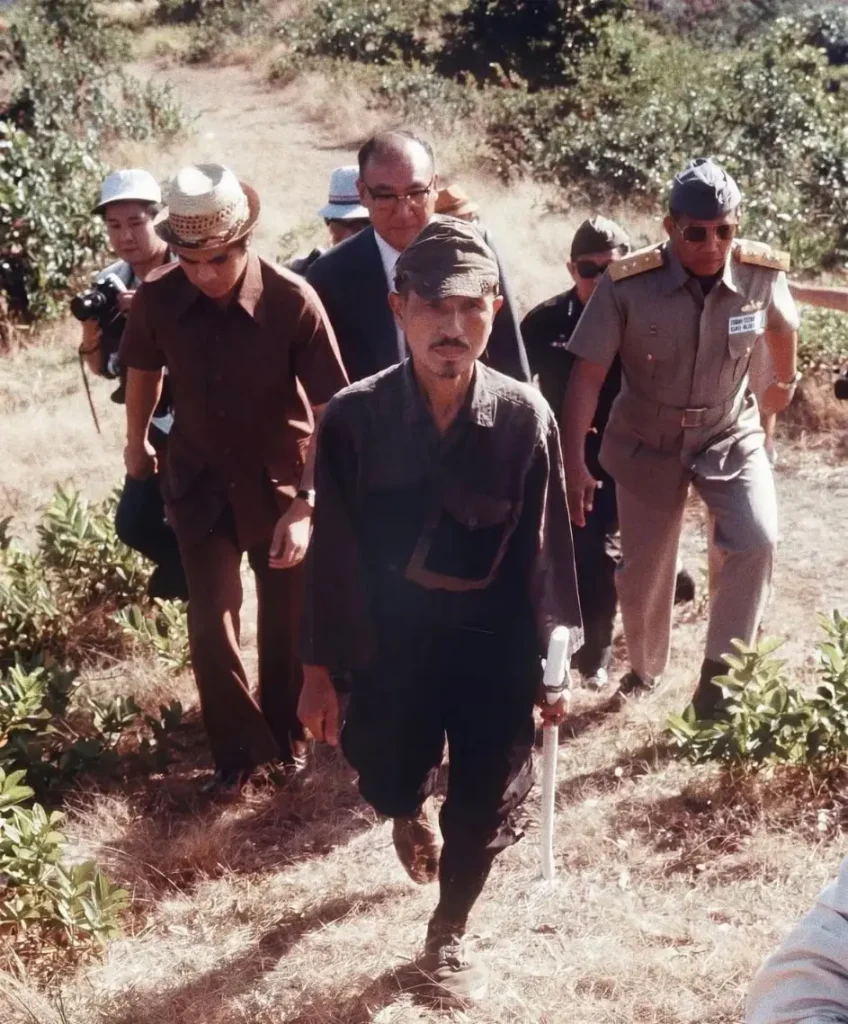
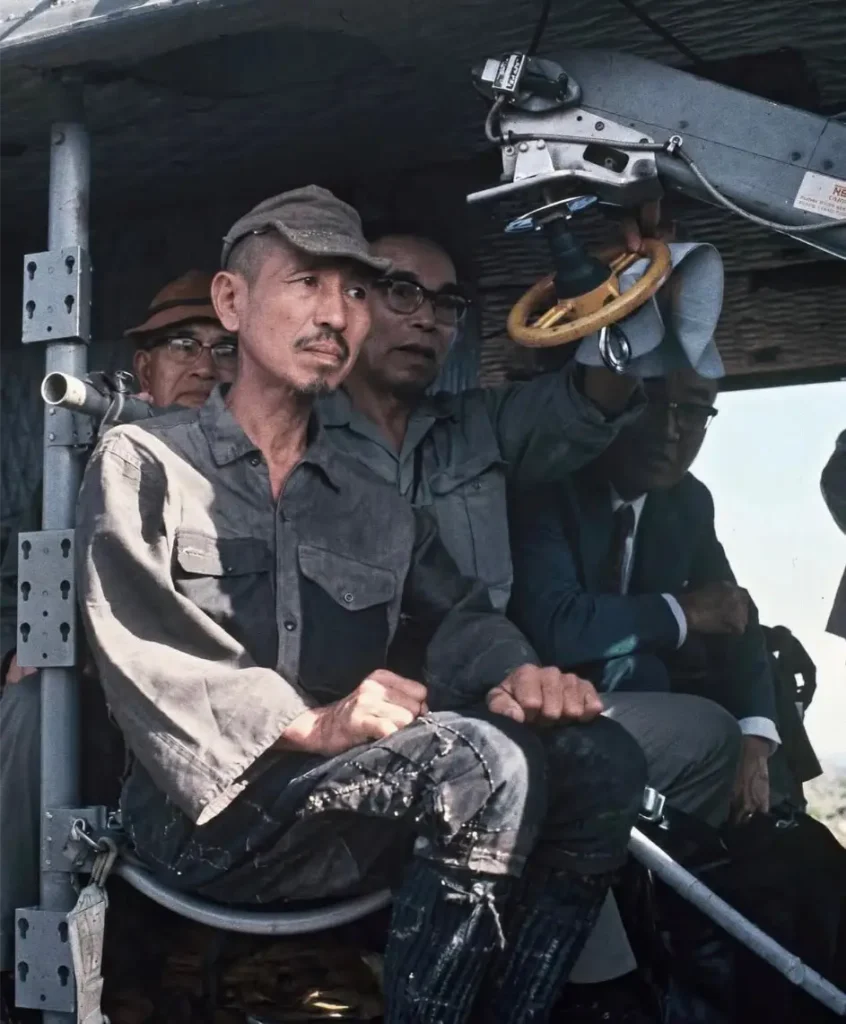
Stepping into 1974 after living mentally in 1944 must have been a profound shock. Onoda walked out of the jungle into a Japan that had been completely rebuilt — a modern economic powerhouse barely resembling the country he had left behind as a young soldier.
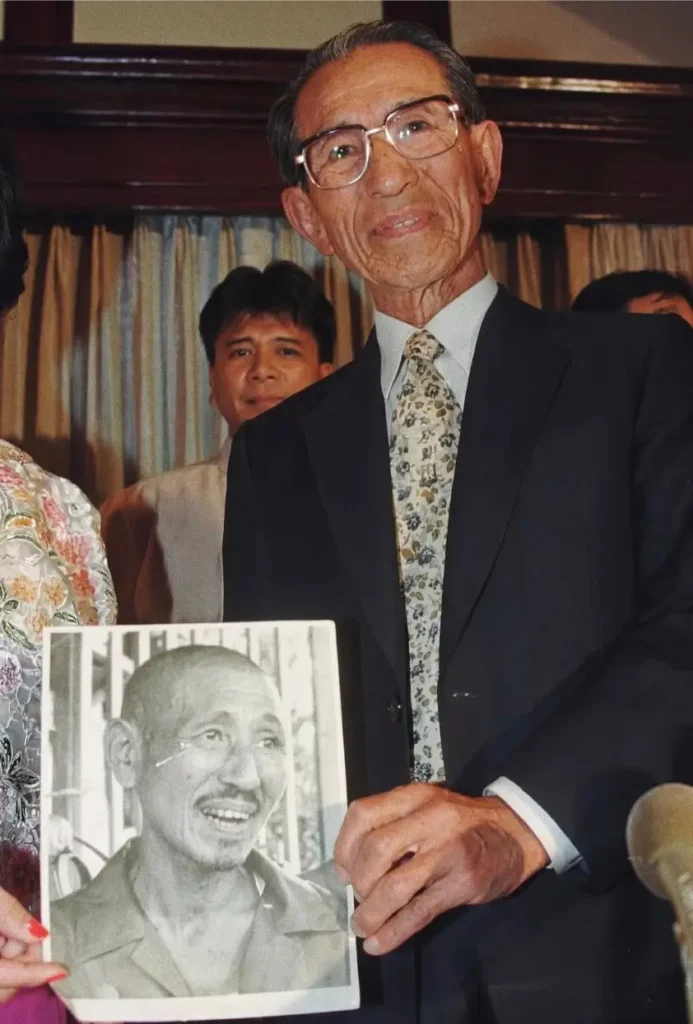
Afterward, he struggled to adjust. He eventually emigrated to Brazil, where he ran a cattle ranch for many years. Later returned to Japan and spent much of his remaining life running a nature school for young people, teaching survival skills and self-reliance.
He passed away in January 2014 at the age of 91.
Conclusion: The Enduring Story of Hiroo Onoda
The story of Hiroo Onoda is more than a war story. It is a deeply human story about what happens when belief overrides reality — and how a single promise from a commanding officer can shape an entire life.
For nearly 30 years, he lived in a jungle and fought a war the world had moved on from. He did not do it out of stubbornness alone. He did it because he genuinely believed it was the right thing to do.
His story reminds us how powerful loyalty can be — and how devastating it becomes when that loyalty has no one left to answer to.
Hiroo Onoda finally came home. It just took the rest of the world a very long time to bring him back.