
The Man Who Told a King the Truth — And Paid With His Life
Patrice Lumumba served as the first democratically elected Prime Minister of the Republic of the Congo. During the 1960 independence ceremony, he delivered a speech criticizing Belgian colonial atrocities. His commitment to Congolese resource control led Western powers to orchestrate his removal only months after he took office.
Lumumba was captured and executed in early 1961 through a conspiracy involving several international governments. His assassination was followed by decades of political instability and foreign-backed dictatorship. Lumumba remains a prominent symbol of anti-colonialism and the historical struggle for African self-determination and sovereignty over natural wealth.
Most people have never heard the name Patrice Lumumba. On June 30, 1960, one man stood before the Belgian king, met his gaze, and spoke words that resonated across the globe.
It was Congo’s independence day. The cameras were rolling. The world was watching.
And within 60 days, three Western governments were already planning his murder.
This is the story of Patrice Lumumba — Africa’s first democratically elected Prime Minister, a man who dared to dream of freedom, and the empire that crushed him before he could deliver it.
The Dark Legacy of Belgian Congo
Before we talk about Lumumba, we need to talk about what Belgium did in Congo.
Very few people know that the Belgian Congo stands as one of the most brutal colonial regimes in recorded history. Belgium imposed a system of forced labor, torture, and systematic terror on the Congolese people for decades.
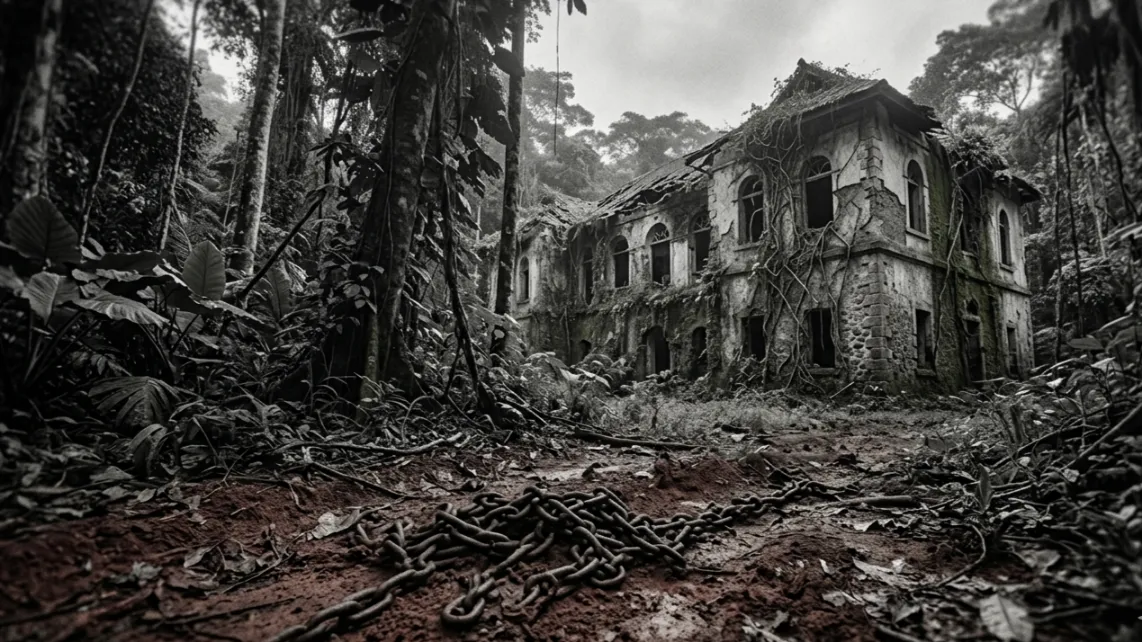
Workers who failed to meet rubber quotas had their hands chopped off. Villages were burned. Families were held hostage. Millions died.
However, the world largely looked away — and history books in the West rarely give this chapter the attention it deserves.
Congo also sits on top of an estimated $24 trillion worth of mineral resources — cobalt, coltan, diamonds, uranium, and more. That number is not a coincidence. It explains everything that followed.
The Speech That Changed Everything
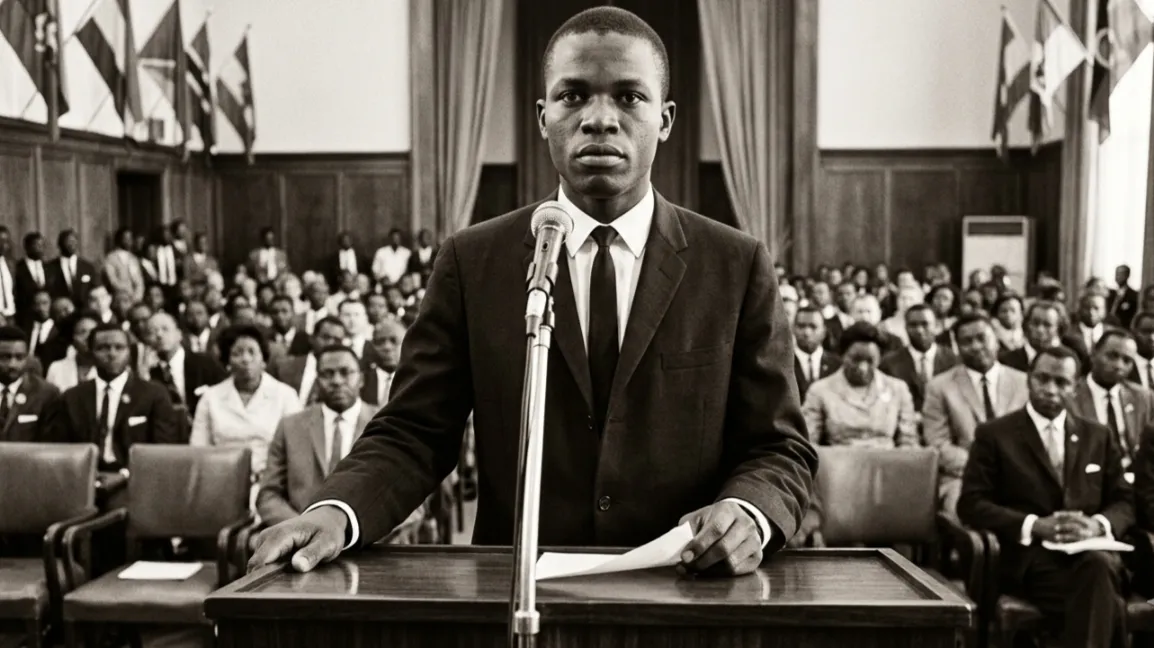
On the day of Congo’s independence, Belgian King Baudouin sat in the front row, expecting a polite ceremony. What he got instead was the truth — delivered without apology.
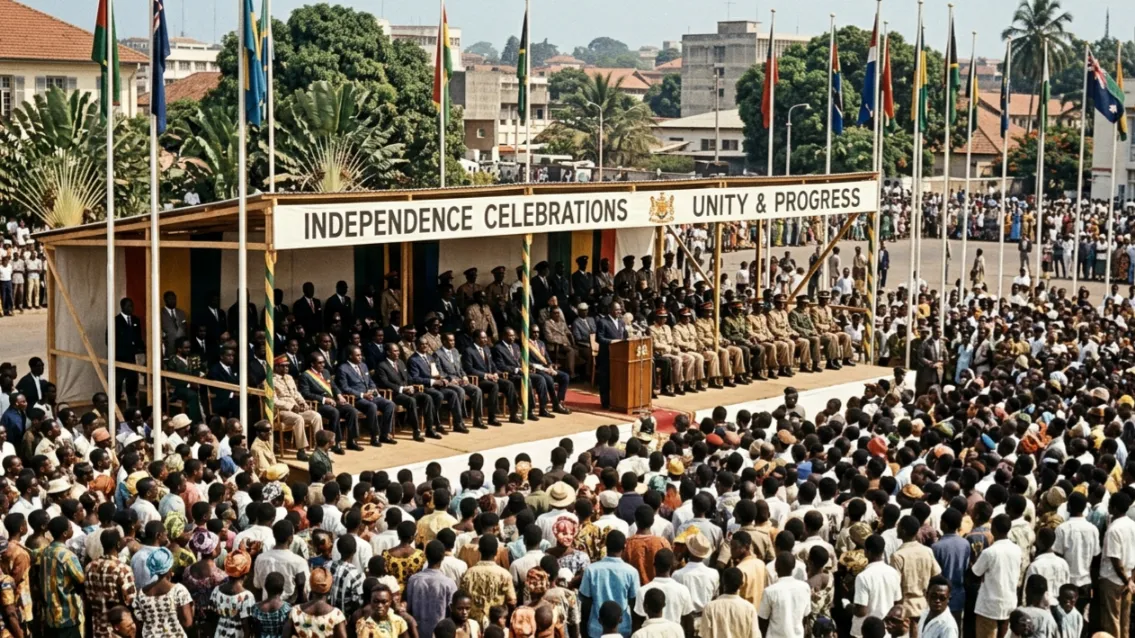
Patrice Lumumba stepped to the microphone and said:
“No Congolese worthy of the name will ever forget that independence was won in struggle… We have known the back-breaking work extracted from us in exchange for wages that did not allow us to satisfy our hunger… We have known the beatings we had to undergo morning, noon and night, because we were Black.”
The hall fell silent. The king sat frozen.
No African leader had ever spoken like this in front of a European monarch on the world stage. Meanwhile, diplomats shifted uncomfortably in their seats.
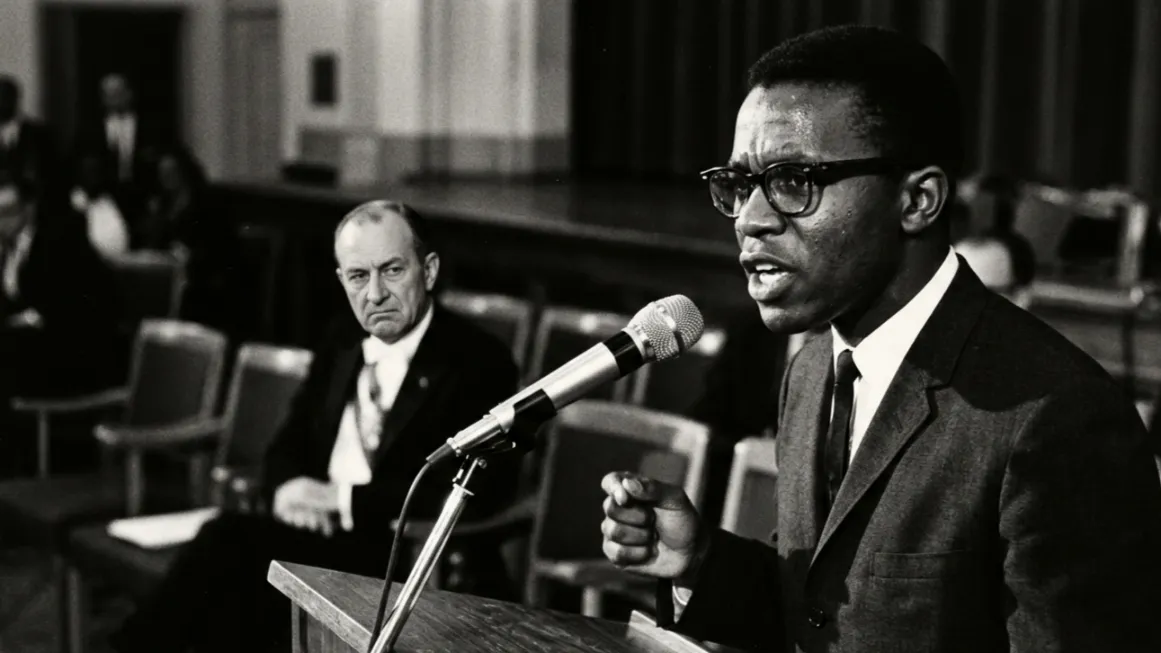
Lumumba then turned to his own people and made a promise:
“We will show the world what a free Black man can do. We will make Congo the pride of Africa.”
He never got the chance.
The Western Powers Move Fast
Lumumba’s time as Prime Minister lasted just two and a half months.
That’s not a typo.
Within weeks of independence, the United States, Belgium, and Britain had already begun plotting to remove him — permanently.
The CIA’s Role
In August 1960 — just 60 days after Congo’s independence — U.S. President Dwight D. Eisenhower discussed plans to eliminate Lumumba during a National Security Council meeting. The U.S. State Department officially confirmed this in 2013. The meeting records still exist today.
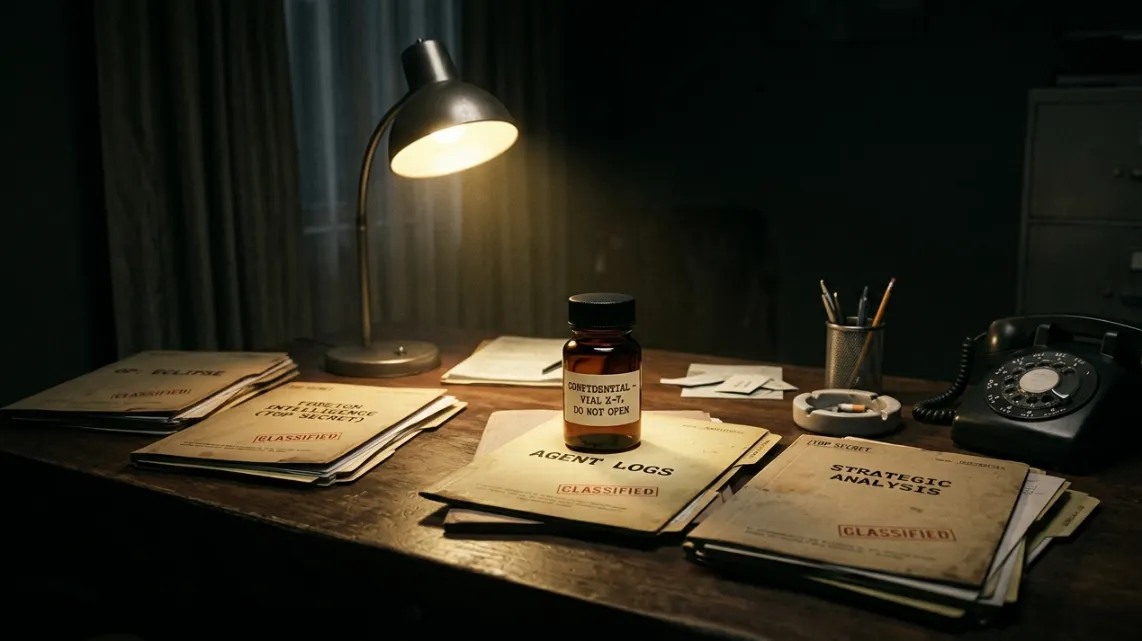
The CIA allocated $100,000 specifically to have Lumumba assassinated. CIA chemist Sidney Gottlieb personally flew to Congo carrying a vial of poison with orders to slip it into Lumumba’s toothbrush or food.
Because of this, the man who had just led his country to independence was now being hunted by the world’s most powerful intelligence agency.
Britain’s Written Confession
Britain played its part too.
Howard Smith, who later became the head of MI5, wrote in an internal memo:
“In my view there are two possible solutions to this problem. The first and more drastic is to arrange for Lumumba’s removal from the scene by killing him.”
This wasn’t speculation. It wasn’t a fringe opinion. It was official government thinking — written down, filed, and archived.
Why Did They Want Him Dead?
Lumumba believed Congo’s resources should benefit the Congolese people — not foreign corporations.
That single belief made him a threat.
The Cold War gave Western powers the perfect cover. They labeled him a Communist sympathizer. They painted him as dangerous and unstable. In addition, they worked behind the scenes to turn his own government against him.
The Assassination of Patrice Lumumba
On January 17, 1961, Patrice Lumumba was executed by a firing squad after enduring severe torture.
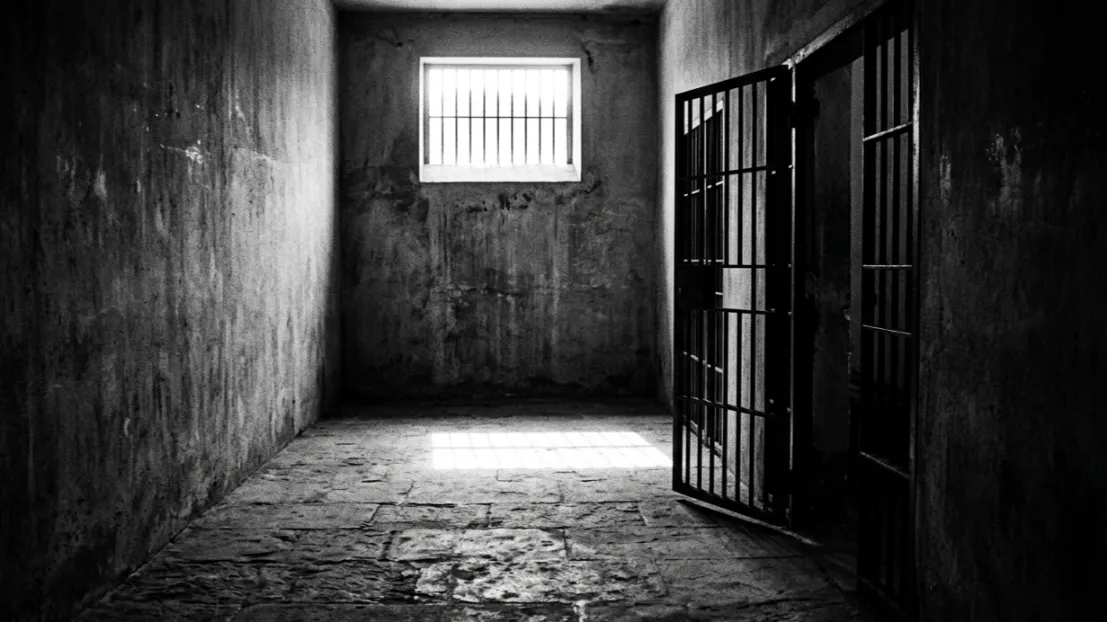
Before his death, his captors forced him to eat the very pages of his own independence speech.
Afterward, his body was dismembered and dissolved in acid to destroy all evidence. A Belgian officer kept Lumumba’s gold tooth as a “trophy” for several decades. That tooth was finally returned to his family in 2022 — more than 60 years later.
He was 35 years old.
The Last Letter to His Wife
Even in his final hours, Lumumba’s spirit remained unbroken.
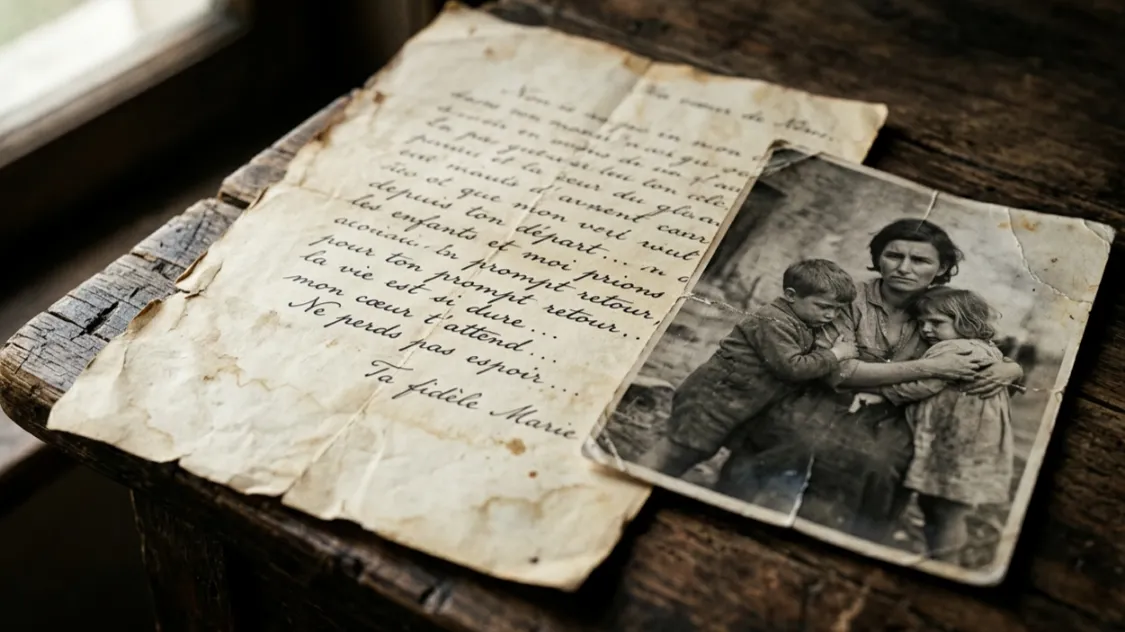
In his last letter to his wife, Pauline, he wrote:
“History will one day have its say.”
He was right. History is speaking now.
The Tuskegee Syphilis Study: A Dark Chapter in Medical History
What Happened to Congo After Lumumba?
Following Lumumba’s assassination, the West installed Mobutu Sese Seko — a dictator who ruled for 32 years, looted the country, and kept it in chains while foreign companies extracted its wealth.
Congo has never experienced lasting political stability since that January night in 1961. Armed conflict, poverty, and resource exploitation have continued for over six decades.
This was not an accident. It was the plan.
Why Patrice Lumumba Still Matters Today
Lumumba’s story is not just African history. It’s world history.
It forces us to ask uncomfortable questions about how “democracy” and “freedom” were sold to the public while the same governments secretly murdered elected leaders who didn’t serve their interests.
Three major Western powers conspired to kill Africa’s first elected Prime Minister before his first hundred days in office — and not one of them faced any consequences.
Eventually, Belgium offered an official apology in 2002. The U.S. has never formally apologized.
For example, Congo today remains one of the poorest nations on Earth — despite sitting on top of a quarter of the world’s cobalt supply. The minerals in your smartphone likely passed through those mines.

Lumumba didn’t just lose his life. Congo lost its future.
Conclusion
Patrice Lumumba stood in front of a king and told the truth. He believed in his people, his country, and the power of freedom. However, the world’s most powerful governments saw him not as a leader, but as an obstacle.
They silenced him. But they couldn’t erase him.
His words, his courage, and his vision survived. And today, more people than ever are learning his name — and asking the questions that powerful governments hoped we never would.
History has spoken. The question is: are we listening?