
An Indian pilot landed in Pakistan during the 1965 Indo-Pak war
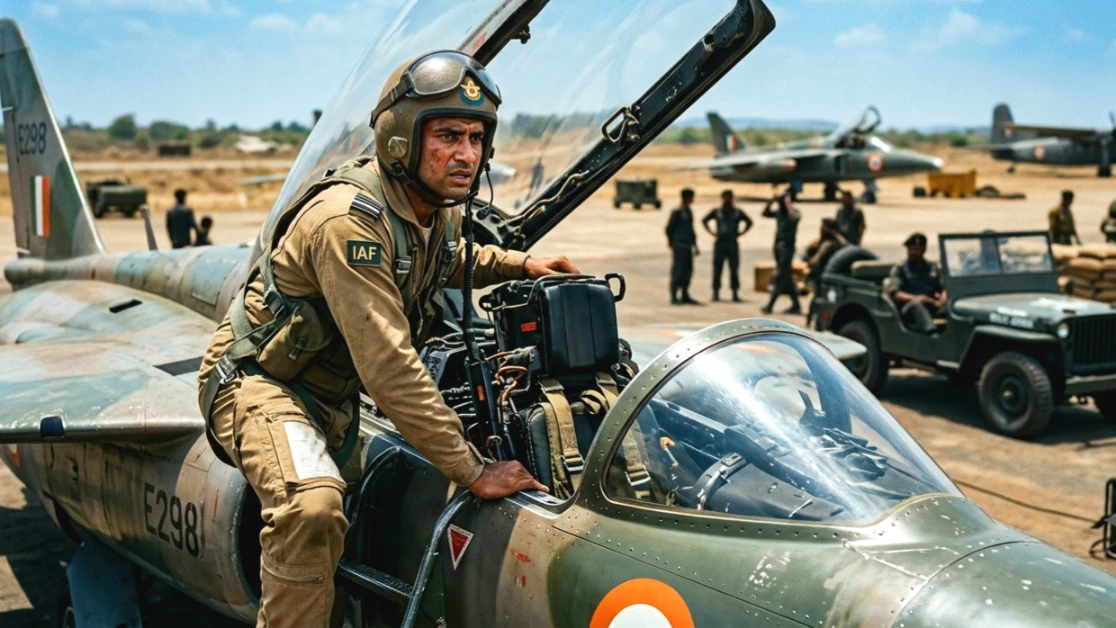
During the 1965 Indo-Pakistani War, Squadron Leader Brijpal Singh Sikand accidentally landed his Folland Gnat fighter jet at a Pakistani airfield due to navigational failure. Pakistani forces captured the intact aircraft. Sikand became a prisoner of war before eventually returning to India and rising to the rank of Air Marshal.
The captured aircraft served as a resource for Pakistani engineers and remains on permanent display at the Pakistan Air Force Museum in Karachi. It stands as a unique historical artifact from the conflict, representing a significant navigational error that resulted in the loss of a fully operational fighter jet.
Imagine flying a fighter jet during wartime, spotting a runway below, and landing with relief — only to step out and realize you’ve just handed your aircraft to the enemy.That’s exactly what happened to Squadron Leader Brijpal Singh Sikand on September 3, 1965. And his mistake would end up on permanent display in a museum, thousands of miles from where he ever expected it to sit.
A Dogfight Over the Skies of Pakistan
The 1965 India-Pakistan war had just erupted. Pakistan’s Operation Grand Slam pushed toward the Akhnoor bridge, and India scrambled its air power to respond.
Eight Folland Gnat fighters from India’s 23 Squadron flew low to avoid radar and landed at Pathankot. Sikand commanded one formation of four.
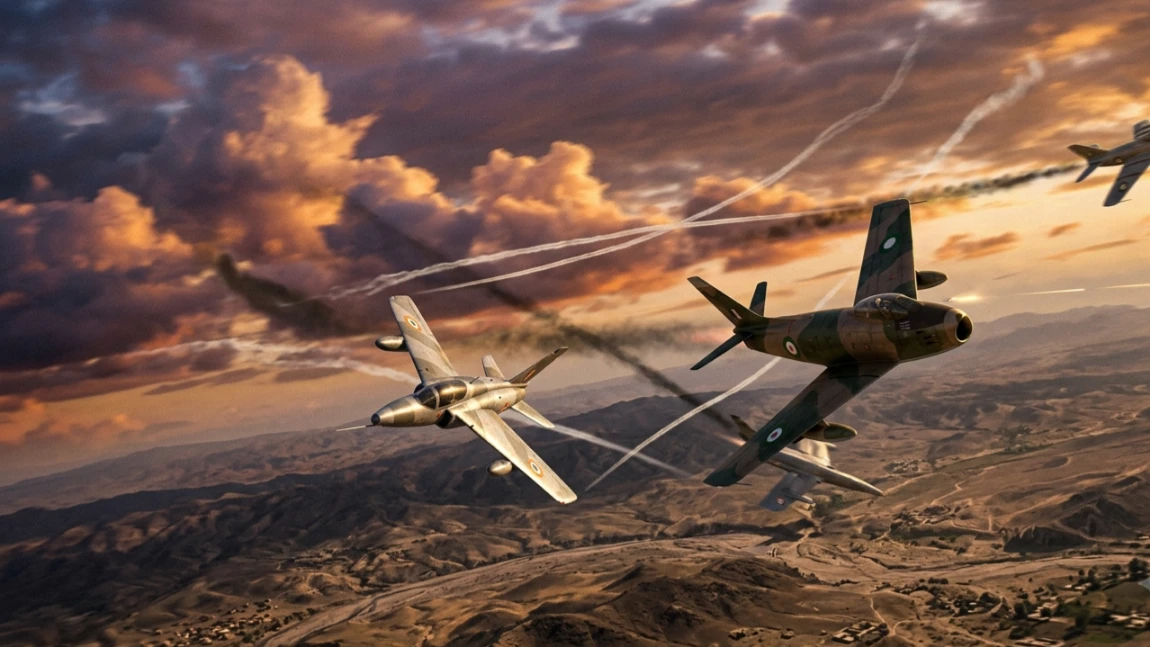
Then came the dogfight. Indian pilot Trevor Keelor fired on a Pakistani Sabre jet, marking the first aerial kill of the war for India. Chaos followed, and in the confusion, Sikand’s Gnat fell out of formation.
Separated, Low on Fuel, and Lost
Sikand later said a faulty compass and radio threw off his bearings. However, he explains that the outcome was the same: he was alone, running low on fuel, and unsure exactly where he was.
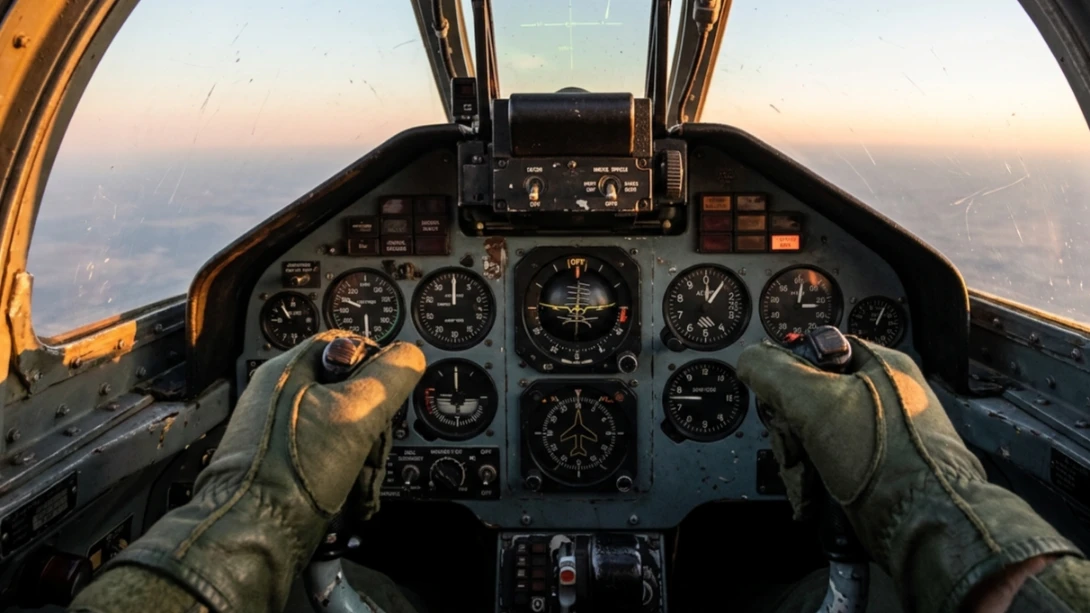
Every second mattered. A fighter jet without fuel doesn’t get a second chance.
Then, through the cockpit glass, Sikand spotted something that looked like salvation: an empty runway stretching out below him.
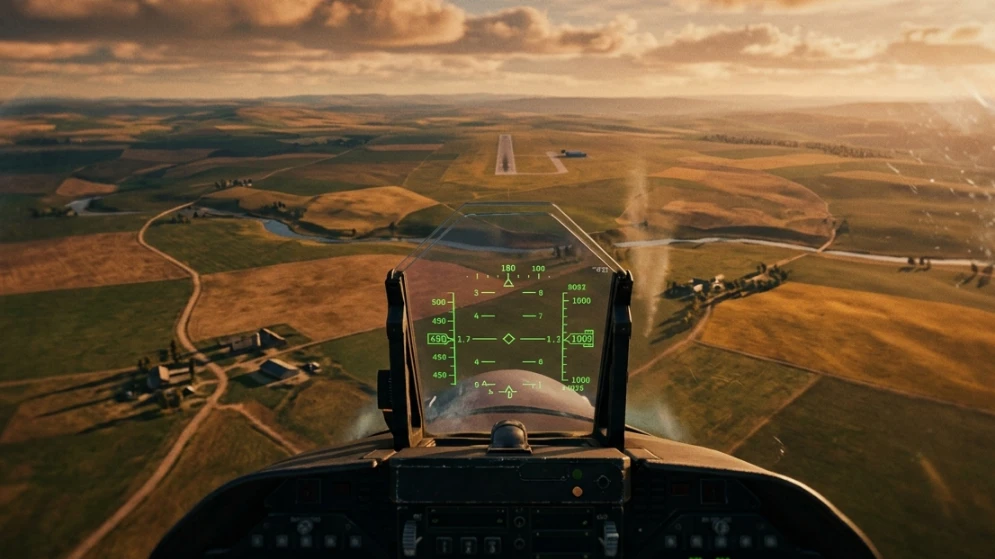

The Landing That Changed Everything
Relieved, Sikand brought his Gnat down onto the strip. The engine cut. The cockpit opened.
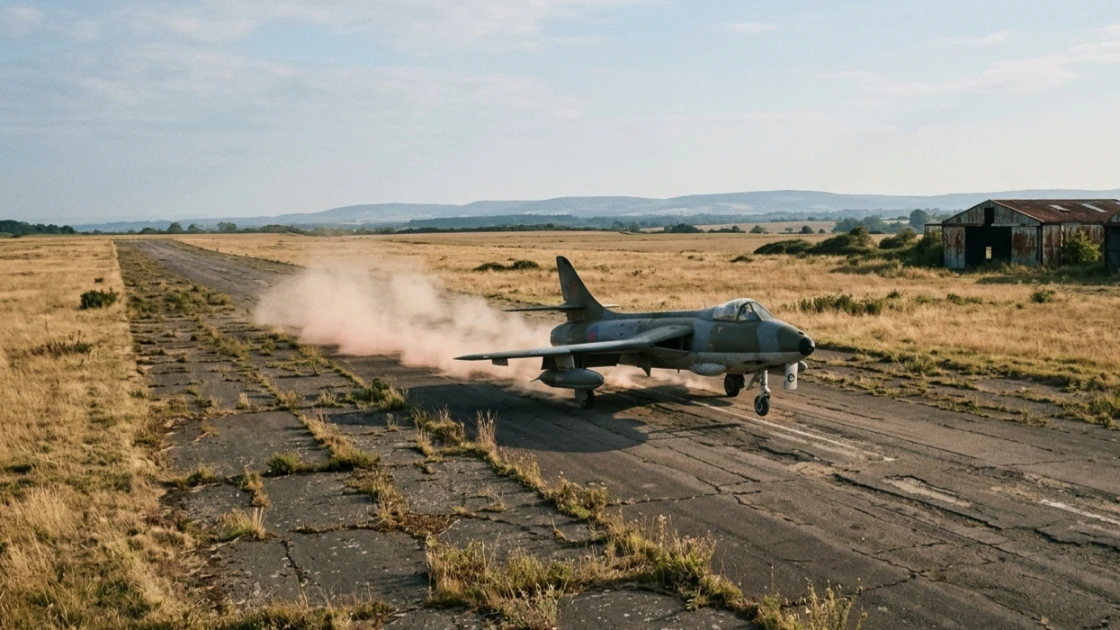
He climbed out expecting Indian soil under his boots.
Instead, he saw military jeeps. And the uniforms on the soldiers standing near them weren’t Indian.
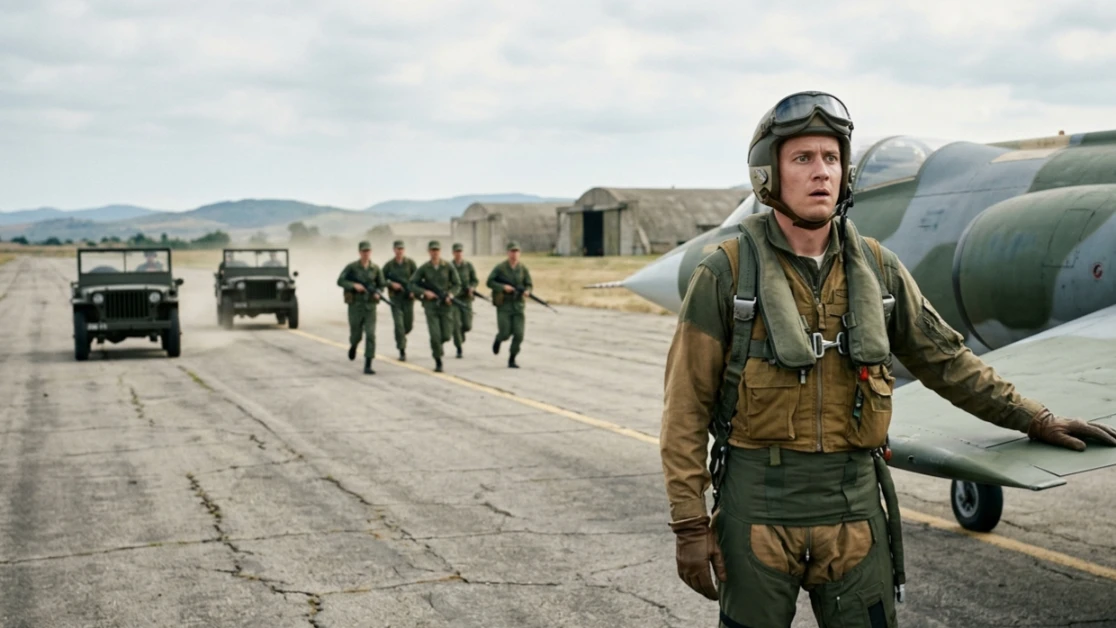
Sikand had landed at an abandoned airstrip near Pasrur, deep inside Pakistan. Pakistani troops watched, equally stunned, as an unmistakably Indian aircraft touched down on their territory in broad daylight.
Brijpal Singh Sikand Becomes a Prisoner of War
Pakistani forces moved quickly. Sikand was taken into custody, and his aircraft — fully intact — became one of the rarest war trophies either side would claim during the entire conflict.
Pakistan Air Force engineers didn’t waste the opportunity. They inspected the Gnat, flew test flights with it, and studied it as a working example of Indian aviation technology.
Meanwhile, the war raged on without him. Fierce tank battles at Chawinda and dogfights across Sialkot and Lahore would define the seventeen-day conflict that followed.

A Story With an Unusual Ending
Sikand spent months as a prisoner of war. As a result of the broader diplomatic settlement reached after the war, prisoner exchanges eventually took place in early 1966, and Sikand returned home.
He didn’t fade into obscurity. In an outcome few would have predicted after such a costly error, Sikand went on to rise through the ranks of the Indian Air Force, eventually becoming an Air Marshal.
His Gnat never went home with him.
The Aircraft That Stayed Behind
Today, Sikand’s Folland Gnat still sits inside the Pakistan Air Force Museum in Karachi. It remains one of the most unusual exhibits from the entire 1965 war — a fully intact enemy fighter jet, captured not through combat, but through a navigational error at the worst possible moment.
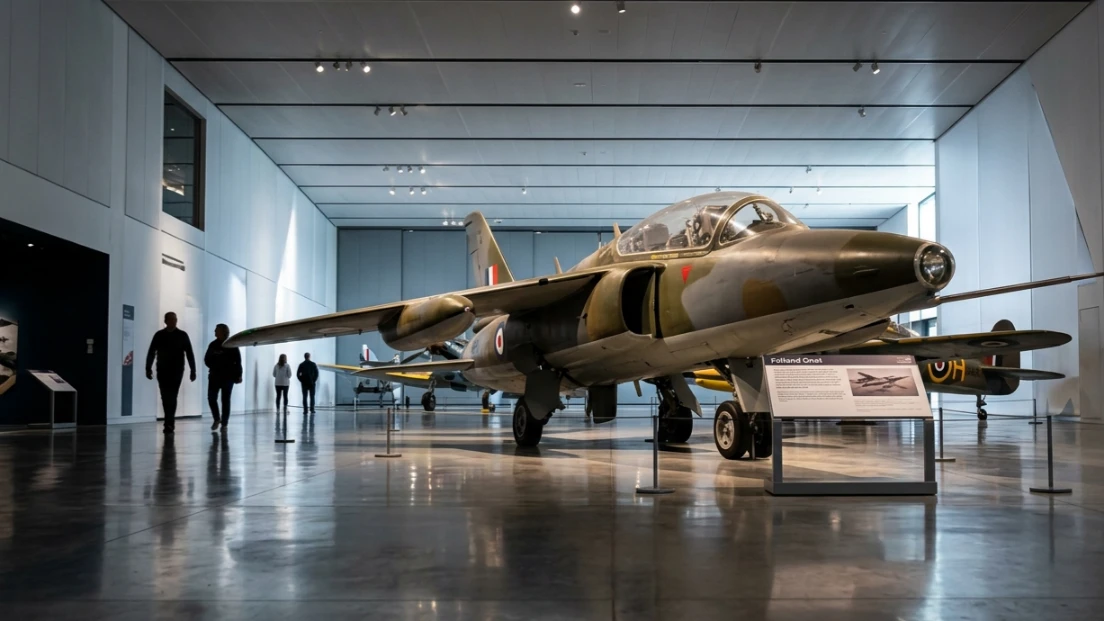
Visitors walking past it rarely know the full story: a pilot searching for safety, a runway that promised relief, and a mistake that turned Brijpal Singh Sikand’s aircraft into a permanent symbol of one of the war’s strangest twists.
The Ganga Hijacking: India’s False Flag That Split Pakistan
Final Thoughts
The story of Brijpal Singh Sikand is a reminder that history’s most memorable moments aren’t always born from grand strategy. Sometimes they come down to a tired pilot, a failing compass, and a runway that looked like home but wasn’t.
Decades later, his aircraft still tells that story — silently, from behind museum glass in Karachi.