
The Forgotten Story of Lucknow’s 1920 Municipal Election
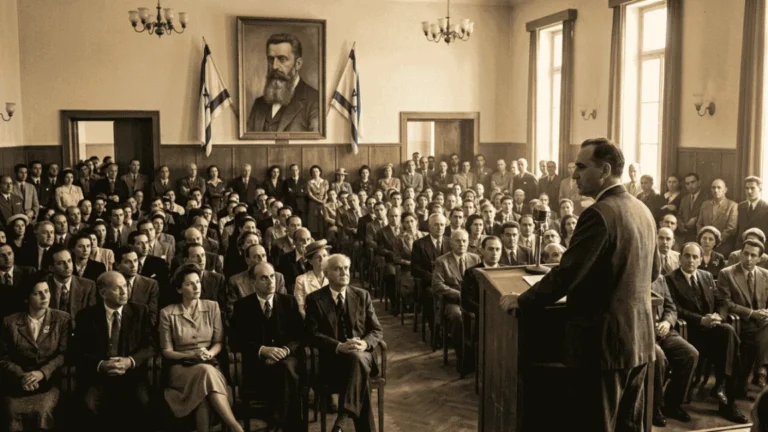
The 1920 Lucknow Municipal Corporation election featured an unusual contest between Hakim Shams-ud-Din, a respected physician, and Dilruba, a popular courtesan. Running as independent candidates, their rivalry became famous for witty campaign slogans. While the physician eventually won the seat, the election is remembered for its humor and civility.
The contest inspired satirical poetry and remains a notable example of South Asian political history. Dilruba’s gracious concession and sharp wit highlighted a unique period where personal reputation and public charm defined local politics. Such events illustrate the unpredictable and often theatrical nature of historical independent municipal elections.
A slogan painted on a wall doesn’t usually survive a century. But one did.
It came from a battle no history book prepared you for. On one side stood a respected physician. On the other stood one of the city’s most famous courtesans. Between them, an entire city picked sides — with wit, not weapons.
This is the story of the 1920 Lucknow election, a contest so strange and so charming that people still repeat its slogans today.
A City Without Party Lines
In 1920, Lucknow was gearing up for its Municipal Corporation elections. There was one unusual detail that shaped everything that followed.
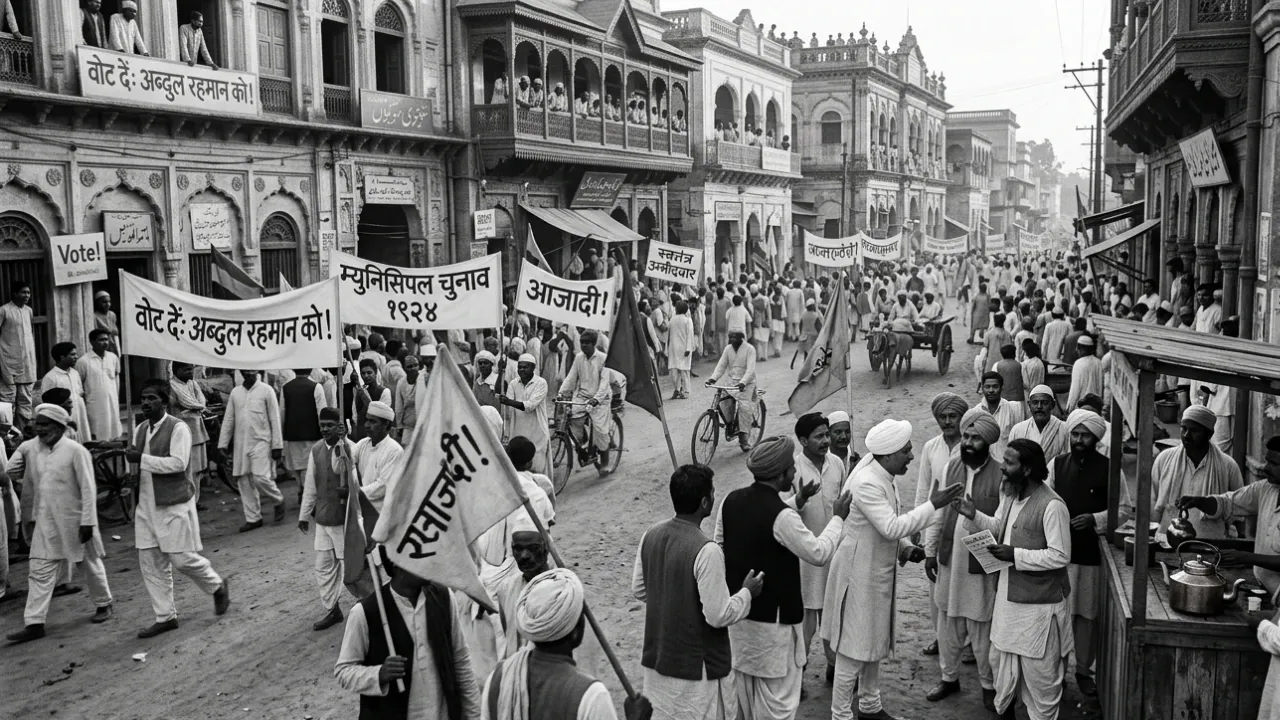
No political party had issued tickets to candidates that year. As a result, the field was wide open. Independent candidates from every walk of life stepped forward, each hoping to win a seat on their own merit and reputation.
Among them was a well-known local hakim, a traditional physician trusted throughout the city for his medical skill. His name was Hakim Shams-ud-Din.
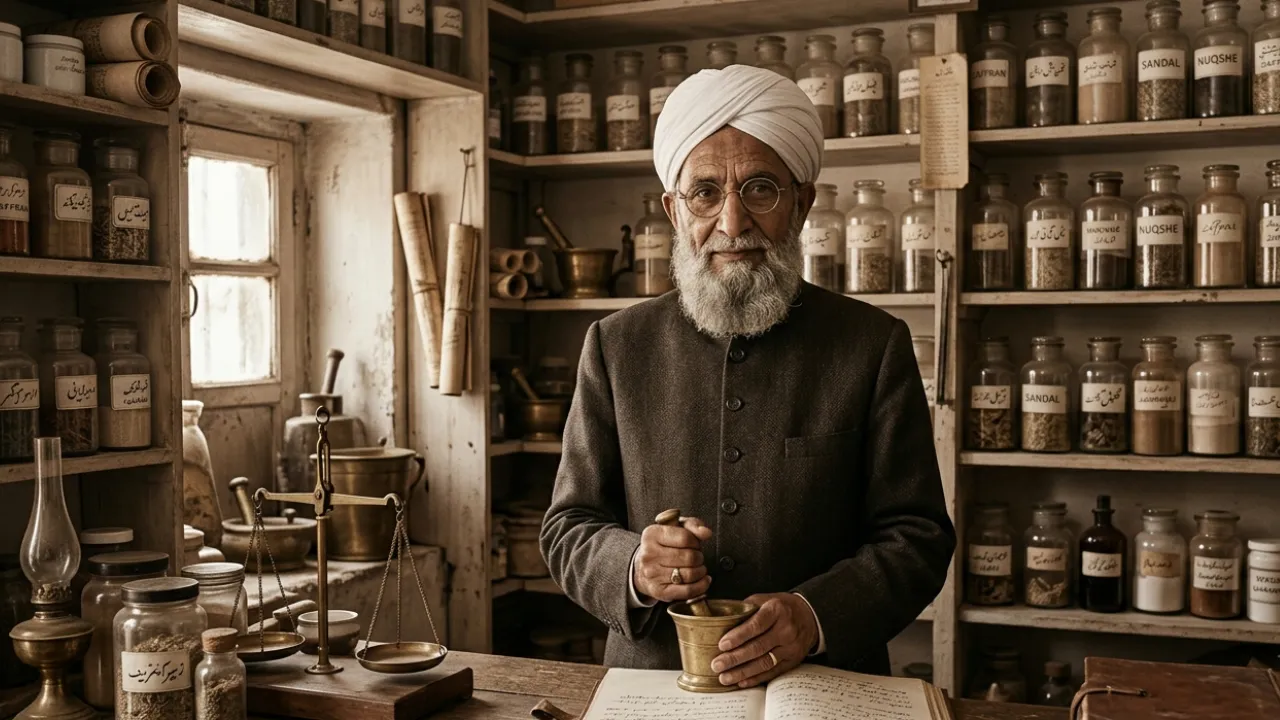
He expected a fairly ordinary contest. He did not expect his most memorable rival to come from outside the world of medicine or politics altogether.
Enter Dilruba, the People’s Favourite
A famous courtesan named Dilruba announced her own candidacy for the same seat.
This was no small move. Dilruba was already a well-known figure in Lucknow’s cultural circles, admired for her charm and popularity. Her decision to contest turned a routine municipal race into the talk of the town.
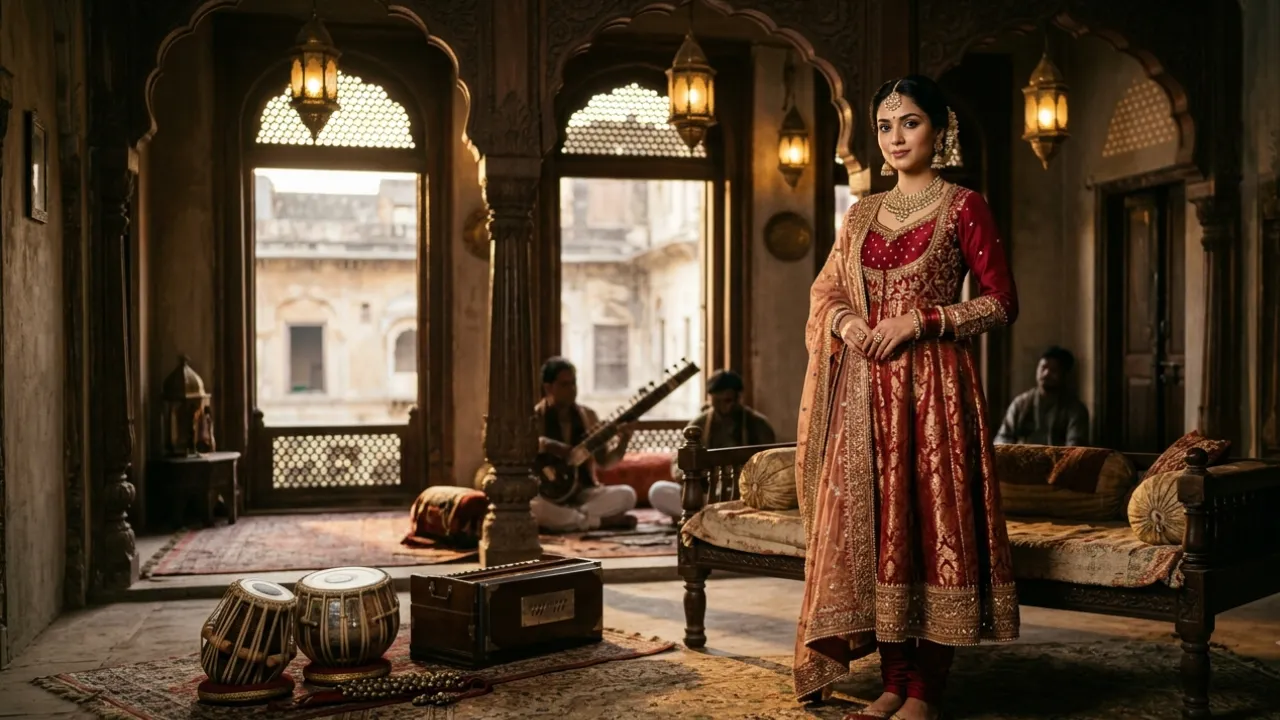
Suddenly, Lucknow had two candidates who represented two completely different worlds. One offered medicine for the body. The other offered admiration for the heart. Voters had a genuinely unusual choice to make.

The Slogan War That Lucknow Never Forgot
What made this election unforgettable wasn’t policy or manifesto. It was wordplay.
Dilruba’s supporters struck first. They painted a clever, teasing slogan across the city walls:
“Vote for Dilruba, but keep your pulse with Shams-ud-Din!”
It was witty, a little cheeky, and impossible to ignore. Naturally, the hakim’s camp refused to stay silent. In response, they countered with their own version:
“Give your heart to Dilruba, but give your vote to Shams-ud-Din!”
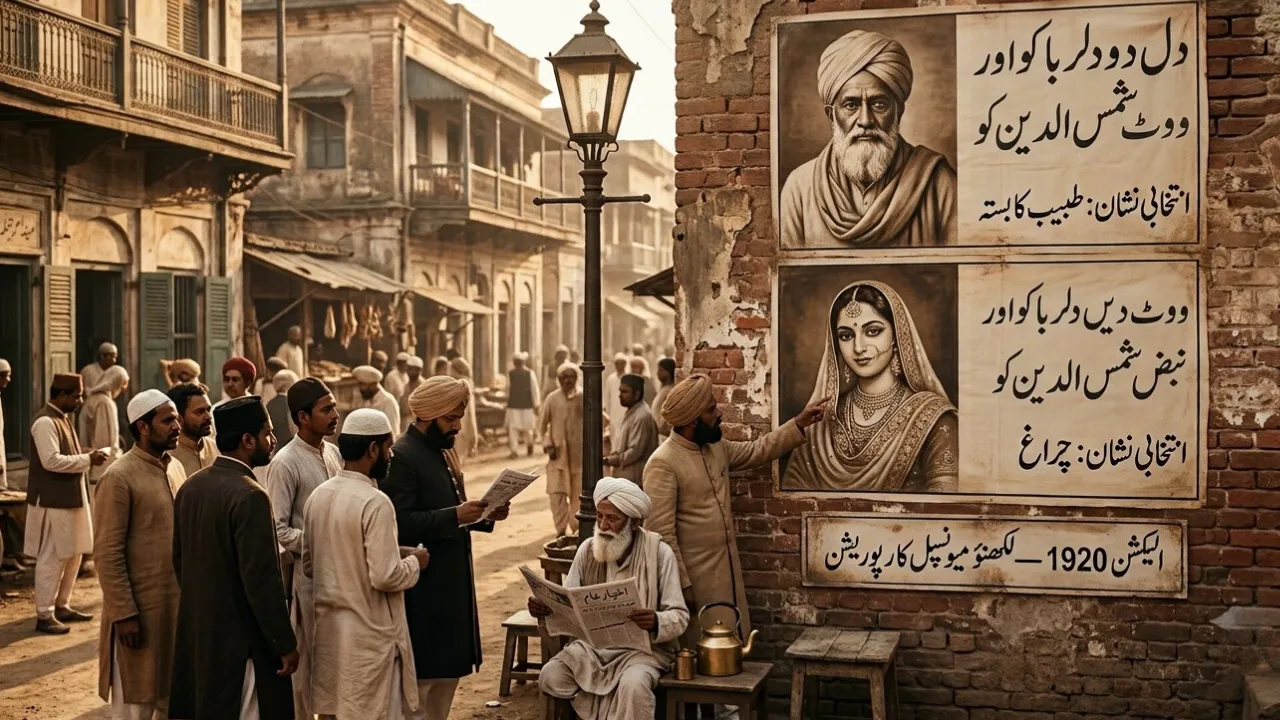
Because of this back-and-forth, the entire city found itself reciting rival slogans in tea stalls, bazaars, and mushairas. The election had become street theatre.
A Poet Captures the Moment
The humour of the contest didn’t escape the writers of the time. The celebrated satirical poet Zareef Lakhnavi immortalised the episode in his poem “Shamat-e-Election” (The Curse of the Election).
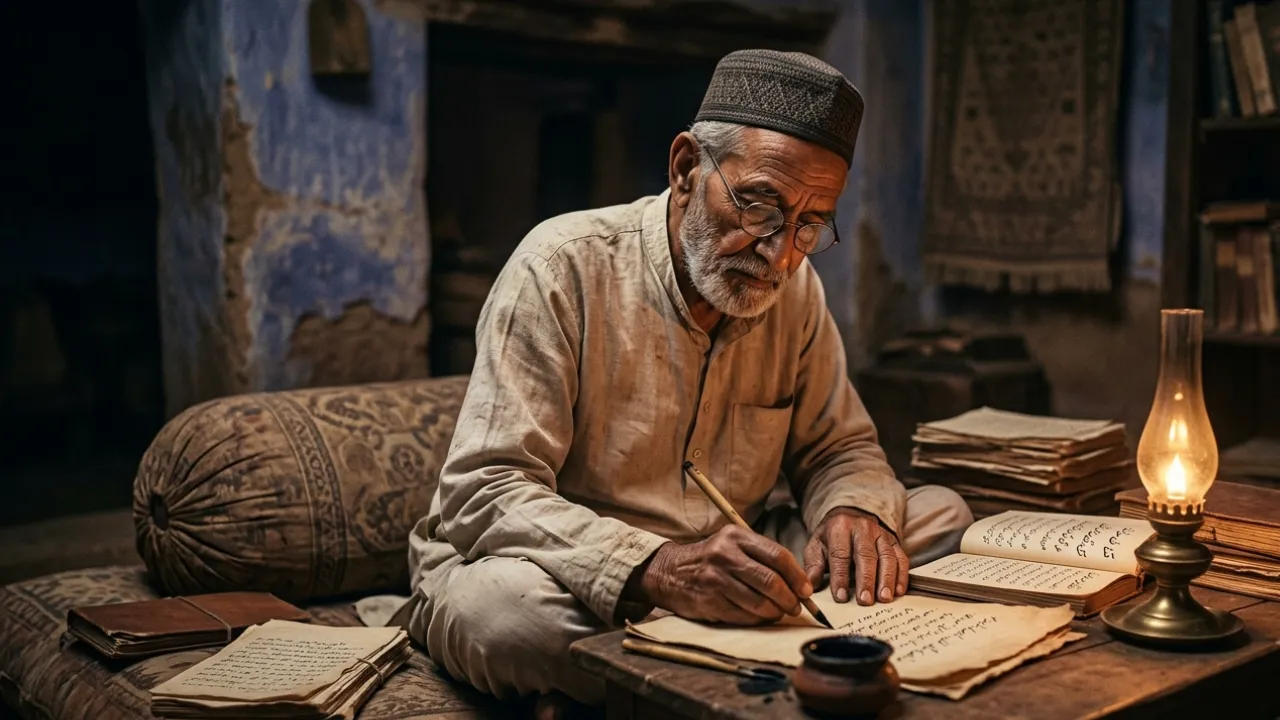
In it, he wryly observed how the age of political freedom had created such disorder that even gender roles in language now seemed to compete on equal footing — a sharp, funny jab at how unusual this rivalry looked to Lucknow’s traditional society.
The Result — and a Line for the Ages
Eventually, the votes were counted. Hakim Shams-ud-Din won the seat. Dilruba lost.
What happened next became the most quoted part of the entire story. Dilruba, gracious in defeat, went to congratulate the hakim in person. Ever quick-witted, she reportedly told him:
“It seems Lucknow has more patients than admirers.”
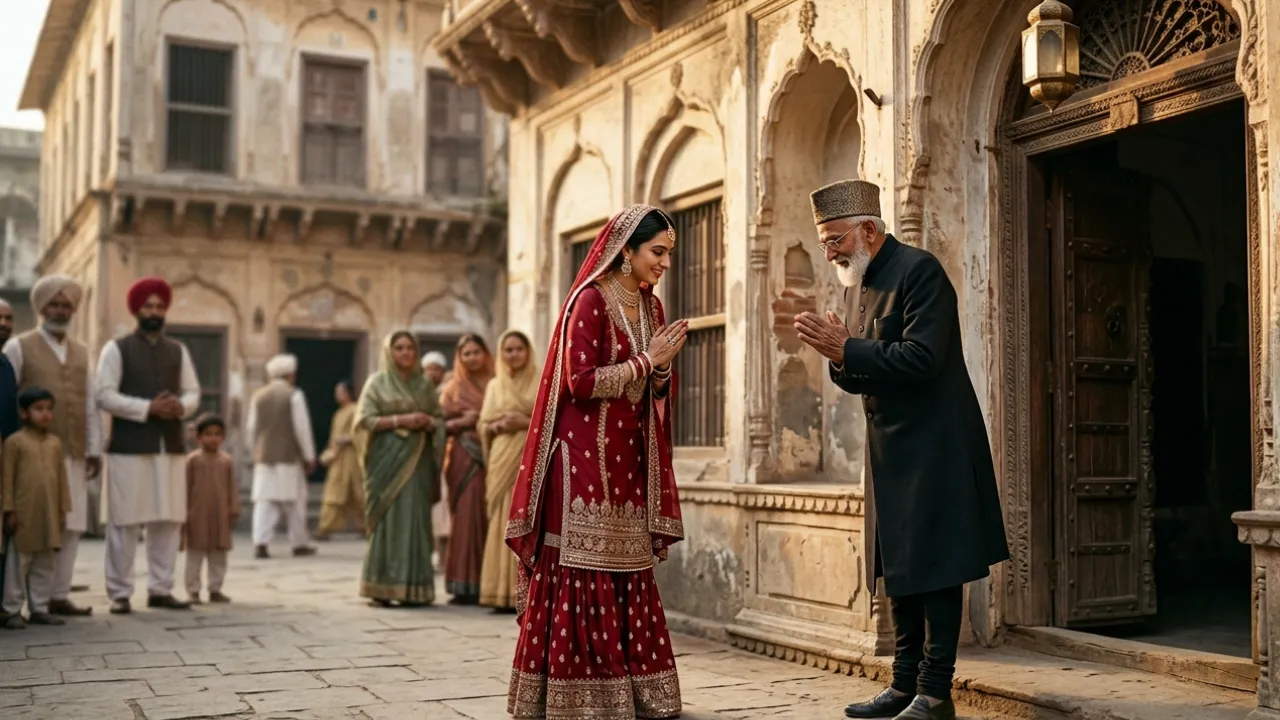
The line was sharp, self-aware, and instantly memorable — proof that she may have lost the election, but she never lost her wit.
History Repeats Itself in Dera Ismail Khan
Interestingly, this was not the only time such an unusual rivalry played out in South Asian politics.
Decades later, in the 1997 general elections in Pakistan, a similar scene unfolded in Dera Ismail Khan. A prominent religious and political leader found himself contesting against a well-known film actress from that era.
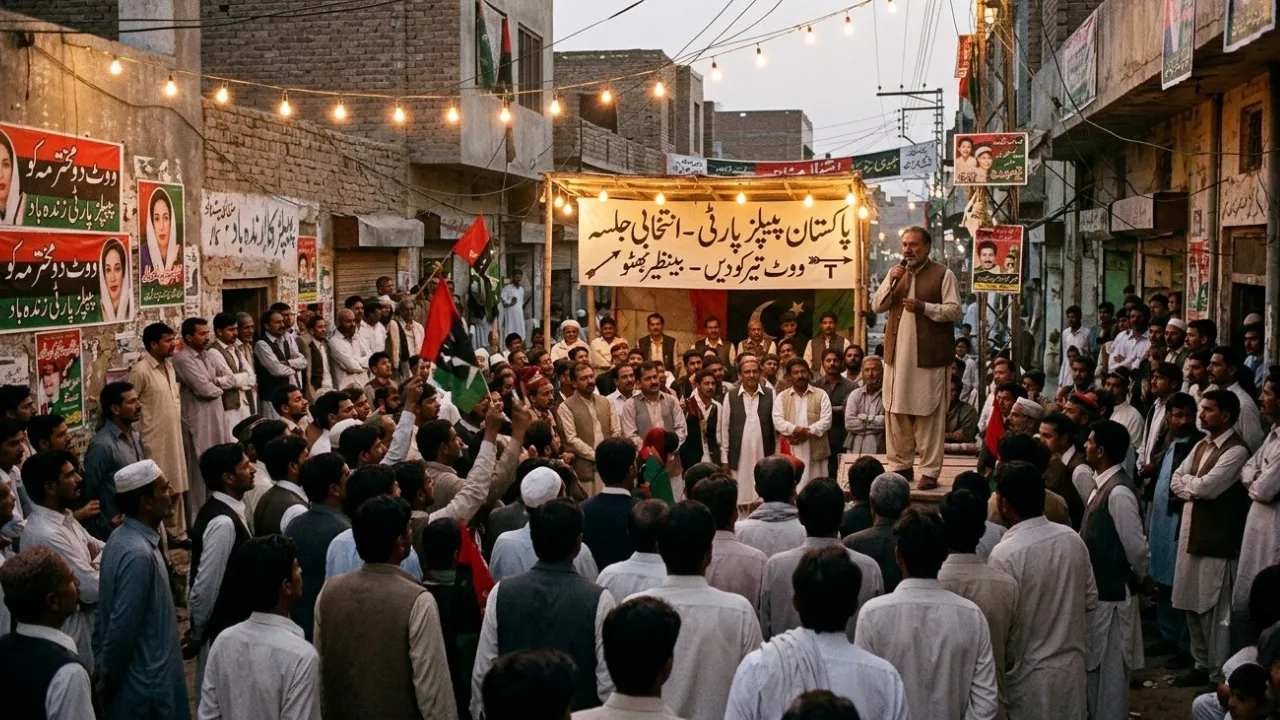
On one side stood the influence of traditional politics. On the other stood the glamour of cinema. However, in an ironic twist, neither candidate won. A third contender quietly took the seat while both high-profile rivals were defeated.
The Guy Goma BBC Interview Mix-Up: The Most Accidental Live TV Moment in History
Conclusion: Why the 1920 Lucknow Election Still Matters
The 1920 Lucknow election wasn’t remembered for policies or promises. It was remembered for humour, humanity, and a city’s ability to turn political rivalry into shared entertainment.
It’s a reminder that history isn’t only made of wars and treaties. Sometimes, it’s made of two rival slogans painted on the same wall — and a courtesan’s parting line that outlived the ballot box itself.
Politics may change with every era, but one thing stays the same: the public’s mood is impossible to predict, and history never stops finding new ways to surprise us.