

Joyce Carol Vincent: Dead for 3 Years, No One Noticed
Joyce Carol Vincent was a sociable London professional who died alone in her flat in late 2003. Her remains were not discovered until January 2006, over two years later. During that time, her television remained on and automated utility payments prevented her absence from being detected earlier.
The discovery prompted widespread discussion regarding urban isolation and the breakdown of community ties. Vincent had gradually withdrawn from her social circles following personal struggles and family loss. Her story serves as a prominent example of how individuals can become invisible within densely populated modern cities.
A television flickered in a small London flat for years. Unpaid bills piled up quietly in the background. And no one — not a neighbor, not a friend, not a single soul in one of the busiest cities on Earth — noticed that the woman inside had stopped living.
When officials finally forced open the door of flat 503 above a shopping center in Wood Green, London, what they found would go on to haunt an entire nation. The story of Joyce Carol Vincent isn’t just a tragedy. It’s a warning about how easily a person can vanish in plain sight.
This is the story of how it happened — and why it still matters today.
Who Was Joyce Carol Vincent?
Joyce Carol Vincent was born on 19 October 1965 in Hammersmith, London. Her father worked as a carpenter, and the family traced its roots back to Grenada in the Caribbean.
By all accounts, Joyce grew into a striking and magnetic young woman. She was smart, sociable, and effortlessly stylish. Friends remembered her as someone who lit up a room — the kind of person you’d never expect to disappear.

She built a respectable career in London’s corporate world. Joyce worked as a secretary at prestigious firms, including Ernst & Young, and later held a position at a financial trading corporation. On paper, her life looked enviable.
But beneath the polish, something else was happening.
The Slow Unraveling of Her Relationships
At some point, Joyce began pulling away from the people closest to her. The reasons were deeply personal.
Her mother had died when Joyce was still a child, and her relationships with her siblings were never particularly close. According to those who knew her, this early loss left a mark that never fully healed.
Joyce was also fiercely independent — almost to a fault. When she eventually left her job, she didn’t tell the people around her. She simply let the silence grow.
For a period, she even stayed at a women’s shelter for survivors of domestic abuse. It’s a detail that hints at real emotional turmoil beneath her composed exterior. However, instead of reaching out for support, Joyce withdrew further.

Eventually, she cut off contact with the world almost entirely and settled into her small flat above Wood Green Shopping City — alone.

The Two and a Half Years No One Noticed
According to investigators, Joyce Carol Vincent passed away sometime in late December 2003. She was only 38 years old.
What happened after her death is what turned this into one of the most unsettling stories of modern urban life.
A Television That Never Stopped
When authorities finally broke into her flat in early 2006, the scene inside was chilling. Joyce’s remains were found on the sofa, near a television that had reportedly stayed switched on the entire time — running cartoons and daytime programming for roughly two and a half years straight.

Bills That Kept Paying Themselves
Meanwhile, Joyce’s utility bills continued to be paid automatically through direct debit. Her rent, electricity, and gas were settled on time, month after month. Because of this, neither her landlord nor any utility company ever suspected that something had gone terribly wrong.
A City That Never Stopped Moving
Outside her window, London carried on exactly as it always had. Shoppers filled the mall below. Shops opened and closed on schedule. Thousands of people passed within feet of her flat every single day.
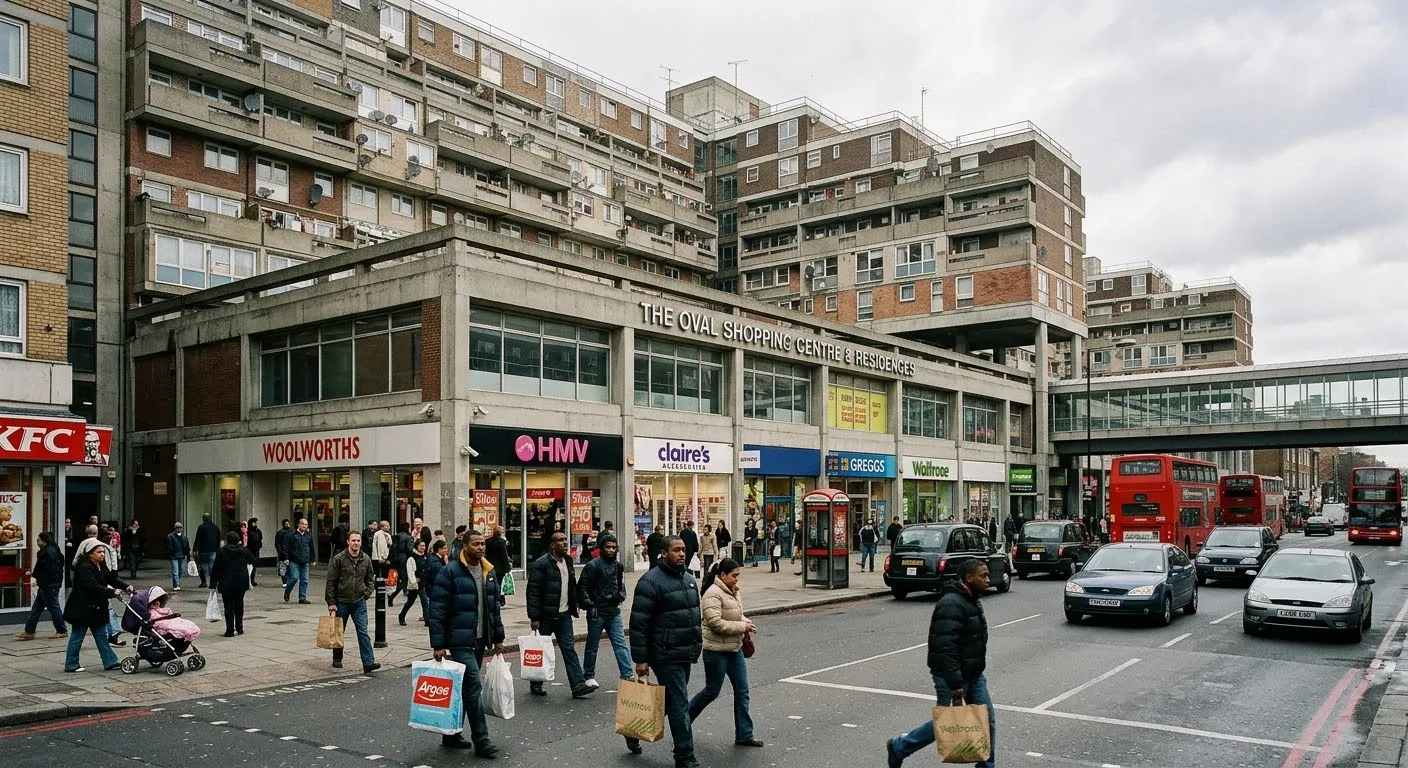
As a result, not one person noticed that a life had quietly ended just above their heads.
The Discovery That Shocked Britain
As time went on, the money in Joyce’s account eventually ran out, and unpaid debts began to accumulate. A housing association and debt collectors moved in to investigate.
In January 2006, bailiffs and police officers arrived at the flat with a court order to reclaim the property over rent arrears. What they found when they forced the door open was almost too disturbing to comprehend.
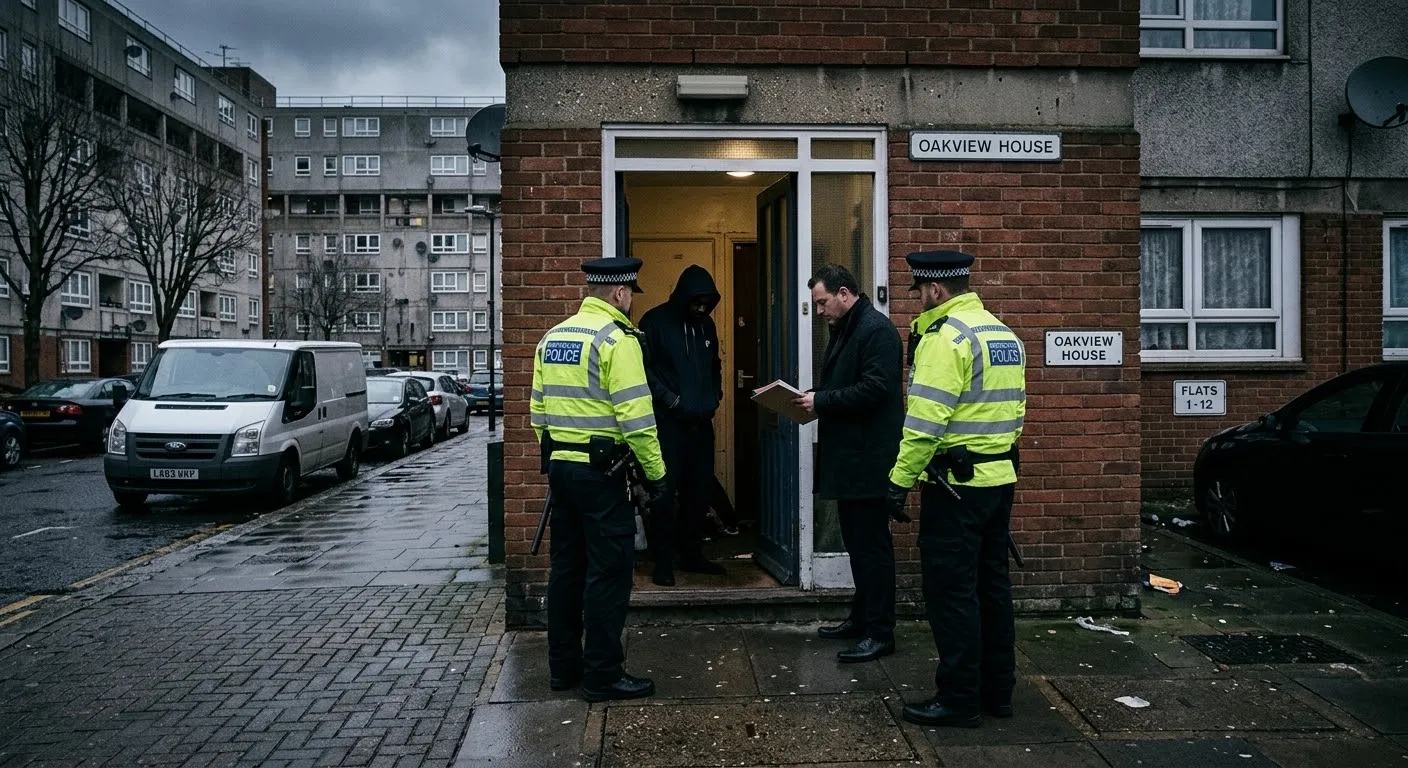
Joyce’s remains had decomposed so severely that identification was only possible through dental records and DNA testing. Nearby, investigators found Christmas presents — still wrapped, still waiting for people who would never receive them.

What Joyce Carol Vincent’s Story Teaches Us
Joyce Carol Vincent’s death sent shockwaves through Britain and beyond, sparking difficult conversations about isolation in modern cities. In 2011, filmmaker Carol Morley told her story in the acclaimed documentary Dreams of a Life, reigniting public interest in how someone so vibrant could disappear so completely.
Urban Isolation Is a Real and Growing Danger
Technology has connected us more than ever before. Yet, paradoxically, genuine emotional closeness has often grown weaker. It’s entirely possible to live surrounded by millions of people and still feel completely, dangerously alone.

Relationships Matter More Than We Realize
Joyce’s story is a quiet reminder of how much the people around us truly matter. A single phone call or a simple check-in can sometimes make the difference between life and death.
No One Should Be Left Behind
Looking out for neighbors, friends, and family isn’t just kindness — it’s a responsibility we all share.
She was kidnapped and Buried Alive for 83 terrifying hours
Final Thoughts
The story of Joyce Carol Vincent remains one of the most haunting examples of how invisible loneliness can become, even in the middle of a crowded, modern city. She didn’t vanish into some remote wilderness — she disappeared in plain sight, surrounded by thousands of people who never looked closely enough.
Her story endures not because of how she died, but because of what her death reveals about the rest of us. In a world built on constant connection, it’s worth asking: who around you might be quietly slipping away — and would you notice in time?