
Walter’s Ditch: The Man Who Bought Back His Freedom
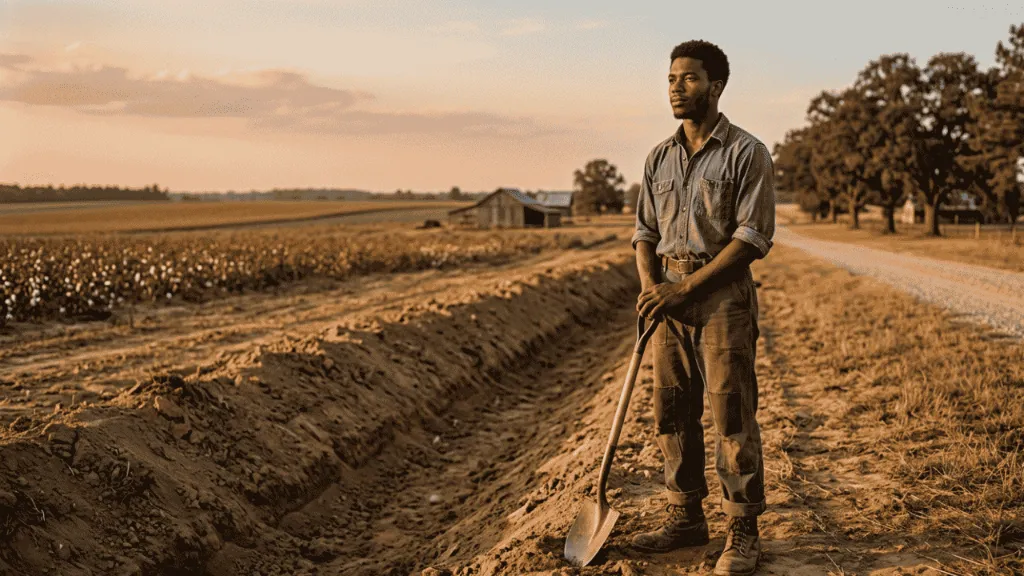
In 1943 Alabama, a young Black man named Walter was sentenced to a chain gang for allegedly stealing a chicken. During his imprisonment, he was forced to dig a ditch. Decades later, after years of saving his earnings, Walter purchased the land where he had performed his forced labor.
Walter built a home near the ditch, viewing it as a symbol of his resilience rather than his humiliation. Upon his death in 1989, he bequeathed the property to the county. The site now features a memorial commemorating his journey from a prisoner to a free landowner.
Some stories don’t shout. They whisper — and that’s exactly what makes them impossible to forget.
This is the story of Walter, a 19-year-old Black man in 1943 Alabama. It’s a story about injustice, patience, and one of the most quietly powerful acts of defiance in American history. Walter’s story of reclaiming his freedom is as relevant today as it was eight decades ago.
A Stolen Chicken. A Stolen Year.
In 1943, Alabama was a different world — especially if you were Black.
Walter was just 19 when authorities arrested him on a charge of stealing a chicken. No lengthy trial. No real justice. The court sentenced him to six months on a chain gang — a group of prisoners forced into brutal physical labor under the blazing Southern sun.
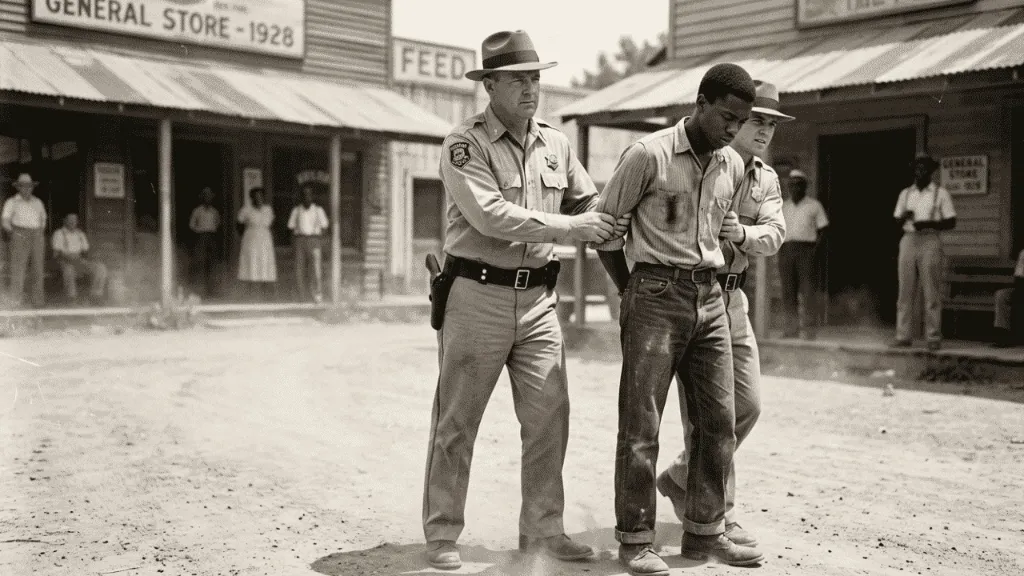
His assignment? Dig a long ditch through hard ground.
For six months, Walter drove a pickaxe into the earth. He broke stones. He hauled dirt. All the while, iron shackles bit into his ankles.
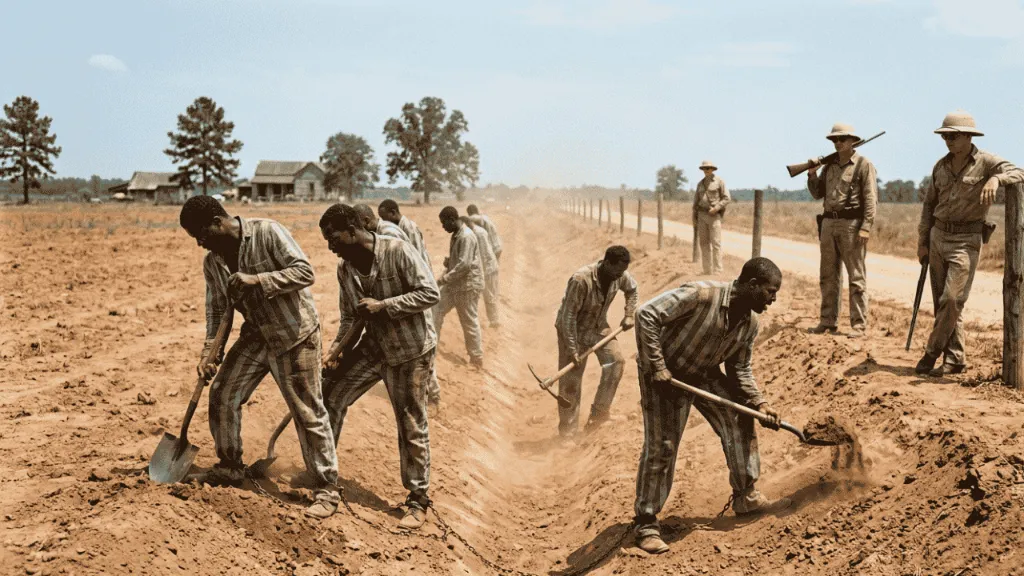
Every swing of that pickaxe was meant to break him.
Read about Hiroo Onoda: The Japanese Soldier Who Fought for 29 Years After World War II Ended
Freedom, But Not Forgetting
In 1944, Walter walked out of custody.
He was free — technically. However, the image of that ditch never left him. It stayed in his chest like a stone, heavy and permanent.
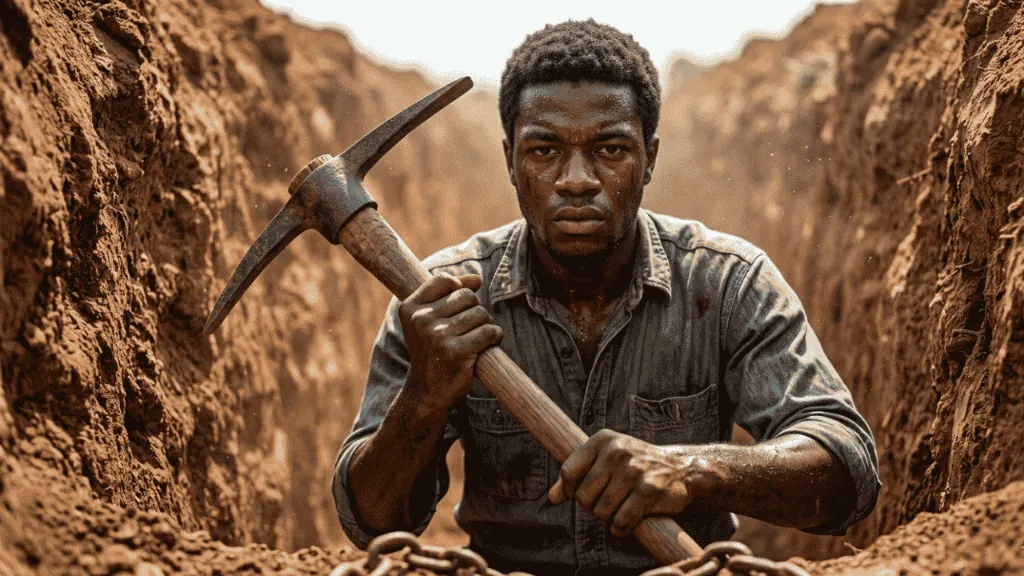
Most people would have tried to forget. Walter chose to remember.

Thirty Years of Quiet Work
After his release, Walter got to work — the kind of work no one forces you to do.
For the next 30 years, he labored honestly and saved every cent he earned. No shortcuts. No bitterness is eating him alive. Meanwhile, the world around him slowly began to change.
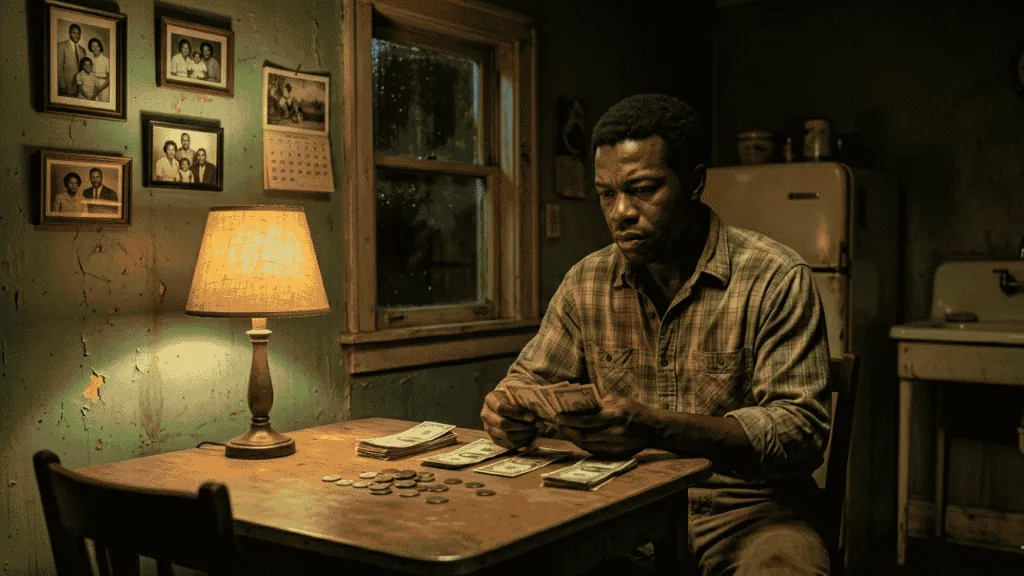
He kept his eyes on something most people didn’t even know he was watching.
The Day He Made His Move
In 1974, Walter received news that stopped him cold.
The land — the very plot of Alabama earth where he had dug that ditch in chains — was up for sale.
He made an offer.
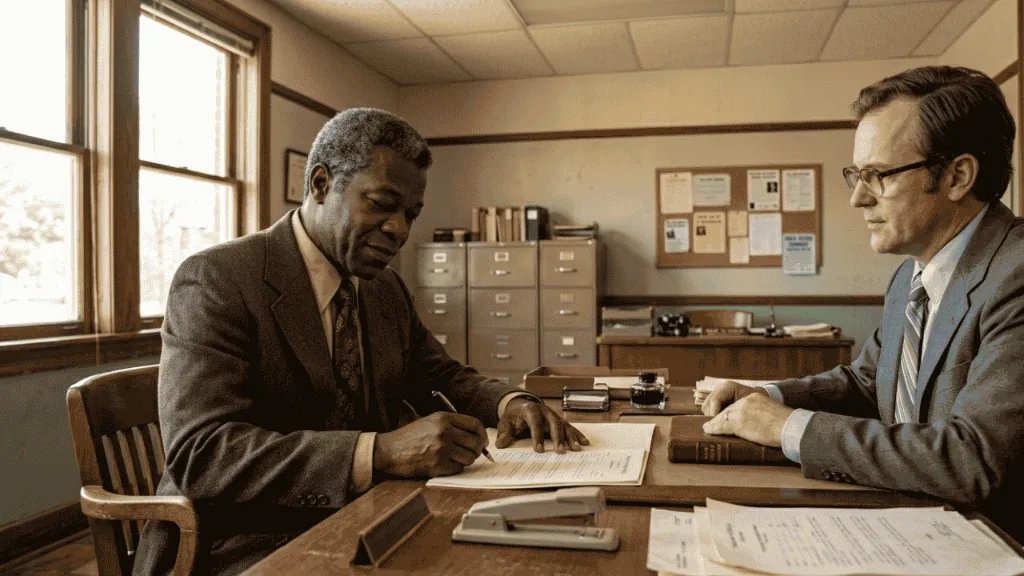
Eventually, after everything, the land became his.
Building a Life on Reclaimed Ground
Walter built a small house near that ditch. He didn’t fill it in. He didn’t hide it. Instead, he lived beside it for the rest of his life.
When people asked him why he kept the ditch, he gave them an answer they never forgot:

“They made me dig this ditch to break me. I bought this ditch to remind myself that they didn’t.”
Because of this simple act, Walter transformed a symbol of humiliation into a monument of personal strength. The ditch stopped being a wound. It became proof.
Walter’s Final Act of Defiance
Walter passed away in 1989.
In his will, he donated the land and the ditch to the county.
Afterward, the county filled in the ditch and placed a memorial plaque at the site. The words carved into it said everything:
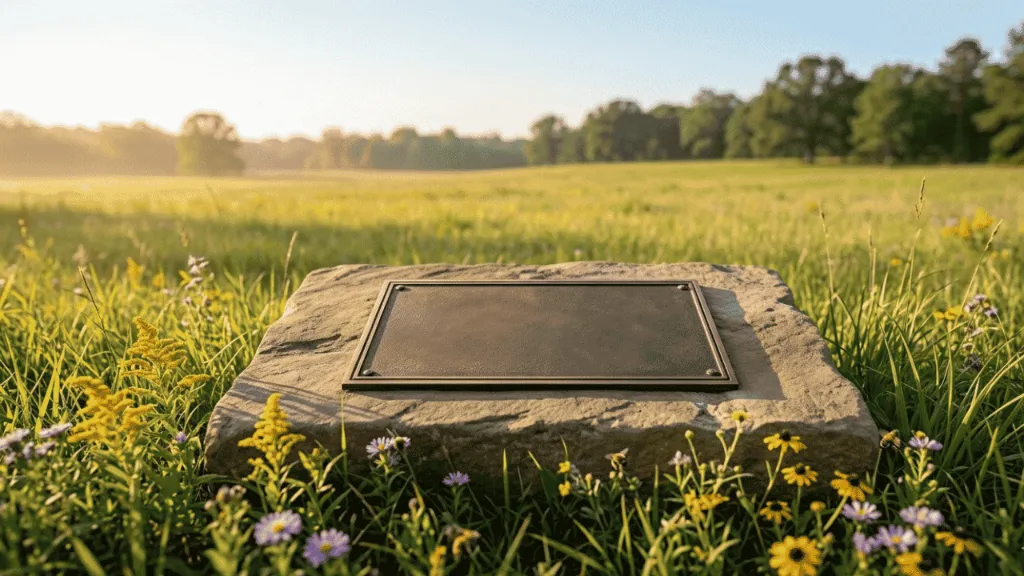
“Walter dug this ditch as a prisoner. He bought it as a free man. In the end, he won.”
Why Walter’s Story Still Matters
Walter never gave a famous speech. He never led a march. For example, we celebrate many figures of the Civil Rights era loudly and rightfully. However, Walter’s story reminds us that resistance doesn’t always roar.
Sometimes it saves pennies for thirty years.
Sometimes it signs a deed.
Walter’s journey — from chain gang prisoner to landowner — is a testament to what dignity looks like when the system tries its hardest to strip it away. Walter’s story of reclaiming his freedom is a reminder that the human spirit has a long memory and an even longer will.
In addition, stories like his deserve to be told and retold — not just as history, but as instruction.
Conclusion: The Ditch That Couldn’t Break Him
Walter was handed a sentence designed to humiliate him. As a result of his own unshakable resolve, he turned that sentence into something the people who gave it to him never expected — a legacy.
Walter’s story of reclaiming his freedom teaches us something simple and profound: the tools used to diminish us can, with enough time and will, become the very things we stand on.
They gave him a ditch.
He gave it back — on his own terms.
A Note on Historical Accuracy
This story draws inspiration from documented accounts of chain gang labor in the American South during the Jim Crow era. Several historical records confirm that some former chain gang prisoners later acquired land connected to their forced labor. Walter’s story reflects these real patterns of resilience and quiet reclamation.
Read Full Story: Man Forgets $100k Hidden Inside an Old TV — A Recycling Worker Finds It Decades Later