
The Prisoner Mathematician Who Turned His Life Around Behind Bars
Christopher Havens, while serving a twenty-five-year sentence for murder, transformed his life through the study of mathematics. Initially self-taught in solitary confinement, he eventually partnered with Professor Umberto Cerruti. Using only pencil and paper, Havens developed original contributions to number theory that earned him international academic recognition.
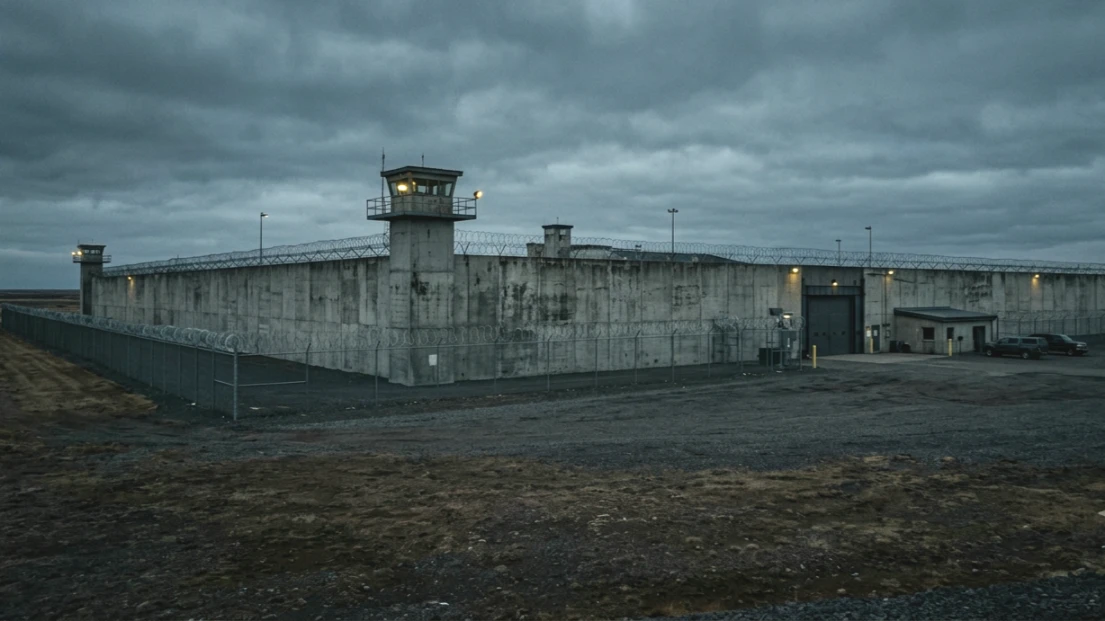
Havens’ work led to published research and the founding of the Prison Mathematics Project, which connects hundreds of inmates with mathematical mentors. His journey demonstrates how intellectual discipline can foster significant personal change and community impact, even within the constraints of a maximum-security prison environment.
A single sheet of paper, folded and mailed from a maximum-security prison, once stopped a university professor in his tracks. He expected the work of an amateur. What he found instead would change the course of a convicted killer’s life forever.
This is the story of a prisoner mathematician who turned a life sentence into a life of discovery — and how a stack of handwritten equations found its way into the world of real academic research.
A Life Sentence and a Silent Cell
Christopher Havens was serving twenty-five years for murder. In 2010, a dispute over drugs turned fatal, and he took a man’s life.
He entered prison believing his story was already over. There was no redemption arc waiting for him — only years stretching out with nothing to fill them.
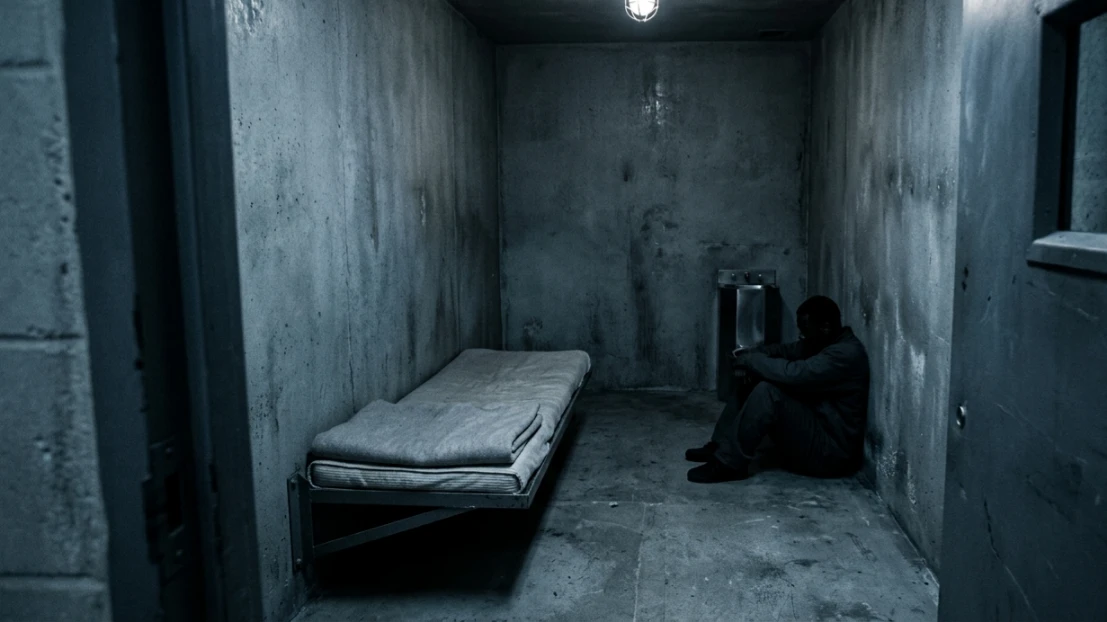
Early in his sentence, a fight with another inmate landed him in solitary confinement. He spent nearly a year alone in a cell, with almost nothing to occupy his mind.
Finding Numbers in the Dark
To pass the time, Havens started solving Sudoku puzzles. It was a small distraction, nothing more.
Then he noticed something unusual. Another inmate was quietly passing around small envelopes filled with math problems.
Havens asked for one. He solved it. Then he asked for another, and another.
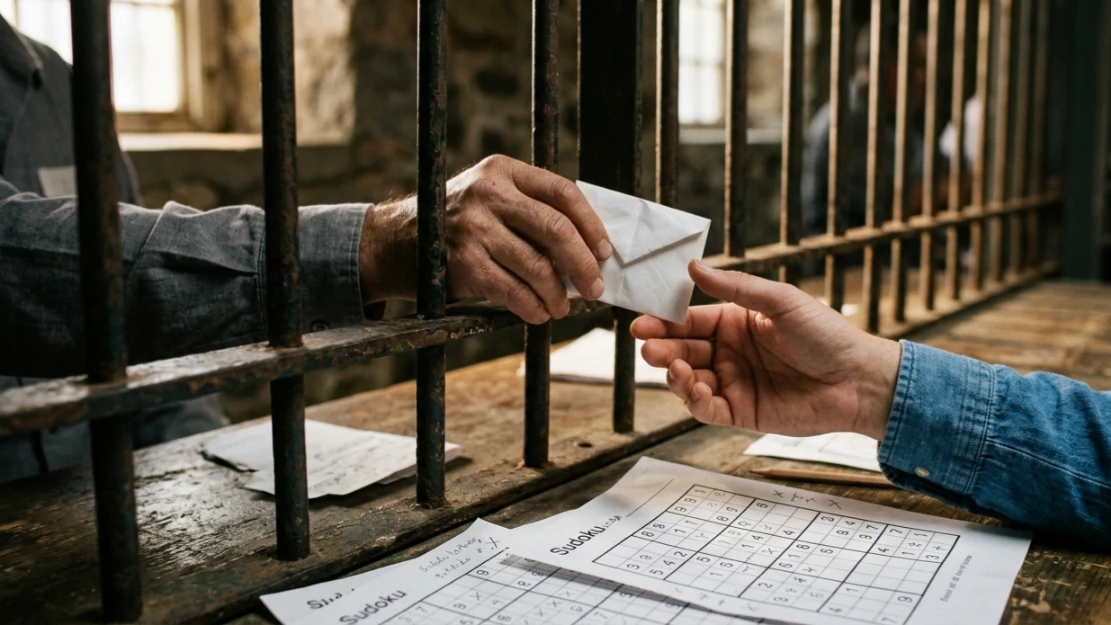
Something about the order and logic of mathematics pulled him in completely. He had never studied it seriously before. Now, inside a prison cell, he began spending up to ten hours a day working through equations. Eventually, he worked through every math book the prison library had to offer.
A Letter That Changed Everything
By 2013, Havens was ready to take a real risk. He wrote to a major mathematics publisher, asking two questions: Could he get access to a research journal? And was there any mathematician in the world willing to correspond with a prisoner?
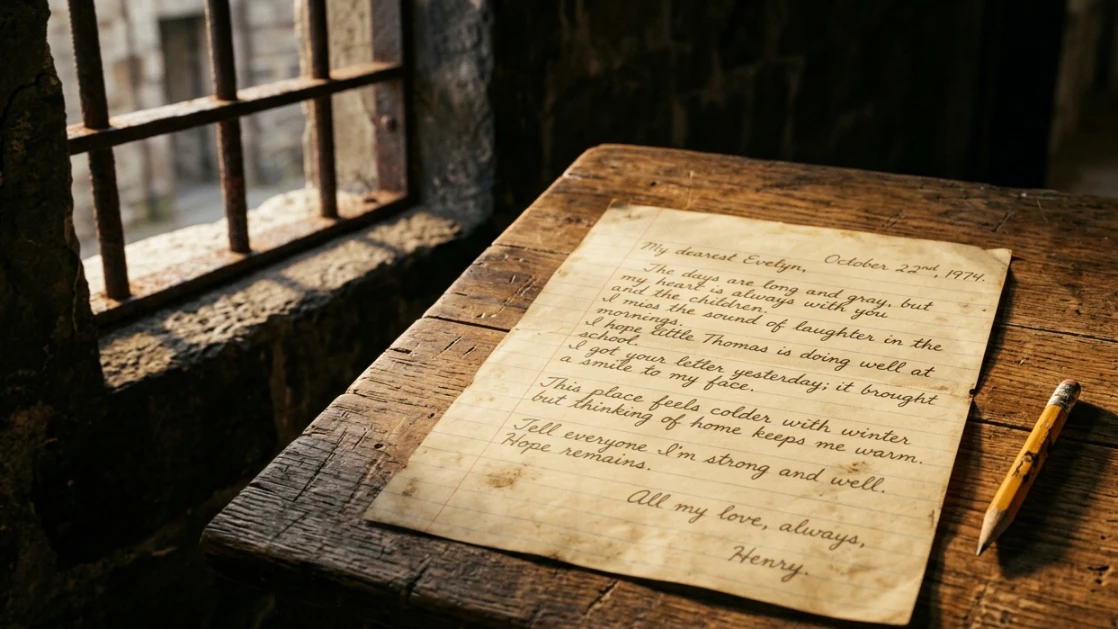
That letter eventually reached Professor Umberto Cerruti at the University of Turin in Italy.
Cerruti assumed he was dealing with an enthusiastic hobbyist at best. To test him, he sent back a genuinely difficult problem.
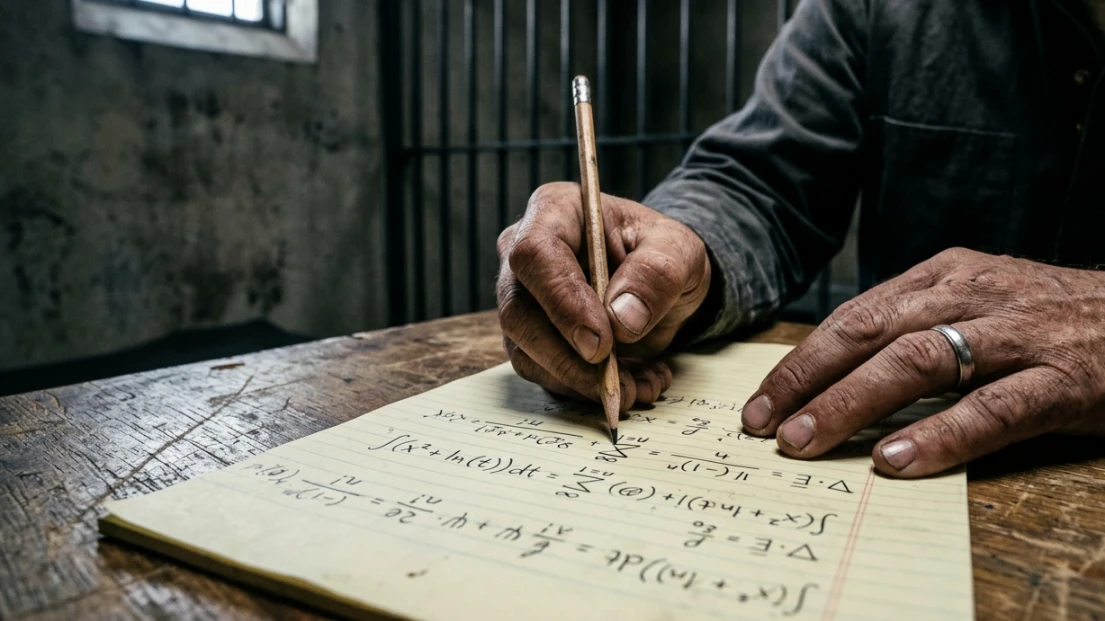
What came back stunned him. Havens had mailed a sheet of paper nearly four feet long, covered edge to edge in a single handwritten formula. Cerruti fed it into a computer to check the work.

It was correct.
Pencil, Paper, and Real Mathematics
That moment launched an extraordinary partnership carried out entirely through the mail. Cerruti began sending Havens genuine, unsolved problems in number theory — the kind normally reserved for professional mathematicians.
Havens had no computer, classroom, or internet.
He had only a pencil and paper — and he made it work.
The obstacles kept coming. When the prison restricted incoming books, Havens negotiated directly with the administration to get access restored. He even taught himself LaTeX, the coding language used to typeset mathematical formulas, writing it all out by hand before mailing it off.
From Prison Cell to Published Research
In January 2020, Havens’ persistence paid off in a way few could have predicted. His first research paper was published in the Journal of Research in Number Theory, a respected academic journal.
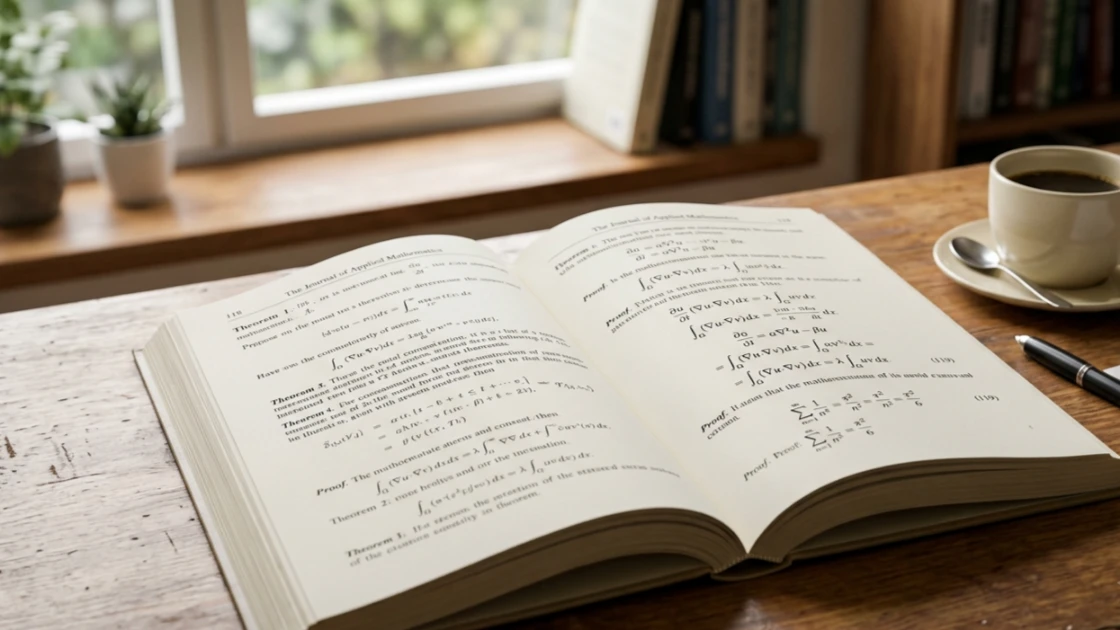
The paper introduced new principles about a significant class of numbers — a genuine, original contribution to mathematical knowledge. It had come out of a prison cell.
More papers followed. His work was connected to a conference in Slovakia, and in 2025, he published a book on continued fractions.
Building Something Bigger Than Himself
Havens didn’t keep this transformation to himself. In 2016, he began teaching mathematics to other inmates.
That small effort grew steadily. By 2020, it had become a formal organization: the Prison Mathematics Project.
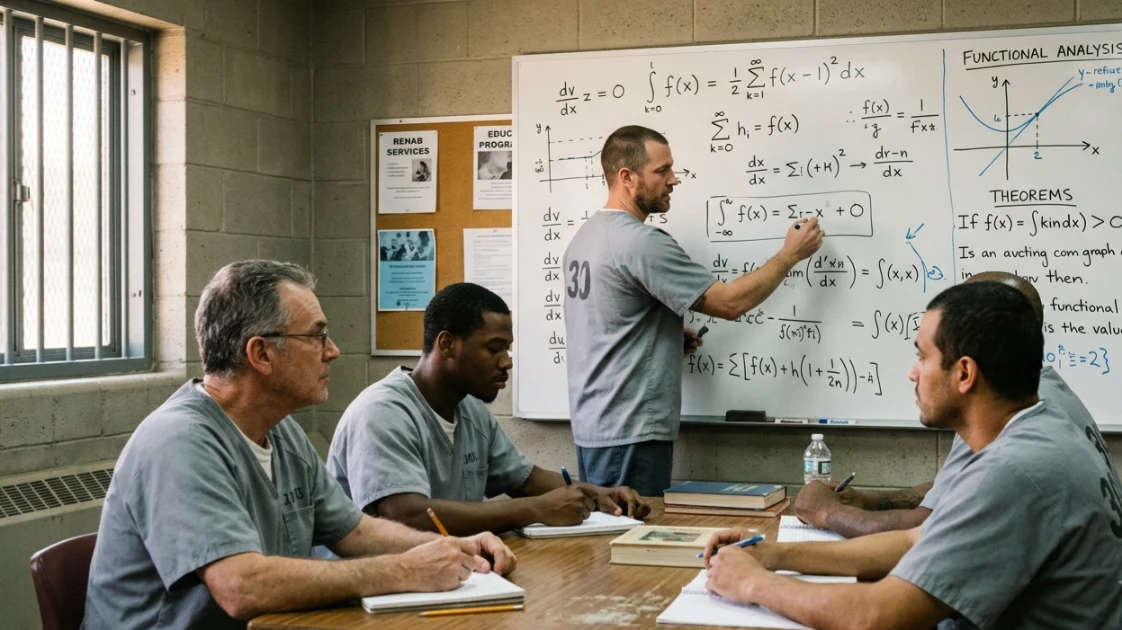
As a result, the project now connects more than 350 incarcerated people across the country with volunteer mathematicians through written correspondence. Several prisons run active math circles because of it. Havens himself has since worked as a part-time researcher affiliated with a university.
She Killed Two People. Then She Changed a Nation.
A Story That Doesn’t Erase the Past
This isn’t a story about erasing what happened. A man lost his life, and that fact doesn’t disappear because of what came after.
But the story of this prisoner mathematician does prove something worth remembering: a person is never only their worst moment. Curiosity and discipline, it turns out, are two things no prison wall can truly contain.