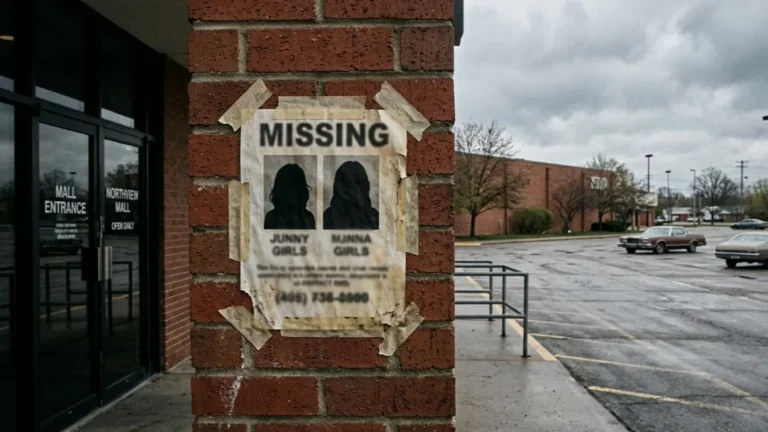


Ronald Opus: The Suicide Case That Fooled the Internet
The story of Ronald Opus involves a man who jumped from a building to die by suicide, only to be shot mid-air by a bullet fired from a lower floor. Investigations revealed that Opus had actually loaded the gun himself in a plot to have his father kill his mother.
While frequently presented as a true crime report, the case is a fictional hypothetical created by Dr. Don Harper Mills. He designed the narrative to illustrate the complexities of legal responsibility and causation. Despite its widespread fame as an urban legend, no real records of the event exist.
A man jumps from a ten-story building to end his own life.
He never hits the ground. A shotgun blast kills him first, fired from a window nine floors below.
That single sentence is where the Ronald Opus story begins — and it only gets stranger from there. For decades, this tale has circulated as one of the most baffling death investigations in American history. Investigators supposedly had to untangle a case where a man managed to die by suicide, murder, and self-inflicted revenge all at once.
But before we get to the ending, let’s walk through it exactly as the case unfolded.
A Fatal Leap From the Tenth Floor
According to the story, a young man named Ronald Opus decided to take his own life. He chose what looked like the simplest method available: jumping from the roof of the building where he lived.

He leapt from the tenth floor. Before he did, he left behind a note for his family. In it, he wrote that he had lost all hope for a better life.

On the surface, it looked like an open-and-shut case of suicide. However, the medical examiner’s report told a very different story.
The Autopsy That Changed Everything
On March 23, 1994, the medical examiner released the findings from Opus’s autopsy. The cause of death was not the fall.
Ronald Opus had died from a gunshot wound to the head.

That single detail turned a routine suicide report into a full-blown investigation. If Opus didn’t die from the impact, something — or someone — had killed him on the way down.

A Bullet From the Ninth Floor
Investigators traced the gunshot back to the same building Opus had jumped from. The bullet had come from a window on the ninth floor, just one floor below where he began his fall.
An elderly couple lived in that apartment. They had lived there for years, and neighbors described them as constant arguers.
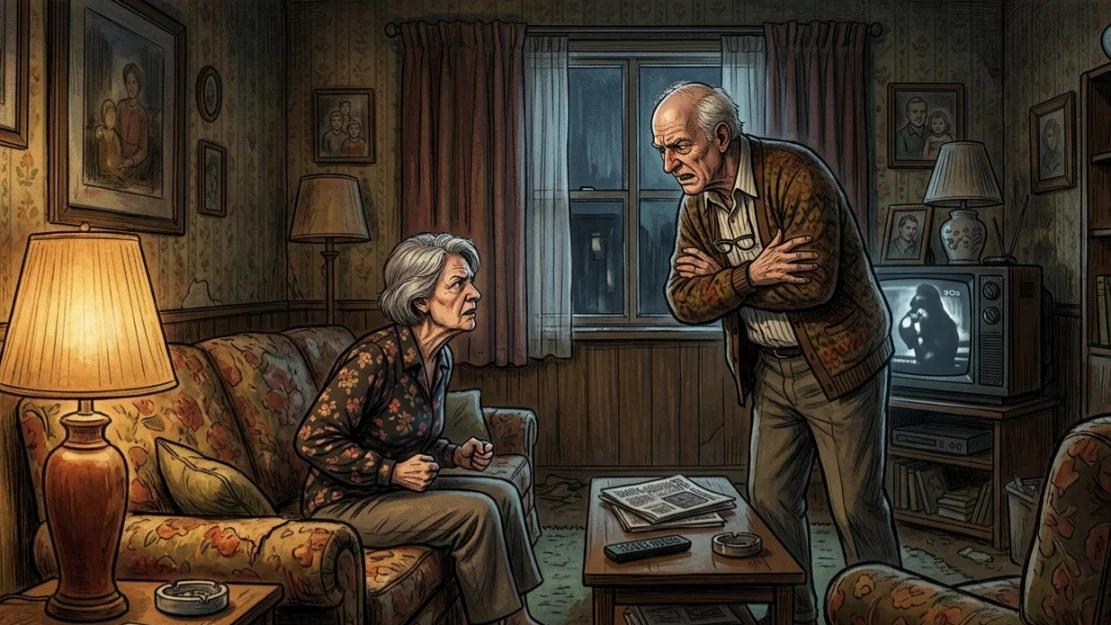
As detectives dug deeper, they discovered something unsettling. At the exact moment Ronald Opus threw himself off the roof, the old man inside that ninth-floor apartment was holding a gun to his wife, threatening to kill her.
The Old Couple’s Deadly Feud
According to witnesses, the argument had reached a boiling point. In a fit of rage, the husband fired the gun at his wife.
He missed. She was standing too far from his aim, and the bullet flew past her — straight through the window.
At that precise second, Ronald Opus was falling past the ninth floor. The stray bullet struck him in the head, killing him instantly, before he ever reached the ground.
(The twist doesn’t end there.)

A Husband on Trial — With an Unusual Defense
Prosecutors charged the elderly husband with involuntary manslaughter. However, he had one consistent defense: he and his wife fought constantly, and he often threatened her with the gun.
But he insisted the weapon was always empty. He claimed it hadn’t held a single bullet in years.
That detail should have cleared him. Instead, it opened up an entirely new line of investigation — one that pointed toward someone nobody suspected.
The Twist: A Loaded Gun and a Desperate Son
A relative came forward with a troubling memory. About a week before the incident, they had seen the couple’s son loading bullets into that supposedly empty gun.
His motive traced back to money. His mother had recently cut off his financial support, and he was desperate to get out from under his parents’ control.
He knew his father’s habit of pointing the empty gun at his mother during their fights. So he loaded it, expecting his father would eventually pull the trigger and, unknowingly, kill her. Because of this, the blame shifted away from the father and landed squarely on the son.
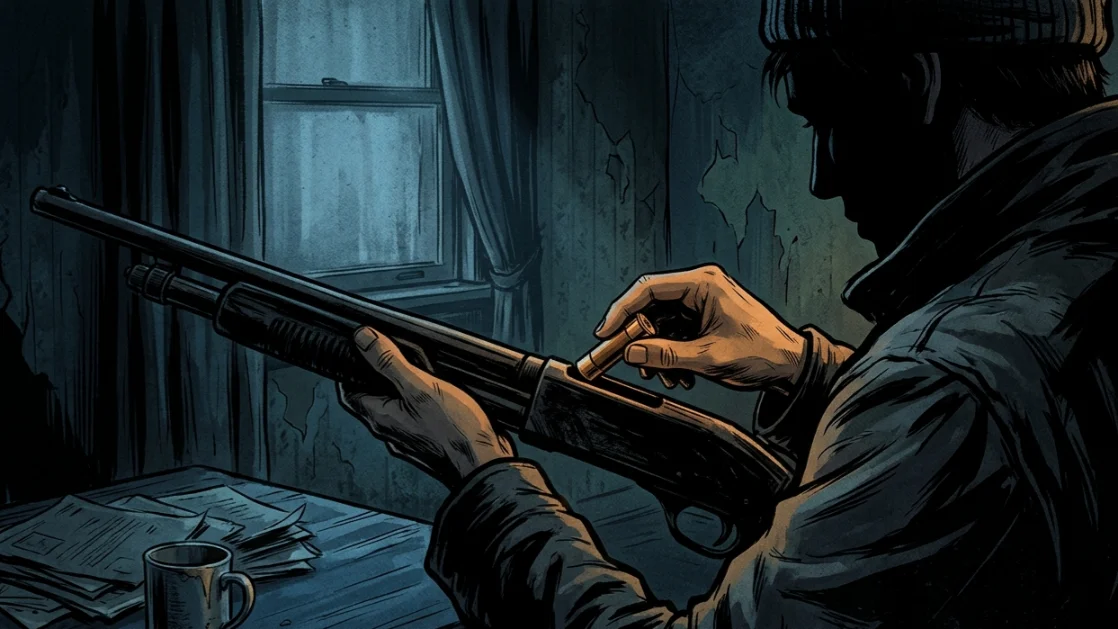
There was just one problem: the bullet never hit the mother at all. It struck Ronald Opus instead, killing him mid-fall.
The Final Revelation: Ronald Opus Killed Himself
Here’s where the story delivers its final gut-punch.
Ronald Opus was the son of the elderly couple. He was the one who loaded the gun, hoping his father would accidentally shoot his mother.
Eventually, his plan fell apart. His finances kept crumbling, and his father never pulled the trigger in time. Overwhelmed, Opus decided to end his own life by jumping from the roof.
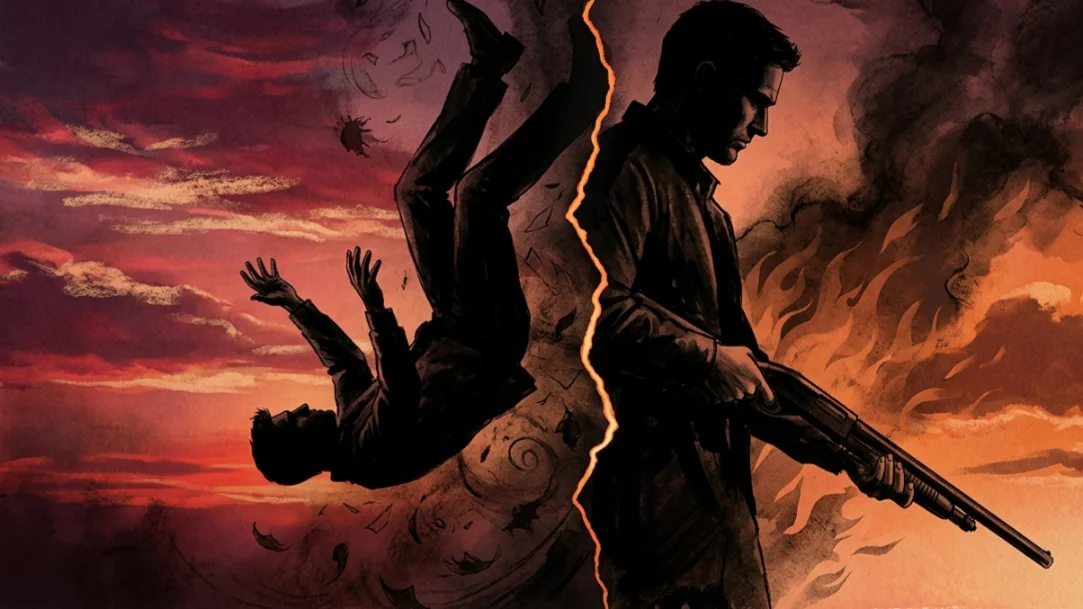
As he fell, the very bullet he had loaded into that gun struck him in the head. He became both the killer and the victim in a plot he had engineered himself.
D.B. Cooper: The Skyjacker Who Vanished With $200,000 and Was Never Found
Is the Ronald Opus Story Actually True?
Here’s the part most retellings leave out: the Ronald Opus story isn’t a real criminal case.
It originated from Dr. Don Harper Mills, a former president of the American Academy of Forensic Sciences, who told the tale at a forensic sciences banquet in the late 1980s. He later confirmed he invented it as a hypothetical example — a way to illustrate how legal responsibility can shift dramatically depending on the sequence of events in a death investigation.
The story escaped its original context once it hit the internet in the mid-1990s, where it was reframed as a genuine news report. It has since appeared in Homicide: Life on the Street, been referenced in Law & Order, and been cited (falsely) as an Associated Press story. No court records, obituaries, or news archives support it as an actual event.
That doesn’t make it any less brilliant. As a legal thought experiment about causation and intent, it remains one of the most clever hypotheticals ever devised — it just belongs in the realm of legend, not case law.
Conclusion: Why the Ronald Opus Story Still Captivates Us
The Ronald Opus story endures because it plays with something we rarely question: the idea that a single death can only have one simple explanation.
In this legend, cause and effect don’t move in a straight line. They spiral — suicide becomes murder, murder becomes self-inflicted justice, and the “victim” turns out to be the architect of his own downfall.
Whether or not it ever happened, the Ronald Opus story has earned its place as one of the most talked-about hypothetical cases in forensic and legal circles. It’s a reminder that the most compelling mysteries aren’t always the ones ripped from real headlines — sometimes, they’re the ones clever enough to make us believe they were.