
Joan of Arc: The 19-Year-Old Girl Who Changed the Fate of France
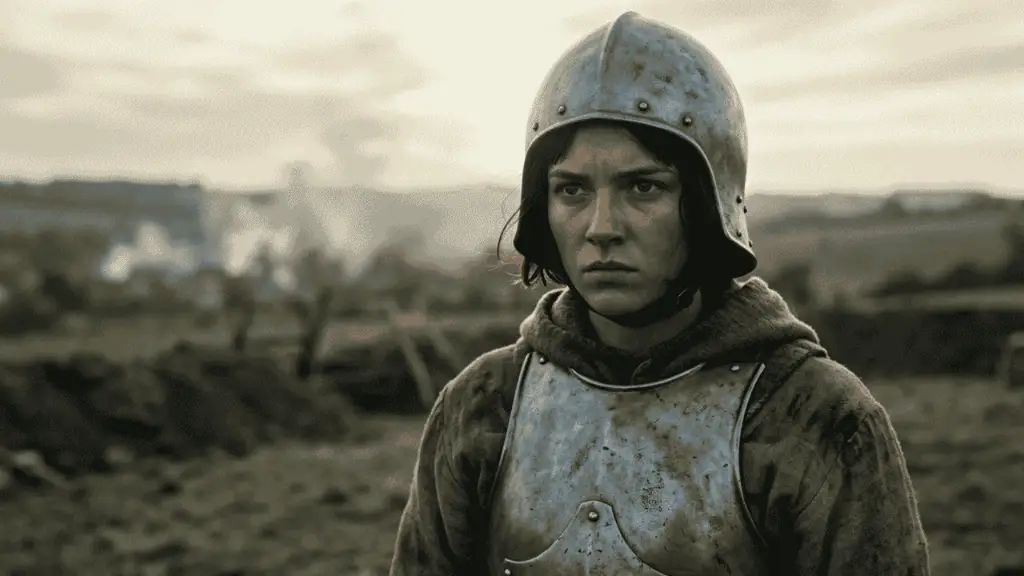
Joan of Arc was a peasant who emerged as an unlikely military leader during the Hundred Years’ War. After claiming to receive divine messages, she led French forces to break the Siege of Orléans and facilitated the coronation of King Charles VII, revitalizing the French cause against English occupation.
Captured by Burgundian allies of the English, Joan underwent a politically motivated trial for heresy. She was executed in 1431 but was posthumously declared innocent and eventually canonized as a saint. Her legacy remains a national symbol of French resistance and individual courage against overwhelming odds.
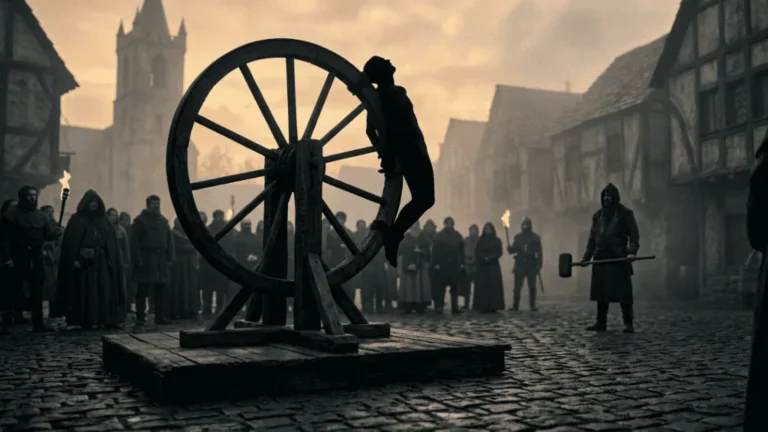
On a cool morning in Rouen, a wooden platform rose in the center of the marketplace. Thousands of people crowded around it. A young woman, just 19 years old, was led through the crowd, bound to a stake, and burned alive.
Her name was Joan of Arc. And the world would never forget her.
Her story isn’t simply the story of one girl. It’s the story of a nation on the edge of collapse — and the extraordinary spark that brought it back to life.
A Country Falling Apart
To understand Joan of Arc, you need to understand the world she was born into.
In the early fifteenth century, France and England were locked in a brutal, exhausting conflict known as the Hundred Years’ War. Despite its name, the war dragged on for approximately 116 years, tearing through generations of soldiers, farmers, and families.
By 1420, France was in desperate shape. King Charles VI suffered from severe mental illness. The French nobility was bitterly divided. Meanwhile, English forces had seized control of vast stretches of French territory.
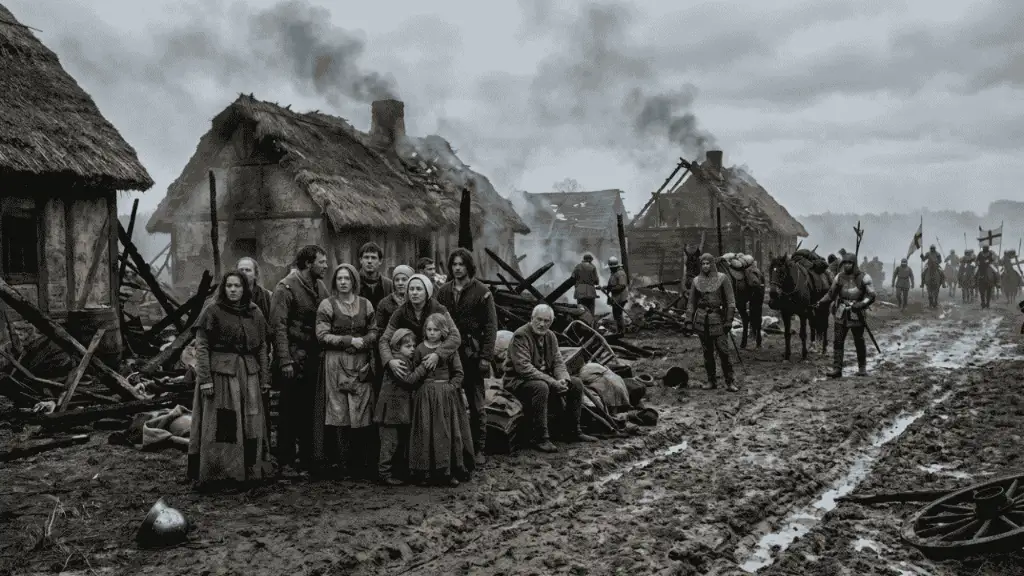
Many people believed France was finished as a nation.
A Peasant Girl From Domrémy
In the small village of Domrémy, far from the noise of royal courts and battlefields, a farmer’s daughter grew up like any ordinary child of her time.
She couldn’t read or write, had no military training, and held no political position.
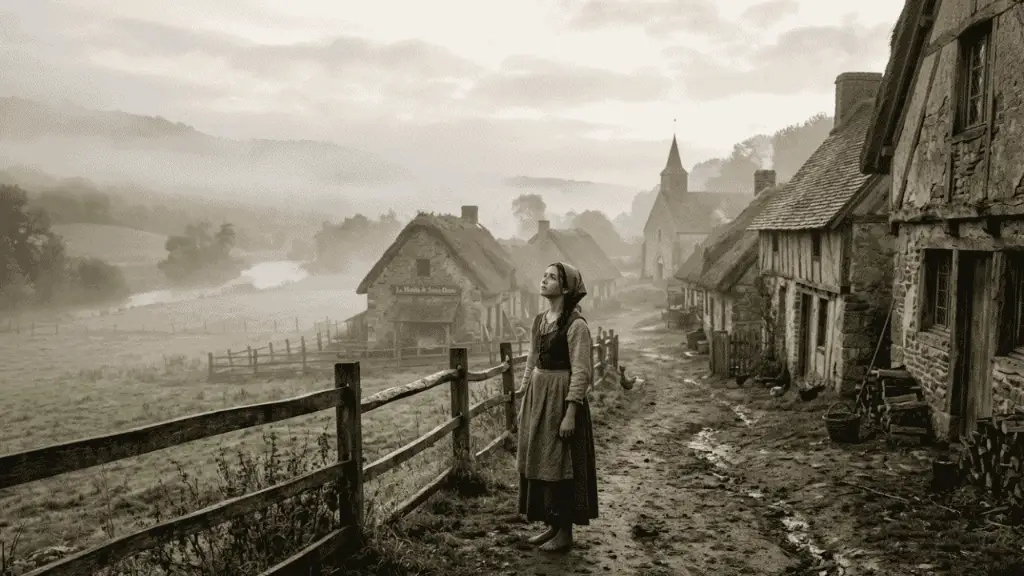
Yet she would become the most unlikely military leader in European history.
Around the age of thirteen, Joan later claimed, she began hearing voices. She believed these voices came from God — and that they carried a clear mission: drive the English out of France and place the rightful heir, Charles VII, on the throne.
It sounded impossible. But France was desperate enough to listen.

Against All Odds: Joan Reaches the Crown Prince
In 1429, Joan somehow managed to secure an audience with the French crown prince, Charles VII. What she said to him in private remains a mystery to this day. However, whatever passed between them convinced him to act.
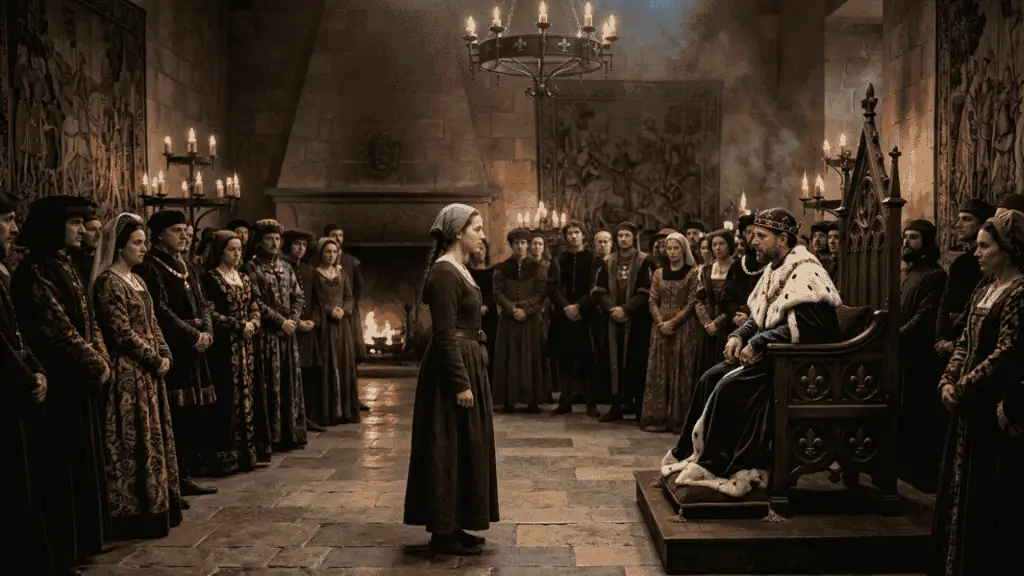
He gave her a small army and sent her toward the besieged city of Orléans.
The English had surrounded Orléans for months. If the city fell, the French resistance would effectively be over. The stakes couldn’t have been higher.
The Siege of Orléans: France’s Turning Point
Joan arrived at Orléans and did something no military commander had managed to do — she gave the exhausted French soldiers a reason to fight again.
Within days, the siege broke.
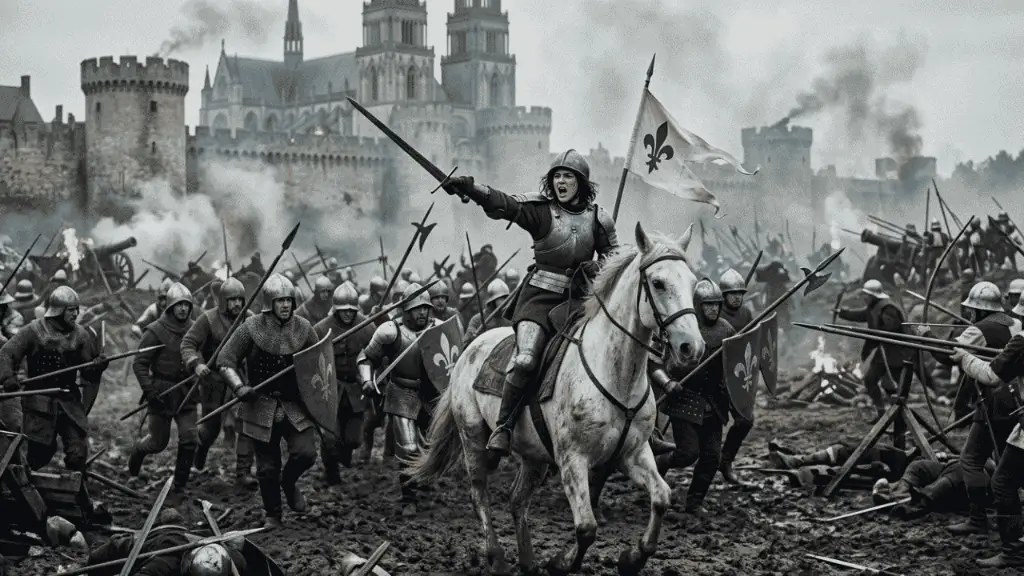
The Siege of Orléans became one of the most decisive moments in French history. As a result, hope began to return across the country. Towns that had surrendered started reconsidering. Soldiers who had lost faith picked up their weapons again.
Victory followed victory. And in July 1429, Charles VII was formally crowned King of France at Reims Cathedral — the traditional coronation site of French kings.
Joan stood beside him that day. For her, the mission was nearly complete.
Betrayal, Capture, and a Rigged Trial
Fate, however, turned quickly.
In 1430, Joan was captured near the city of Compiègne by the Burgundians — a French faction allied with England. They sold her to the English, who immediately understood what she represented.
The English knew that treating Joan as a simple prisoner of war would make her a martyr and a hero. Instead, they chose a different strategy.
They put her on trial for heresy.
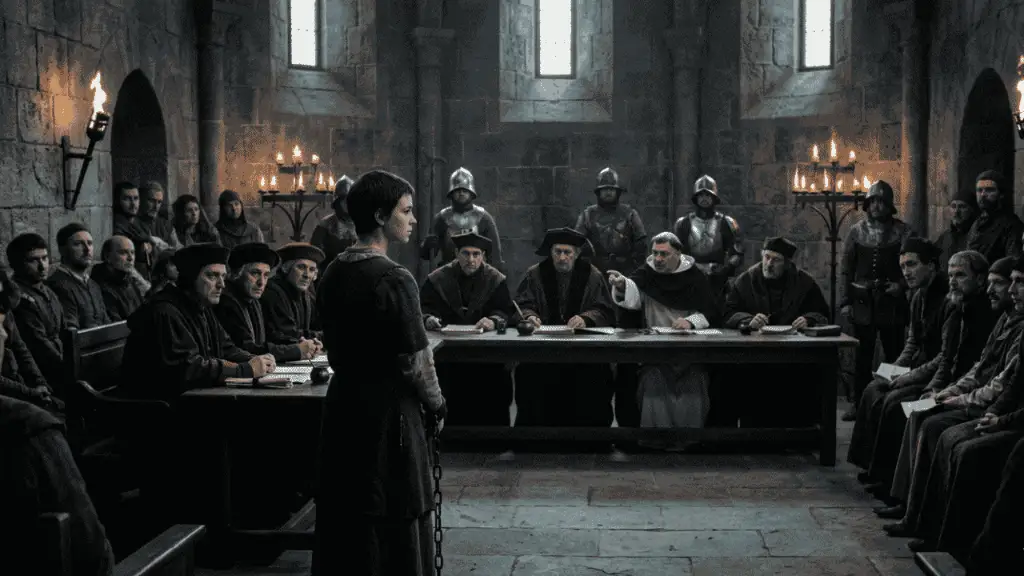
The trial took place in Rouen, a city firmly under English control. Historians widely agree that the proceedings were politically driven from the start. Judges asked an illiterate peasant girl complex theological questions designed to trap her.
Remarkably, Joan answered many of them with sharp intelligence and quiet dignity.
However, the verdict had already been decided. She was found guilty of heresy and sentenced to death.
French Colonialism: The Dark History France Doesn’t Want You to Know
May 30, 1431: The Fire That Couldn’t Silence Her
On the morning of May 30, 1431, Joan of Arc was led into the Old Market Square in Rouen.
She was tied to a stake. The fire was lit.
She was nineteen years old.
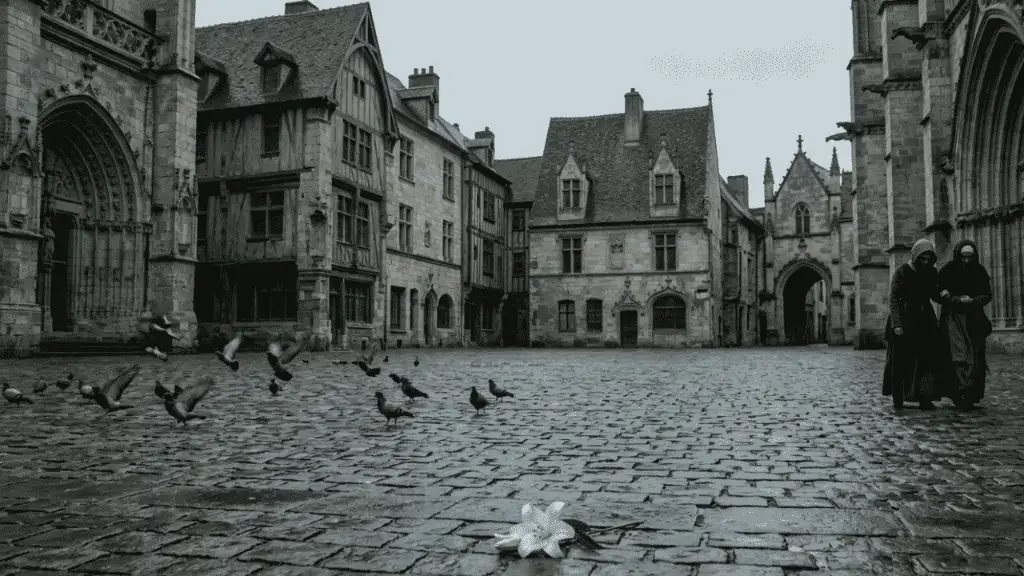
Witnesses reported that she called out the name of Jesus as the flames rose around her. Even her executioners, by some accounts, were shaken by what they had done.
But the English had miscalculated badly. Instead of erasing her memory, they had turned her into something far more powerful — a legend.
Justice Delayed: The Retrial of Joan of Arc
Twenty-five years after her death, the Church reopened her case.
In 1456, a formal retrial overturned the original verdict. Joan of Arc was declared innocent. The first trial was officially condemned as corrupt and unjust.
Centuries passed. Her story grew larger. Eventually, in 1920, the Catholic Church canonized her as Saint Joan of Arc, recognizing her as one of the most remarkable figures in Christian history.
In France, she became — and remains — the nation’s most beloved symbol of courage and resistance.
Why Joan of Arc Still Matters Today
Joan of Arc didn’t inherit a throne. She didn’t graduate from a military academy or hold any official power.
She was a teenage girl from a forgotten village who stepped into one of history’s darkest moments and refused to back down.
Because of this, her story resonates across centuries, cultures, and languages. It speaks to anyone who has ever felt powerless in the face of overwhelming odds.
In addition to her religious significance, Joan represents something deeply human — the belief that one person, acting with courage and conviction, can change the course of history.
She proved that belief right.
Conclusion: A Name That History Could Not Burn
The flames of the Rouen marketplace burned out in 1431. But Joan of Arc never did.
From a peasant girl who heard voices in a French village to a canonized saint and national hero, her journey remains one of the most extraordinary in recorded history.
She saved a kingdom, faced a corrupt trial with dignity, died at nineteen, and became immortal because of it.
Joan of Arc isn’t just a chapter in a history book. She’s proof that history sometimes belongs to the most unlikely people.