

The Fatwa That Cost the Muslim World 300 Years
In 1455, Johannes Gutenberg’s printing press transformed European literacy and science. Conversely, the Ottoman Empire suppressed Arabic-script printing for nearly four centuries due to religious and social opposition. This decision created a significant intellectual gap, as Europe produced millions of books while Muslim lands relied on handwritten manuscripts.
Although historians debate the exact nature of early bans, authorities restricted Arabic-script printing until the 18th century. This delay hindered the spread of knowledge and modernization across the empire. The story highlights the long-term consequences of resisting technological tools and the importance of adapting to progress.
In 1455, a German goldsmith changed the world forever.
His name was Johannes Gutenberg. His invention was the printing press.
Within decades, Europe was flooded with books. Ideas spread faster than ever before. Literacy rates climbed. Science, philosophy, and religion all found new audiences.

But thousands of miles away, in the heart of the Ottoman Empire, a different decision was being made. One that would echo for centuries.
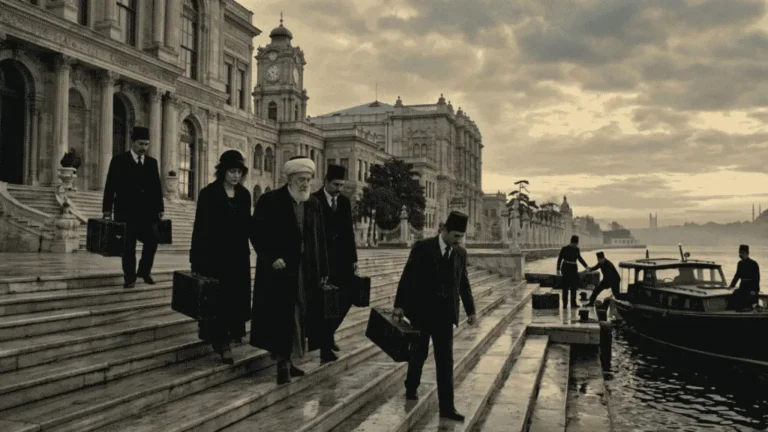
It involved a fatwa. A death sentence. And a silence that lasted almost 400 years.
An Empire at Its Peak
When the printing press arrived in Europe, the Ottoman Empire was not weak or struggling. Far from it.
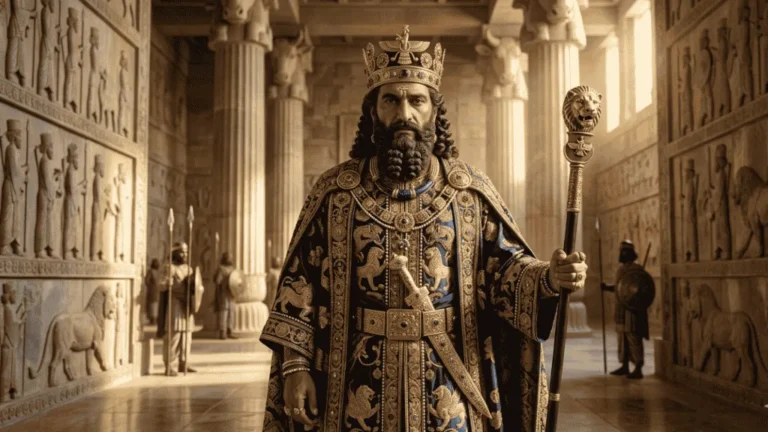
The Ottoman Caliphate controlled a vast stretch of territory. It reached across Syria, Iraq, Iran, Armenia, Azerbaijan, Jordan, Saudi Arabia, Yemen, Egypt, Tunisia, Libya, and Morocco in Asia and Africa.
In Europe, it extended into Greece, Bulgaria, Romania, Hungary, Bosnia, Austria, and Crimea.

This was a civilization at the height of its power. Wealthy. Expansive. Confident.
So why did it turn its back on one of history’s most transformative inventions?
The Printing Press Ban That Shook Muslim Civilization
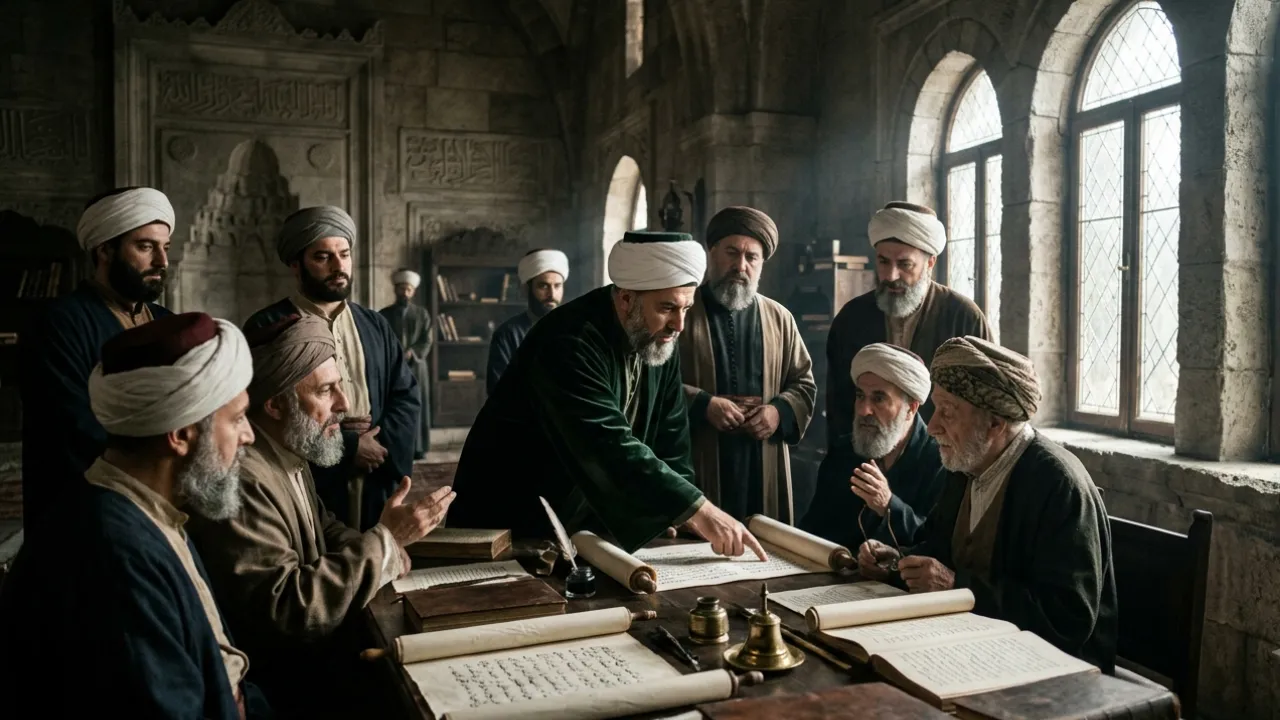
According to a story widely repeated in Islamic history circles, religious scholars declared the printing press an act of bidah, or forbidden innovation.
They ruled that printing the Quran and Islamic texts on the machine was haram.
The Ottoman Sultan Selim I is said to have gone even further. He reportedly issued a decree making the use of a printing press punishable by death.
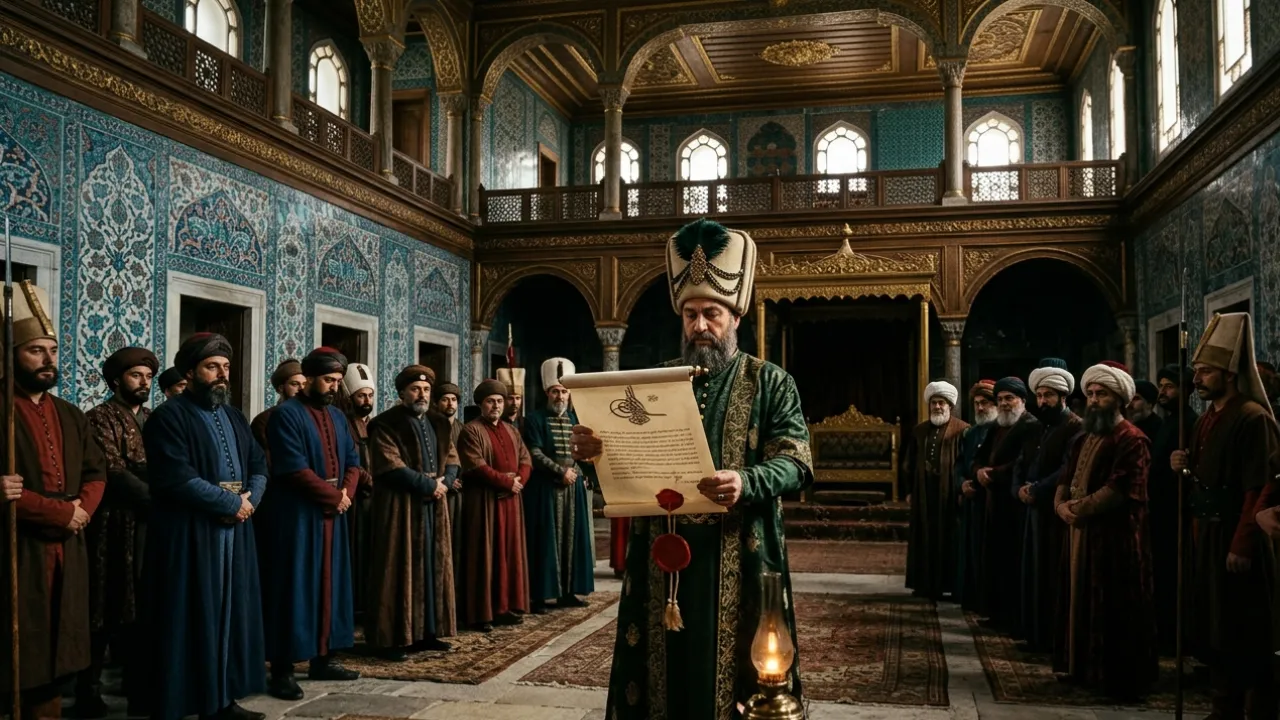
As a result, the ban stayed in place for 362 years.
Manuscripts remained the only accepted method of producing books in Muslim lands. Meanwhile, Europe’s presses never stopped running.
Why Historians Still Debate This Story
Here’s where the story gets complicated.
Modern historians, including researcher Kathryn Schwartz, have questioned whether these specific decrees ever existed in the form usually described. The earliest mentions trace back to a 16th-century French writer, not to any surviving Ottoman document.
However, most scholars agree on one thing: printing in Arabic script was suppressed in Ottoman lands for a very long time, whether through formal decree or informal pressure from religious authorities, scribes, and calligraphers who feared losing their livelihoods.
Jewish and Christian communities within the empire were allowed to print in their own languages. Muslims printing in Arabic or Ottoman Turkish were not.
Because of this restriction, the first printed Quran in Arabic script was not produced by Muslims at all. It came from a European press, printed by people outside the faith.
The Widening Gap
While Muslim scribes kept copying texts by hand, Europe’s presses multiplied by the thousands.

Books became cheap. Knowledge became portable. Universities filled their libraries in months rather than decades.
For example, by the early 1500s, millions of printed books were already circulating across European cities. In Ottoman territory, that same volume of handwritten work would have taken centuries to produce.

This is not a minor gap. It’s a civilizational one.
Europe was building a sea of modern knowledge. Muslim civilization, meanwhile, was left standing on dry ground.

The Ban Finally Lifted, But Too Late
It wasn’t until 1727 that Ibrahim Muteferrika, a Hungarian convert to Islam working within the Ottoman court, secured limited permission to establish a Turkish-language press.
Even then, restrictions remained. Religious texts were still largely off-limits.
The broader prohibition on Arabic-script printing for Islamic subjects didn’t fully disappear until 1817, nearly 400 years after Gutenberg’s invention first reached the world.
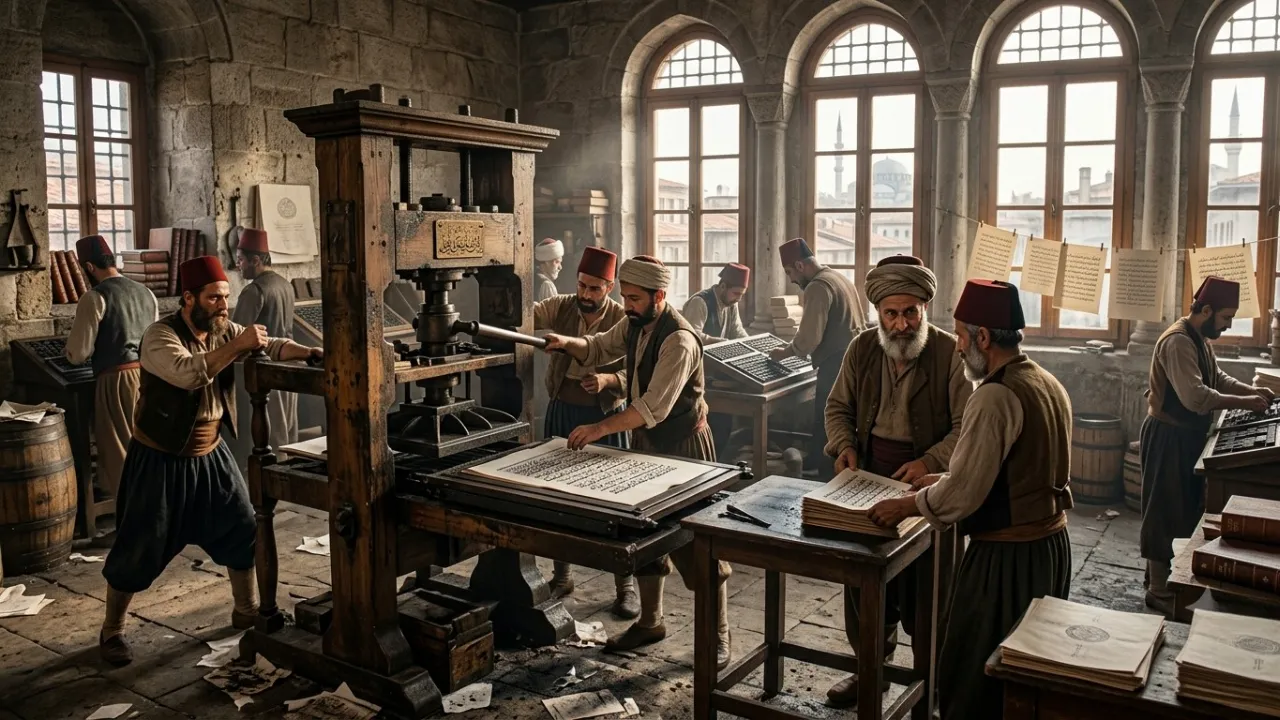
By then, the intellectual distance between Europe and the Muslim world had already become difficult to close.
A Wound Without a Scar
Here’s the part that stings the most.
This story is rarely taught. Most people in the Muslim world today have never heard it.
There’s no widespread reckoning with what was lost. No structured lesson in schools warns new generations not to repeat the same mistake.
And the printing press wasn’t an isolated case. Throughout history, many scientific and technological advances faced similar resistance from religious or traditional authorities, only to be embraced later, often by the very institutions that once rejected them.
The Real Lesson Behind the Printing Press Fatwa
Perhaps the deeper failure wasn’t the fatwa itself. It was a broader mindset.
A shift away from modernization and toward rigid traditionalism. A tendency to resist new tools instead of adapting them.
Eventually, this pattern repeats. Societies that reject the mechanisms of progress don’t just fall behind. They stop asking the questions that lead them forward.
Conclusion: What the Printing Press Ban Still Teaches Us
The story of the Ottoman printing press ban isn’t just a historical curiosity. It’s a warning.
Whether the original fatwa was as absolute as popular retellings suggest, the outcome is not in serious dispute. Arabic-script printing was delayed for centuries, and the consequences shaped the trajectory of an entire civilization.
The real question isn’t what happened in 1485 or 1515. It’s whether the same instinct, fear of new tools, resistance to change, still shapes decisions today.
Because thinking is never a crime. Refusing to think is.
She Claimed Her Unborn Baby Could Recite the Quran