
Kristel Candelario Case: The Mother Who Left Her Baby Alone and Faced Life in Prison
In June 2023, Kristel Candelario left her 16-month-old daughter alone in their Cleveland home for ten days while she vacationed in Detroit and Puerto Rico. The child died from severe starvation and dehydration. Candelario discovered the unresponsive toddler upon her return and contacted emergency services.
Candelario pleaded guilty to murder and child endangerment charges. Despite citing mental health struggles, she received a life sentence without the possibility of parole in March 2024. The case prompted international discussions regarding child welfare, parental accountability, and the necessity of community intervention to protect vulnerable children.
Some stories stop you cold. The Kristel Candelario case is one of them.
In the summer of 2023, a young mother from Cleveland, Ohio, made a decision that would cost her daughter’s life — and ultimately, her own freedom. The case quickly spread across news channels and social media worldwide, forcing millions of people to ask a deeply uncomfortable question: How does a parent walk away from their child like that?
This is the full story of what happened, why it matters, and what it says about child safety in today’s world.
Who Is Kristel Candelario?
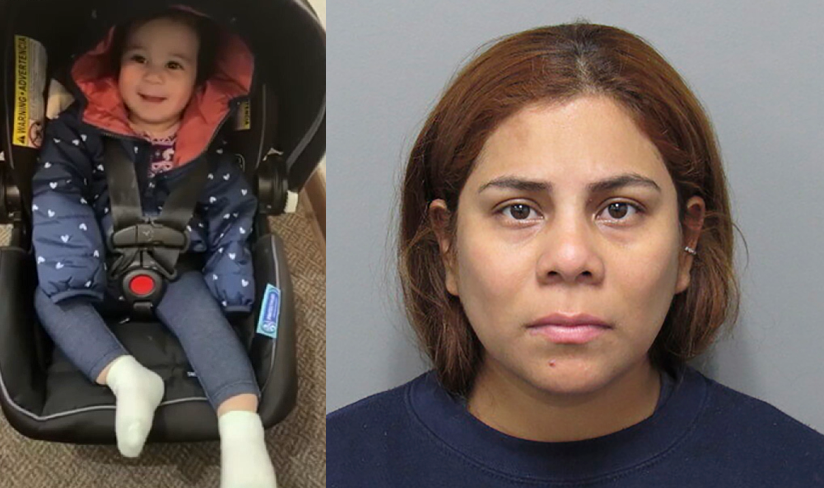
Kristel Candelario was a resident of Cleveland, Ohio. She was the mother of a 16-month-old baby girl named Jailyn.
By all outward appearances, she was a young woman living an ordinary life. However, behind closed doors, the reality for little Jailyn was something far more alarming.
What Happened in June 2023?
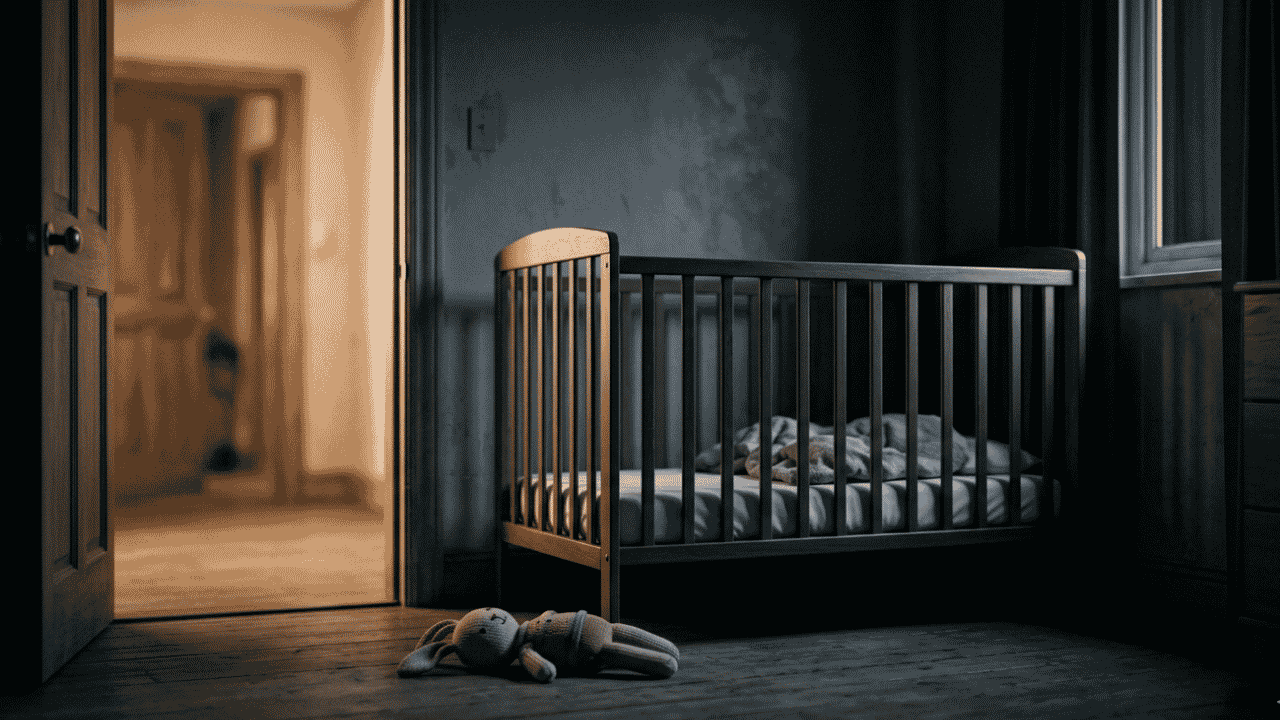
In June 2023, Kristel Candelario left her home — and left Jailyn completely alone inside it.
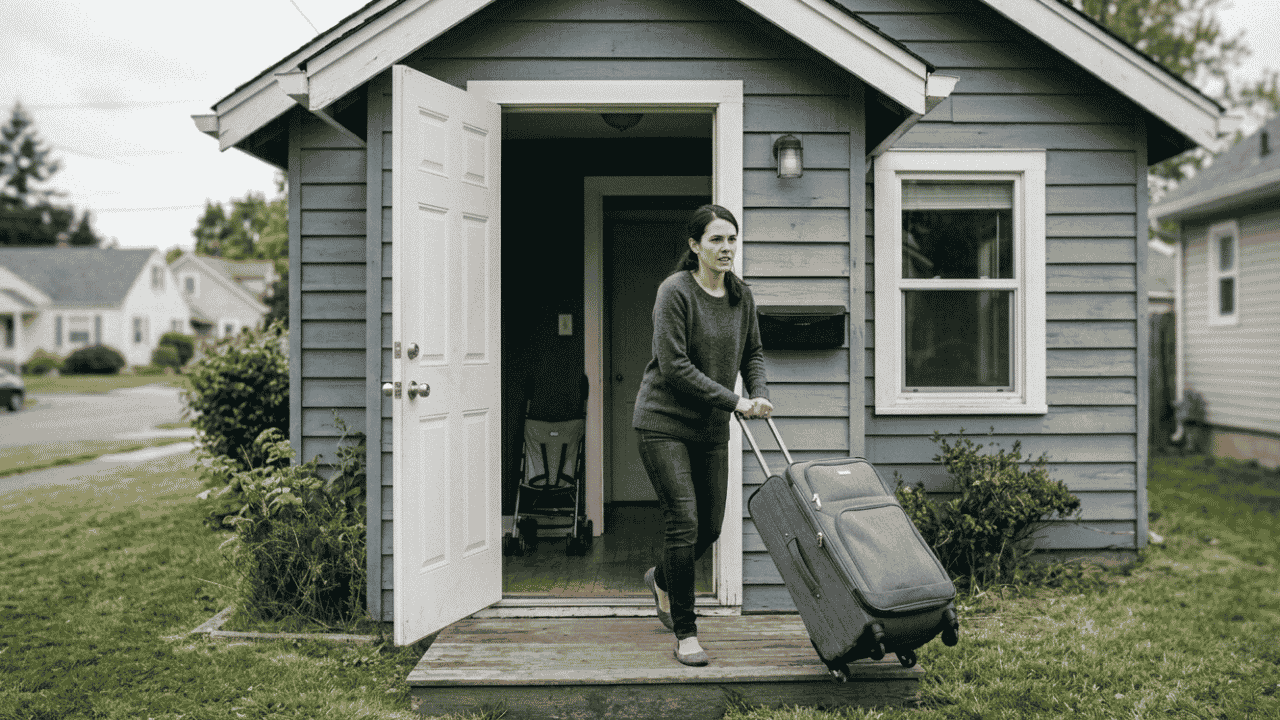
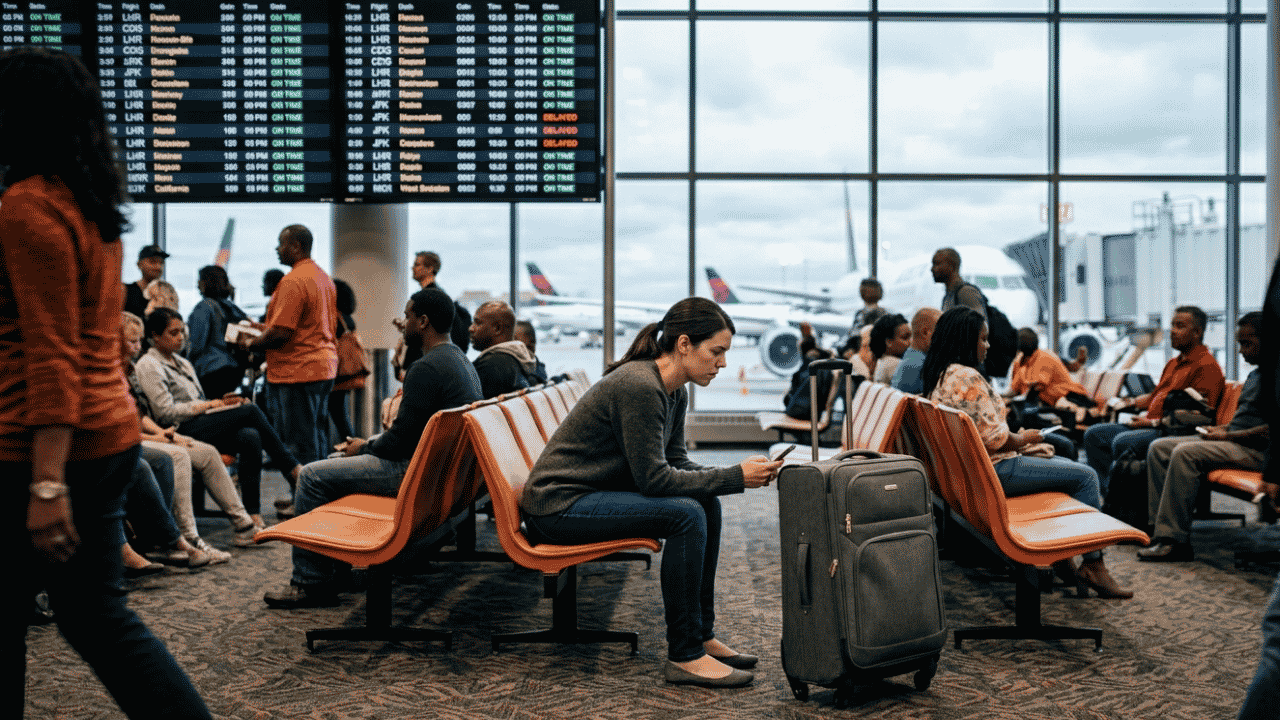
She first traveled to Detroit, then flew to Puerto Rico for a vacation. Meanwhile, her toddler sat alone in the house with no one to feed her, hold her, or call for help.
Jailyn had no way to care for herself. She was only 16 months old.
Ten Days Without Food or Water
For approximately 10 days, Jailyn received no food or water. As a result, the baby suffered from severe dehydration and starvation — two completely preventable conditions.
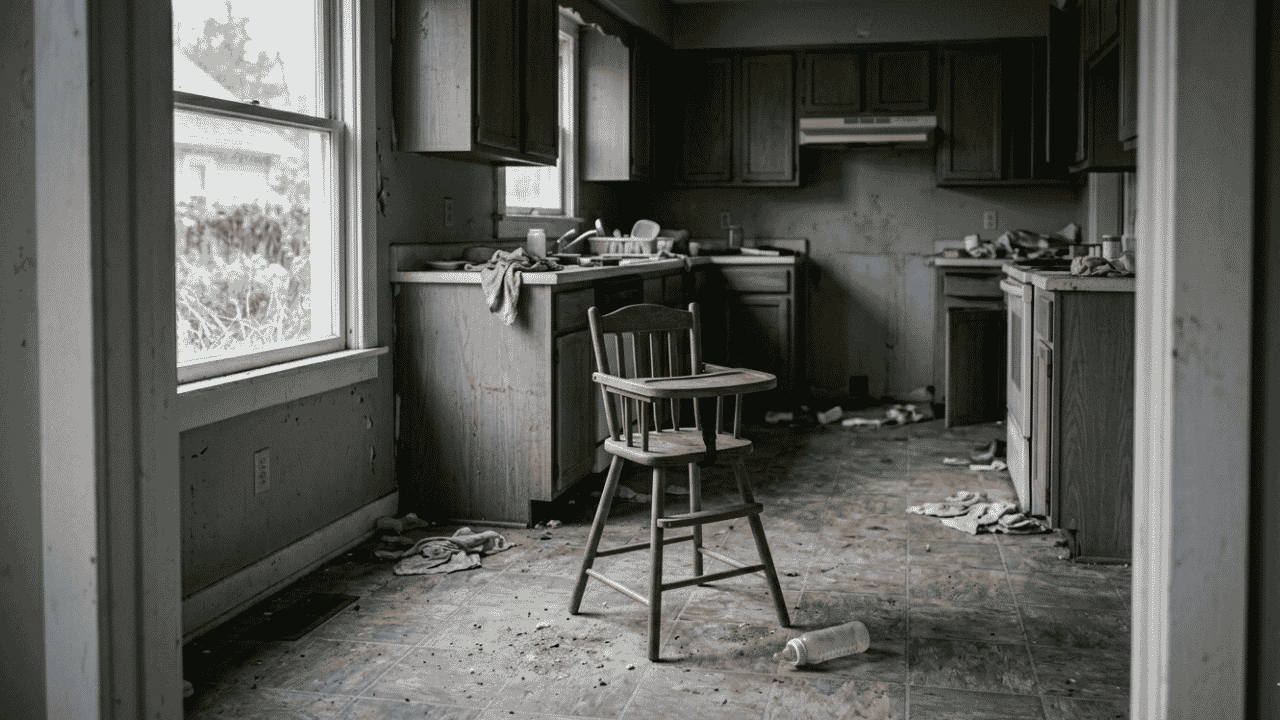
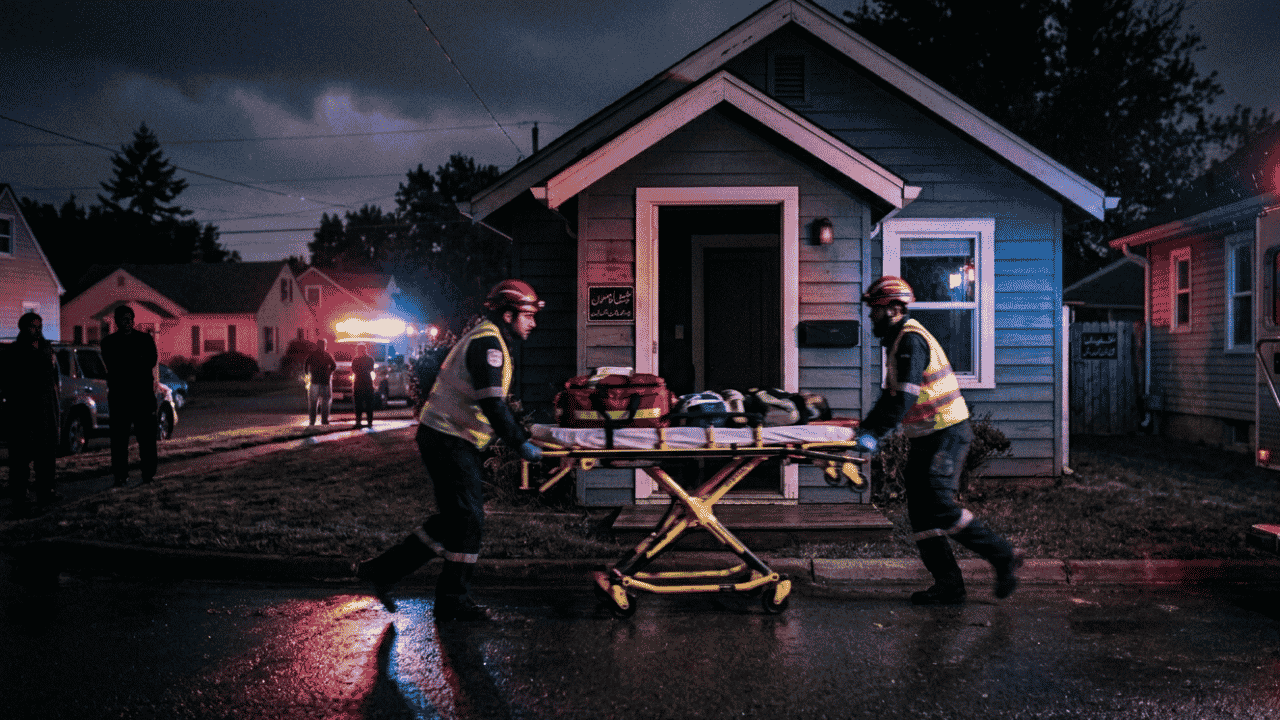
Eventually, Kristel returned home. She called emergency services when she found her daughter unresponsive. However, it was already too late.
Jailyn did not survive.
The Investigation and Arrest
After first responders arrived at the home, it quickly became clear that this was no accident. Doctors and investigators examined the scene carefully. Because of this thorough investigation, authorities were able to piece together a devastating timeline of events.
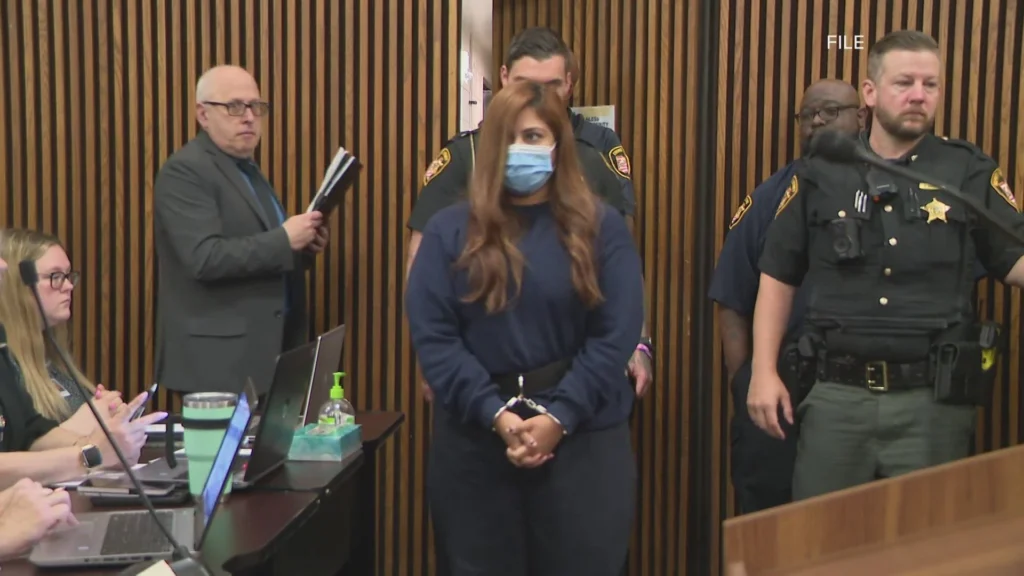
Police arrested Kristel Candelario shortly afterward. The evidence was overwhelming, and the case moved quickly through the legal system.
Inside the Courtroom
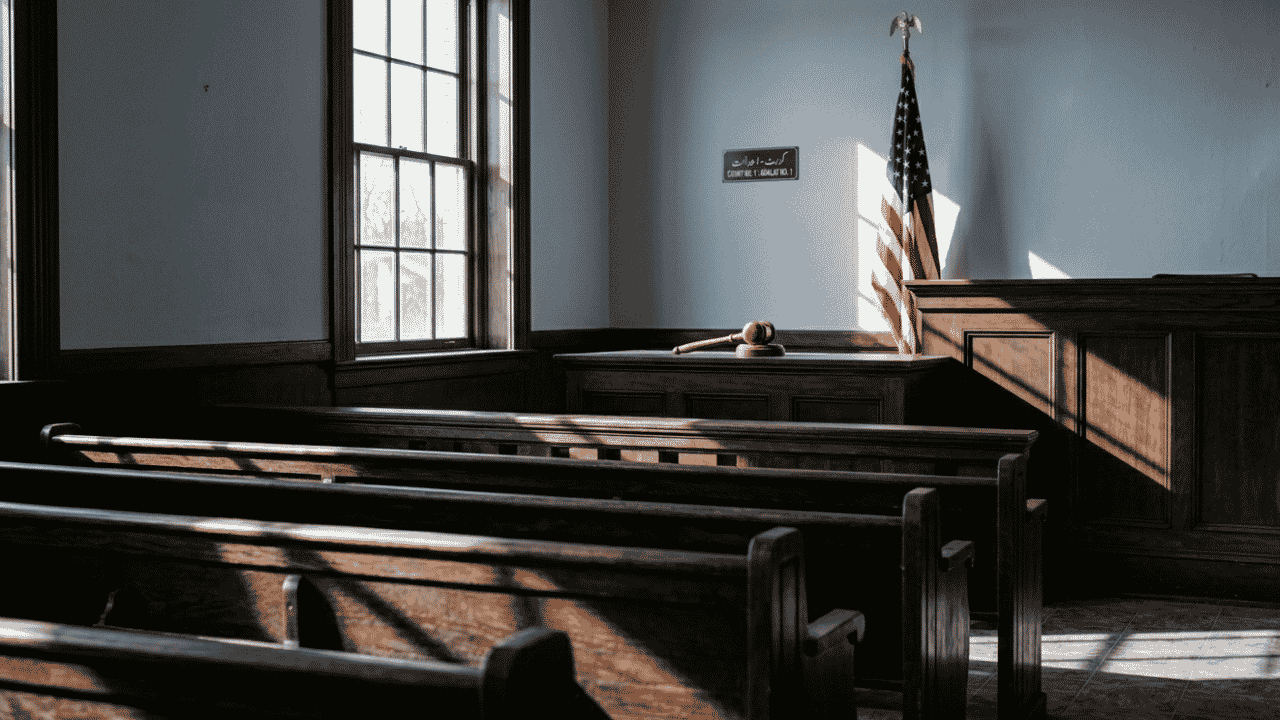
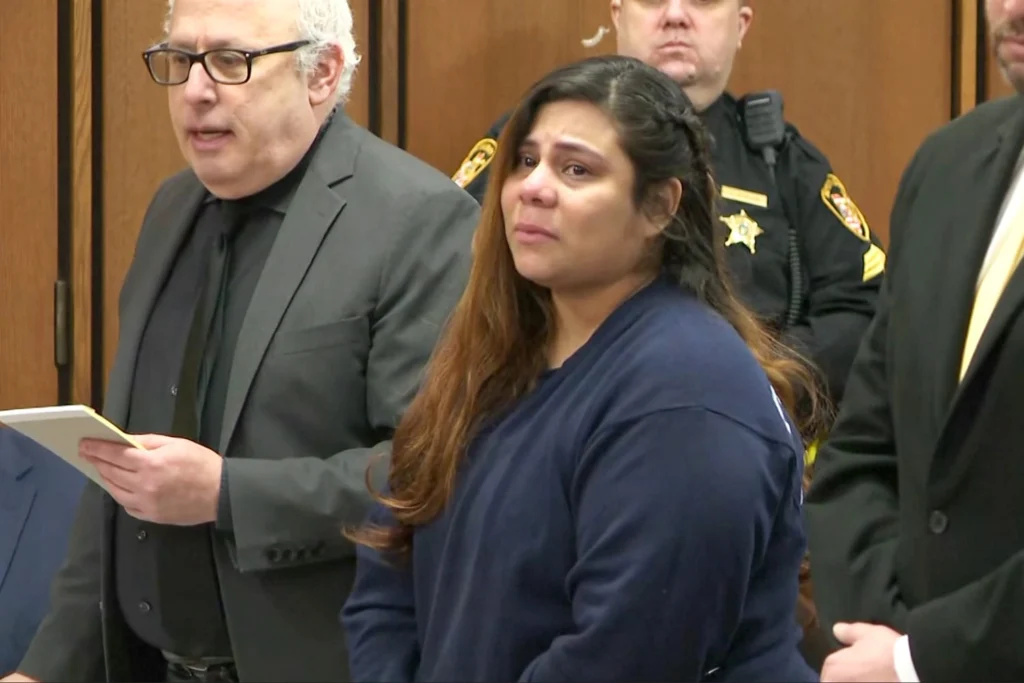
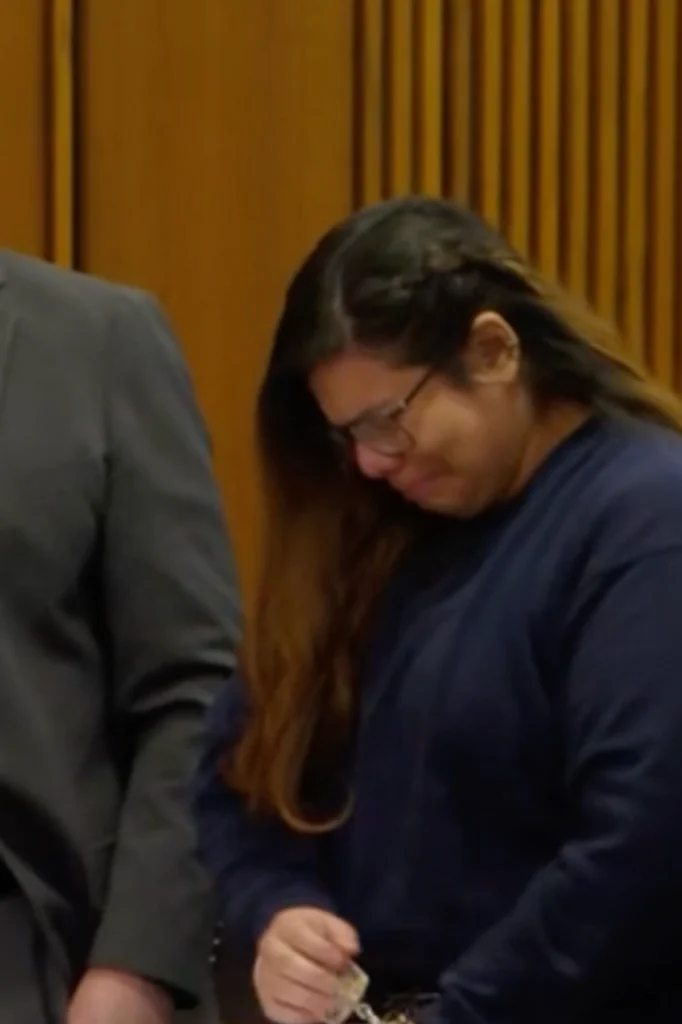
When Kristel stood before the judge, she did not deny what she had done. She pleaded guilty to the charges against her.
In her defense, she cited depression and severe emotional distress. She claimed mental health struggles had played a role in her decision-making.
The judge, however, was unmoved.
Also Read: Missing Husband Found at Home Eight Months Later

The Judge’s Words
The presiding judge did not mince words. He described Kristel’s actions as “the greatest betrayal by a mother.”
For example, he pointed out that no mental health condition excuses leaving a helpless infant completely alone for over a week. In addition, the court noted that Jailyn had no voice, no ability to seek help, and no one to protect her — because the one person supposed to protect her had chosen to leave.
The Sentence: Life in Prison
In March 2024, the court handed down its verdict.
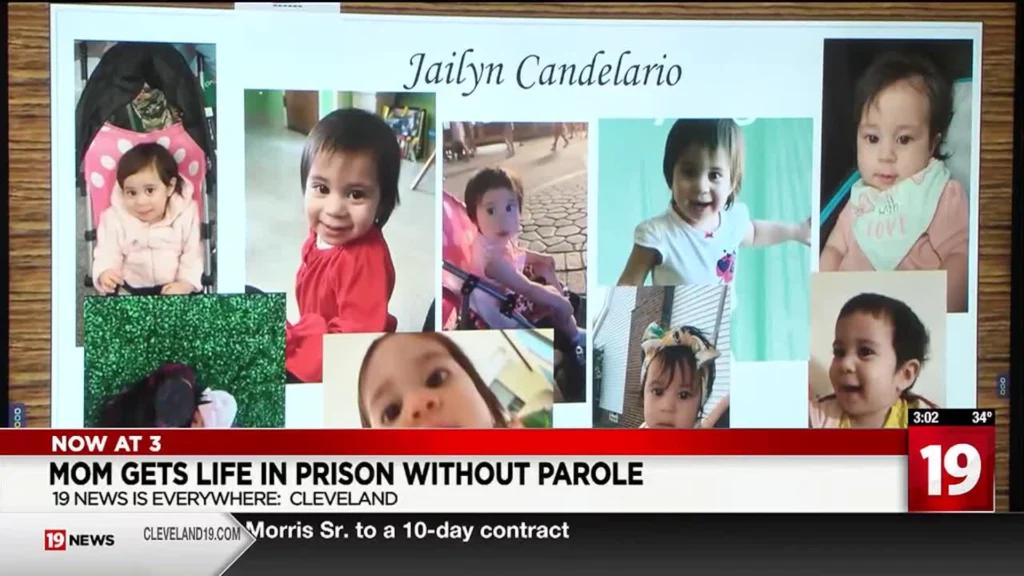
Kristel Candelario received a life sentence with no possibility of parole. She will spend the rest of her life behind bars.
The sentence sent a clear message — society will not tolerate the abandonment of a helpless child. Afterward, the case was widely discussed in legal circles as a landmark example of accountability in child neglect cases.
Why the Kristel Candelario Case Still Matters
This case is more than a crime story. It became a painful global conversation about parental responsibility, child protection systems, and the warning signs that often go unnoticed.
Many people wondered: Were there signs before this happened? Could anyone have intervened earlier? In addition, mental health advocates raised important questions about when depression becomes a legal defense — and when it does not.
However, most voices agreed on one thing: Jailyn deserved better.
A child that young depends entirely on her parents. There is no backup plan. There is no fallback. When the parent walks away, everything falls apart.
A Tragedy That Changed Conversations Around the World
The Kristel Candelario case trended across the United States, Latin America, and beyond. It sparked simultaneous debates on news panels, parenting forums, and social media platforms.
For example, child welfare organizations used the case to advocate for stronger safety nets for young children in homes where risk factors may be present. Meanwhile, many parents shared their own stories of struggling — and choosing to reach out for help instead of walking away.
Because of this case, more people started talking openly about what it means to ask for help when parenting feels impossible.
Conclusion: Justice for Jailyn
The Kristel Candelario case will not be forgotten anytime soon.
A little girl named Jailyn lost her life because she had no one to protect her in her most vulnerable moments. Her mother chose a vacation over her survival. The courts chose accountability over leniency.
This story is a sobering reminder that children cannot advocate for themselves. As a result, the responsibility falls on every adult in their world — and on communities to watch, listen, and act when something feels wrong.
Jailyn’s short life deserves to be remembered not just as a tragedy, but as a turning point — a reason to take child safety more seriously than ever before.