
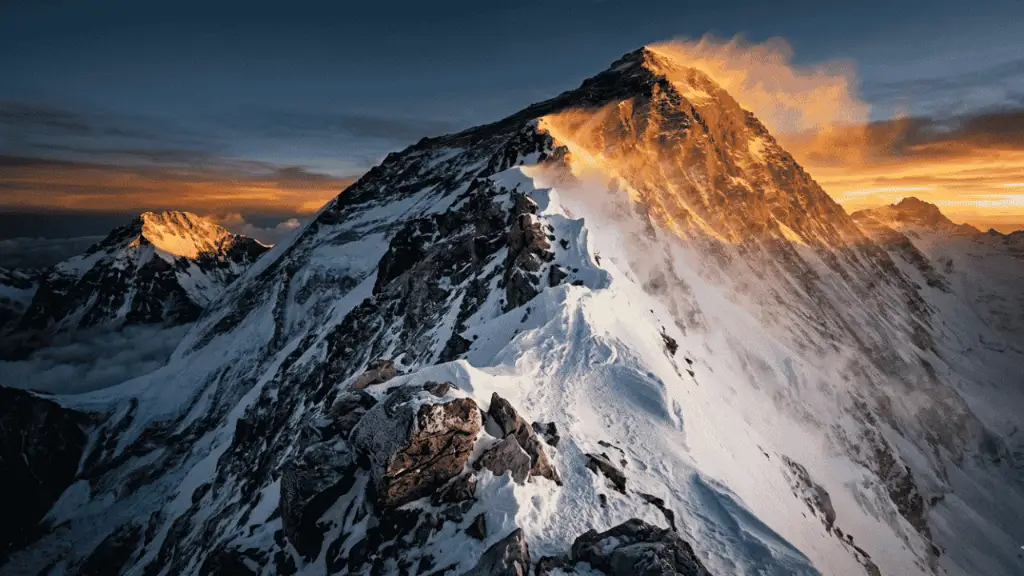
The Sleeping Beauty of Everest — A Story of Dreams, Love, and the Death Zone
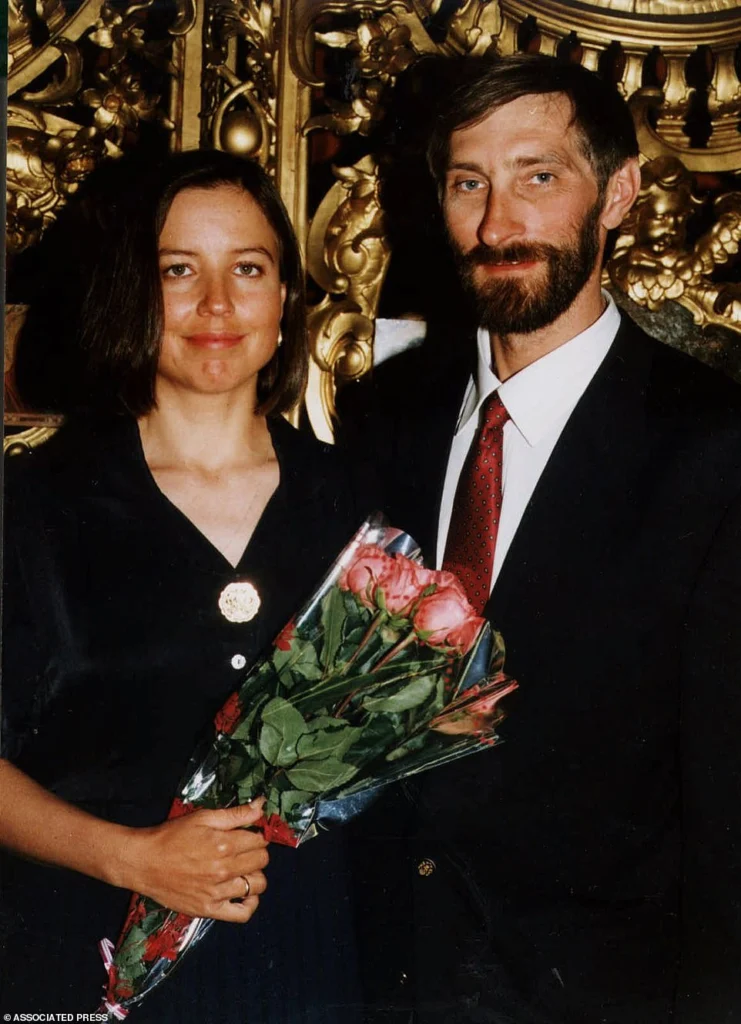
In 1998, Francys Arsentiev attempted to become the first American woman to summit Mount Everest without supplemental oxygen. Although she and her husband successfully reached the peak, they became separated during a treacherous descent. Both perished in the mountain’s lethal high-altitude environment despite rescue efforts by other climbers.
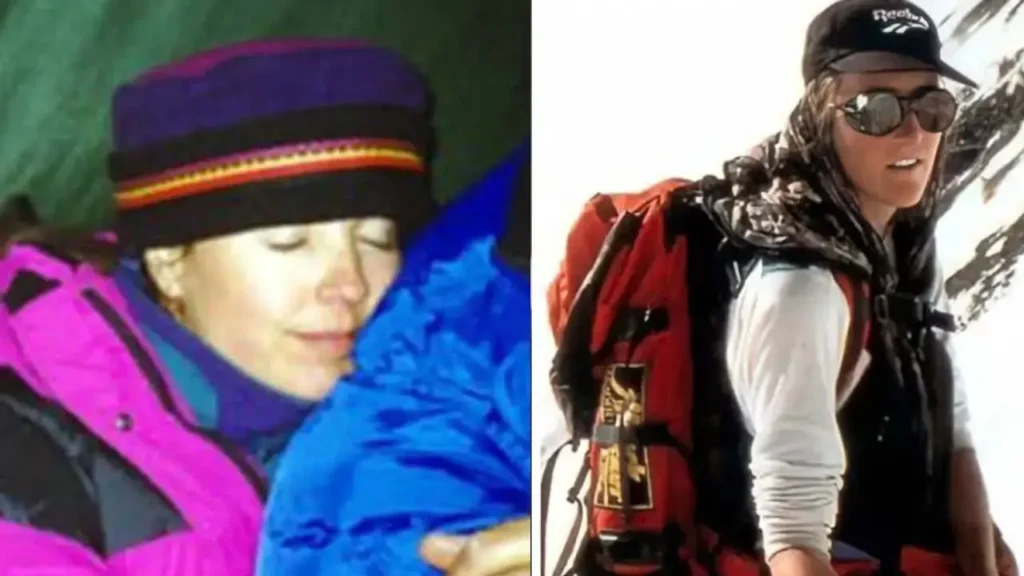
Known as the Sleeping Beauty of Everest, Arsentiev’s preserved remains stayed on the climbing route for nearly a decade. In 2007, a fellow mountaineer returned to move her body to a more private resting place. Her story remains a significant symbol of high-altitude ambition and the ethics of survival.
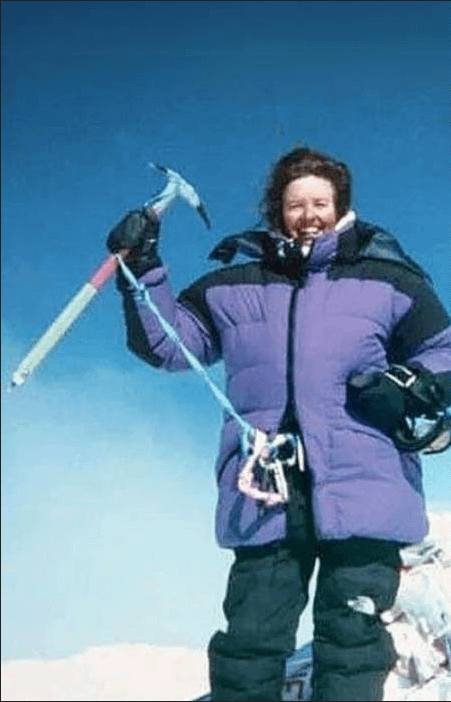
In May 1998, an American climber named Francys Arsentiev set her eyes on the summit of Mount Everest — not just to reach the top, but to do it without supplemental oxygen. Her goal was bold, clear, and deeply personal: to become the first American woman to summit the world’s highest peak on nothing but her own breath and willpower.
She almost pulled it off. But Everest had other plans.
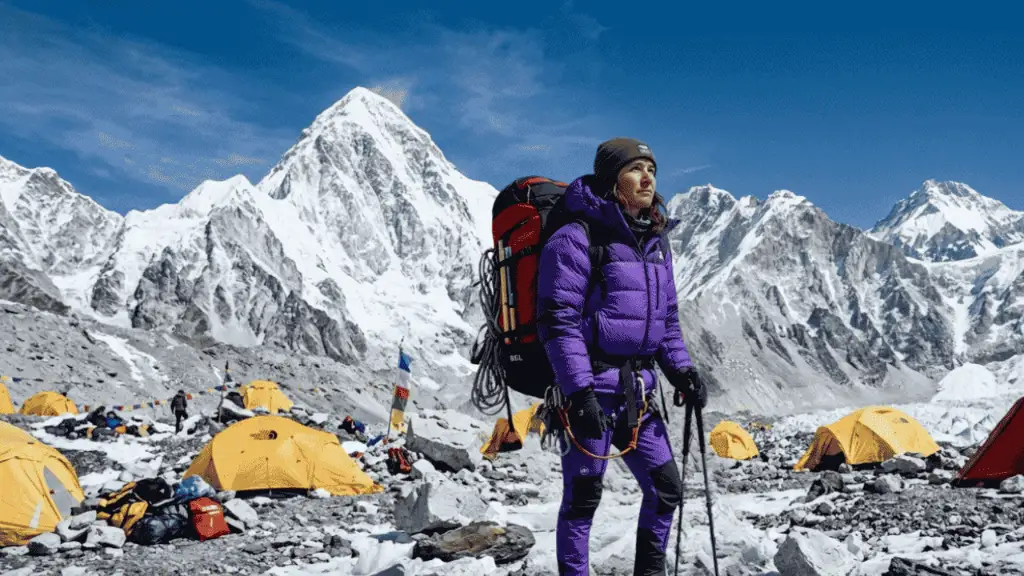
This is the story of the Sleeping Beauty of Mount Everest — a woman whose courage took her to the roof of the world, and whose tragedy left the entire mountaineering community speechless.
A Dream That Pushed the Limits
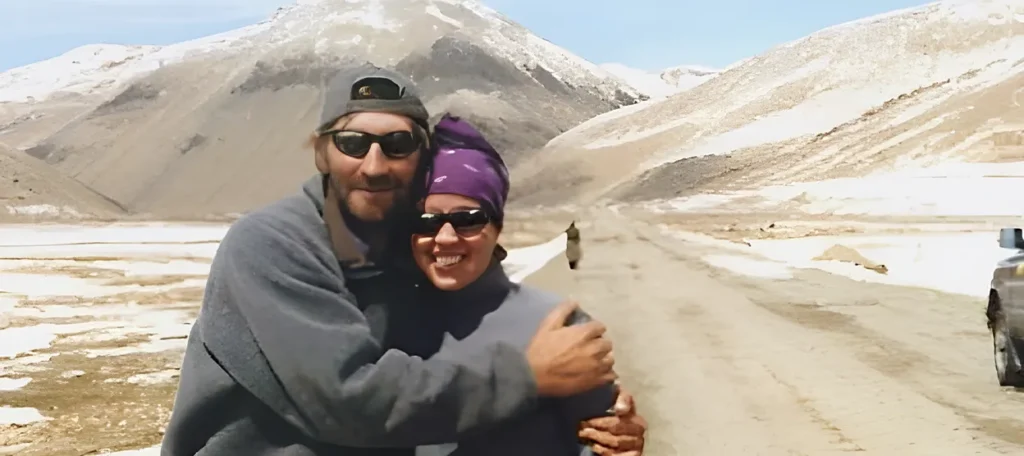
Francys didn’t climb alone. Her husband, Sergei Arsentiev, a seasoned Russian mountaineer, stood by her side every step of the way. Together, they trained, planned, and pushed through one of the most physically demanding environments on Earth.
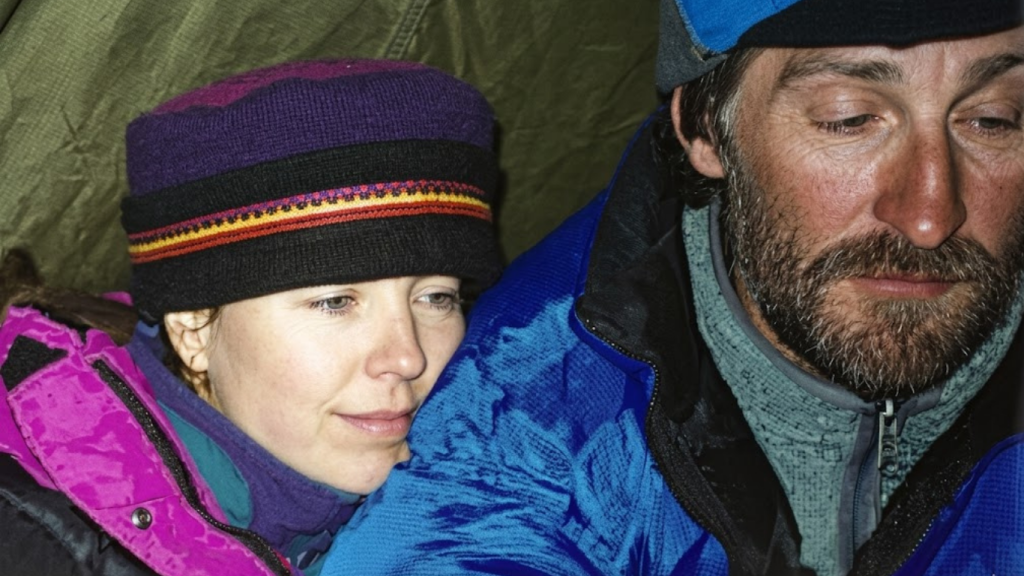
Eventually, after days of grueling effort, they reached the summit.
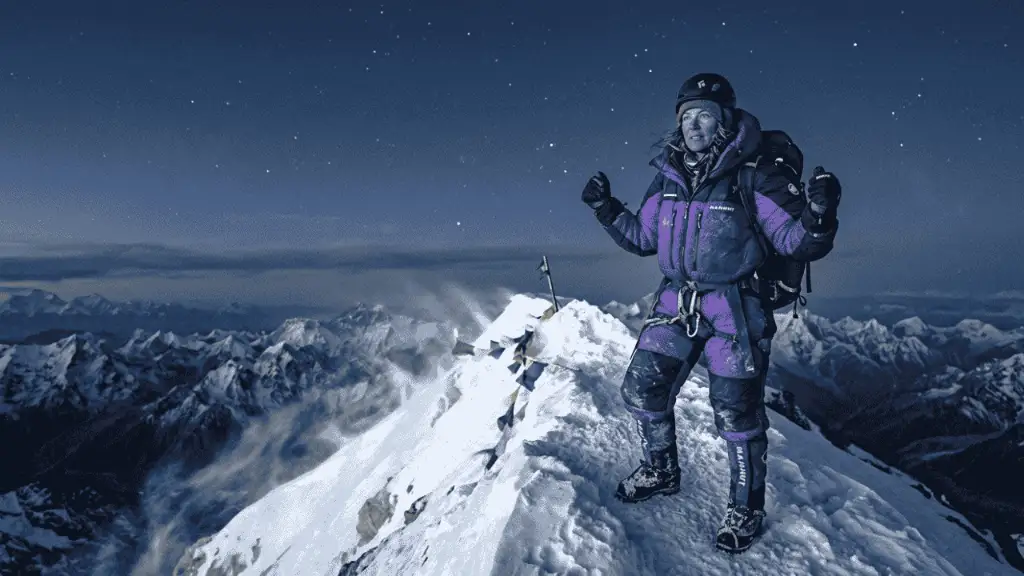
For a brief moment, they stood on top of the world — no bottled oxygen, just raw human endurance. It was a moment most climbers only dream about. However, on Everest, reaching the top is only half the journey. The real danger begins on the way down.
The Descent Into Danger
As Francys and Sergei began their descent, her condition deteriorated rapidly. Extreme exhaustion, plummeting temperatures, and the invisible enemy of oxygen deprivation began to shut her body down. She had entered what climbers grimly call the Death Zone — the altitude above 8,000 meters where the human body cannot survive for long.
Because of this, every step downward became a fight for survival.
That night, the couple had no choice but to stop and wait in the open, exposed to temperatures that could kill within hours. By morning, they had somehow become separated. Sergei pushed ahead, desperately searching for help and rescue equipment.
He never made it back.
A Husband Lost Trying to Save His Wife
Sergei’s body was later found on the mountain. According to accounts, he died after a fatal fall — believed to have occurred while he was trying to get back to Francys with help. In his final hours, he was doing what he had always done: fighting for the woman he loved.
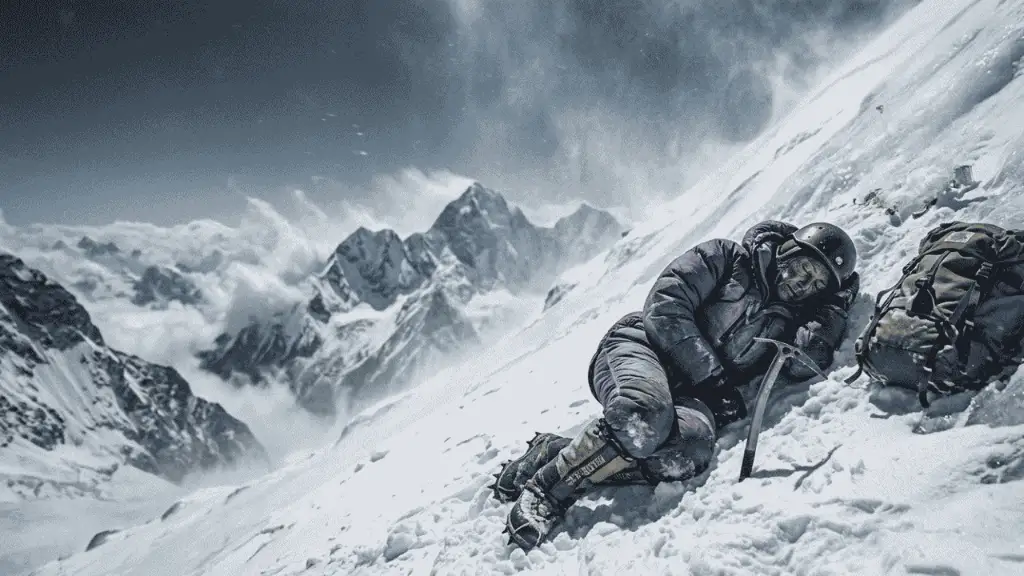
Meanwhile, Francys lay alone on the slope, alive but barely.
Mount Everest Dead Bodies: The Haunting Truth About the World’s Highest Graveyard
The Agonizing Choice on the Mountain
The following day, two climbers — Ian Woodall and Cathy O’Dowd — came across Francys during their own descent. She was still breathing. Her hands and feet were ravaged by severe frostbite. She could not move, and she was slipping in and out of consciousness.
They tried everything they could. For hours, they worked to keep her alive, holding her, speaking to her, attempting to get oxygen into her system.
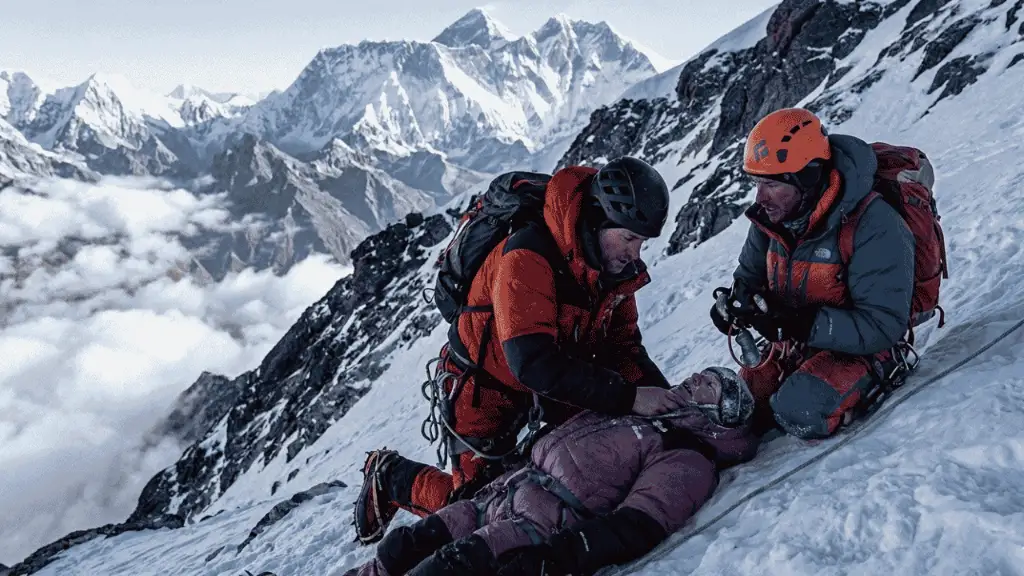
In addition, other passing climbers also stopped briefly, trying to assist. But at that altitude, with limited resources and brutal weather closing in, physically carrying someone down the mountain was nearly impossible.
As a result, Woodall and O’Dowd faced a decision that would haunt them for the rest of their lives.
They had to leave her behind.

The Sleeping Beauty of Everest
Francys Arsentiev passed away on the slopes of Mount Everest, alone in the cold.
Her body, preserved by the extreme temperatures, lay in a peaceful, almost serene position. For years, climbers making their way up the mountain would pass her. Her calm, motionless appearance in the snow gave her a name that carries both beauty and sorrow — the Sleeping Beauty of Everest.
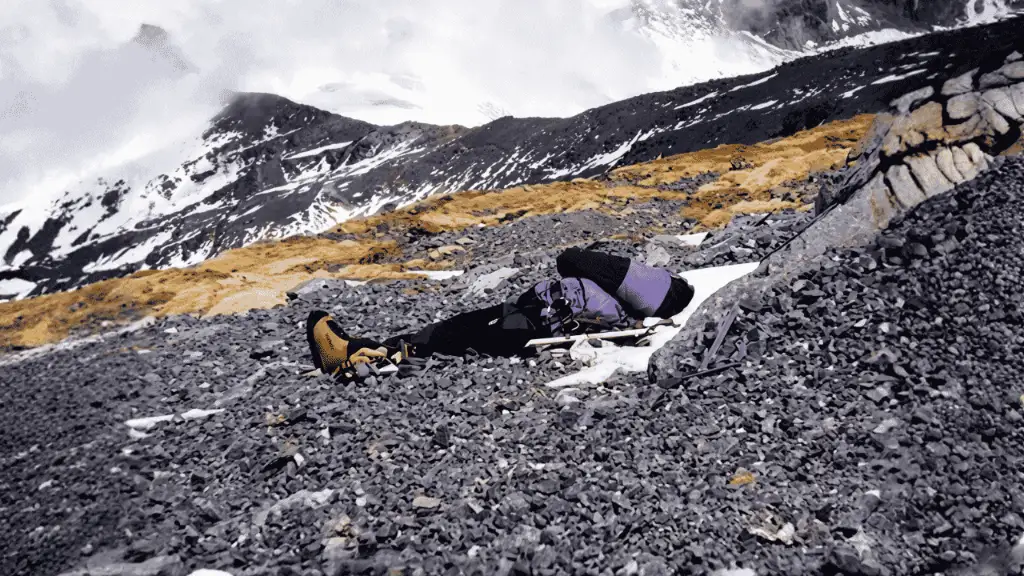
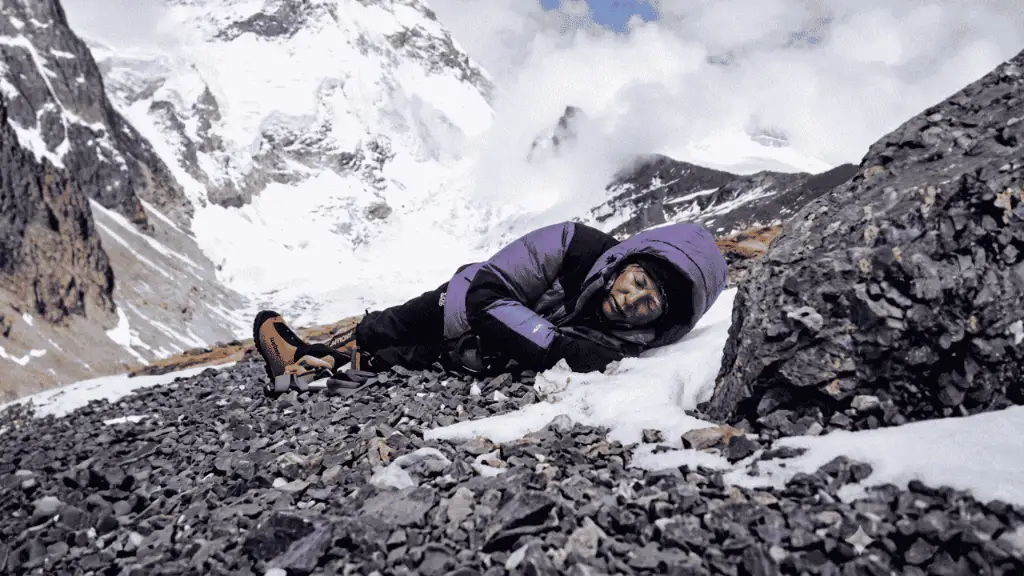
It was a nickname no one wanted to give. But somehow, it captured everything: the stillness, the grace, and the heartbreak of what had happened there.
A Final Act of Respect
For nearly a decade, her remains remained on the mountain, a silent and sobering presence along one of Everest’s most-traveled routes. Then, in 2007, Ian Woodall returned — not to climb, but to give Francys the dignity she deserved.
He led a private mission to carefully move her body to a resting place away from the public trail, wrapping her in an American flag as a final farewell.
It was a quiet act of love from the man who had never stopped thinking about the woman he couldn’t save.
Why Her Story Still Matters
Francys Arsentiev’s story is more than a cautionary tale about high-altitude climbing. It is a story about what it means to chase a dream with everything you have — and the price that sometimes comes with it.
She reached the summit. She achieved what she set out to do. However, the mountain reminds us that achievement and survival don’t always walk hand in hand.
For example, her story has inspired climbers, writers, and everyday people around the world to think differently about ambition, risk, and sacrifice. It has also sparked important conversations about the ethics of leaving injured climbers behind in extreme conditions — a debate that continues in the mountaineering community to this day.
Conclusion: The Legend of the Sleeping Beauty of Everest Lives On
Francys Arsentiev will forever be remembered as the Sleeping Beauty of Everest — a woman who dared to dream bigger than almost anyone, and who gave everything in pursuit of that dream.
Her husband died trying to save her. A stranger moved her body to give her peace. And the world remembers her not as a failure, but as a symbol of extraordinary courage.
Afterward, every climber who hears her name pauses for a moment. Because her story doesn’t just live on the mountain — it lives in every person who has ever stood at the edge of something terrifying and chosen to take the next step anyway.
Rest in peace, Francys. The world remembers.