

The Boy Who Stayed Awake for 11 Days – The Shocking Sleep Experiment of Randy Gardner (1964)
In 1964, seventeen-year-old Randy Gardner remained awake for 264 hours as part of a high school science project. Supervised by Stanford researchers, the experiment documented severe cognitive decline, including hallucinations and memory loss. This case remains a significant reference point for understanding the psychological and physical limits of sleep deprivation.
Despite experiencing extreme mental and physical deterioration over eleven days, Gardner recovered without apparent long-term damage after a period of extended sleep. The study highlights the brain’s rapid decline during prolonged wakefulness and reinforces sleep as a fundamental biological necessity for maintaining cognitive stability and overall human health.
In 1964, a 17-year-old student named Randy Gardner conducted one of the most extreme human experiments ever recorded—not in a lab, but as a high school science project. What started as curiosity turned into a groundbreaking case that pushed the limits of human endurance and revealed the terrifying effects of sleep deprivation.
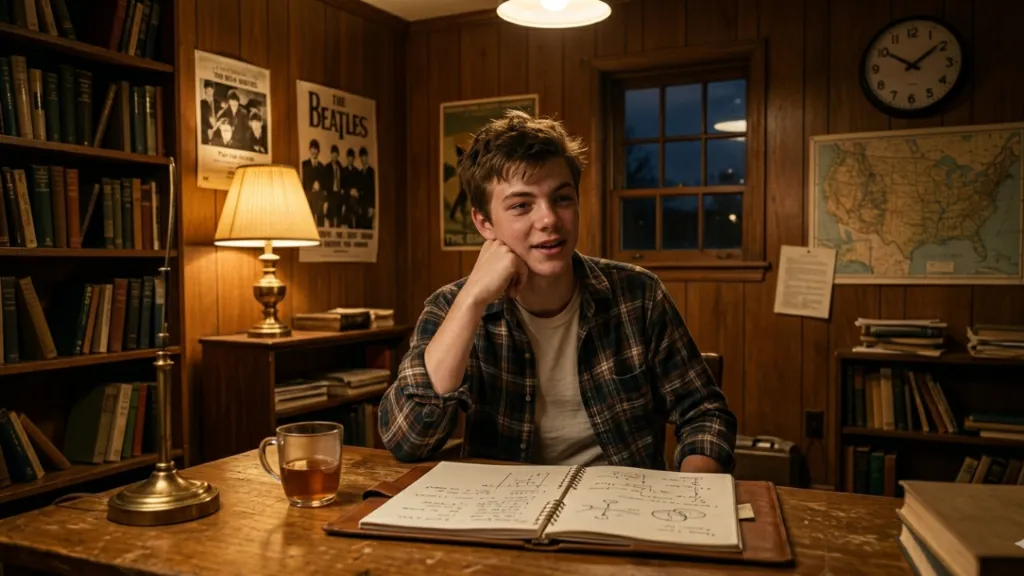
This is the true story of how long a human can survive without sleep—and what it actually does to the brain and body.
Who Was Randy Gardner?
Randy Gardner was an ordinary American teenager with no formal scientific background. Along with his friends Bruce McAllister and Joe Marciano, he decided to test a simple but dangerous question:
“What happens if a human doesn’t sleep?”
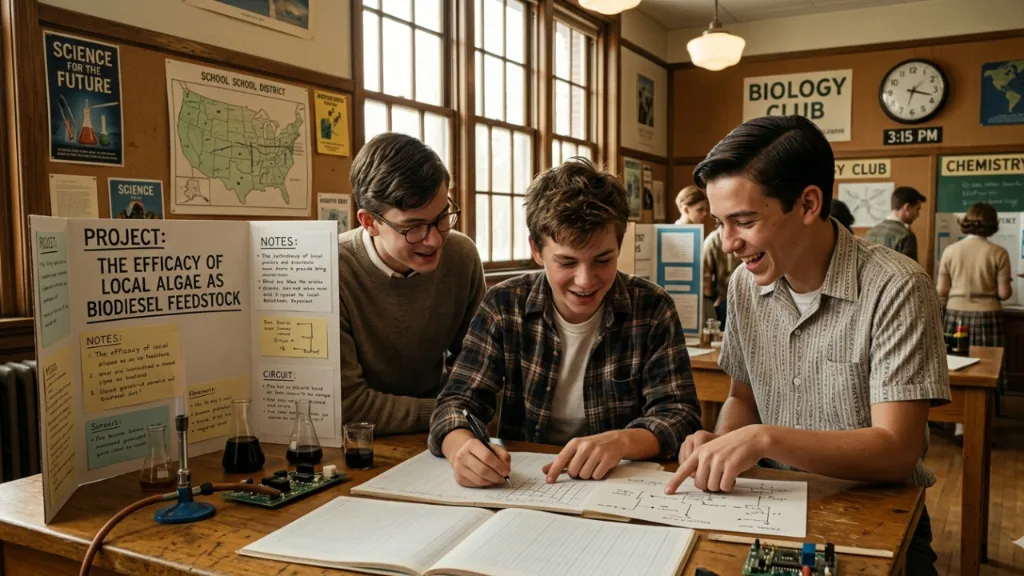
To ensure credibility, sleep researcher Dr. William Dement from Stanford University later supervised and monitored the experiment.
The Goal of the Experiment
The objective was clear:
To observe the physical, cognitive, and psychological effects of prolonged sleep deprivation.
Randy was kept awake under constant observation, and every behavioral change was carefully recorded.

Timeline of the Experiment
First 24 Hours – Mild Fatigue
Initially, Randy showed only slight tiredness. He could talk normally and function with minimal issues.
After 48 Hours – Cognitive Decline Begins
- Difficulty concentrating
- Memory lapses
- Slower responses
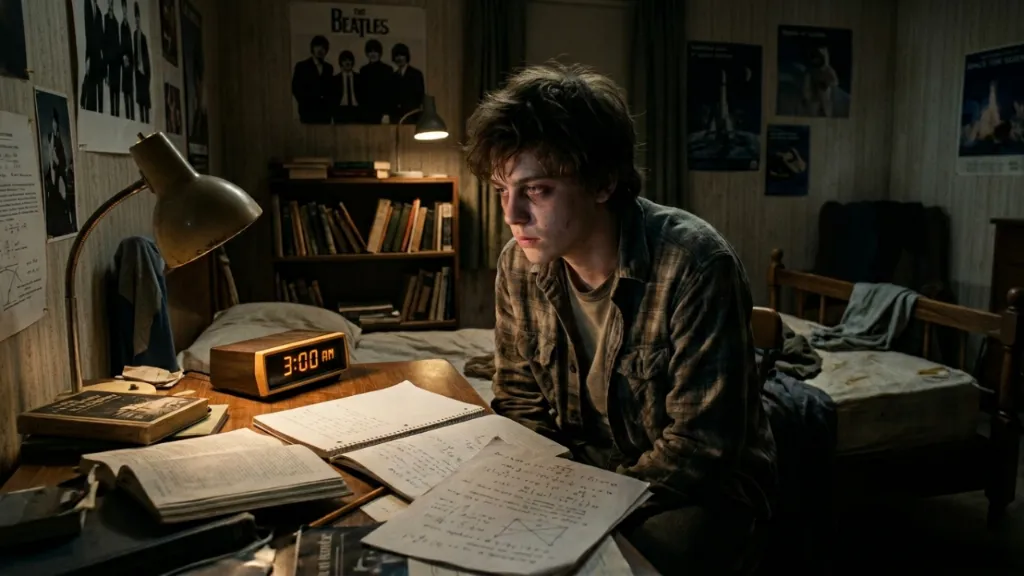
His brain started struggling with basic mental tasks.
72 Hours – Mental Fog
- Confusion increased
- Trouble recognizing objects
- Disorganized speech
At this stage, his perception of reality started weakening.
96 Hours – Hallucinations Start
This was a major turning point. Randy began experiencing:
- Visual hallucinations
- Paranoia (believing others were talking about him)
- Distorted reality
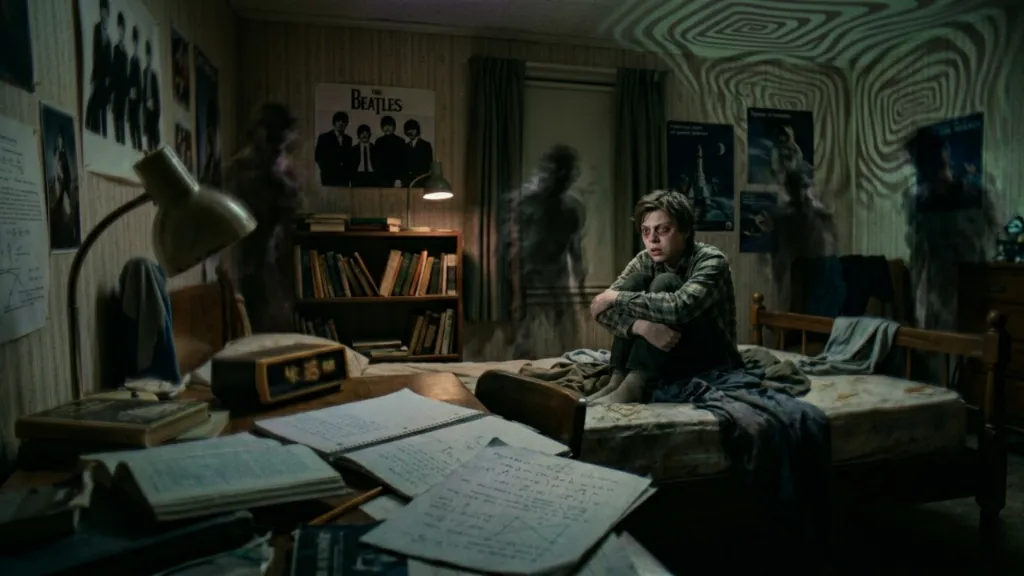
His brain could no longer clearly separate imagination from reality.
Day 5 (120 Hours) – Physical Breakdown
- Slurred speech
- Poor coordination
- Red, strained eyes
- Weak motor skills
Even basic movements became difficult.
Day 6–10 (150+ Hours) – Psychological Instability
- Mood swings
- Repetitive speech
- Anxiety and confusion
- Personality changes
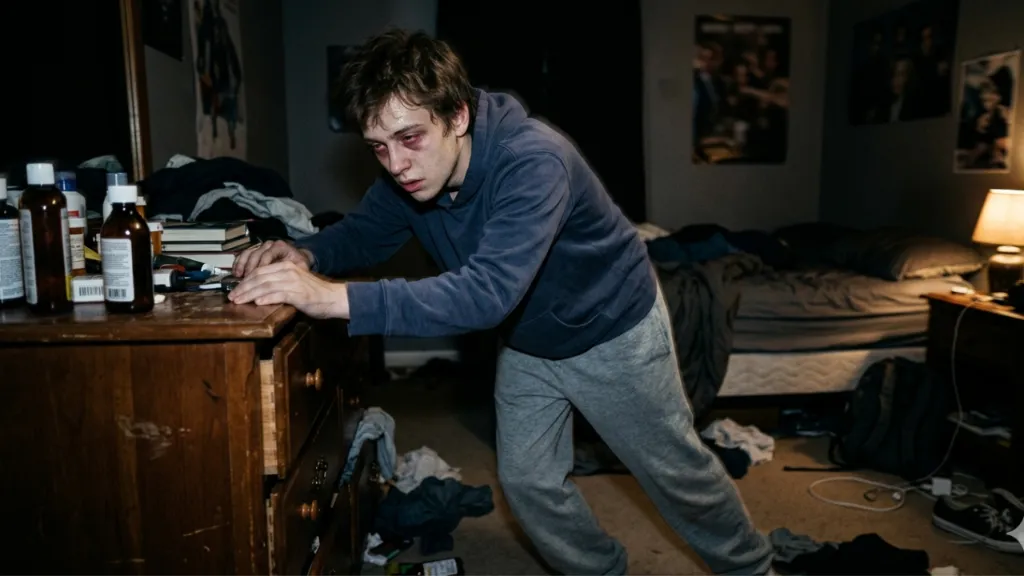
His mental state became unpredictable and unstable.
The Final Record – 264 Hours (11 Days)
Randy Gardner successfully stayed awake for 264 hours, setting a world record for sleep deprivation.
By the end:
- Severe cognitive impairment
- Memory issues
- Lack of focus
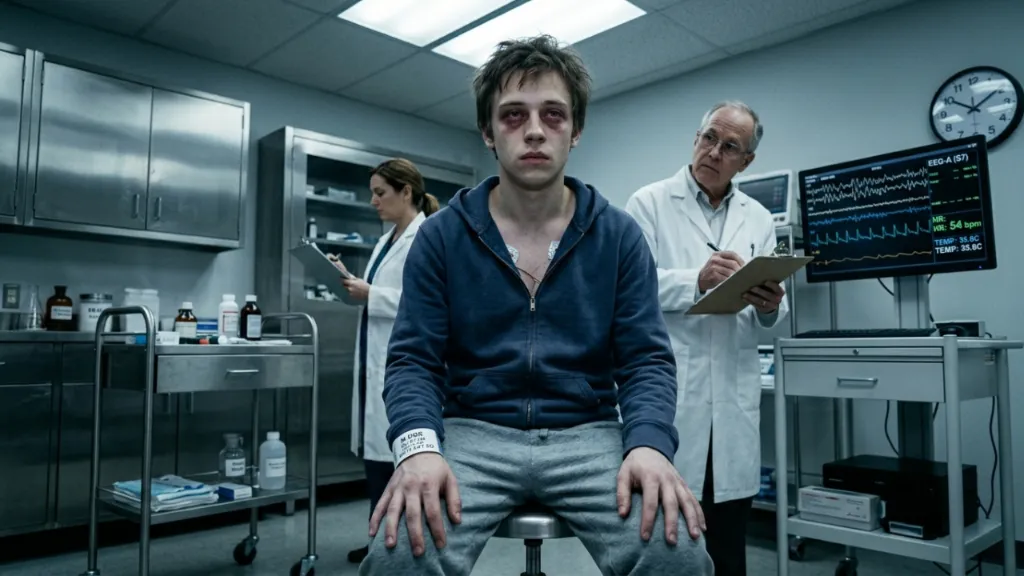
However, he survived, which shocked scientists worldwide.

What Happened After He Slept?
Surprisingly, Randy did not suffer long-term damage.
- He slept for about 14 hours initially
- Gradually returned to normal sleep patterns
- No permanent psychological disorders were reported

This raised an important question:
Is sleep deprivation temporarily damaging—or permanently dangerous?
Scientific Insights from the Experiment
This case became a cornerstone in sleep research. Scientists concluded:
- Sleep is essential for brain function and decision-making
- Lack of sleep quickly affects memory and focus
- Hallucinations can start within just 3–4 days
- The brain deteriorates faster than the body
Criticism of the Experiment
Although famous, the study was not fully controlled by modern scientific standards.
- No advanced brain imaging tools
- Limited medical monitoring
- Ethical concerns (today, such an experiment wouldn’t be allowed)
Despite this, it remains one of the most documented real-life cases.
Why This Experiment Still Matters Today
Randy Gardner’s story is still referenced in modern neuroscience and psychology.
It highlights a powerful truth:
Sleep is not optional—it’s survival.
In today’s fast-paced world, where people sacrifice sleep for productivity, this experiment serves as a warning.
Final Thoughts
This wasn’t just a school project—it was a real-life demonstration of human limits.
Randy Gardner proved that while the human body can endure extreme stress, the mind begins to collapse much earlier.
Sleep is not a luxury. It’s a biological necessity. Ignore it—and your brain will force you to pay the price.