

Particle Accelerator and the Human Brain: The Real Story of Anatoli Bugorski
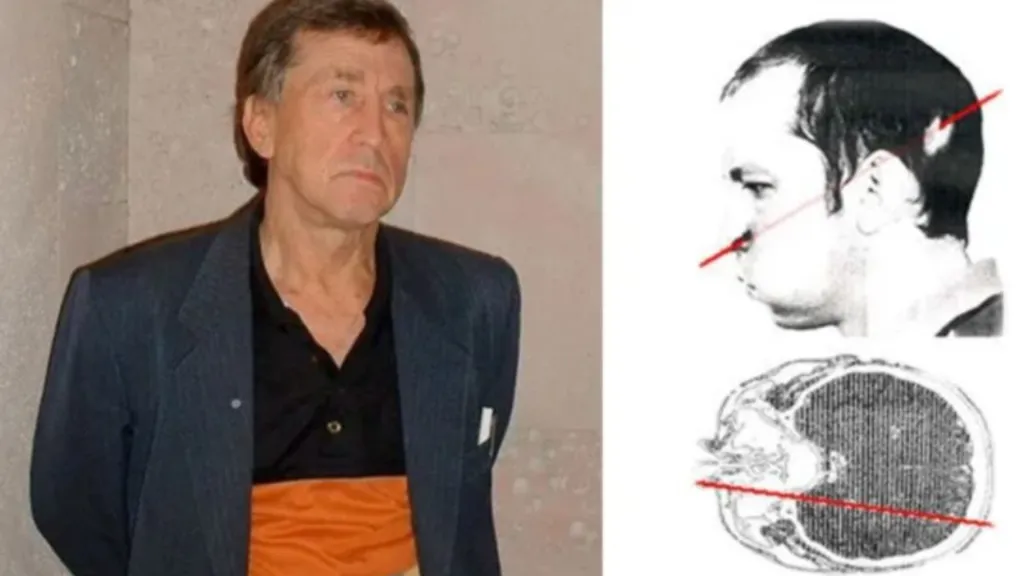
In 1978, a Soviet physicist named Anatoli Bugorski survived one of the most bizarre scientific accidents in history. While working at a particle accelerator, he was accidentally exposed to a high-energy proton beam — something that should have been instantly fatal. Yet, he lived.
But how much of the viral story is true?
What Actually Happened?
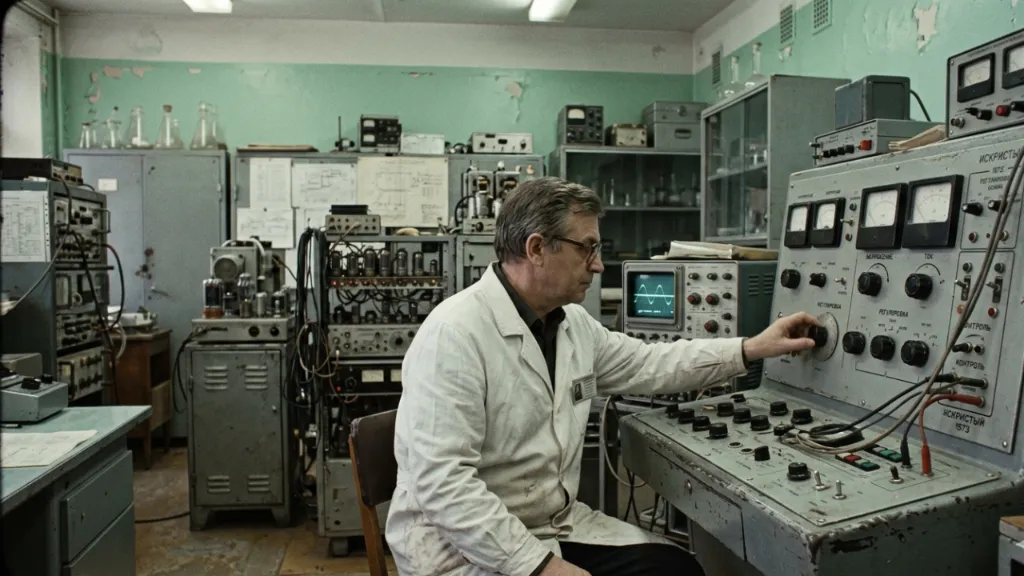
Bugorski was working at the U-70 Synchrotron, one of the most powerful particle accelerators in the Soviet Union.
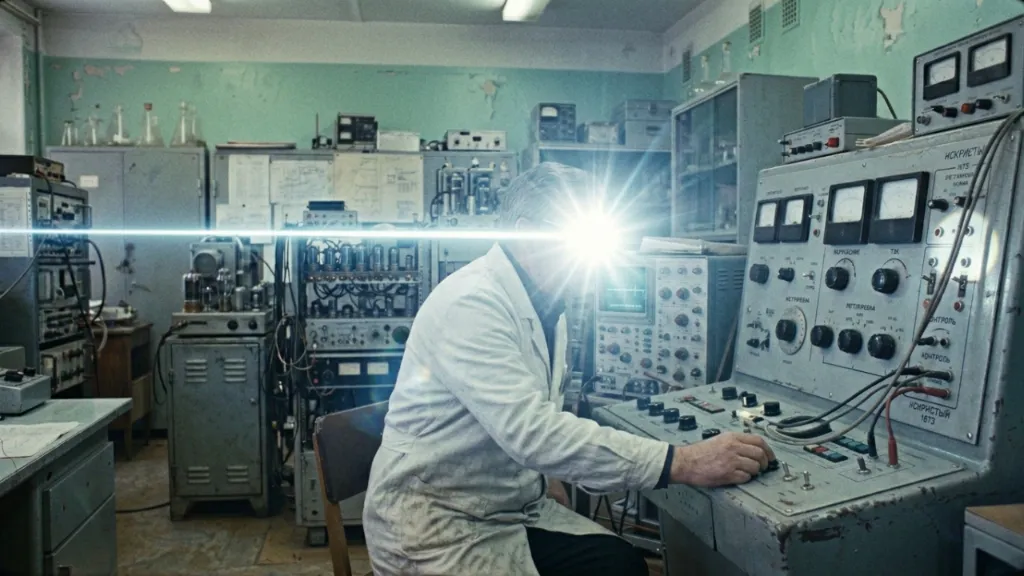
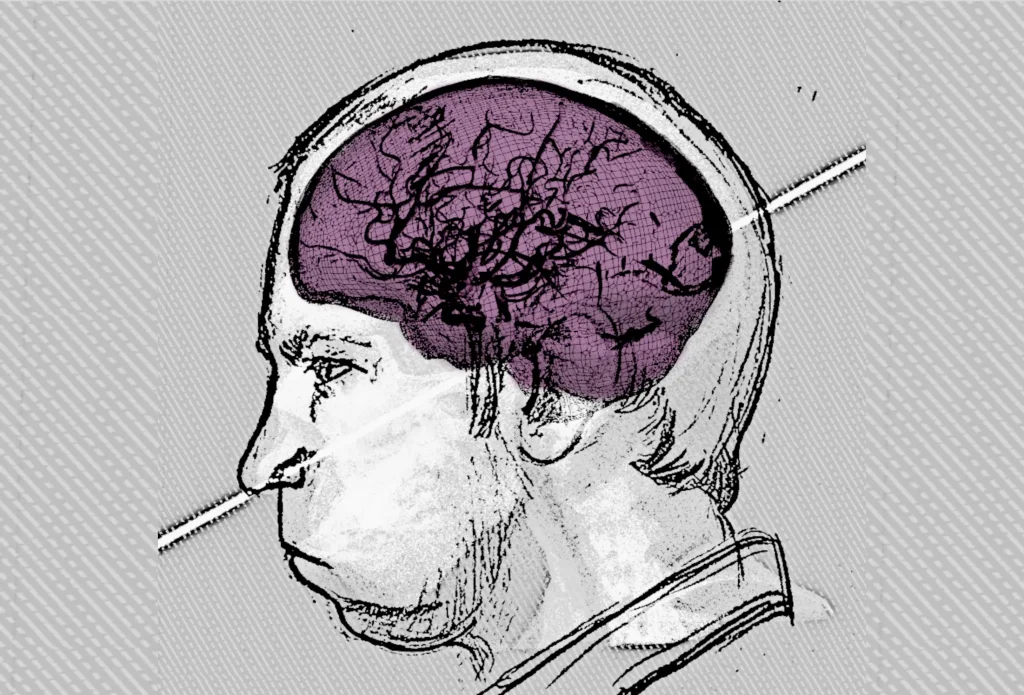
Due to a malfunction in the safety system, he leaned in to inspect a part of the machine — unaware that it was still active. At that moment, a narrow, extremely high-energy proton beam passed through his head.
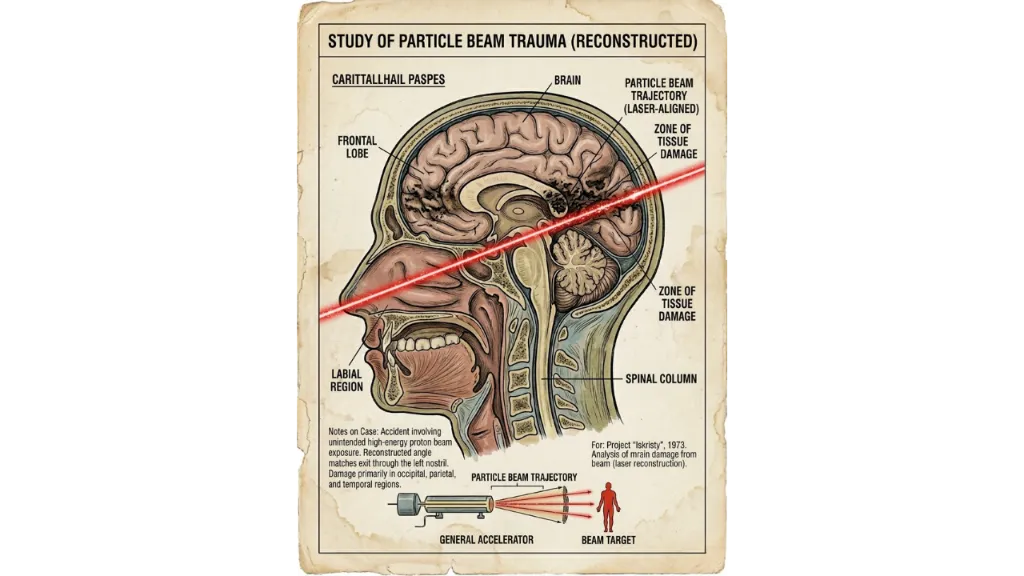
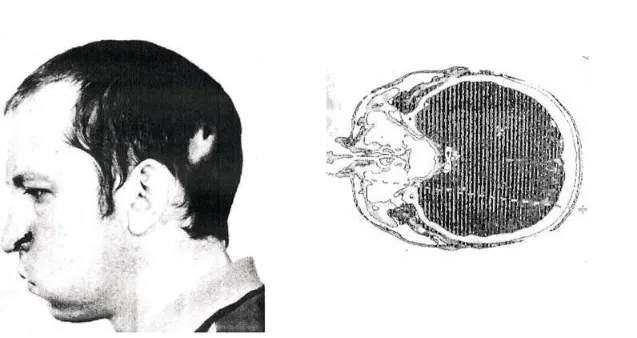
- Entry point: back of the head
- Exit point: near the nose/face
- Beam speed: near the speed of light
- Temperature/energy: enough to destroy tissue instantly
What Did He Experience?
According to Bugorski himself:
- He did not feel pain at the moment
- He reported seeing a flash “brighter than a thousand suns”
- There was no immediate burning sensation
This matches how high-energy radiation can pass through nerves faster than pain signals are processed.

Why Didn’t He Die?
Scientifically, this is the most fascinating part.
The proton beam was:
- Extremely narrow (microscopic path)
- Highly focused, damaging only a small area
Instead of destroying the entire brain, it created a localized path of damage, somewhat like a needle passing through.
The Real Consequences
The viral version often exaggerates his condition. Here are the actual effects:
Severe Damage (Facts)
- Part of his brain tissue was destroyed
- He lost hearing in one ear
- Half of his face became paralyzed
- He suffered chronic seizures (epilepsy)
The “Half Face Doesn’t Age” Myth
The claim that “half his face stayed young forever” is misleading.
Reality:
- The affected side had nerve damage and paralysis
- Lack of muscle movement can reduce wrinkles, giving an illusion of “less aging”
- It was not a superpower, but a medical side effect
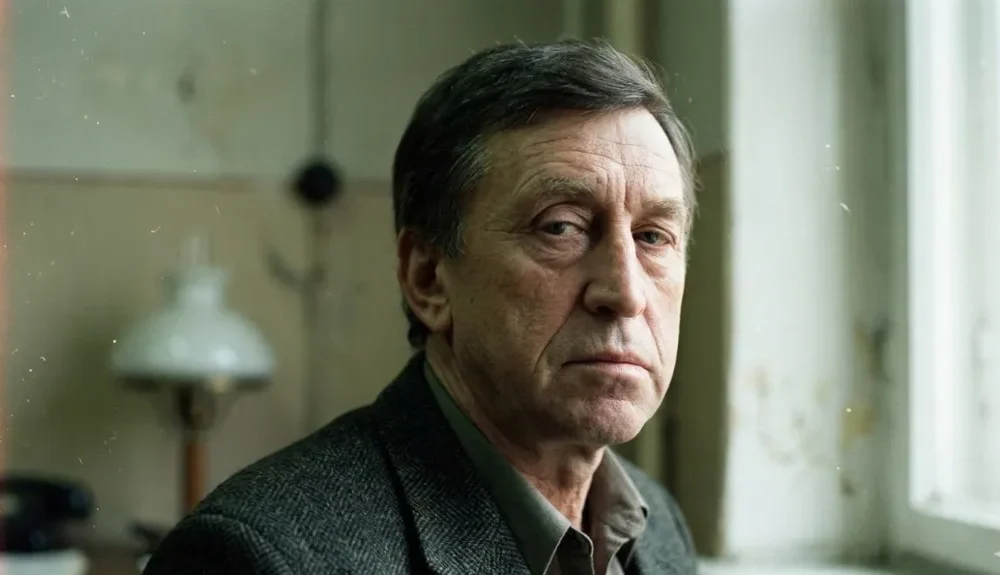

Did He Fully Recover?
No.
However:
- He completed his PhD
- Continued working as a scientist
- Lived a relatively functional life despite complications
This shows extreme resilience, not immunity.
Scientific Significance
This accident became an important real-world case in:
- Radiation biology
- Brain injury studies
- High-energy particle safety
It demonstrated how focused radiation can cause precise but devastating damage.

Final Thoughts
The story of Anatoli Bugorski is not about “human superpowers” — it’s about:
- The strange behavior of high-energy physics
- The limits and resilience of the human body
- And the importance of safety in scientific research
Conclusion
The human body is strong, but not magical. Bugorski didn’t walk away unharmed — he survived against extreme odds, but with lifelong consequences.