

Nirav Modi PNB Scam: How a Jeweler Fooled a Bank
Nirav Modi orchestrated a massive banking fraud by obtaining fraudulent Letters of Undertaking from Punjab National Bank. By bypassing internal software and exploiting communication gaps between banking systems, Modi secured billions in loans without collateral. This scheme funded a global luxury jewelry empire before collapsing in early 2018.
The fraud was uncovered when new bank officials requested collateral for routine transactions, revealing massive unrecorded liabilities. Following a formal investigation, authorities seized Modi’s global assets. He was eventually arrested in London, where he remains in custody while facing extradition to India for his role in the scam.
In January 2018, a small team of executives walked into a bank branch in Mumbai to ask for something routine. They had done it a thousand times before.
This time, a new official said no.
That single refusal cracked open the Nirav Modi PNB scam — a fraud so vast it would shake India’s entire banking system. At the center of it stood a soft-spoken jeweler once hailed as the “Cartier of India.”
This is how he built an empire on borrowed trust, and how it all came crashing down.
From Antwerp to Mumbai
The story begins in 1989. An 18-year-old named Nirav Modi arrived in India from Belgium.
He came from a Gujarati family with generations in the diamond trade. However, Modi didn’t just want to be another wholesale diamond dealer.

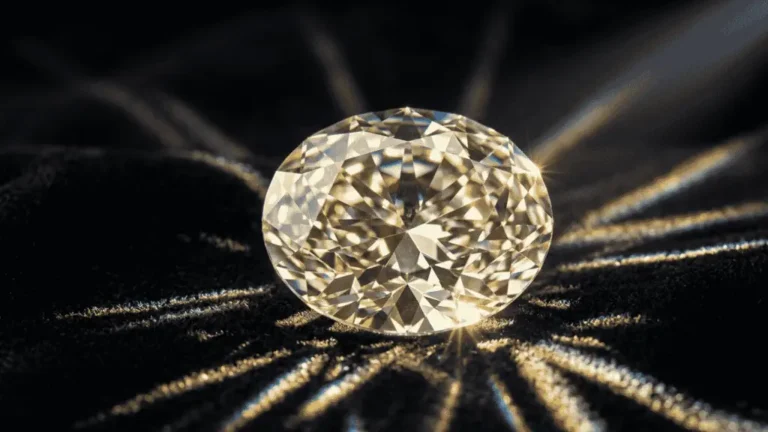
He wanted something bigger. He dreamed of building India’s first true luxury diamond brand — a name that could stand beside Cartier and Tiffany.
The Necklace That Made Him Famous
Modi founded Firestar International and spent years mastering the diamond business. Then, in 2010, everything changed.
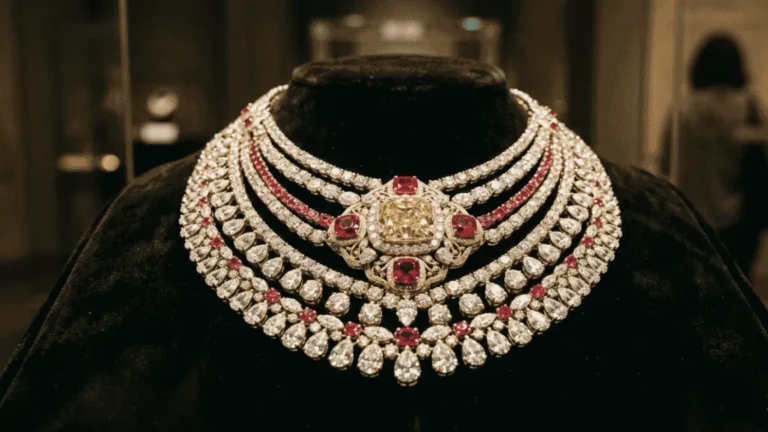
A diamond necklace he designed, the Golconda Lotus Necklace, sold at a Christie’s auction in Hong Kong for roughly $3.5 million.
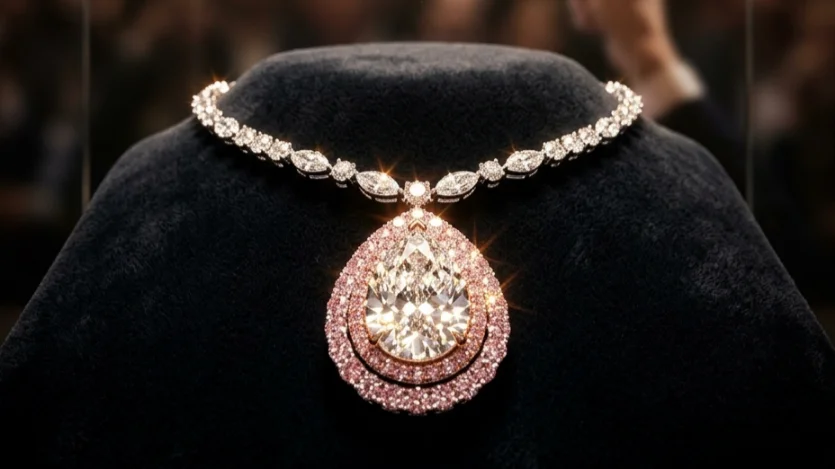
Overnight, Nirav Modi became a global name. He was the first Indian jeweler to appear on the cover of a major international auction catalogue.
Hollywood and Bollywood stars soon wore his jewelry on red carpets. His empire was growing fast. But behind the glamour, something else was quietly building too.
The Trick Behind the Trust
Diamond dealers need instant cash to buy rough stones from overseas suppliers. To get it, they rely on something called a Letter of Undertaking, or LoU.
A LoU is essentially a guarantee. A bank tells a foreign lender: if our customer doesn’t pay, we will.
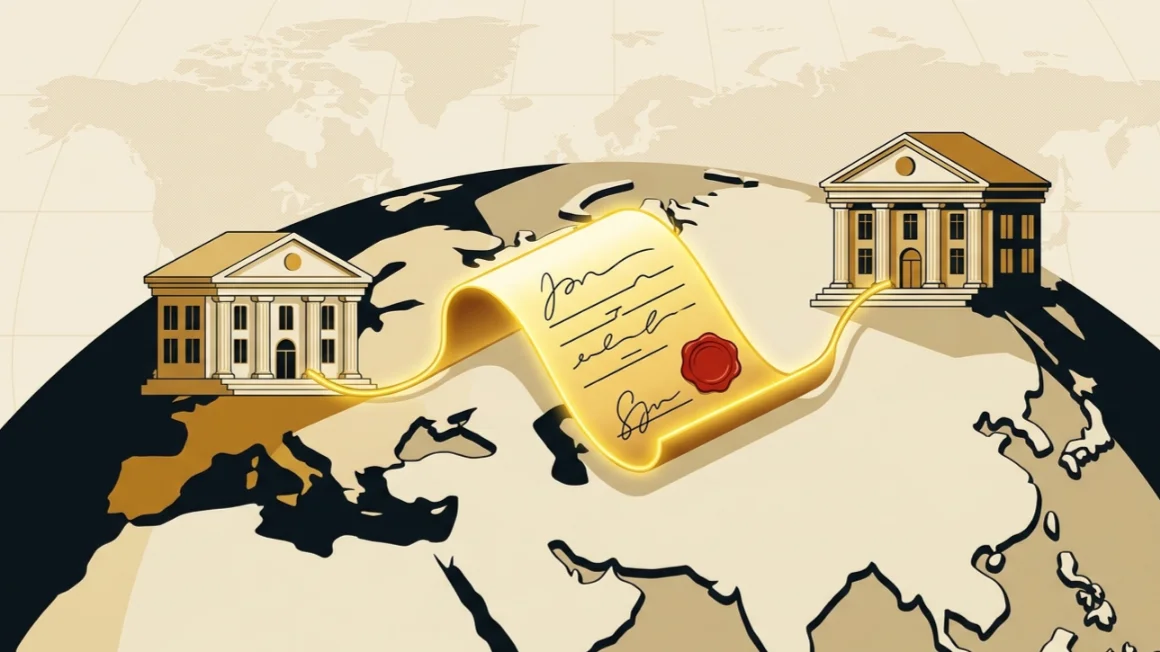
Normally, banks issue these guarantees only against solid collateral—property, cash, or other assets held with them.
Nirav Modi found a way around that requirement entirely.
A Banker Who Broke Every Rule
At Punjab National Bank’s Brady House branch in Mumbai, Modi found a corrupt deputy manager named Gokulnath Shetty.
Shetty began issuing LoUs to Modi’s companies without demanding any collateral at all — a direct violation of standard banking procedure.

Inside the Nirav Modi PNB Scam: The Loophole Nobody Caught
Every transaction at PNB was supposed to be logged in Finacle, the bank’s core software, which underwent regular audits.
Shetty found a way to slip past that safeguard. He sent the guarantees to foreign banks through SWIFT, the international bank messaging network, but never entered them into Finacle.
As a result, foreign banks believed PNB was backing these loans. They handed Modi’s companies billions of rupees, while PNB’s own records showed nothing was owed.

To keep the scheme running, Modi used each new fraudulent LoU to pay off the previous one. Over nearly seven years, his companies obtained more than 1,200 fake guarantees this way.
By the time the scheme finally collapsed, it had ballooned to over ₹14,000 crore — close to $2 billion.
Buying a Life of Luxury
That money didn’t sit in a vault. Modi poured it into boutiques in New York, London, and Hong Kong, in some of the most expensive real estate on earth.
Hollywood and Bollywood actresses wore his diamonds on red carpets around the world. Meanwhile, Modi lived like the billionaire he appeared to be.

He owned a private jet, luxury cars, and sprawling mansions. He mingled easily with some of the wealthiest people on the planet.
The House of Cards Collapses
Gokulnath Shetty retired from PNB in May 2017. Without his cover, the scheme had lost its protector, though it took months for the cracks to show.
On January 1, 2018, Modi quietly left India with his family, sensing that time was running out.
Two weeks later, his team returned to the bank for another LoU. This time, a new official — unaware of the old arrangement — asked for collateral, as bank rules required.
When staff checked the records, they found nothing. Finacle showed no trace of the guarantees. Yet SWIFT records revealed that guarantees worth more than ₹14,000 crore had gone out in PNB’s name.
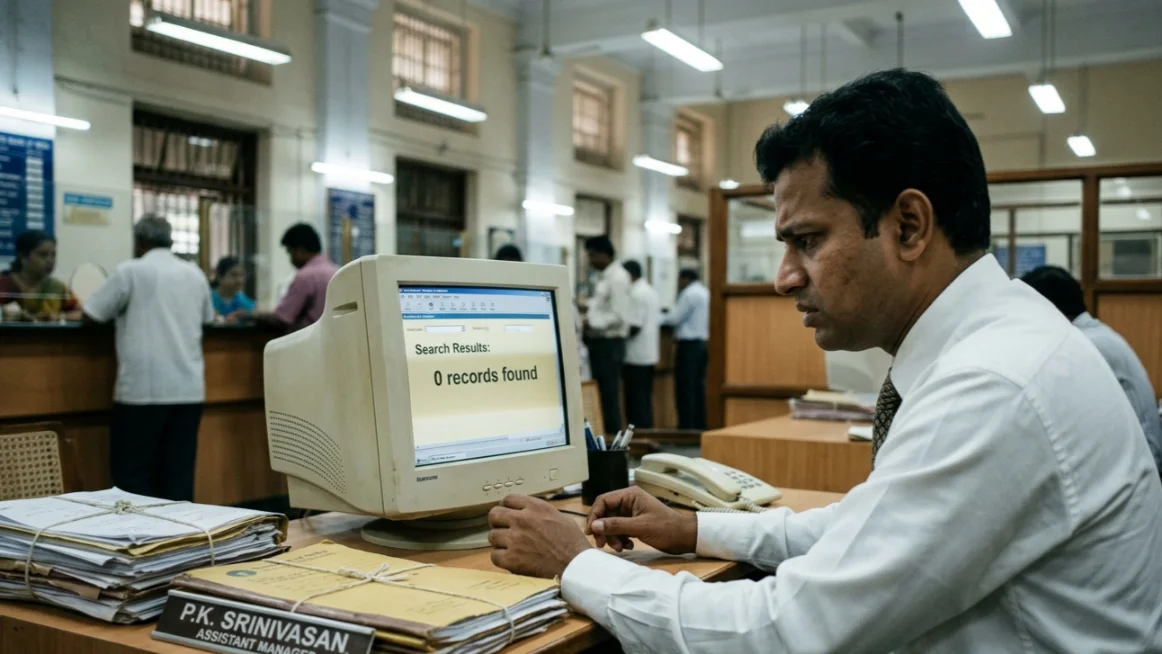
In February 2018, PNB filed a formal complaint with India’s Central Bureau of Investigation. As soon as the news broke, it sent shockwaves through the entire Indian banking sector.
Fleeing Justice: The Arrest in London
By then, Modi had already resurfaced in London, where he tried to rebuild his life quietly.
In early 2019, a newspaper investigation exposed his lavish lifestyle in the city, tracking him to a luxury apartment. The publicity made him impossible to hide.
In March 2019, Modi walked into a London bank branch to open a new account. A bank clerk recognized him from the news coverage and alerted the police.

British authorities arrested him on the spot. He was denied bail, jailed in London, and has remained in custody ever since as his extradition case to India dragged on for years. His assets and properties back home were seized by Indian authorities.
Fake Toll Plaza Scam Fooled Gujarat for 18 Months
Conclusion: A Cautionary Tale of Trust Betrayed
The Nirav Modi PNB scam remains one of the most staggering banking frauds in Indian history — not because of complex hacking or elaborate technology, but because of a simple gap between two systems and one banker willing to exploit it.
It’s a story about how quickly trust can be weaponized, and how far a lie can travel before anyone thinks to check the paperwork.
In the end, the diamonds were real. Everything else was an illusion built on a system nobody bothered to audit closely enough — until it was far too late.