

Half-Hangit Maggie: The Scottish Woman Who Survived Her Own Hanging
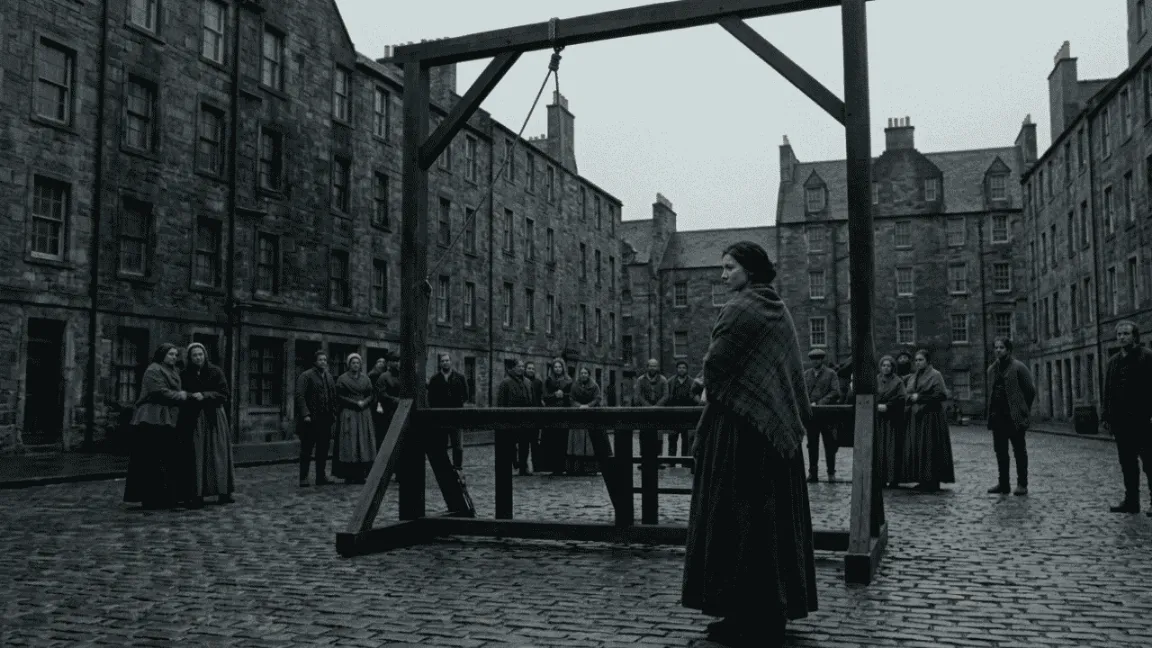
In 1724, Maggie Dickson was hanged in Edinburgh for concealing a pregnancy and the death of her infant. After being declared dead and placed in a coffin, she revived during transport to her burial. This survival led to her nickname and a unique legal situation.
Because Scottish law prevented punishing a person twice for the same crime, Dickson was granted a pardon and released. She lived for forty more years, eventually becoming a local legend. Today, her story is preserved through historical accounts and a namesake pub in the city’s Grassmarket district.
In 1724, a young Scottish woman was publicly hanged in Edinburgh. Doctors examined her body, declared her dead, and nailed her into a wooden coffin. Hours later, she knocked on the lid from the inside.
This is the extraordinary true story of Maggie Dickson — known forever after as “Half-Hangit Maggie“ — and how she became one of history’s most remarkable survivors.
A Young Woman, a Secret, and a Devastating Mistake
Maggie Dickson was only 22 years old when her life took a tragic turn. After separating from her husband, she moved to a new town to start over. There, she began a relationship with the son of a local innkeeper.
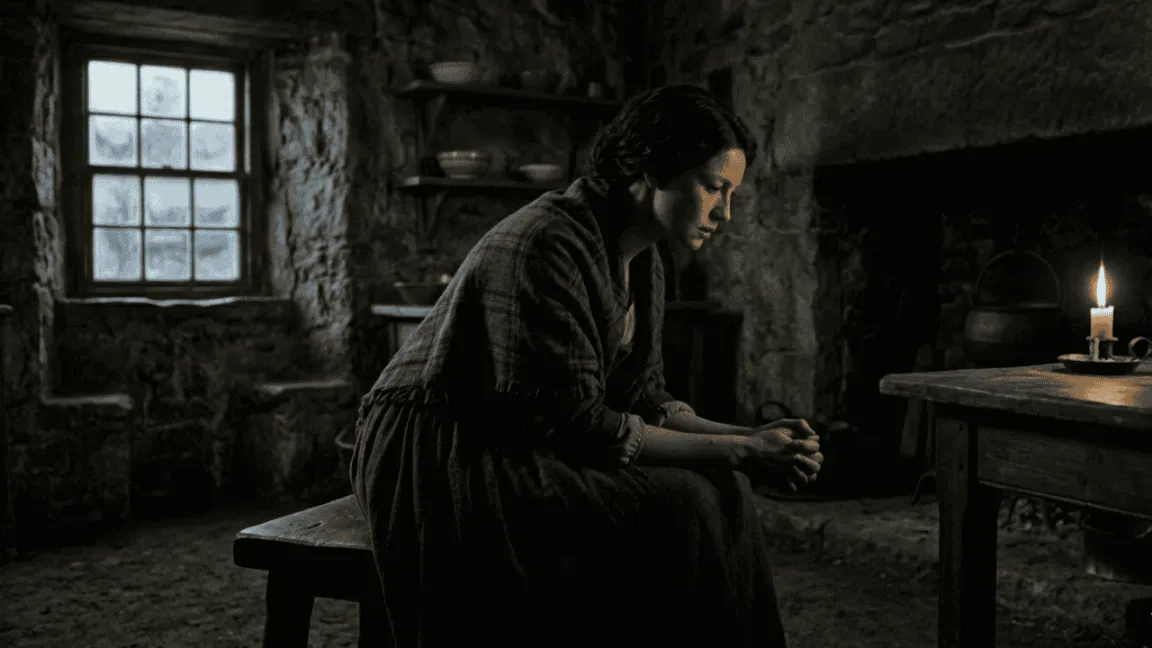
When Maggie discovered she was pregnant, fear took over. The laws of 18th-century Scotland were brutal toward unmarried mothers. She could lose her job, her reputation, and everything she had built.
So she hid the pregnancy from everyone around her.
However, tragedy struck before she could figure out her next move. The baby arrived prematurely and died shortly after birth.
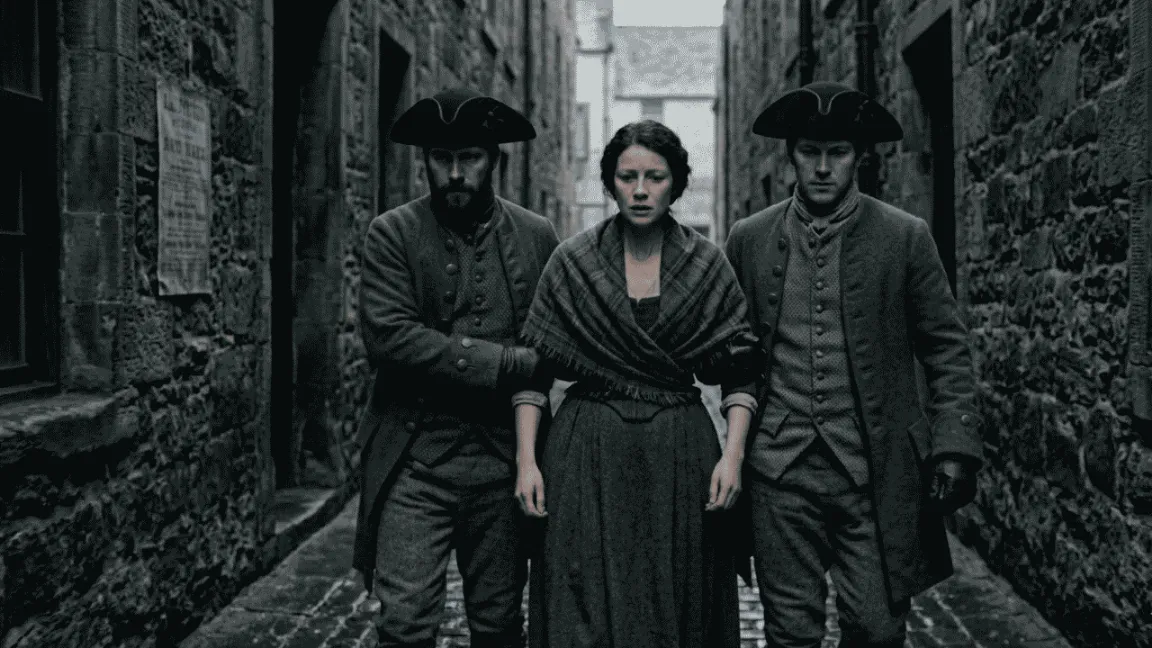
Desperate and terrified, Maggie attempted to leave the infant’s body near a riverbank. Someone discovered what had happened. Authorities arrested her, and the courts showed no mercy.
She was sentenced to death by hanging.
The Day Edinburgh Watched Maggie Hang
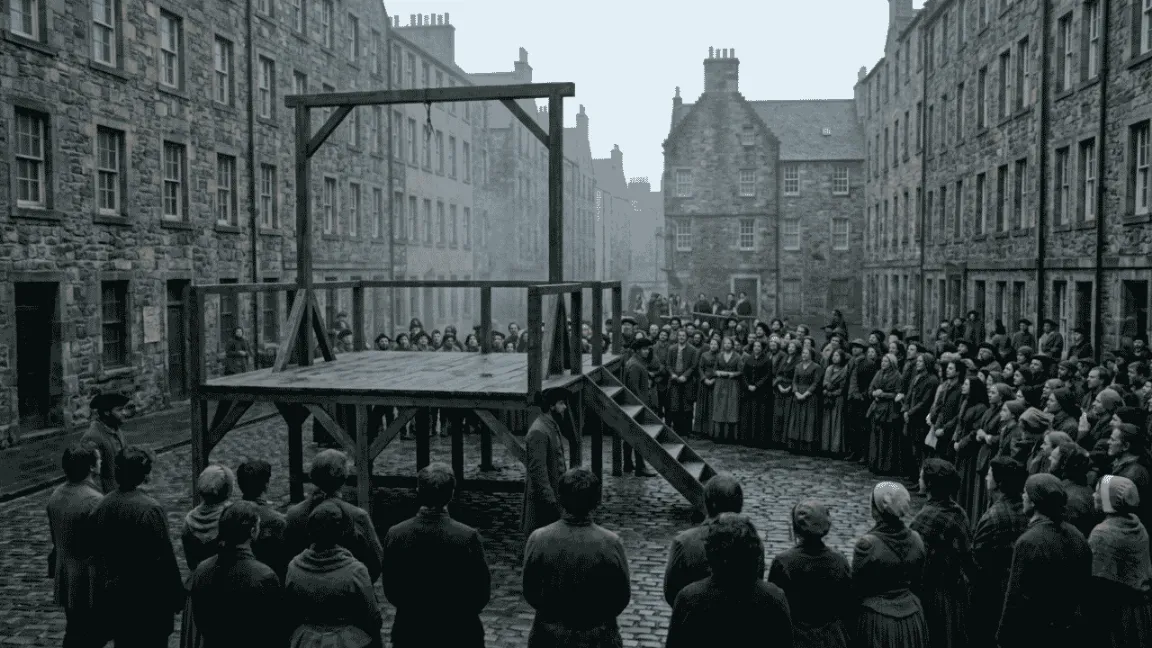
In September 1724, Maggie Dickson was led to a public gallows in Edinburgh. A crowd gathered to watch. The sentence was carried out.
Afterward, physicians examined her body carefully. They checked for a pulse, looked for signs of breathing, and found nothing. Maggie was officially, medically, and legally declared dead.
Her body was placed inside a wooden coffin. Workers hammered nails into the lid. The coffin was then loaded onto a cart to be transported back to her hometown of Musselburgh for burial.
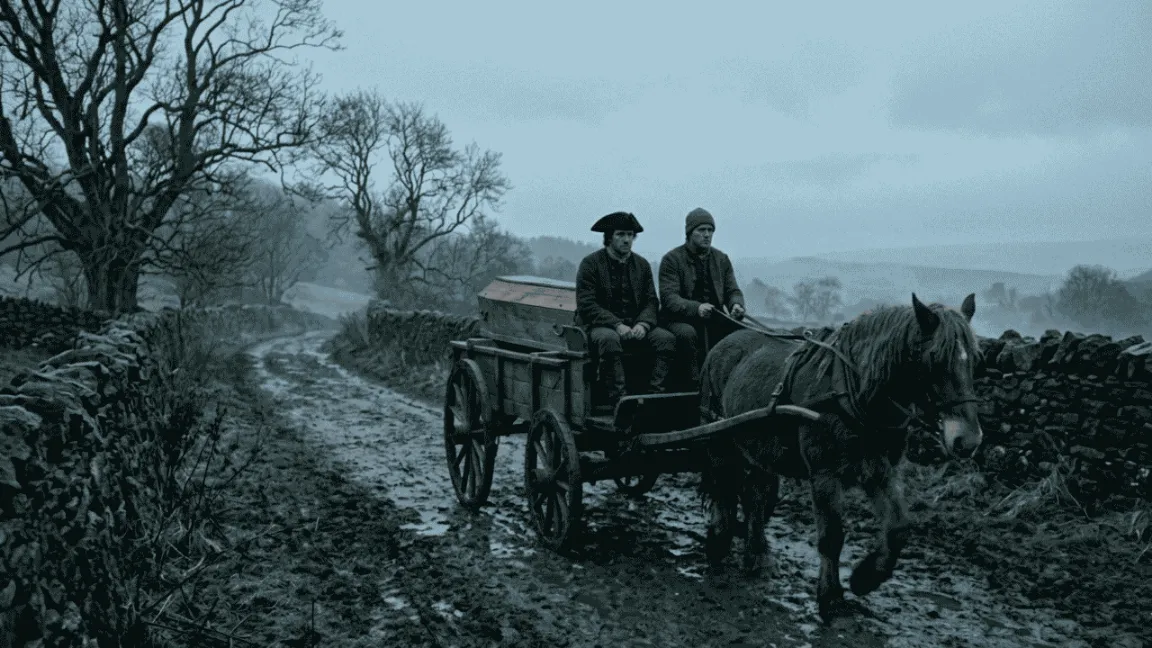
For all of Edinburgh, the matter was closed.
The Coffin That Started Moving
The cart carrying Maggie’s coffin made slow progress along the road. Eventually, the drivers stopped at an inn to rest and take refreshments.
That’s when something impossible happened.
The coffin began to shake.
Then came sounds — muffled at first, then unmistakable. Banging. Movement. A human voice from inside the sealed wooden box.

The drivers stared at each other in horror. With trembling hands, they pried open the coffin lid.
Maggie Dickson was alive.
The jolting of the cart along the rough road had — against all odds — restarted her heart. She was breathing, conscious, and very much present.
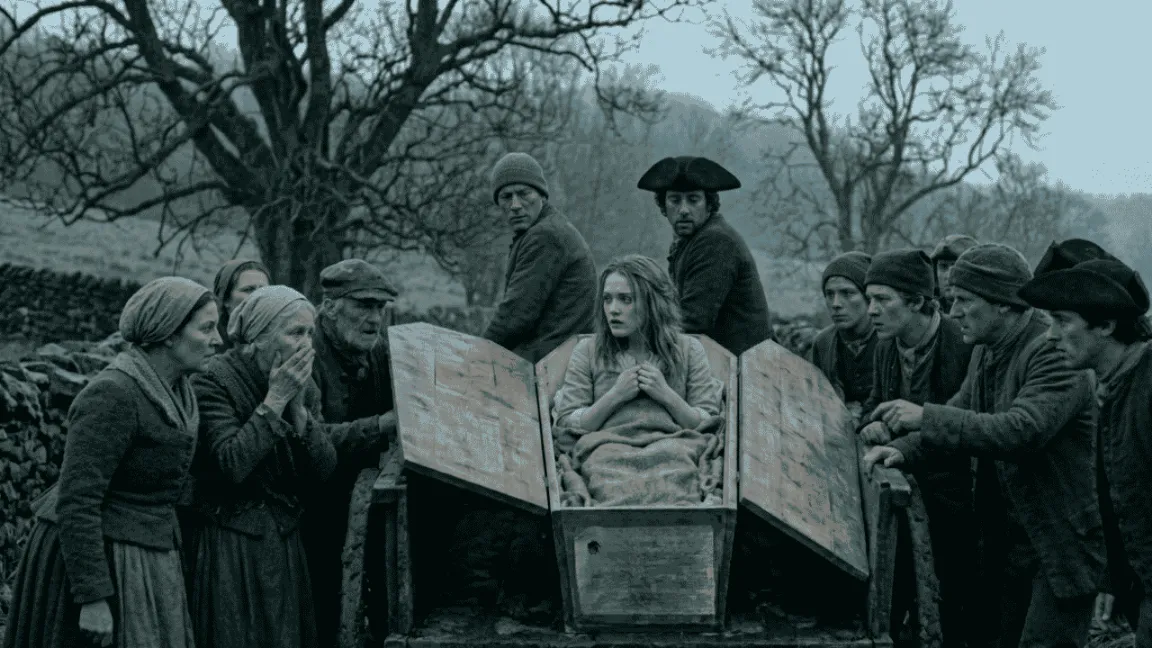
As a result, what should have been a quiet funeral procession turned into one of the most sensational events in Scottish history.
How “Half-Hangit Maggie” Defeated the Law Itself
Word spread across Edinburgh like wildfire. Meanwhile, the legal system faced a problem it had never encountered before.
Scottish law had sentenced Maggie Dickson to death by hanging. That sentence had been carried out. She had been declared dead by qualified physicians.
But she was sitting up in her coffin, very much alive.
When the case returned to the courts, judges found themselves in an impossible position. Scots Law at the time contained no provision for re-executing a person who had already served their sentence.
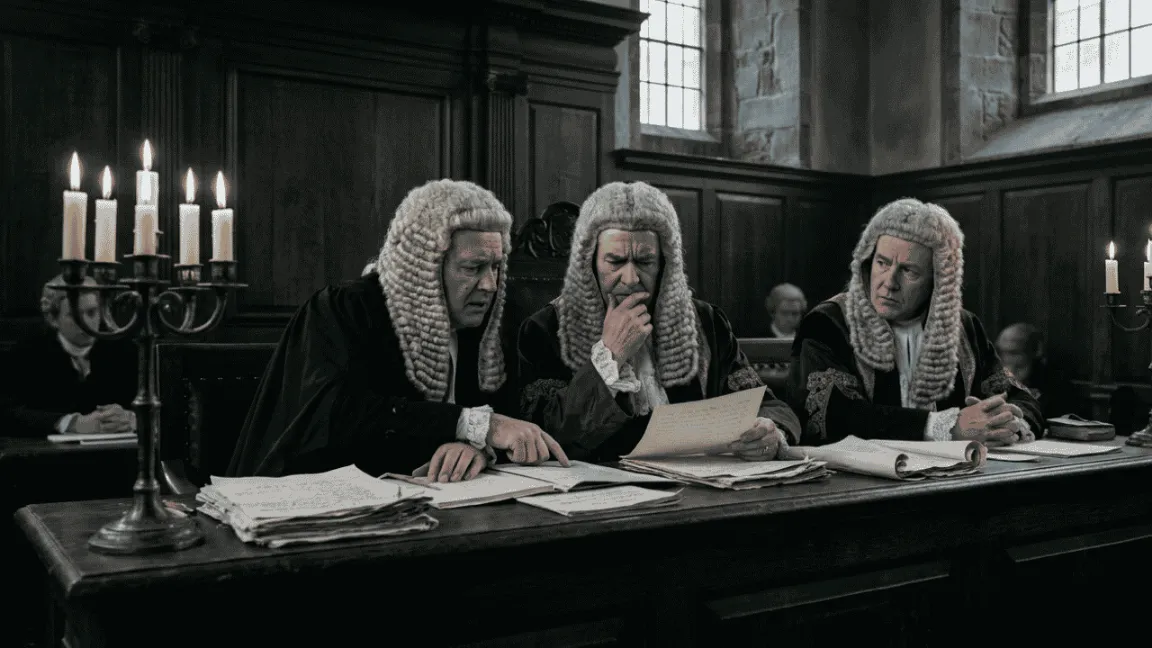
The legal principle was clear: no person can be punished twice for the same crime.
Because of this, the court had no legal ground to hang her again. Maggie was formally released. A royal pardon followed, and she walked out of the legal system a free woman.
Lois Royce and the Schoolhouse Blizzard: A Story of Courage, Sacrifice, and Survival

A Celebrity Born from the Gallows
Maggie Dickson did not disappear quietly into obscurity. In fact, the opposite happened.
Her survival made her an overnight sensation. People across Scotland talked about her story. For many, she represented something powerful — proof that fate could intervene even at the darkest moment.
In addition to her newfound fame, Maggie returned to normal life with remarkable resilience. She remarried — reportedly even reuniting with her estranged husband, since her legal “death” had technically dissolved their marriage — and went on to live for another 40 years after her execution.
She died of natural causes, having outlasted the very system that tried to end her life.
The Pub That Keeps Her Memory Alive
Today, a pub in Edinburgh’s Grassmarket district bears her name — Maggie Dickson’s — standing just steps from where she was hanged nearly 300 years ago.
The nickname “Half-Hangit Maggie” never left her. It followed her through the rest of her long life and has followed her name through the centuries ever since.
Edinburgh remembers her not as a criminal, but as a woman who refused — even unconsciously — to let the law have the final word.
Conclusion: The Legend of Half-Hangit Maggie Lives On
The story of Half-Hangit Maggie is more than a historical curiosity. It is a story about survival, legal absurdity, and the strange turns that real human lives can take.
Maggie Dickson was a young woman who made desperate choices under impossible pressure. She paid the ultimate price — and then, somehow, kept going.
Her story reminds us that history is not just made up of kings and battles. Sometimes, it lives in the extraordinary moments of ordinary people who refused to stay dead.