
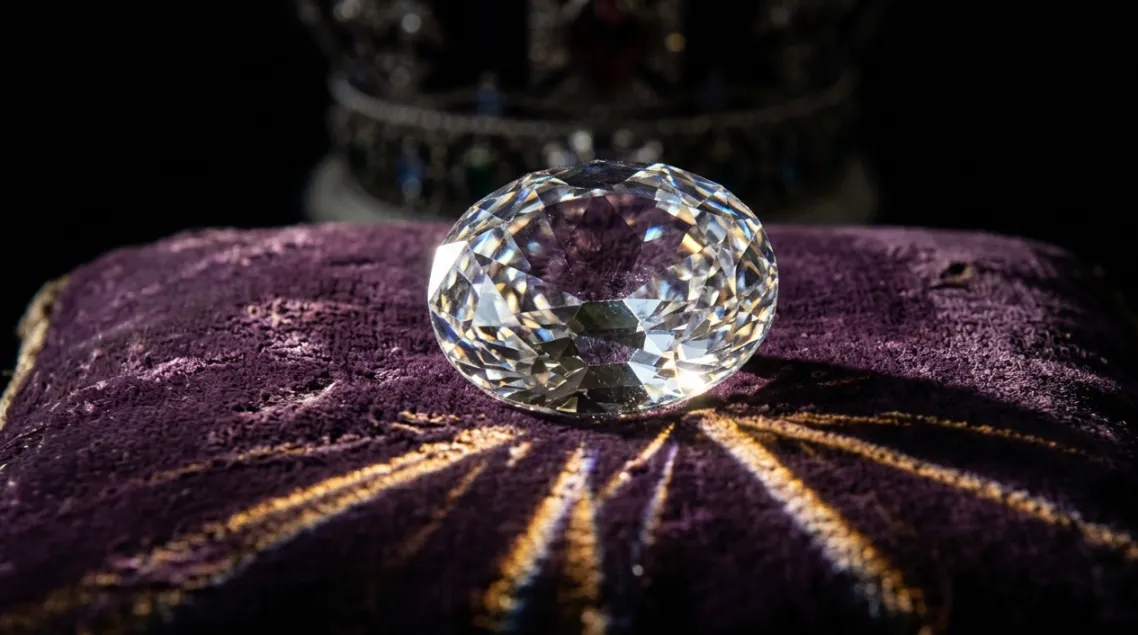
The Koh-i-Noor Diamond: Every Man Who Owned It Was Destroyed
The Koh-i-Noor diamond is famously associated with a prophecy claiming male owners face misfortune while women remain unaffected. Throughout history, this gemstone passed between the Mughal, Persian, Afghan, and Sikh empires. In each instance, male rulers suffered political ruin, imprisonment, or death shortly after gaining possession.
Following its transfer to the British Crown in 1849, the diamond was primarily worn by female monarchs. Despite its placement in the Crown Jewels, the British Empire underwent significant decline. Multiple nations now demand its return, maintaining the stone’s legacy as a controversial symbol of power and loss.
It has never been stolen. It has never been lost. And yet, every single man who ever called it his own ended up losing everything.
A throne. A dynasty. Sometimes his life.
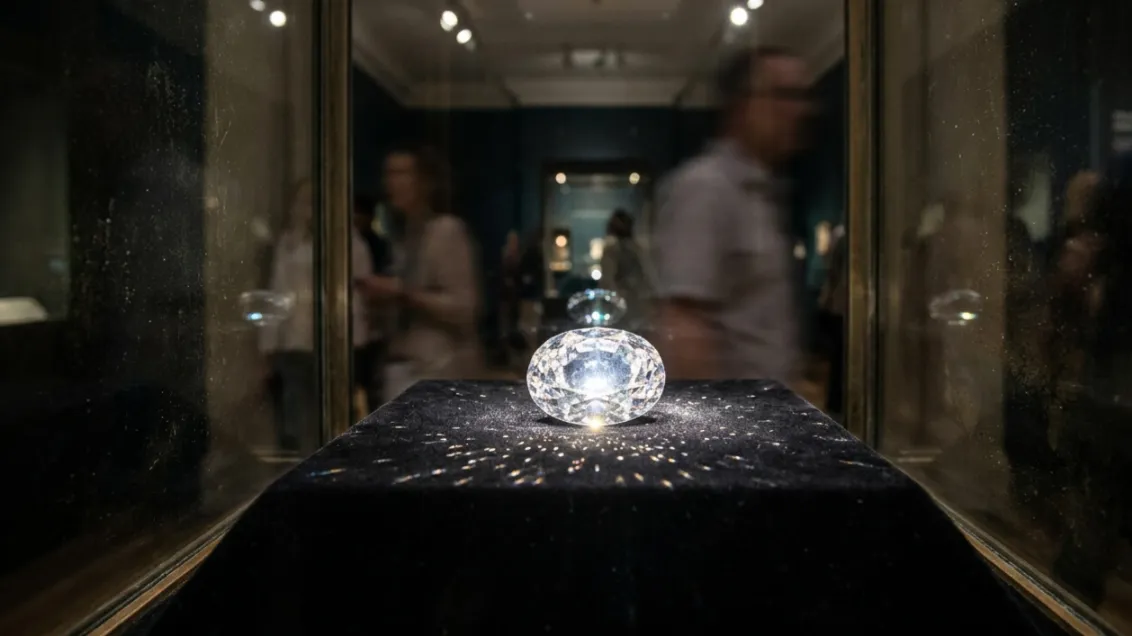
The Koh-i-Noor diamond is the most famous gemstone in the world — and possibly the most dangerous. Sitting quietly behind bulletproof glass in the Tower of London, it looks harmless enough. Beautiful, even.
But its history reads like a curse with a body count.
The Prophecy That Started It All
Before we get into the bloodshed, there is something you need to know.
An ancient Hindu text attached to this diamond carries a warning so specific that it is almost impossible to dismiss:
“He who owns this diamond will own the world — but will also know all its misfortunes. Only God, or a woman, can wear it without consequence.”
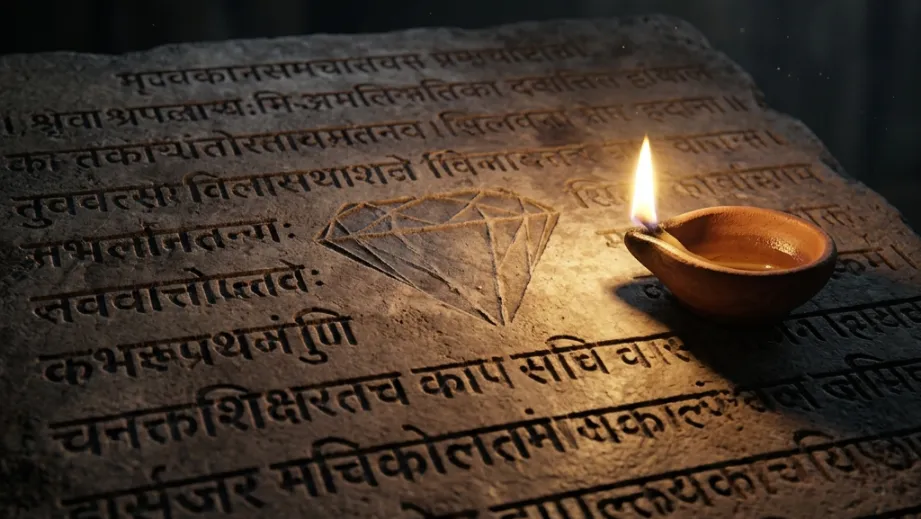
Every man ignored it. Every man paid.
What follows is no coincidence. It is a pattern — repeated across centuries, across continents, across empires — that refuses to go away.
The Mughal Emperors: A Dynasty That Destroyed Itself
The Koh-i-Noor entered the Mughal Empire at the height of its power. It should have stayed there forever.
It did not.
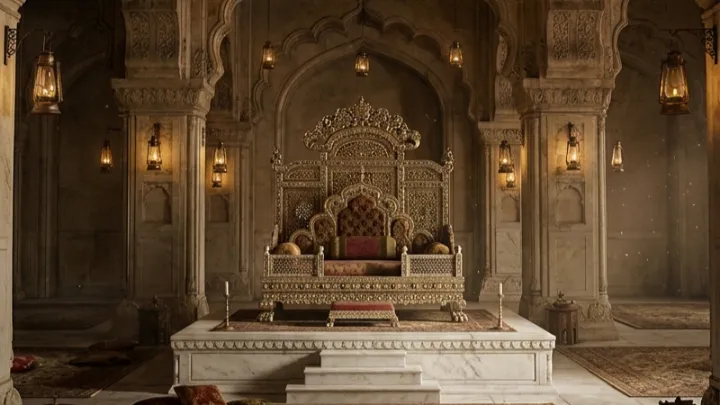
The stone sat in the legendary Peacock Throne of Emperor Shah Jahan, the man who built the Taj Mahal, one of the most powerful rulers on earth. Within years of owning the diamond, his own son Aurangzeb overthrew him, imprisoned him, and left him to die in a fortress staring at the monument he had built for his dead wife.
Aurangzeb then took the throne — and the diamond. He spent the rest of his reign in constant, exhausting war. By the time he died, the Mughal Empire had already begun to collapse. His successors fought each other with increasing desperation.
Within a generation, the empire that had ruled the subcontinent for centuries was barely holding together.
The Koh-i-Noor had been at its center the entire time.

Nadir Shah: He Named It, Then Died for It
In 1739, the Persian emperor Nadir Shah invaded Delhi and tore it apart. The city burned. The slaughter was catastrophic. And Nadir Shah left with the greatest treasures of the Mughal court — including the diamond.
He was so struck by the brilliance that he gave it its name: Koh-i-Noor — Mountain of Light.
He had eight years left to live.
In 1747, Nadir Shah was assassinated by his own officers, men from his personal guard, people he trusted completely. He was killed in his sleep.
The diamond passed to his successors. They immediately began killing each other over it.
His grandson Shah Rukh was captured by a rival, tortured, and blinded in an attempt to reveal where the stone was hidden. His eyes were gouged out. He eventually gave up the diamond to make the pain stop.
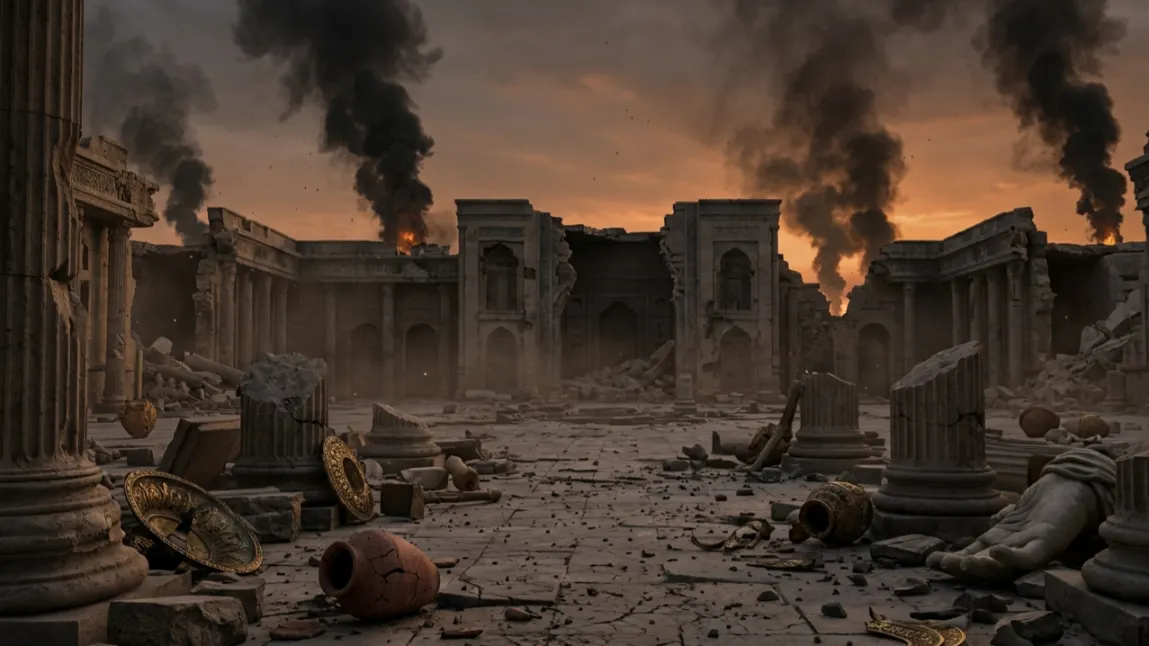
Eight years. That is all the Mountain of Light gave Nadir Shah.
The Afghan Rulers: A Stone That Passed Through Prisons
After Persia, the Koh-i-Noor entered the hands of Afghan rulers — and the curse did not soften.
Shah Shuja Durrani, one of the diamond’s Afghan owners, spent years imprisoned, exiled, and hunted. He surrendered the Koh-i-Noor to Maharaja Ranjit Singh only because he desperately needed political protection. Even then, it did not save him. He was eventually assassinated in 1842.
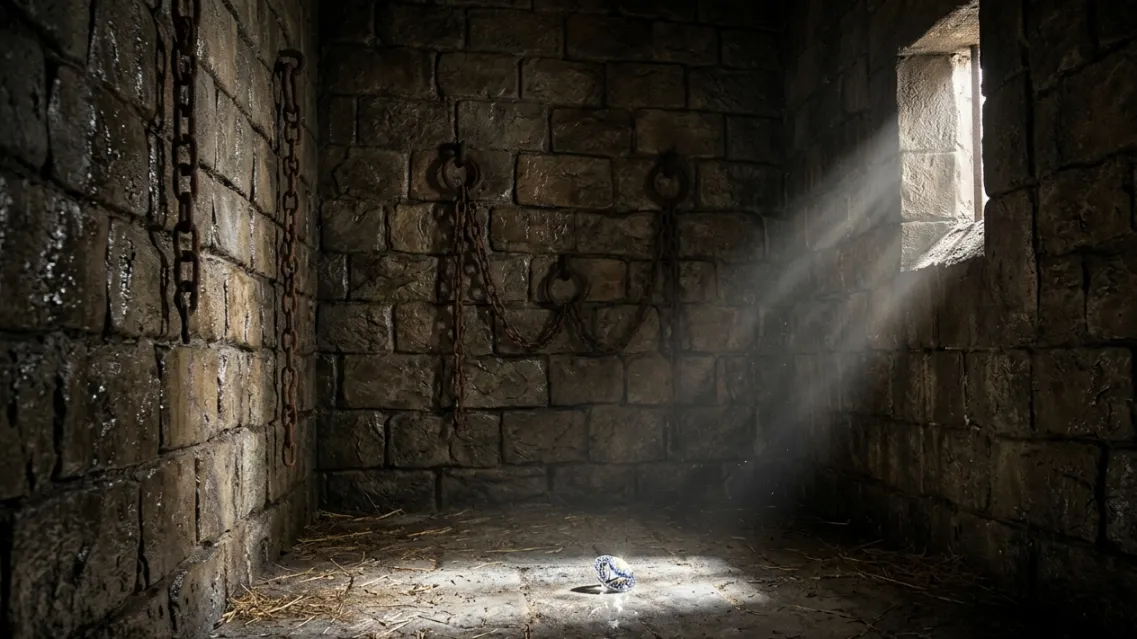
The stone seemed to extract a price from every man who touched it.
Ranjit Singh: The Last Indian King to Hold It
Maharaja Ranjit Singh — the Lion of Punjab, founder of the Sikh Empire — was perhaps the most powerful man in India when he acquired the diamond in 1813.
He wore it proudly. He ruled brilliantly. And then, in 1839, he died.
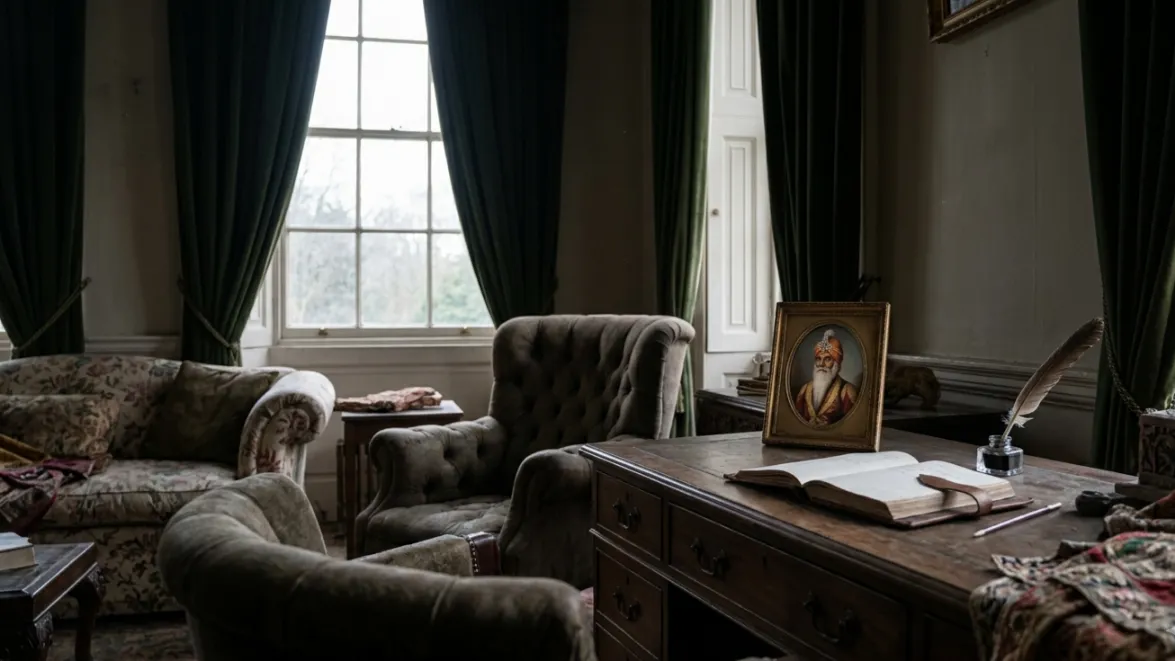
What followed was immediate and catastrophic. In the ten years after his death, the Sikh Empire was torn apart from within. Assassination after assassination. Power struggle after power struggle. Within a decade, the British had exploited the chaos, fought two wars against the weakened empire, and won.
The Koh-i-Noor was surrendered to Queen Victoria in 1849.
The Sikh Empire never recovered. It simply ceased to exist.
The Boy King Who Lost Everything
Perhaps the most heartbreaking victim of the Koh-i-Noor was not an emperor or a conqueror.
He was a child.
Duleep Singh, the youngest son of Ranjit Singh, was just ten years old when the British forced him to sign the Treaty of Lahore — the document that handed over the diamond. He was then separated from his mother, removed from his homeland, converted from Sikhism to Christianity, and settled in England as a well-dressed, well-managed exile.
He devoted the remainder of his life to reclaiming what had been taken from him—his faith, his kingdom, and the diamond. In 1893, he died destitute and defeated in a Paris hotel.
At 55, he hadn’t set eyes on his homeland in more than forty years.
The British Empire: Did the Curse Cross Oceans?
Here is where it gets interesting.
Queen Victoria was smart enough — or superstitious enough — to take the ancient prophecy seriously. She wore the diamond herself. No male member of the British royal family has ever worn it.
And yet.
The Koh-i-Noor arrived in Britain in 1850. At that point, the British Empire covered roughly a quarter of the earth’s surface. It was the most powerful political force in human history.
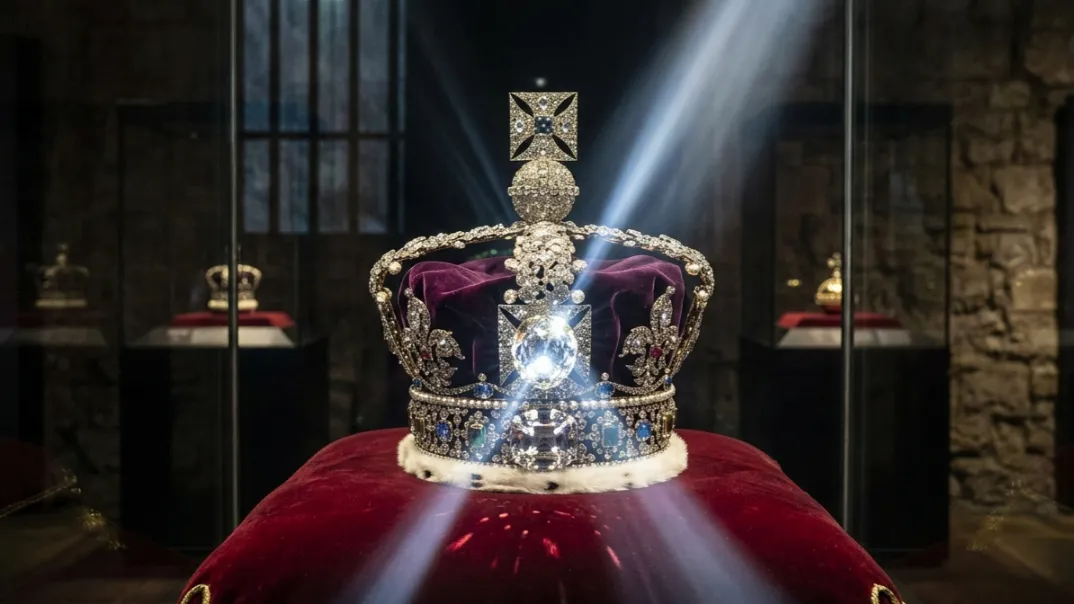
Within a century of the diamond’s arrival, the empire was gone.
India was free by 1947. Colony after colony followed. The empire on which the sun never set had, somehow, run out of daylight.
Is that the curse? Or is it simply the inevitable arc of history?
That is the question that has no clean answer.
The Diamond Today — and the Unanswered Question
The Koh-i-Noor sits today in the Tower of London, set into the Queen Mother’s Crown. It has not moved in decades. It does not need to.
India, Pakistan, Afghanistan, and Iran have all formally demanded its return. The British government has refused every time.
And now, for the first time in centuries, the British Crown is led by a king — King Charles III. A man. The first male sovereign with direct possession of the stone in generations.
The prophecy says only a woman or God can wear it safely.
Make of that what you will.
The Koh-i-Noor Diamond: From Golconda’s Mines to the British Crown — A Complete History
A Pattern That Will Not Let Go
You can call it superstition, a coincidence, or point to politics, economics, and the natural rise and fall of empires.
All of that is fair.
But the Koh-i-Noor diamond has now passed through the hands of the Mughals, the Persians, the Afghans, the Sikhs, and the British — and every single one of those empires has fallen.
Every man who wore it was ruined, imprisoned, blinded, assassinated, or exiled.
Not one of them kept it. Not one of them kept their power.
The Mountain of Light is still shining. It is the men around it who keep going dark.