
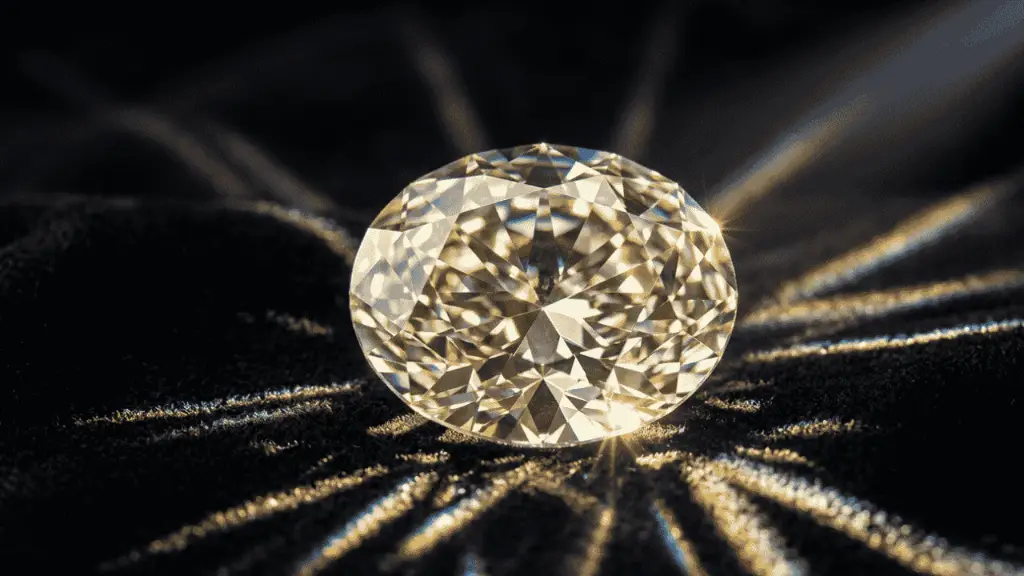
The Koh-i-Noor Diamond: From Golconda’s Mines to the British Crown — A Complete History
The Koh-i-Noor diamond originated in India’s Golconda mines and became a supreme symbol of power across South Asia. Passed through the Mughal, Persian, Afghan, and Sikh empires via conquest, the gem represented political legitimacy and sovereignty. It was eventually surrendered to the British following the annexation of Punjab in 1849.
After arriving in Britain, the diamond was re-cut to suit Victorian tastes and placed in the Crown Jewels. Today, it remains a subject of intense international debate. Multiple nations claim ownership, viewing the stone as a symbol of colonial theft rather than a legitimate legal acquisition.
Some treasures outlast empires. The Koh-i-Noor diamond is one of them.
For centuries, this extraordinary gem passed from one ruler to the next — not through trade, but through conquest. Whoever held it claimed the right to rule. Whoever lost it lost their throne.
Today it sits quietly in the Tower of London. But its journey here is anything but quiet.
This is the story of the Koh-i-Noor — from the ancient mines of Golconda to the crown of the British monarchy.
Where It All Began: The Mines of Golconda
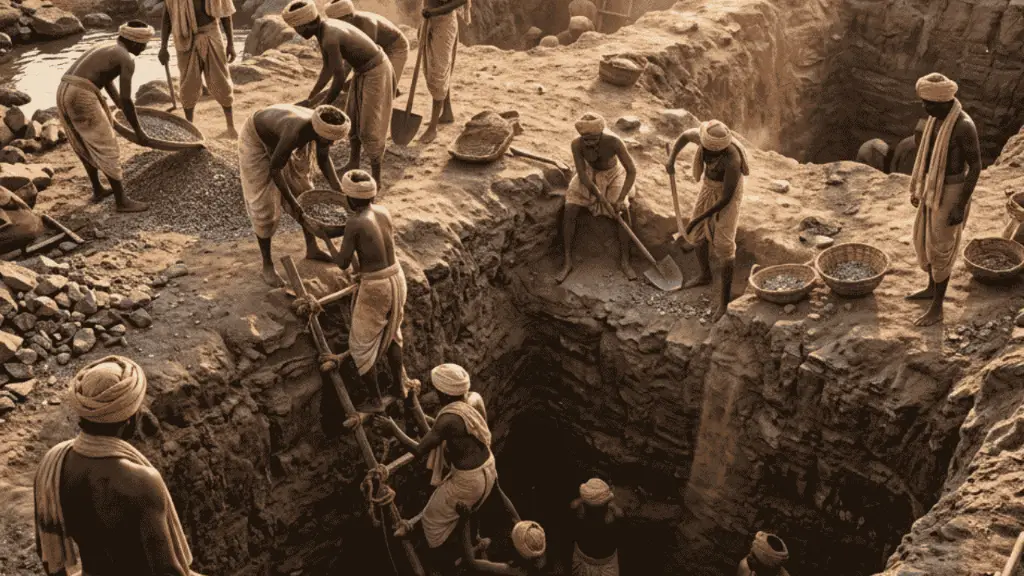
The Koh-i-Noor diamond traces its origins to the Golconda mines of the Deccan region in southern India. For centuries, these mines produced some of the world’s most spectacular diamonds.
The Deccan was home to local kings and sultanates who collected rare gems as symbols of power. Large diamonds didn’t just sit in vaults — they went directly into royal treasuries.
When this particular diamond emerged from the earth, it stood apart immediately. Its sheer size was striking. But what truly set it apart was its extraordinary clarity and brilliance — qualities that made it unlike anything else in the known world at the time.
However, in those early years, no single ruler “owned” it in a permanent sense. As power shifted across the Deccan, the diamond moved with it.
From Regional Treasure to Imperial Symbol
Eventually, as local Deccan governments weakened, the Koh-i-Noor made its way northward — into the political orbit of Delhi.
Delhi was the epicenter of power in the subcontinent. As a result, the moment this diamond entered its imperial treasury, everything changed.
It was no longer just a regional gem. It had become an imperial symbol.
In the Mughal Empire, jewels weren’t simply ornaments. They represented state power, divine authority, and royal legitimacy. Emperors adorned their thrones, crowns, and durbar with the finest gems to project the glory of their rule.
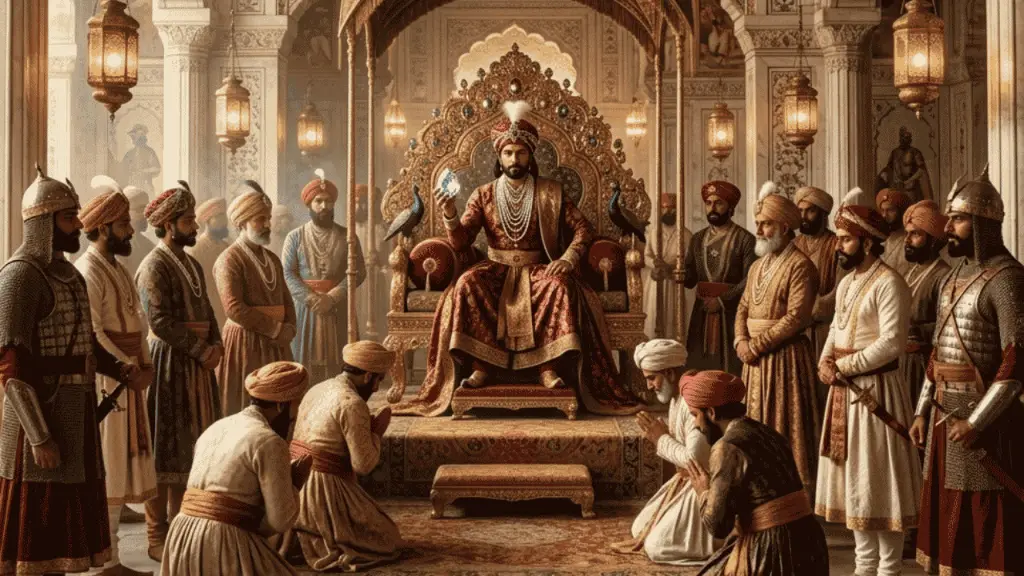
The Koh-i-Noor, with its unmatched size, quickly earned a special place in this system. It wasn’t locked away — it was displayed. It was woven into the very fabric of Mughal imperial identity.

Why the Koh-i-Noor Became a Political Prize
Here’s where the story gets fascinating.
Rulers didn’t just want this diamond because it was beautiful. They wanted it because possessing it meant something. It became a signal — to allies and enemies alike — that you held the supreme power of the subcontinent.
Because of this belief, the Koh-i-Noor became a military target. Whoever conquered a rival and seized this gem wasn’t just looting treasure. They were claiming a throne.
This idea transformed an already remarkable stone into something far more dangerous: a symbol of legitimate kingship.
Nadir Shah’s Invasion and the Diamond’s New Name
The Mughal Empire’s decline in the 18th century opened a door that no one could close.
In 1739, the Persian conqueror Nadir Shah marched on Delhi. The Mughal court, weakened by internal conflict, could not mount a lasting defense. Nadir Shah seized the city and plundered its legendary treasury.
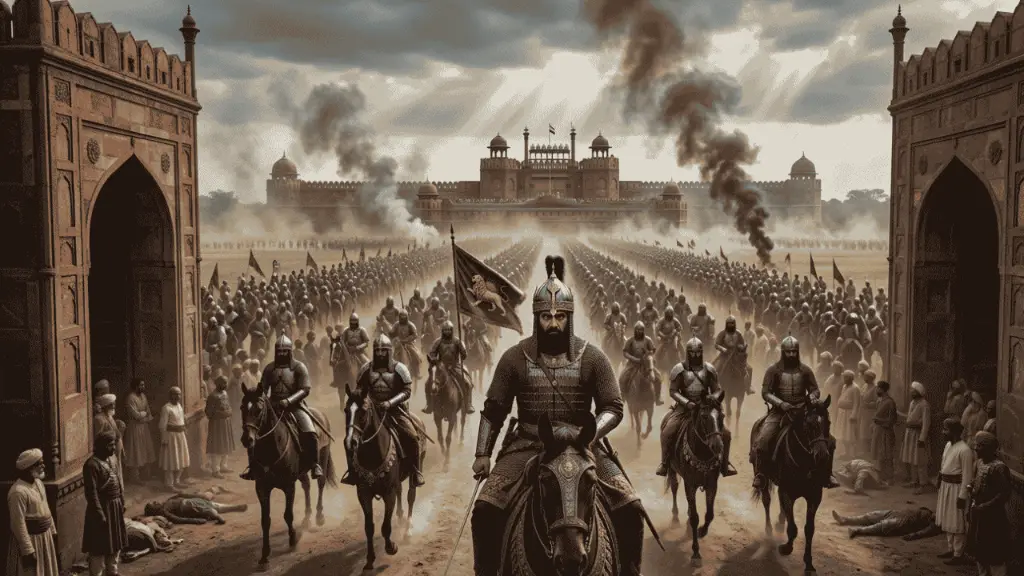
Among the treasures he took was this extraordinary diamond.
The moment he laid eyes on it, he was reportedly overwhelmed by its radiance. Standing before it, he named it on the spot — “Koh-i-Noor” — meaning “Mountain of Light” in Persian.
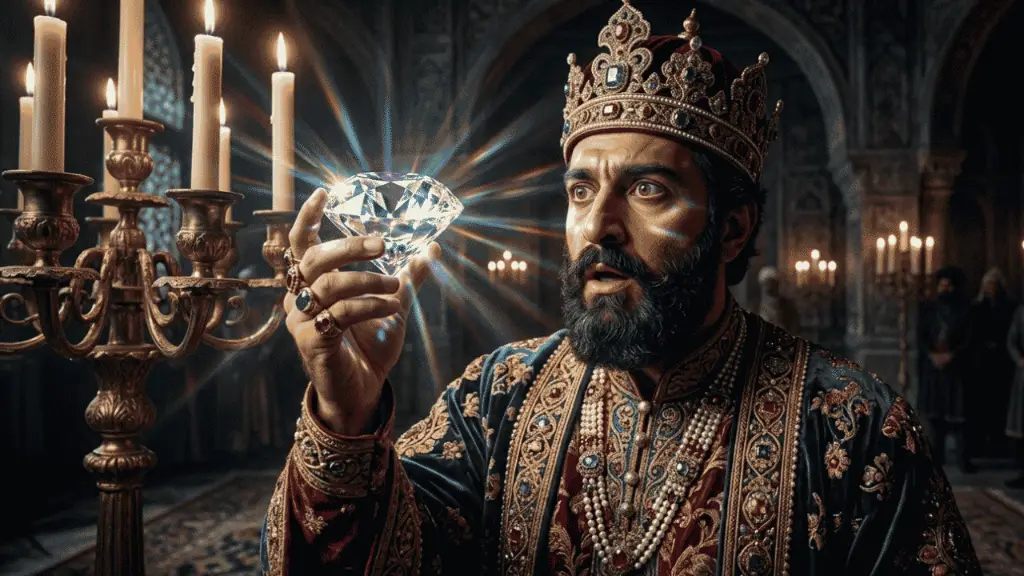
That name changed everything. In one moment, Nadir Shah didn’t just possess a diamond. He gave it an identity. An aura. A legend.
Read The Story of The Jacob Diamond: The Priceless Gem That Sat Forgotten for 37 Years

The Diamond Moves to Afghanistan
Nadir Shah’s empire didn’t survive him. After his assassination, his kingdom fragmented, and his treasury was scattered.
The Koh-i-Noor found its next home with the Durrani rulers of Afghanistan. In this new court, it continued to carry the same weight it always had — a mark of royal authority and legitimate rule.
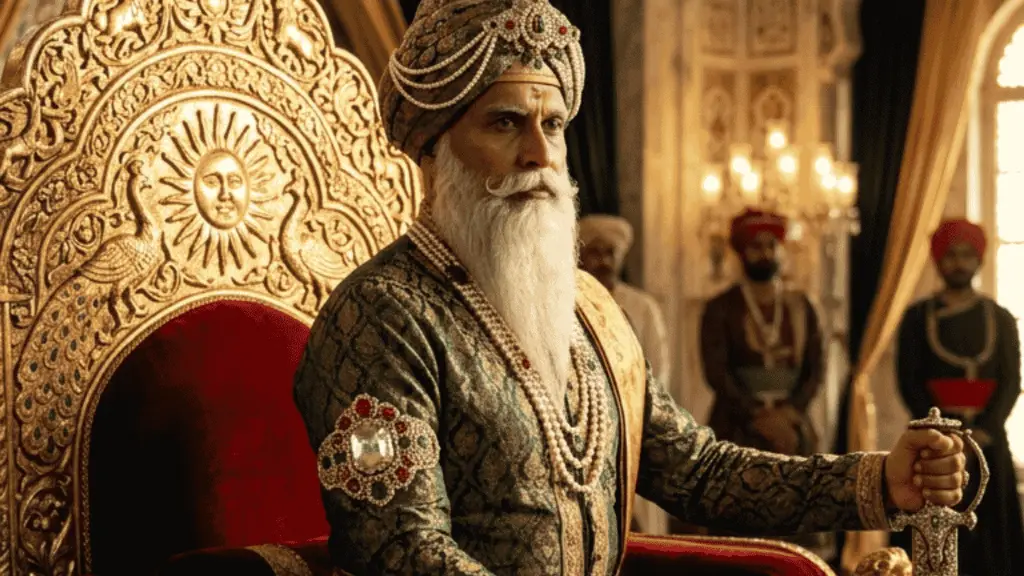
Meanwhile, the subcontinent was changing rapidly. Old empires were crumbling. New powers were rising. And the Koh-i-Noor kept moving, following the tide of conquest.
Maharaja Ranjit Singh and the Sikh Empire
In the early 19th century, Maharaja Ranjit Singh built a powerful Sikh Empire across Punjab. Through a combination of political maneuvering and military strength, the Koh-i-Noor eventually entered his treasury.
For Ranjit Singh, this was deeply personal. He didn’t just see it as a valuable gem — he saw it as a marker of his sovereignty. He kept it with great reverence, treating it as a pillar of his kingdom’s prestige.
Under his reign, the Koh-i-Noor reached perhaps its highest point of symbolic importance on the subcontinent. It had become, by this time, something beyond treasure — it was a political statement.
The British Take It All
Ranjit Singh died in 1839. Without his strong hand, the Sikh Empire began to fracture. Internal power struggles tore through the court. The empire that once stood firm started to collapse from within.
The British East India Company moved quickly. By 1849, they had annexed Punjab.
In the Treaty of Lahore, the Koh-i-Noor was formally handed over to the British. It wasn’t gifted willingly or purchased. It was a condition of surrender.
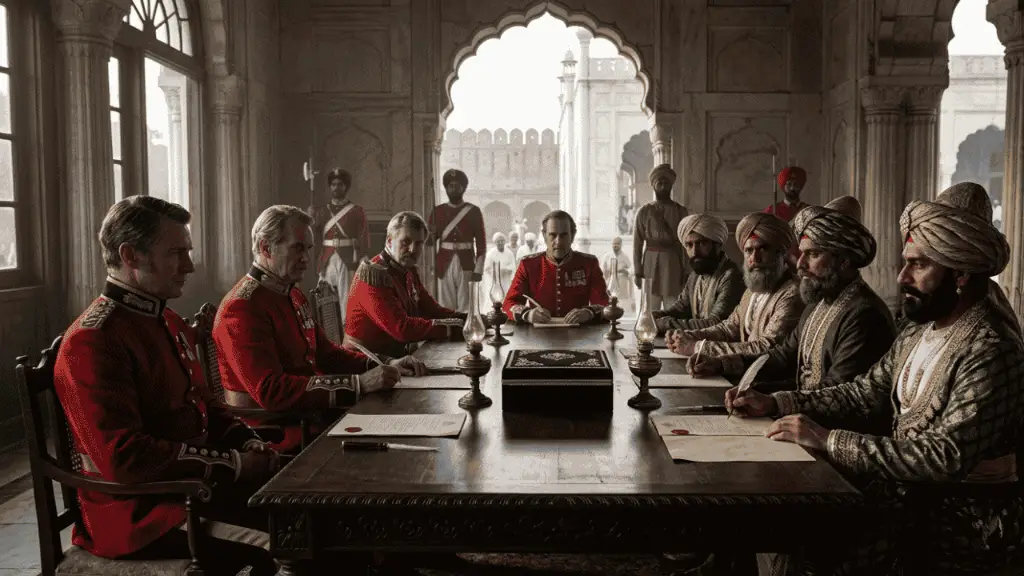
Afterward, the diamond left the subcontinent for the first time in its known history — bound for Britain.
Re-Cut, Reshaped, and Placed in a Crown
When the Koh-i-Noor arrived in Britain, it underwhelmed some observers. Its original Indian cut didn’t display its brilliance the way Victorian tastes preferred.
So they re-cut it.
The re-cutting reduced its weight significantly — from roughly 186 carats to about 105 carats. Its ancient form, shaped over centuries of South Asian craftsmanship, was gone.
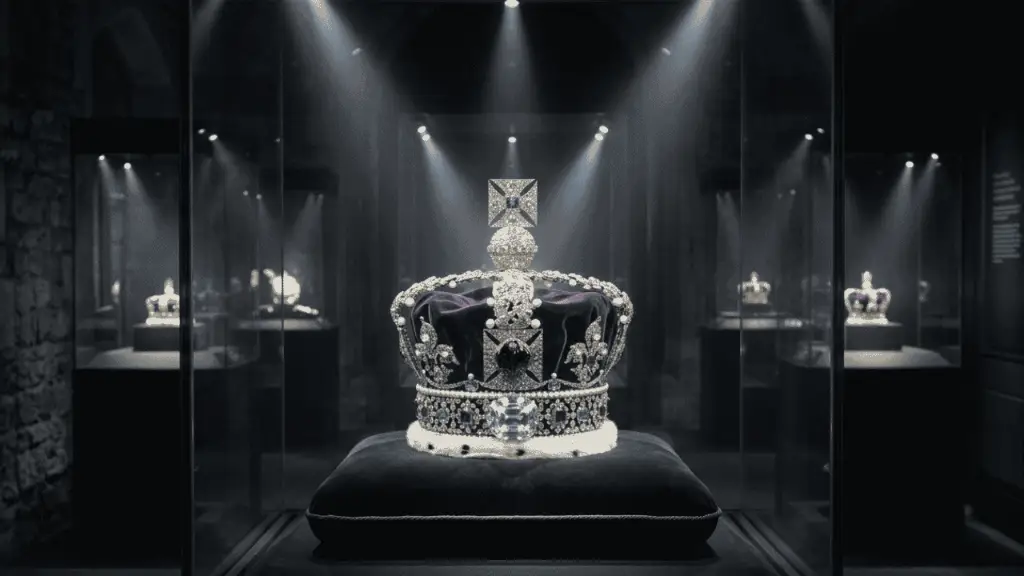
In addition, the re-cutting stripped away part of its history. However, the British argued it enhanced its beauty. Today, it sits in the Queen Mother’s Crown, on display at the Tower of London.
The Ongoing Debate: Who Does It Belong To?
The Koh-i-Noor’s story doesn’t end in a display case.
India, Pakistan, Afghanistan, and Iran have all made claims to the diamond at various points. For many people in South Asia, its presence in London represents a painful chapter of colonial history — not a trophy, but a theft.
Britain has consistently declined to return it, arguing that its legal transfer through treaty makes it British property.
The debate continues to this day — and it probably won’t end soon.
Conclusion: A Diamond That Carries History’s Weight
The Koh-i-Noor diamond is more than a gemstone. It is a chronicle of power — of empires rising and falling, of wars fought over symbols, and of a world where whoever held the stone held the narrative.
From the dark earth of Golconda’s mines, through the courts of Mughal emperors, Persian conquerors, Afghan kings, and Sikh maharajas — and finally into a British crown — this diamond has witnessed more history than most nations.
Its brilliance hasn’t faded. Neither has the controversy surrounding it.
Whatever side of the debate you stand on, one thing is undeniable: the Koh-i-Noor diamond remains one of the most powerful objects in human history.