
The Patiala Necklace: The Lost Royal Jewel That Disappeared for Decades
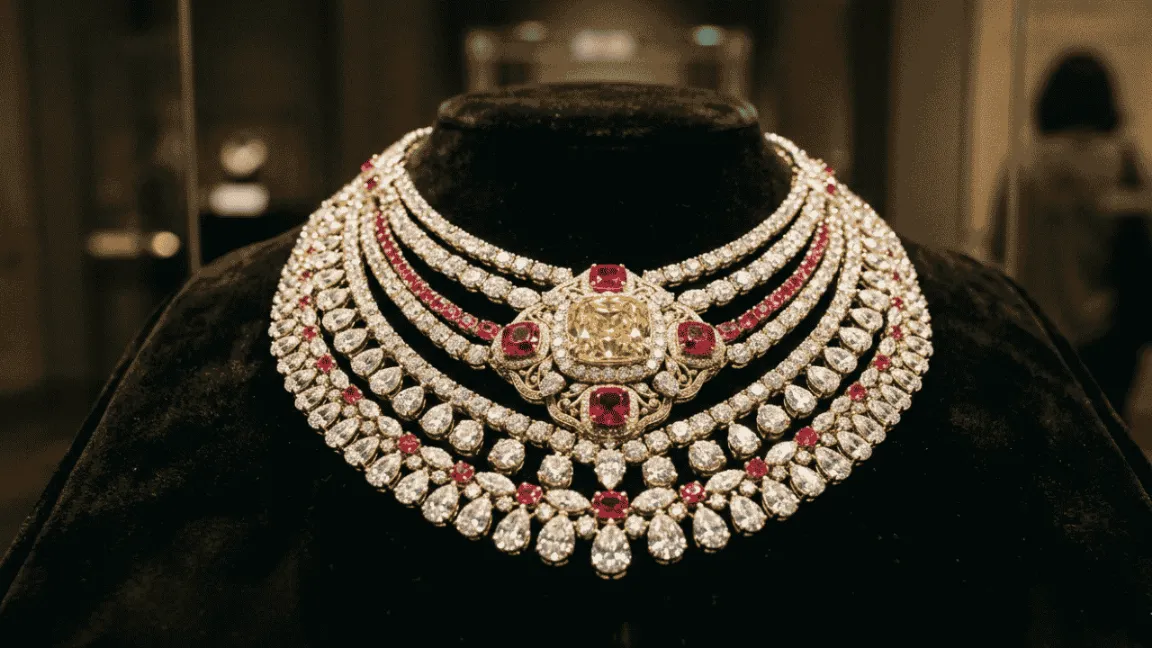
In 1928, Maharaja Bhupinder Singh commissioned Cartier to create the Patiala Necklace, a masterpiece blending Indian royal tradition with French craftsmanship. Centered on the De Beers diamond, the piece symbolized the status of India’s princely states. It vanished from the royal treasury in 1948, becoming a legendary lost artifact.
Decades later, Cartier recovered necklace fragments and meticulously restored the piece using high-quality replicas of missing stones. Its recent public appearances have ignited global discussions concerning cultural ownership and colonial-era heritage. The necklace remains a powerful symbol of artistic restoration and the complexities of preserving historical identity.
In 1928, one of India’s most powerful maharajas walked into Cartier with a singular demand — create something the world had never seen before.
Maharaja Bhupinder Singh of Patiala was not a man who thought small. Known for his enormous wealth, his love of fine arts, and his fascination with European jewelry, he wanted a necklace that would stand among the greatest ever made.
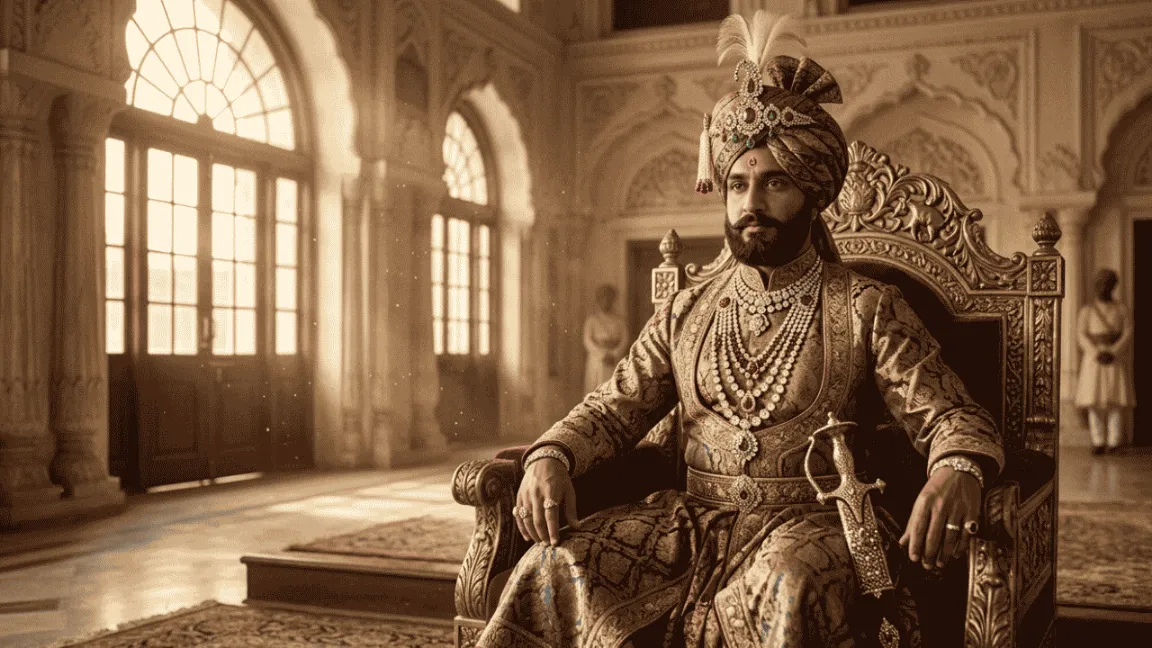
However, this wasn’t just about personal vanity. The Patiala Necklace was meant to announce something far grander — the dignity, status, and cultural power of India’s princely states during the colonial era.
What Cartier Built: A Masterpiece in Diamonds
The result was breathtaking.
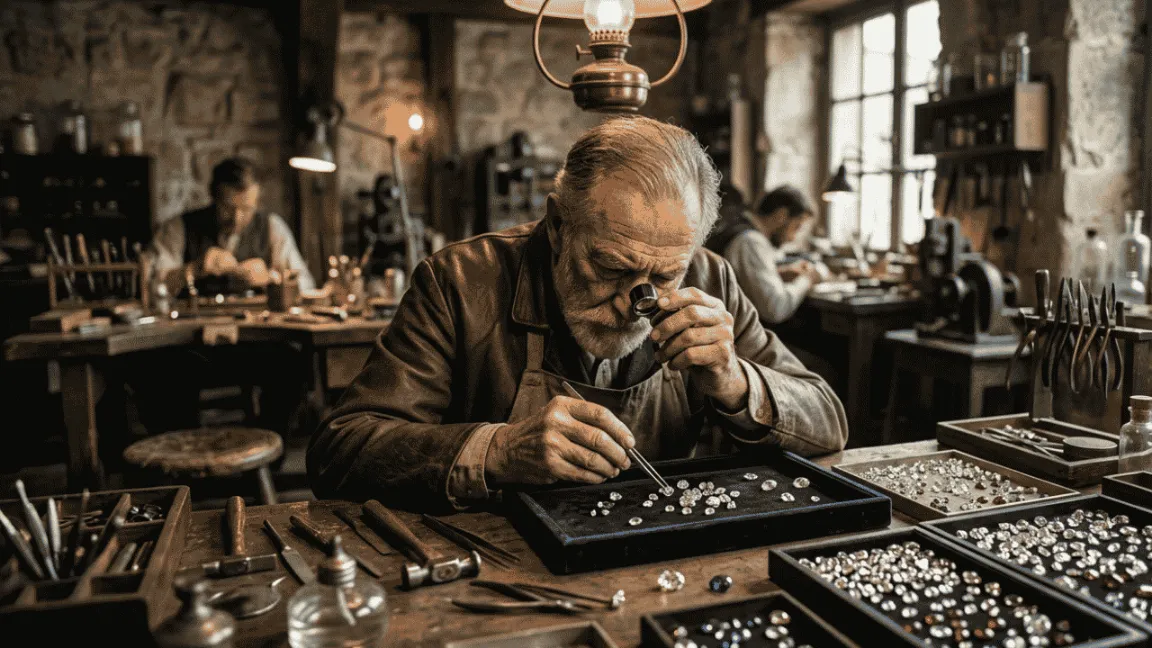
Cartier crafted a necklace using thousands of diamonds, layered in cascading rows that mixed Indian royal tradition with the precision of French jewelry-making. It was a stunning collision of two worlds — and it worked perfectly.
At the heart of the necklace sat the legendary De Beers Yellow Diamond, weighing over 234 carats. In addition, the piece featured large precious stones and rich Burmese rubies, making it one of the most complex and valuable jewels of its era.
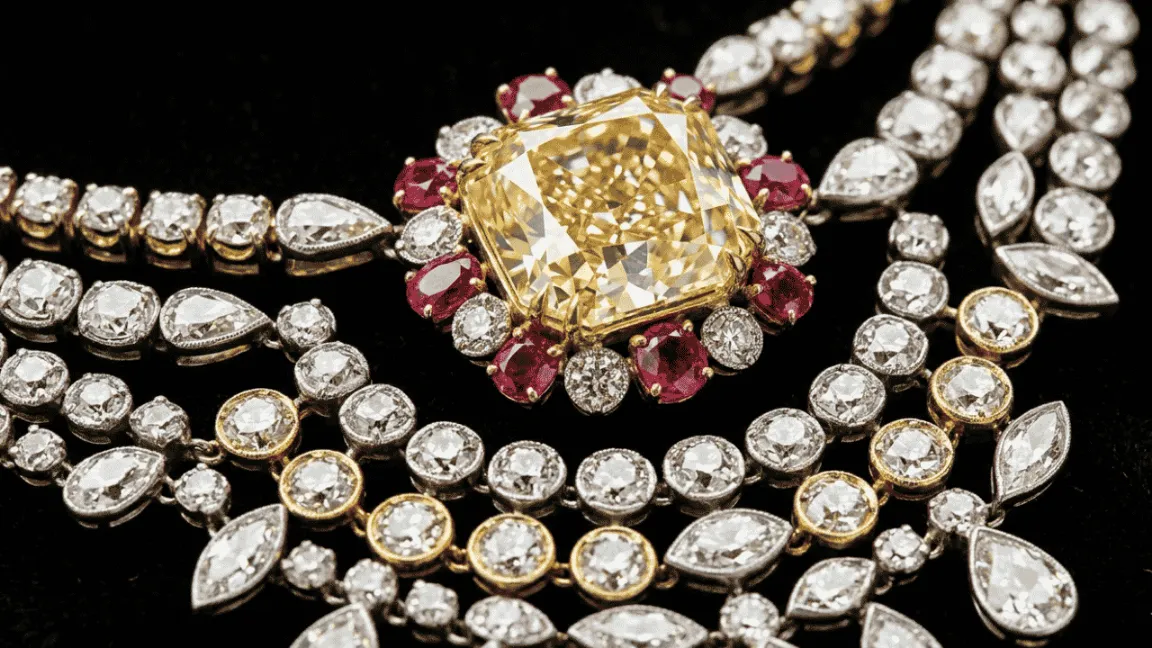
The design itself told a story. It spoke of Indian princely grandeur while carrying the unmistakable signature of Parisian craftsmanship. Nothing quite like it had existed before — and nothing has matched it since.
Vanished Without a Trace
After Maharaja Bhupinder Singh’s death, something disturbing happened. Around 1948, the Patiala Necklace vanished from the royal treasury.
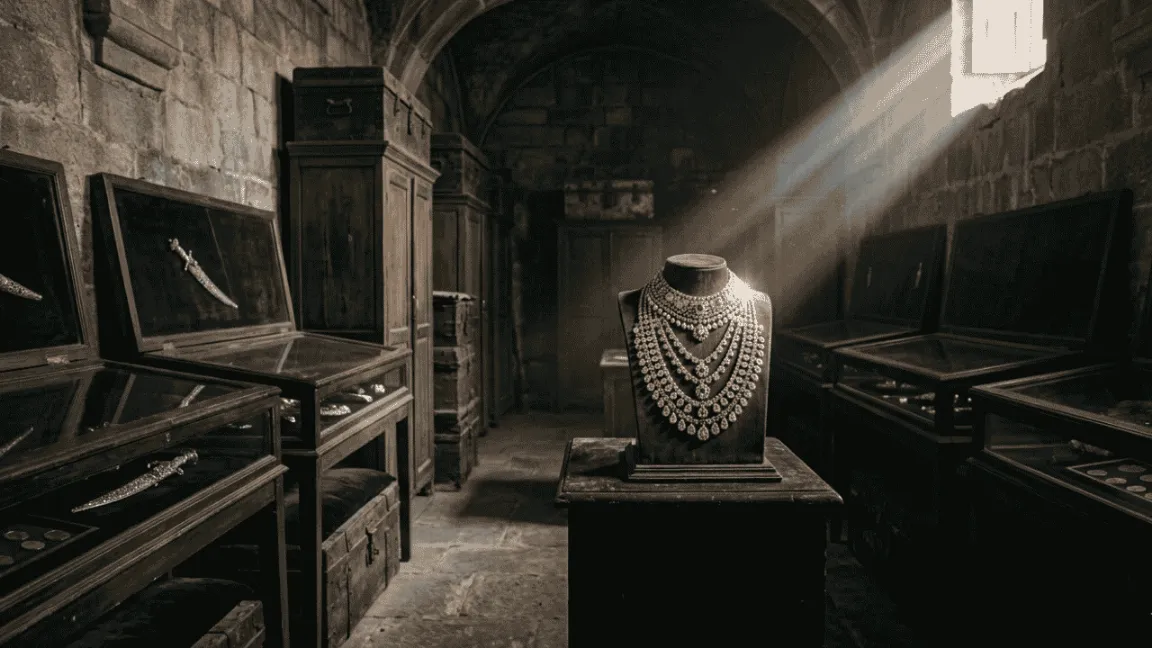
There was no explanation. No trail. No recovery.
For decades, it simply ceased to exist in the public record. Meanwhile, the world moved on — but the legend of the missing necklace never faded. Eventually, it earned a dark distinction: one of the most famous lost jewels in modern history.
The mystery deepened with time. Because of this prolonged silence, many believed the necklace had been broken apart and sold off piece by piece, its identity scattered across private collections around the world.

Cartier’s Careful Work to Bring It Back
Years later, fragments of the necklace began surfacing in different locations. For Cartier, this was the beginning of a painstaking mission.
The original diamonds and many precious stones were gone — likely lost forever. As a result, Cartier made a careful decision: replace the missing stones with replicas that matched the originals as closely as possible, preserving the design and the historical integrity of the piece.

It was meticulous, deliberate work. Afterward, the restored necklace stood once again as a recognizable symbol of what Bhupinder Singh had commissioned nearly a century earlier — even if it now carried the quiet grief of what had been permanently lost.
Back in the Spotlight
In recent years, the Patiala Necklace has re-entered the cultural conversation strikingly.
Appearances at high-profile global events — including the Met Gala — brought the necklace back into public view and reignited debate. For example, many historians and cultural commentators began asking hard questions: Who truly owns jewelry tied to the colonial era? Should these artifacts be considered global cultural heritage? And how should nations and institutions protect them?
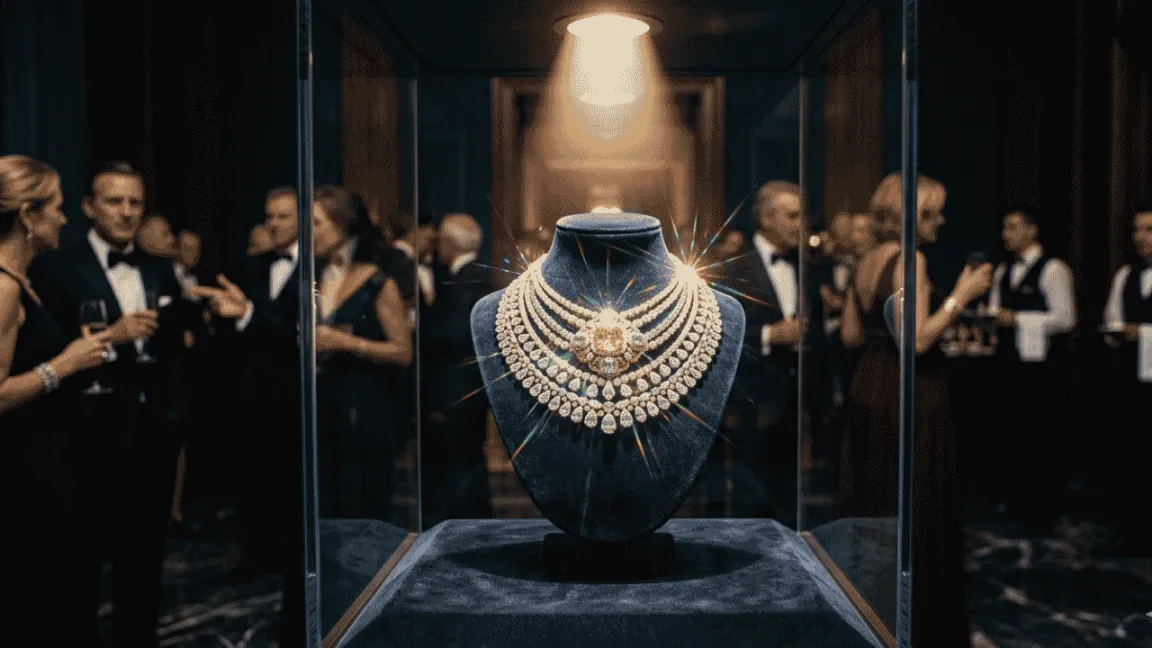
These are not easy questions. However, the Patiala Necklace forces us to ask them.
The Koh-i-Noor Diamond: From Golconda’s Mines to the British Crown — A Complete History

The Patiala Necklace as a Cultural Symbol
Today, the Patiala Necklace is far more than a spectacular piece of jewelry.
It represents lost royal heritage. It represents the painstaking work of artistic restoration. And perhaps most importantly, it represents the ongoing global conversation about identity, memory, and who gets to claim the cultural legacy of the past.
The necklace reminds us that historical artifacts are never objects from a distant era. They remain active participants in debates happening right now — about colonialism, cultural ownership, and what we choose to preserve.
As long as questions like these remain unanswered, the Patiala Necklace will keep telling its story.