
How Viking Sex Slaves Helped Build Iceland — The Hidden History
Genetic research reveals that Iceland’s early settlers had a distinct ancestral divide: most men were of Norse origin, while more than half of the founding women were Celtic. This suggests many women were captured during Viking raids in Britain and Ireland and transported to the island as enslaved laborers.
Historians suggest that social imbalances in Norse society, including polygamy, created a shortage of available women. This demand drove the systematic capture of female captives, making forced labor and sexual slavery significant factors in the establishment of the nation’s first permanent settlements and its long-term demographic makeup.
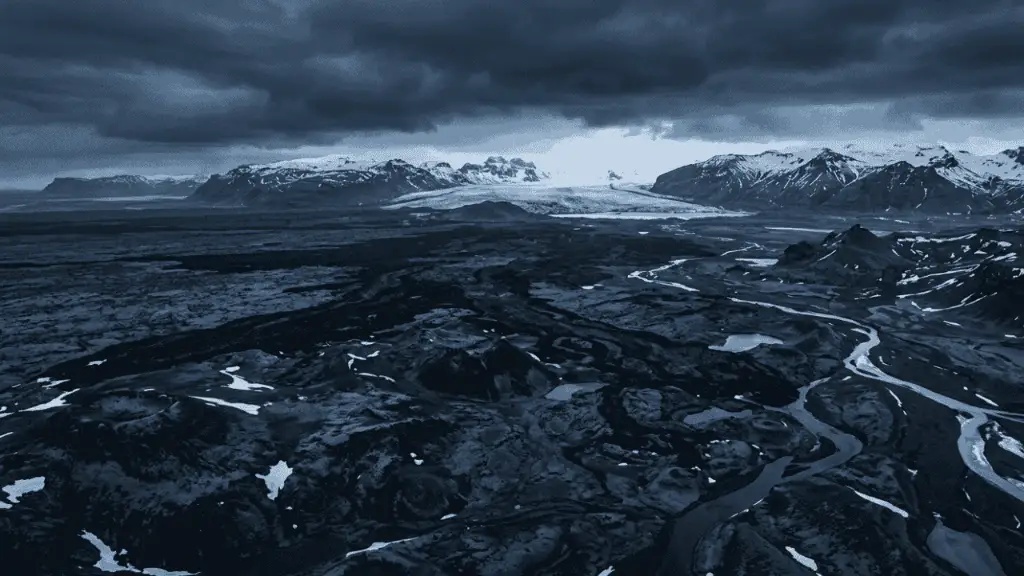
Iceland draws millions of visitors every year with its dramatic landscapes, friendly locals, and geothermal pools. However, beneath this modern paradise lies a deeply uncomfortable founding story — one that DNA science has only recently begun to expose.
Walk into the National Museum of Iceland in Reykjavik, and you might notice a set of genetic statistics on display. At first glance, they seem like dry data. Look closer, though, and they reveal something far more disturbing about how this island nation came to be.
What Iceland’s DNA Actually Tells Us
Scientists have analyzed the genetic makeup of modern Icelanders to reconstruct who the earliest settlers really were. The results are striking.
Roughly 80% of early Icelandic men carried Norse ancestry — tracing their roots to Scandinavia, particularly Norway, Sweden, and Denmark. That part makes perfect sense. Iceland was, after all, a Norse colony.
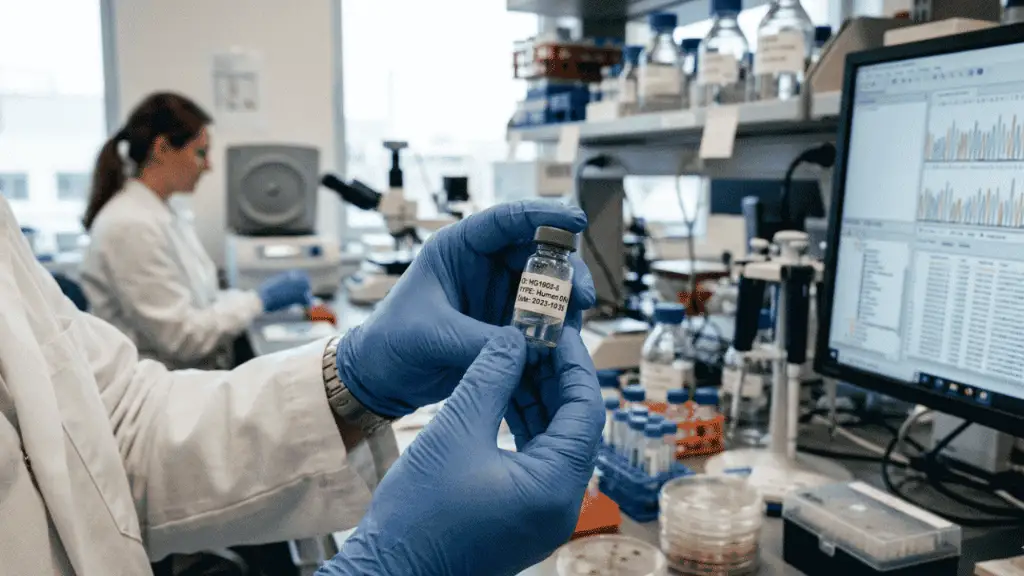
However, the story changes completely when researchers look at mitochondrial DNA — the genetic material passed exclusively through the maternal line.
More than half of Iceland’s founding women were Celtic in origin. They came from Ireland, Scotland, and the northwestern islands of Britain — not Scandinavia.
This raises an obvious and troubling question: How did so many Celtic women end up at the edge of the known world, on a remote volcanic island in the North Atlantic?
Vikings Were Slave Traders — And That Changes Everything
To understand what likely happened, you need to understand the Norse world as it actually was — not the sanitized version from movies.
Vikings were systematic slavers. They raided coastal settlements across Europe, capturing men, women, and children. These captives, known in Old Norse as thralls, formed the backbone of Norse society.
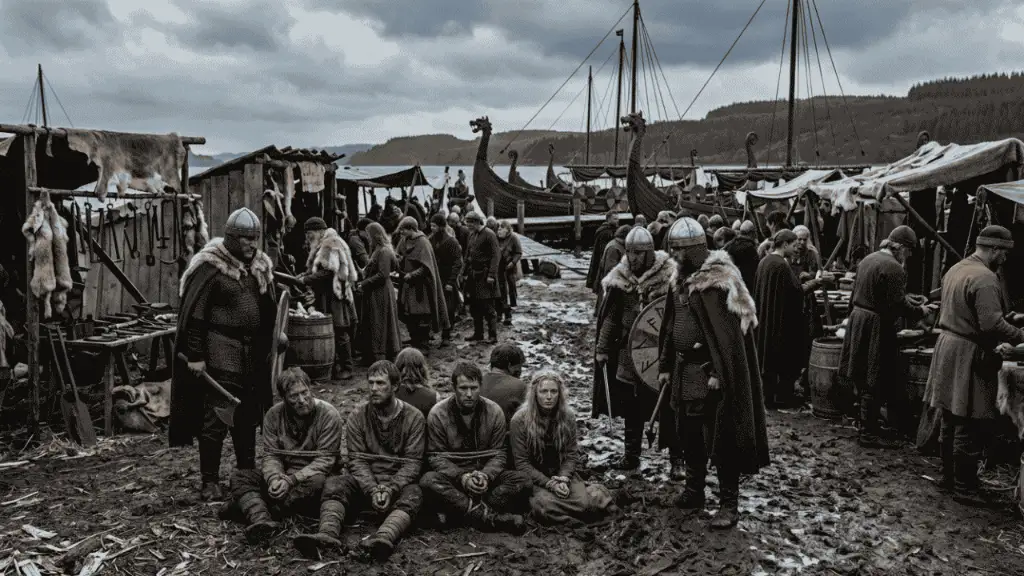
Thralls did the farming, the labor, and the domestic work that free Norsemen considered beneath them. In fact, telling a Viking warrior that he milked his own cows was considered a serious insult. That was slave work — and slaves were plentiful.
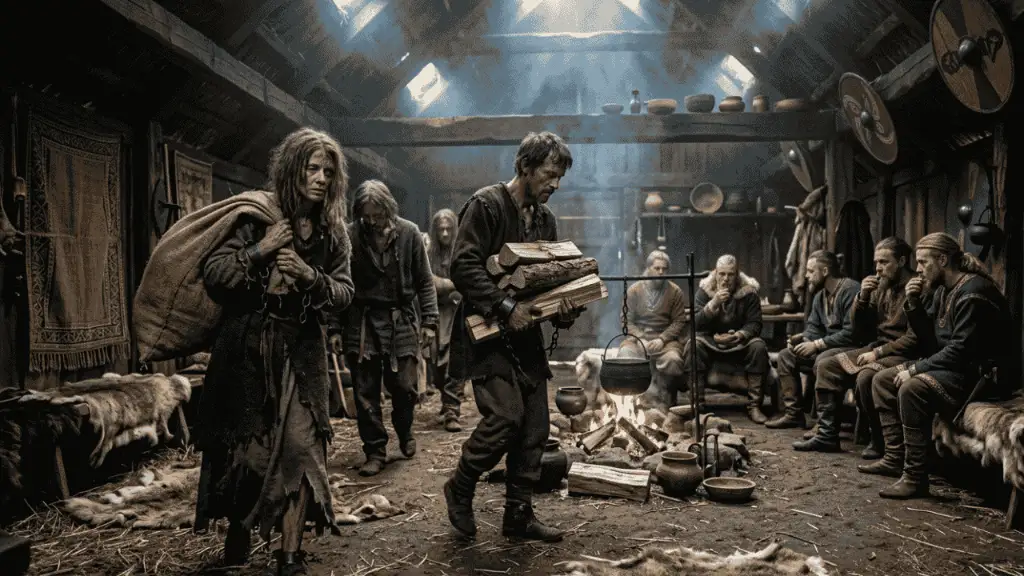
Meanwhile, life for these thralls was brutal by any measure. Owners could punish them violently. Some were killed during religious rituals. When a master died, thralls were sometimes executed so they could continue serving their owner in the afterlife.
Young Women Were the Most Prized Captives
Among all thralls, young women were the most valuable in Viking raids. Captors subjected them repeatedly to sexual violence and forced them into lives of domestic servitude.
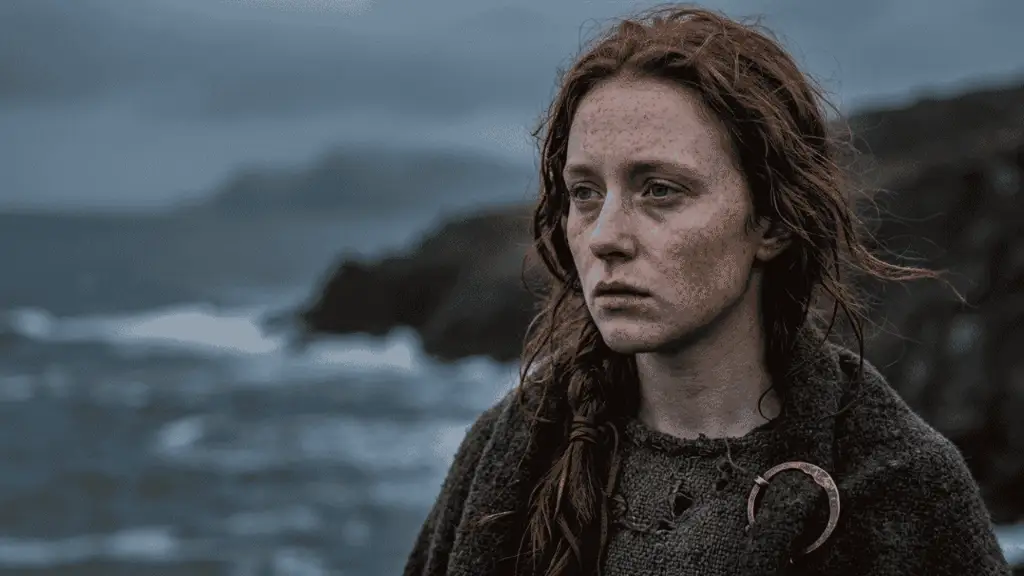
Because of this, the demand for women — especially young women — was relentless across Norse society. Some historians argue that this hunger for female captives was actually one of the driving forces behind Viking raids on Britain that began in earnest during the 9th century.
Read about: French Colonialism, The Dark History France Doesn’t Want You to Know
The “Too Few Women” Theory
Several researchers point to a structural problem inside early Norse society itself. Powerful chieftains practiced polygamy, keeping multiple wives. As a result, ordinary men found themselves competing for a shrinking pool of available women.
This imbalance, some scholars argue, pushed younger and lower-status Norse men toward the sea — not just for treasure, but for women. Scandinavia simply didn’t have enough to go around.
How This Connects to Iceland’s Founding
When Norse settlers decided to colonize Iceland in the late 9th century, they faced a practical problem. Building a functioning society on a remote island required women — and there weren’t enough in Scandinavia.
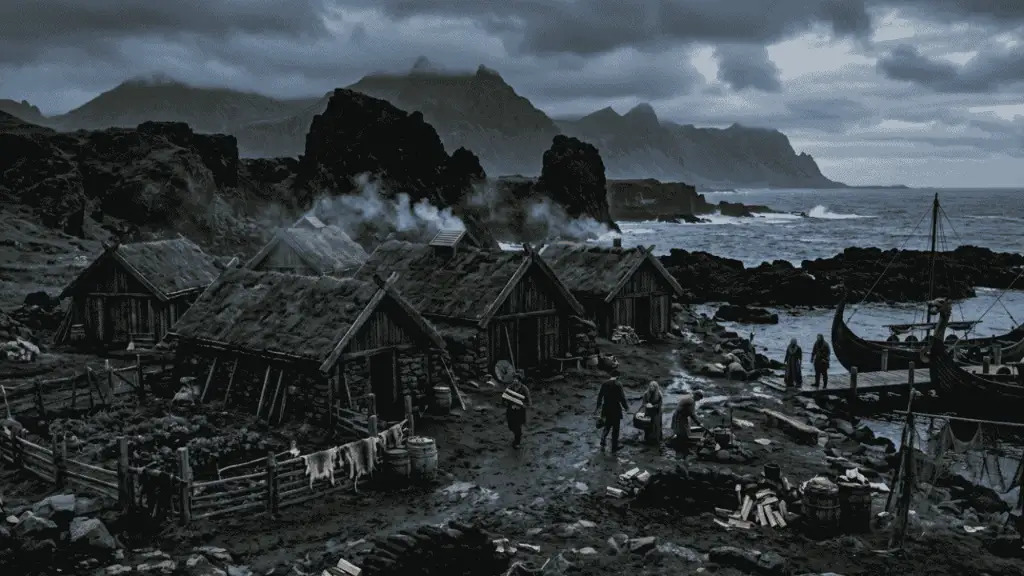
The answer, historians suggest, was Britain. Settlers stopped along the Scottish and Irish coasts during their journey, killed or drove off local men, and took women by force.
Eventually, those women arrived in Iceland — some possibly as wives, but many almost certainly as thralls.
Were Any of Them There Voluntarily?
It would be unfair to say every Celtic woman arrived in Iceland against her will. Some historians do suggest a portion came voluntarily.
For example, some Celtic communities had already established contact with Norse traders and settlers before Iceland’s colonization began. A small number of women may have traveled willingly as partners or companions.
In addition, Norse culture did place real value on marriage as an institution. Some thralls were eventually freed and elevated to the status of wives, which would have afforded them at least basic social standing.
The Most Honest Conclusion History Allows
However, the genetic evidence doesn’t lie — and the pattern it reveals is hard to explain away.
The most historically accurate reading of this data suggests a mixed picture. Some Celtic people made their way to Iceland voluntarily. But a significant number of Celtic women were almost certainly taken by force, enslaved, and transported to the island against their will.
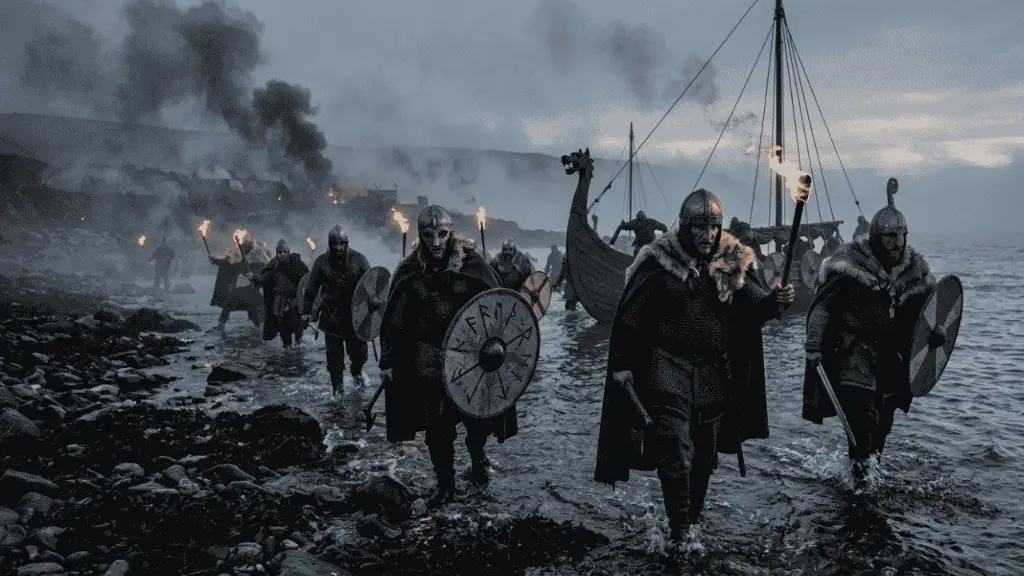
That means Viking sexual slavery played a direct and meaningful role in Iceland’s settlement — a fact that sits uncomfortably alongside the country’s image as a land of sagas, democratic assemblies, and rugged independence.
Why This History Matters Today
Iceland today ranks among the most progressive nations on earth when it comes to gender equality and human rights. That makes the dark genetic record of its founding all the more jarring.
Understanding this history doesn’t diminish Iceland. Instead, it adds complexity and honesty to the story of how human societies actually form — often through violence, coercion, and exploitation as much as through exploration and courage.
Afterward, when nations acknowledge these painful truths, they open space for deeper reflection about where they came from and who they want to be.
Conclusion: Iceland’s Beautiful Landscape, Complicated Origins
Iceland is genuinely one of the world’s most extraordinary places. However, the story of its founding is not a clean one.
The DNA evidence strongly points toward Viking sexual slavery as a key factor in populating this island nation. Celtic women — captured during brutal raids on Britain and Ireland — likely made up a substantial portion of Iceland’s earliest female settlers.
Acknowledging this history is uncomfortable. But it is necessary. History rarely tells a flattering story when you look closely enough — and Iceland’s origin is no exception.