


Iran’s Black Widow: The Woman Who Killed Her 11 Husbands
Kolsum Akbari, known as Iran’s Black Widow, carried out a series of murders spanning over two decades. She targeted elderly men for marriage, securing financial dowries before killing them through medication overdoses or suffocation. These crimes went undetected for years because the deaths were often attributed to natural causes.
The investigation began in 2023 after a suspicious death prompted multiple families to come forward. Akbari eventually confessed to killing at least eleven husbands across the Mazandaran province. Despite defense claims of mental illness, the court found her actions were calculated and sentenced her to death.
A wedding in a quiet Iranian village. A bride who insists on marrying only older men. No one thought to ask why.
For 23 years, nobody connected the deaths. Husbands grew sick, faded, and died — quietly, one after another. Their families grieved. Doctors signed death certificates. Nobody looked twice.
Then one funeral changed everything. A stranger’s offhand comment at a mourning gathering cracked open a secret that had survived more than two decades. What investigators found next would shock all of Iran and earn one woman a chilling nickname: the Black Widow.
This is the true story of Kolsum Akbari — and how her search for older husbands became one of the most disturbing serial murder cases in modern Iranian history.
A Marriage That Started the Unraveling
Kolsum Akbari’s story didn’t begin with murder. It began with heartbreak.
She married for the first time at just 18. However, the marriage was far from a fairy tale.
Her husband was reportedly harsh and, according to relatives, struggled with mental health issues of his own. The relationship was marked by ongoing cruelty. Eventually, the couple separated.
Akbari didn’t give up on marriage. She tried again, this time with an older man. But peace still didn’t come.
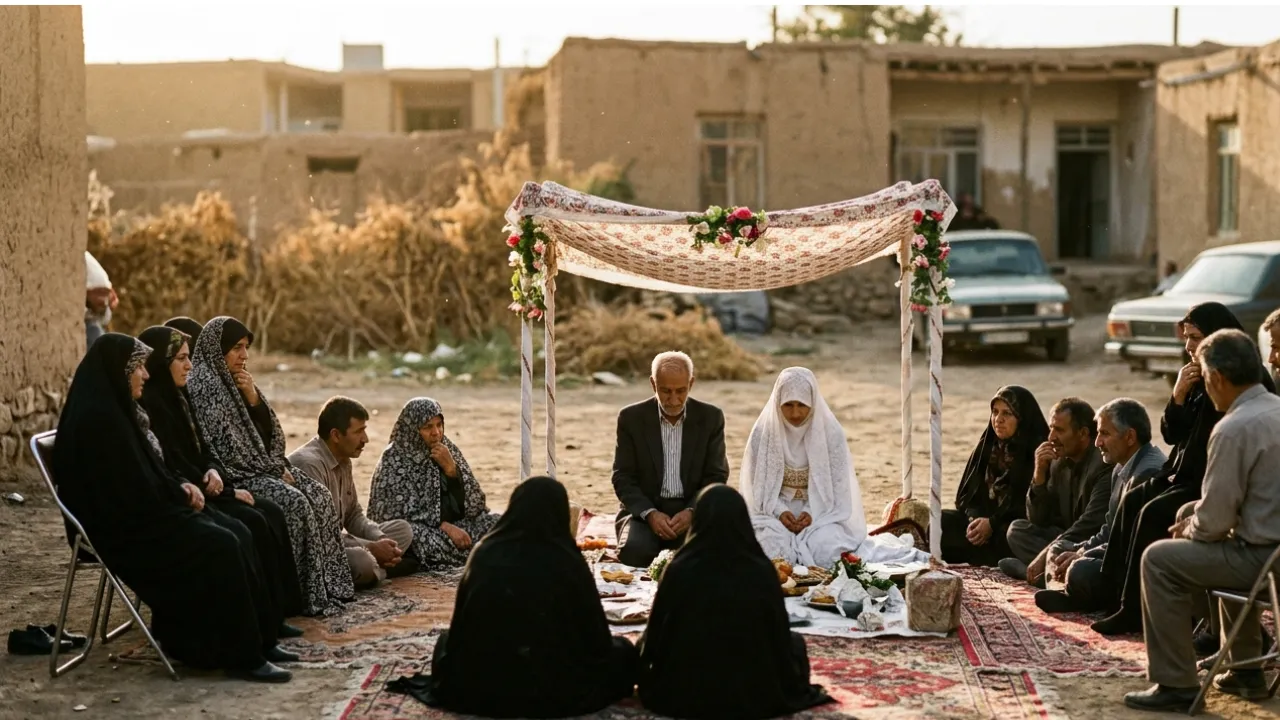
Her second husband and his children allegedly mistreated her too. Then, not long after, he died of natural causes.
That loss appears to have marked a turning point. Somewhere in the wreckage of two failed marriages, something in Akbari changed.
A Pattern Begins to Form
Soon, Akbari started appearing at wedding ceremonies across villages near Tehran. She had one unusual request: she wanted an older husband.

At first glance, this seemed strange. Most young women look for partners closer to their own age. Akbari wanted the opposite — and she made no secret of it.
In the year 2000, she married for a third time. Not long afterward, that husband also died.
It could have looked like a tragic coincidence. Instead, it was the beginning of a pattern that would repeat, quietly and methodically, for more than two decades.

Inside the Method Behind Iran’s Black Widow
This is where the case takes its darkest turn.
Akbari didn’t choose her victims at random. She had a clear, calculated approach:
- Targeted elderly, often isolated men
- Preferred husbands with financial means
- Negotiated for a substantial dowry before marriage
Once married, she allegedly began tampering with her husband’s medication. First came increased sleeping pills. Then came overdoses of sedatives. In some cases, she is accused of giving excessive doses of blood pressure medication.
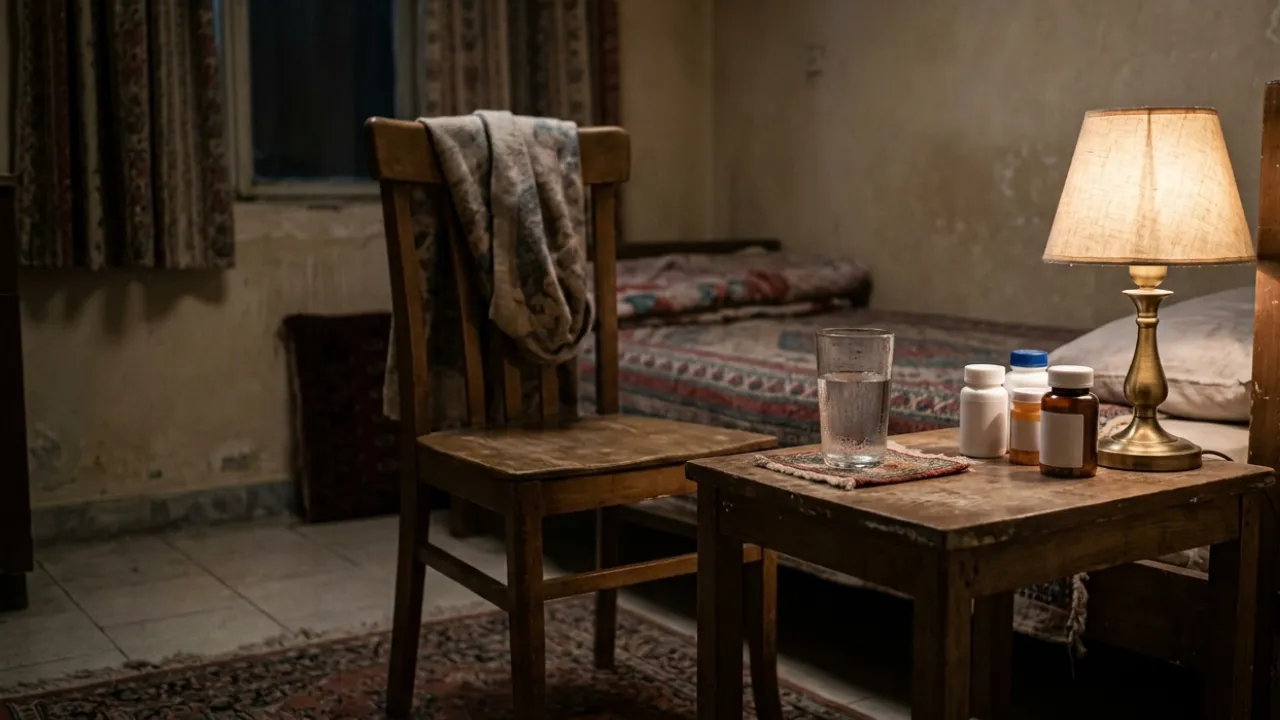
Because her victims were already elderly, many deaths looked like natural causes. As a result, no one raised an alarm.
But if a husband survived the drugs, investigators say Akbari didn’t stop there. She allegedly used a towel to smother victims who clung to life a little longer.
This routine, according to authorities, repeated itself for 23 years without detection.
The Death That Finally Raised Suspicion
Every long-running crime eventually meets its unraveling moment. For Akbari, it came after the death of her 82-year-old husband, Gholamreza Babaei, in 2023.
During the mourning period, a friend of Babaei’s son mentioned something unsettling. A woman with the same name, he said, had also married his own father — and he had long suspected she had poisoned him.
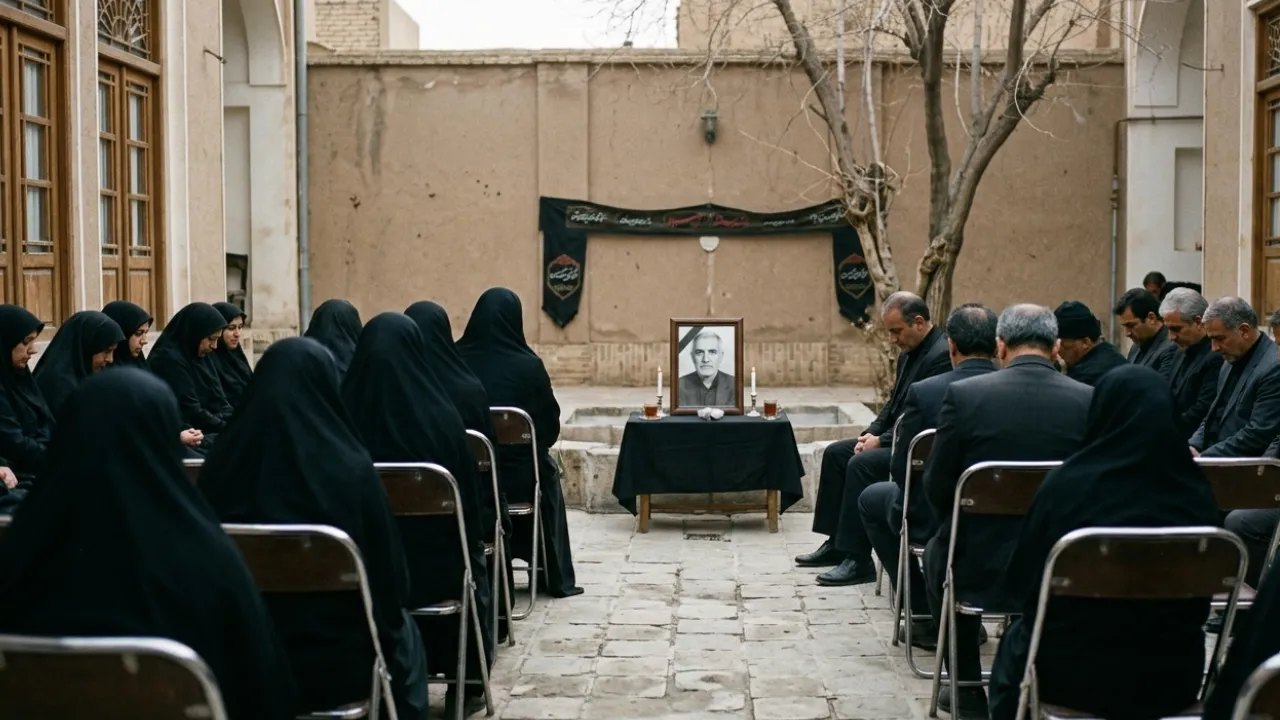
He urged the family to go straight to the police.
That single conversation opened the door to a full-scale investigation. Slowly, piece by piece, the truth came out.

The Confession That Shocked Iran
As investigators dug deeper, the scale of the case became clear. Multiple families came forward. Old deaths were reexamined. A disturbing timeline started to take shape.
When questioned, Akbari herself couldn’t even confirm the number of victims. According to widely cited reports, she told interrogators she wasn’t sure exactly how many people she had killed — estimating it may have been somewhere between 13 and 15.
Authorities ultimately confirmed at least 11 murders, along with one additional attempted killing, spanning more than two decades across Iran’s Mazandaran province.
The case dominated headlines across Iran. It even inspired a fictional character on state television. Meanwhile, victims’ families grew frustrated as the story turned into online jokes rather than a reminder of real loss.
Akbari’s defense team requested a psychiatric evaluation. Prosecutors pushed back, arguing that the meticulous planning behind the murders reflected calculation, not mental illness.
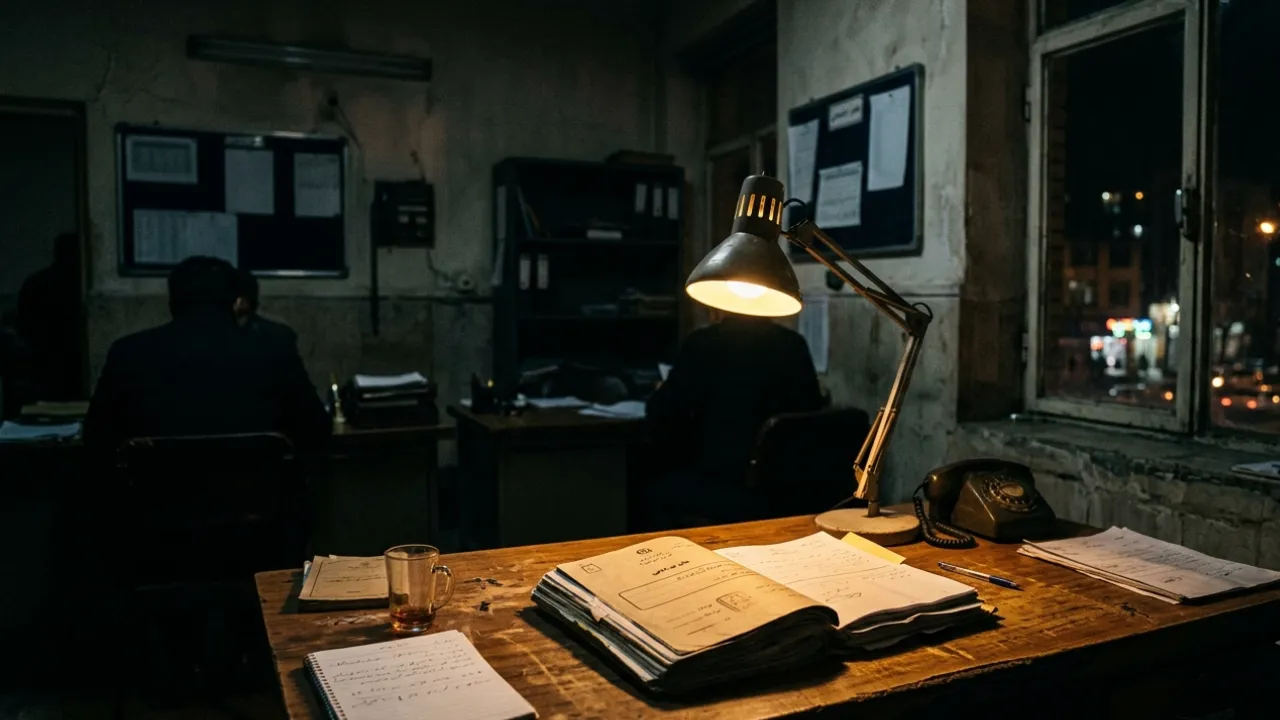
In the end, the courts sentenced her to death.
Kristel Candelario Case: The Mother Who Left Her Baby Alone and Faced Life in Prison
A Question That Lingers
Was Kolsum Akbari mentally unwell? Was she driven purely by greed? Or did her early, abusive marriages set her on a path she never recovered from?
There’s no simple answer. What is clear is this: unresolved pain, left to fester, can quietly reshape a person — sometimes with devastating consequences for everyone around them.
The story of Iran’s Black Widow isn’t just a shocking crime headline. It’s a dark reminder of how far deception can travel when no one is watching closely enough.
Final Thoughts
The case of Kolsum Akbari, Iran’s Black Widow, remains one of the most unsettling true crime stories to emerge from the region in decades. It’s a story about trust, deception, and how a pattern of quiet tragedy can go unnoticed for far too long.
Twenty-three years is a long time to hide a secret. But eventually, even the most carefully built lies find their way into the light.