

World’s Youngest Mother: The Heartbreaking True Story of Lina Medina
Lina Medina of Peru became the world’s youngest mother in 1939 at age five. This rare medical case was caused by precocious puberty, leading to early physical development. She delivered a healthy son via cesarean section. Despite investigations, the identity of the child’s father was never legally established.
Following the birth, Medina lived a private life and eventually married and had a second son. Her first son, Gerardo, grew up believing she was his sister before learning the truth. The case remains a significant medical record regarding human hormonal development and child safety protections.
Some stories are so extraordinary that they challenge everything we think we know about medicine and the human body. The story of Lina Medina, the world’s youngest mother, is one of them.
In 1939, a five-year-old girl from a remote village in Peru gave birth to a healthy baby boy. The world was stunned. Doctors were speechless. And decades later, part of the mystery remains unsolved.
This is her story.
Disclaimer: This article covers a documented historical and medical case. It is written with the intent to inform and raise awareness, not to sensationalize suffering.
A Frightening Discovery in Rural Peru
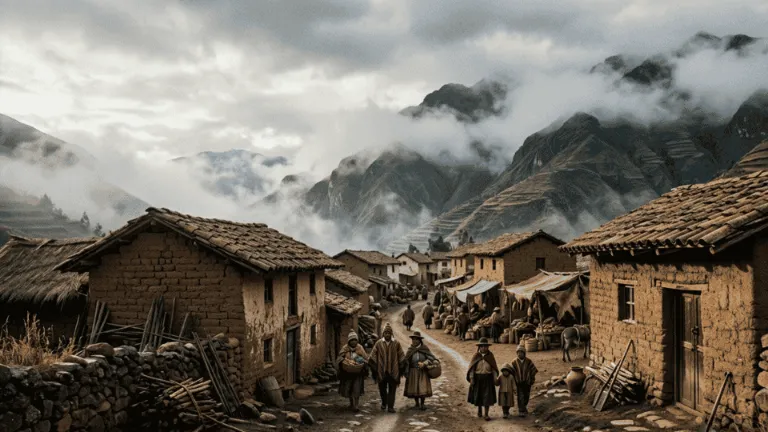
It all started in a small village tucked away in the mountains of Peru. Lina Medina‘s parents noticed something unusual — her stomach was growing at an alarming rate.
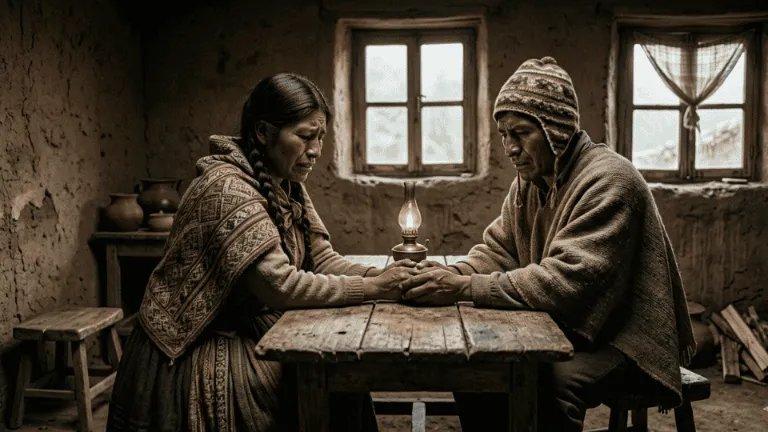
At first, her family feared the worst. They assumed it might be a tumor or some dangerous internal illness. Because of this, they rushed her to the nearest medical facility.
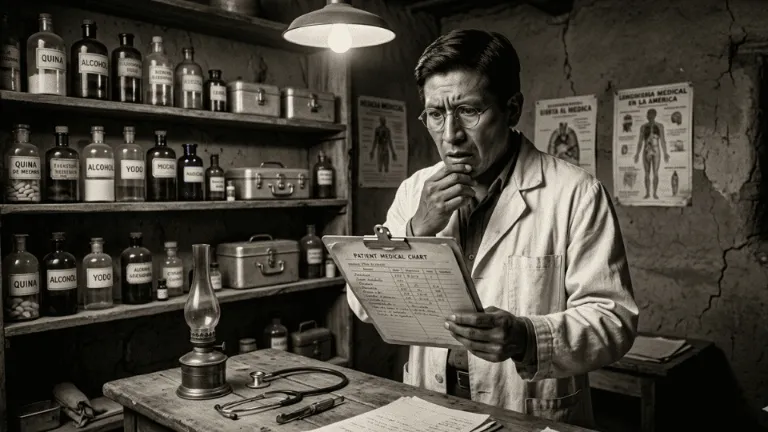
However, what doctors discovered next stopped everyone cold.
Lina wasn’t sick. She was pregnant.
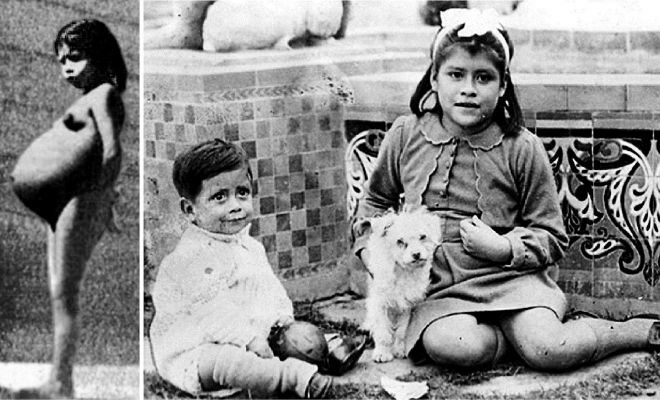
The year was 1939. The child was five years and seven months old.
The Rare Medical Condition Behind the Impossible
How could this even happen biologically? The answer lies in an extremely rare condition called Precocious Puberty.
What Is Precocious Puberty?
Precocious puberty is a medical condition where a child’s body begins developing into an adult body far too early. In Lina’s case, her hormones had activated years ahead of schedule.
- Her body had fully developed reproductive organs
- She had already begun menstruating at the age of eight months, according to some reports
- By the time she was five, she had the hormonal profile of a much older female
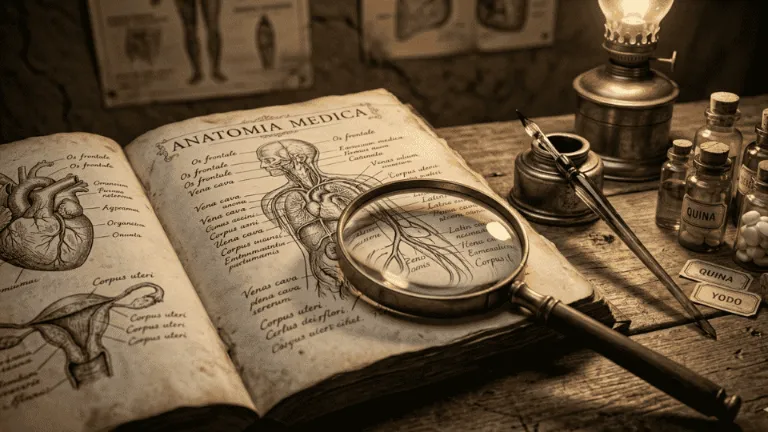
This condition is documented in medical literature, but cases as extreme as Lina’s remain extraordinarily rare. In addition, her situation brought a level of ethical and medical urgency that the medical world had never encountered before.
The Surgery That Made History
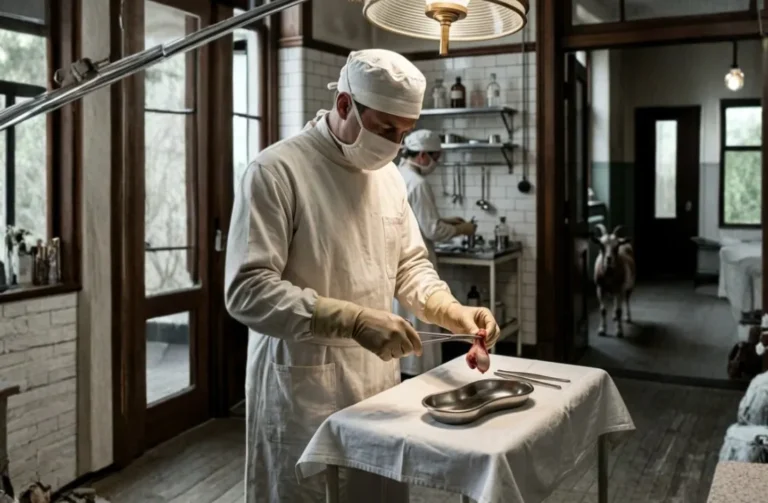
Because Lina’s body was still so physically small, a natural delivery was out of the question. Doctors determined it would be life-threatening.
As a result, they performed a cesarean section — a major surgical procedure.
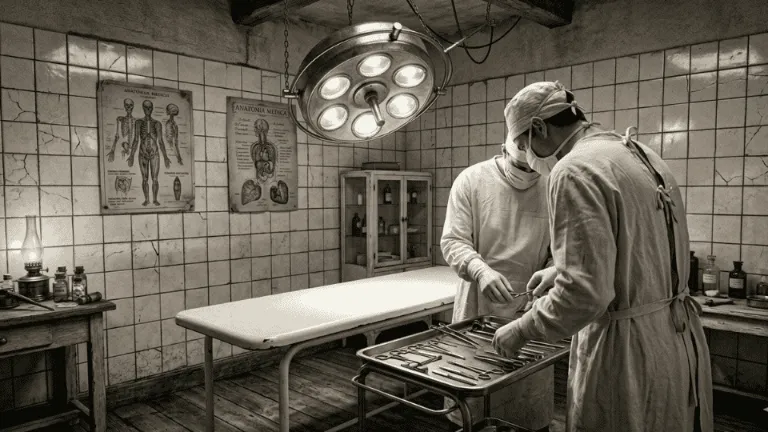
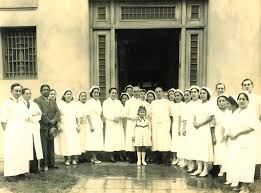
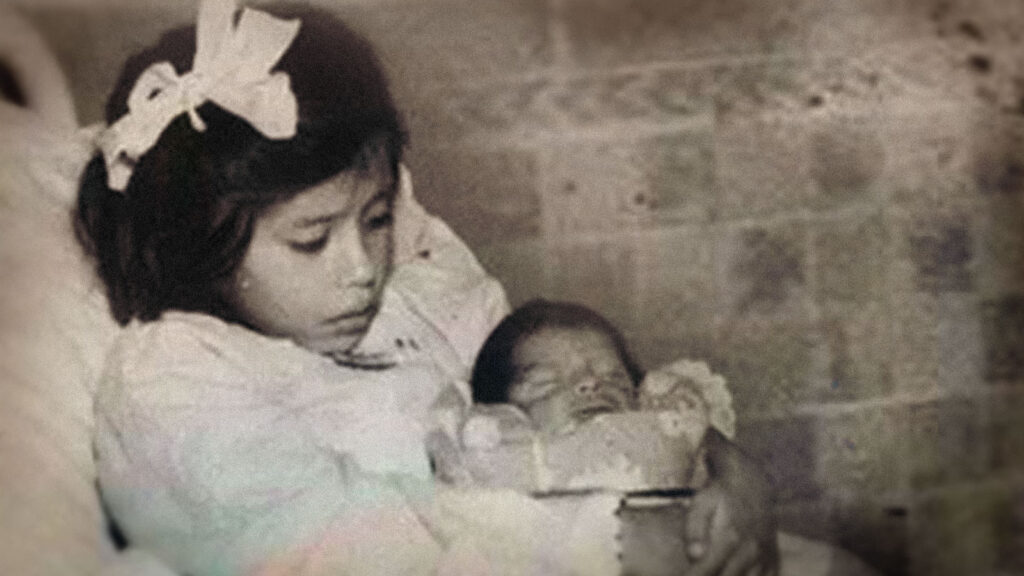
On May 14, 1939, Lina Medina gave birth to a healthy baby boy. He weighed approximately 2.7 kilograms and was completely healthy.
Meanwhile, Lina herself survived the surgery and recovered successfully.
The medical community was shaken. Here was a five-year-old child — a mother — who had just undergone major surgery and come out the other side alive, along with her baby.
Doctors documented everything. The case was published in medical journals. And the world’s youngest mother officially entered the history books.
The Mystery That Was Never Solved
Here is where the story takes its darkest turn.
The identity of the child’s father was never established.
Authorities launched an investigation. Her father was briefly detained and questioned. Eventually, he was released due to a lack of evidence.
No one was ever charged. No one was ever convicted.
The question of who was responsible for what happened to Lina remains one of the most disturbing mysteries in modern medical and criminal history. For example, despite multiple investigations over the decades, no conclusive answer has ever surfaced.
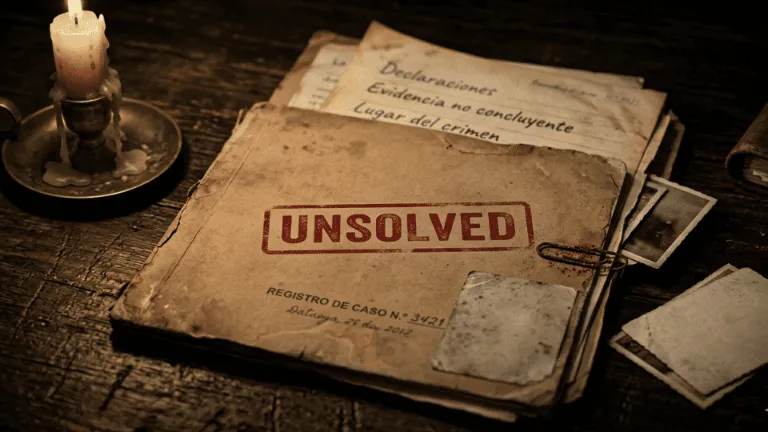
That silence speaks volumes.

Lina’s Life After the Headlines
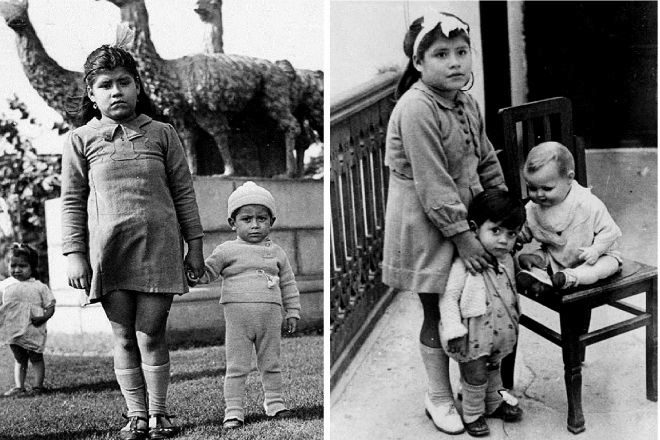
Lina grew up quietly, largely out of the public eye. She raised her son, Gerardo, who reportedly grew up believing Lina was his sister rather than his mother.
Gerardo learned the truth when he was around ten years old. Sadly, he passed away at the age of 40 due to a bone marrow disease.
Afterward, Lina continued living a private life. She eventually married a man named Raul Jurado in the 1970s and had a second child with him.
She has consistently refused media interviews throughout her life. Her story is known largely through the records of the medical team that treated her.
Why This Story Still Matters Today
The case of Lina Medina is not just a medical footnote. It raises serious questions that go far beyond biology.
It is a reminder of how vulnerable children are — and how critical it is to protect them. It forces us to confront uncomfortable conversations about child safety, abuse, and the responsibility of communities to safeguard the youngest among them.
From a medical standpoint, her case also expanded the scientific understanding of precocious puberty and human hormonal development.

However, the human story at the center of it all is one of loss of innocence, unanswered questions, and the quiet resilience of a girl who never asked to be part of history.
Conclusion: A Story the World Will Never Forget
Lina Medina became the world’s youngest mother at an age when most children are learning to read and play. Her story is tragic, medically extraordinary, and deeply unsettling all at once.
The medical facts are documented. The birth certificate exists. The case files are real.
But the full truth — particularly the circumstances that led to her pregnancy — remains buried in silence.
What her story ultimately reminds us is this: science can record history, but it cannot always heal the wounds behind it. The duty to protect children belongs to all of us.